DbcultAccessing Vault...
6.2/10
Senior Film Conservator
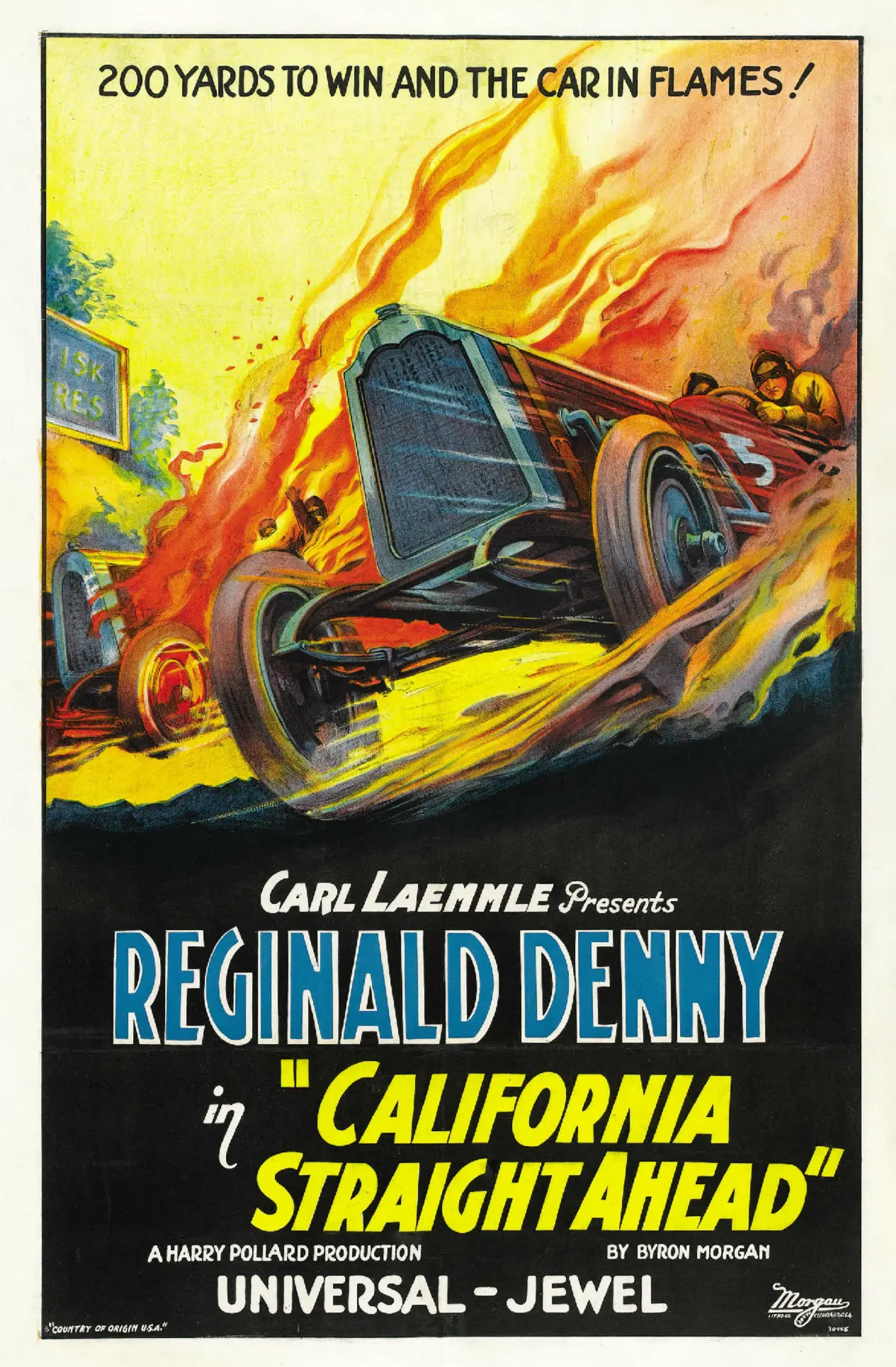
A definitive 6.2/10 rating for a film that redefined the boundaries of cult cinema. California Straight Ahead remains a cornerstone of transgressive art.
The 1920s stood as a decade defined by the frantic pulse of modernization, a period where the silent screen functioned as a mirror to a society obsessed with the mechanical sublime. In this landscape, California Straight Ahead emerges not merely as a vehicle for the charismatic Reginald Denny, but as a vibrant exploration of the American ethos of reinvention. Directed by Harry A. Pollard, the film captures a pivotal moment where the horse-drawn past was being decisively overtaken by the internal combustion engine. Unlike the somber social critiques found in contemporary works like Alice Adams, Pollard’s film opts for a kinetic, often jubilant approach to the anxieties of class and reputation.
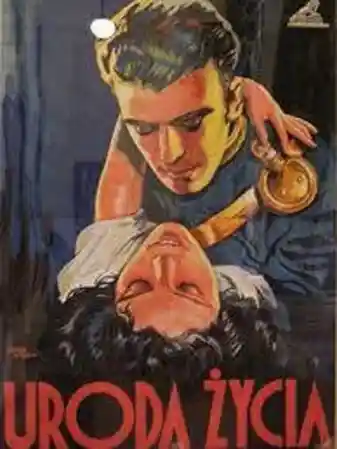
Reginald Denny occupied a unique niche in the silent era pantheon. He was the everyman of the upper class, a figure whose physical prowess was frequently undermined by the whims of fate. In this 1925 production, his portrayal of Tom Hayden is a masterclass in reactionary acting. When the wedding day mishaps occur—a sequence of events that rivals the chaotic energy of The Girl from Bohemia—Denny doesn't merely play for laughs; he embodies the genuine pathos of a man watching his world dissolve. The narrative architecture relies heavily on Denny's ability to transition from the polished groom to the grease-stained racer, a metamorphosis that mirrors the broader American transition from inherited wealth to earned merit.
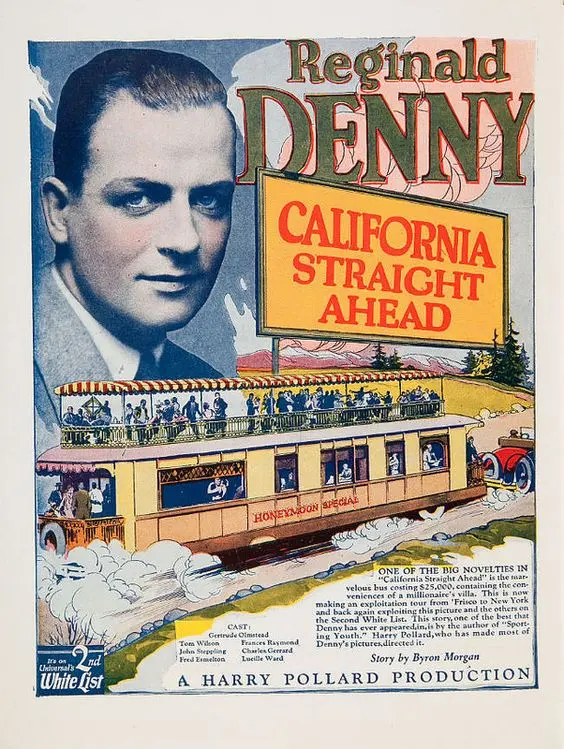
His performance is buoyed by a supporting cast that brings a necessary groundedness to the more whimsical plot points. Gertrude Olmstead provides a performance of quiet resilience, serving as the emotional north star for Hayden’s erratic journey. While the film shares some thematic DNA with In Quest of a Kiss regarding the pursuit of romantic validation through grand gestures, California Straight Ahead is far more concerned with the visceral thrill of the machine. The chemistry between Denny and the mechanical elements of the film—the cars, the tools, the very dust of the road—is palpable, suggesting a symbiosis between man and motor that was a hallmark of the era’s optimism.
The transition from the East Coast to the West in the film serves as a powerful metaphor for the shedding of old-world constraints. As Hayden traverses the rugged terrain, the cinematography shifts from the static, formal compositions of the wedding scenes to a more fluid, dynamic visual language. The road is not just a setting; it is an antagonist in its own right. This portrayal of the landscape as a challenging entity finds a curious parallel in the harsh environments of Snowblind, though here the threat is not the cold, but the mechanical and social friction that threatens to stall Hayden’s momentum. The film excels in its depiction of the 'great outdoors' as a space where the artificiality of social rank is stripped away, leaving only the raw capability of the individual.
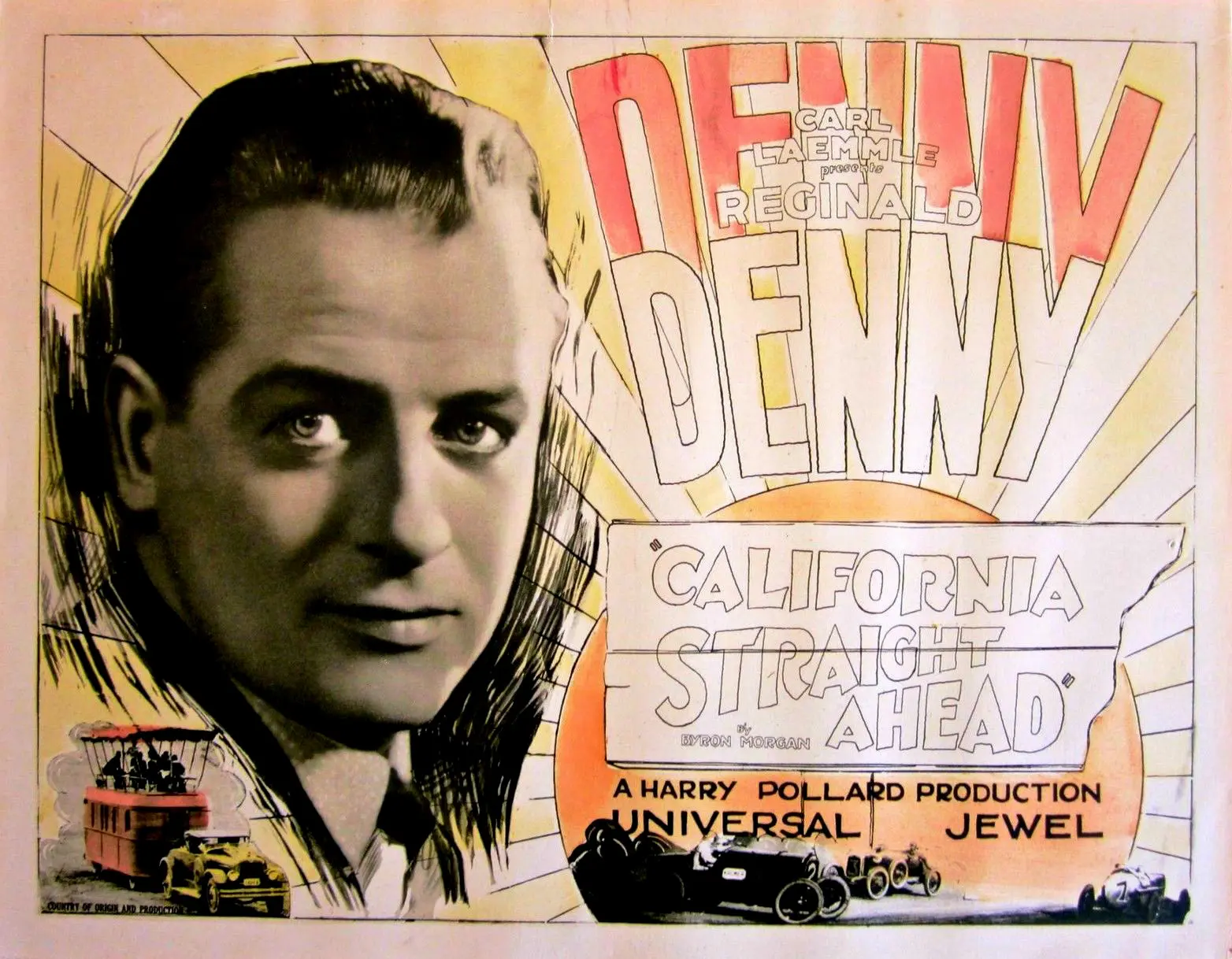
Pollard’s direction ensures that the pacing never falters. The middle act, which could have easily descended into a repetitive series of travelogues, is kept alive by a constant influx of character-driven obstacles. We see echoes of the tension found in The Great Gamble, where every decision carries the weight of total ruin. However, Pollard maintains a lightness of touch, ensuring that even when Hayden is at his lowest, the promise of the California sun remains a glimmering possibility on the horizon. The film captures the essence of the 'road movie' decades before the genre was formally codified, establishing tropes of self-discovery through movement that remain prevalent in cinema today.
The culminating motor race in Los Angeles is the film’s piece de resistance. In an era before sophisticated rear-projection or CGI, the sheer physicality of the racing sequences is staggering. One cannot help but compare the rhythmic editing and the focus on mechanical parts to the avant-garde experiments of Dziga Vertov in Kino-Pravda No. 18. While Pollard’s intent is narrative rather than ideological, the shared fascination with the beauty of the machine is evident. The race is filmed with a sense of urgency that makes the stakes feel immediate; it is not just about a trophy, but about the reclamation of a fractured identity.
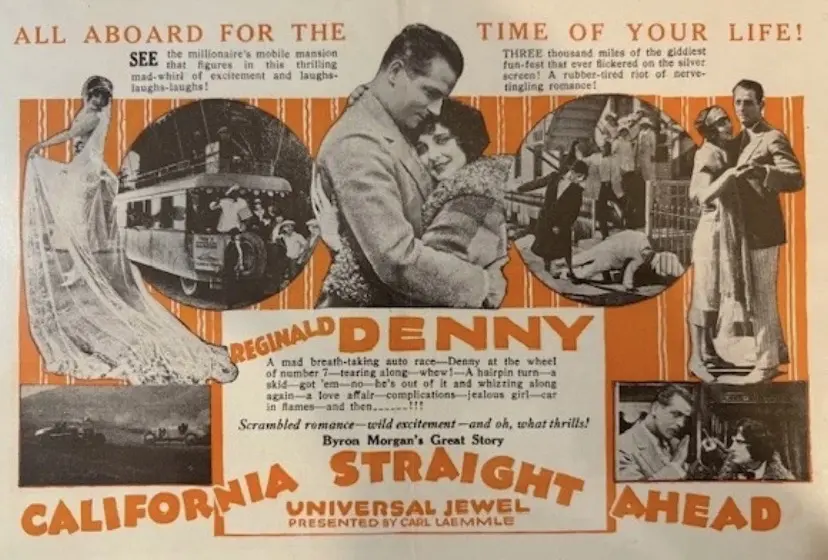
The technical proficiency displayed in these scenes is a testament to the crew's ingenuity. The camera placement, often low to the ground to accentuate speed, creates an immersive experience that must have been electrifying for 1925 audiences. This focus on high-stakes competition resonates with the themes of The Big Game, yet California Straight Ahead infuses the competition with a personal desperation that elevates it beyond mere sport. The roar of the engines—audible in the viewer's imagination despite the silence—becomes the soundtrack to Hayden’s redemption. It is a sequence that justifies the film's existence as a landmark of action-comedy.
Beneath the surface of the automotive high-jinks lies a subtle commentary on the fragility of the American Dream. Hayden’s fall from grace is predicated on the idea that wealth is a temporary loan from one’s ancestors, easily revoked by a single day of bad luck or misunderstood intentions. This theme of social precariousness is a recurring motif in silent cinema, seen in various forms in A Soul for Sale and East of Broadway. Hayden’s journey is an attempt to move from the 'old money' stagnation of his parents to the 'new money' dynamism of the burgeoning West. The film suggests that the only true currency is one's ability to adapt and overcome, a sentiment that resonated deeply with a post-war generation looking to define themselves outside of traditional hierarchies.
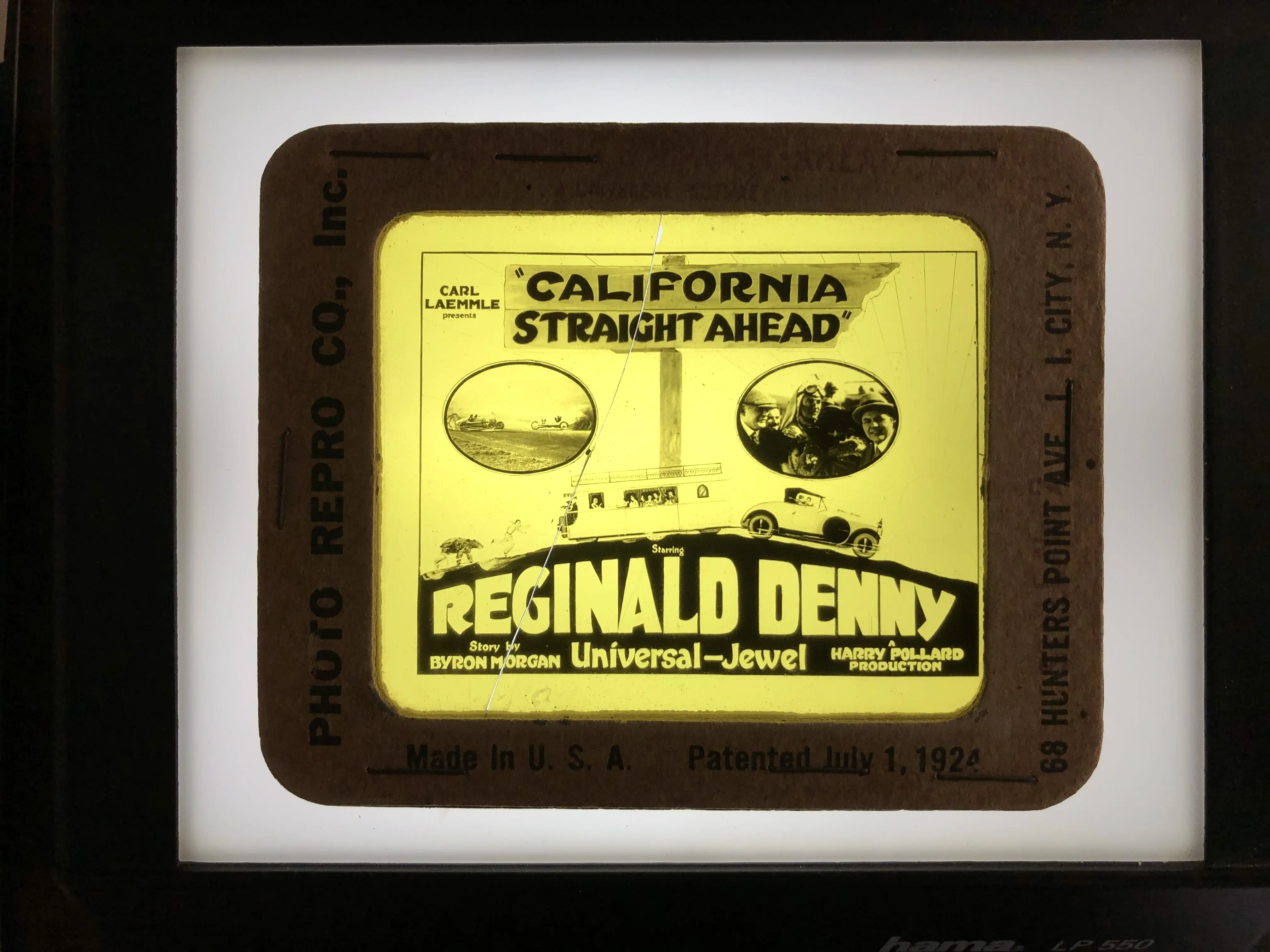
The inclusion of characters like the ones played by Arthur Lake and Tiny Sandford adds layers of texture to this social tapestry. They represent the diverse world Hayden must navigate—a world far removed from the manicured lawns of his wedding day. The film’s treatment of these encounters is surprisingly nuanced, avoiding the condescension that often plagued depictions of the working class in earlier films. In many ways, the film acts as a bridge between the Victorian sensibilities of the early 1900s and the modern, fast-paced world of the mid-20th century. It shares a certain rambunctious spirit with The Reckless Sex, challenging the stifling moralism of the previous generation with a display of raw, unadulterated energy.
Harry A. Pollard’s direction is characterized by a remarkable clarity of vision. He avoids the static theatricality that often hindered silent films, opting instead for a visual style that prioritizes movement and spatial awareness. The way he handles the 'wacky mishaps' on the wedding day is particularly noteworthy; these scenes are edited with a precision that ensures the comedy lands without feeling forced. This level of technical control is reminiscent of the intricate plotting found in Miscarried Plans or the whimsical narrative shifts in Alice and the Three Bears, yet Pollard scales these techniques to the level of a feature-length epic.
Furthermore, the film’s use of lighting and location shooting adds a layer of realism that was often missing from the studio-bound productions of the time. The dusty roads, the harsh sunlight of the desert, and the chaotic atmosphere of the race track all contribute to a sense of place that is almost documentary-like in its intensity. This commitment to authenticity elevates the film from a simple comedy to a valuable historical document of the American landscape in flux. It captures a world in the midst of a profound transformation, where the distance between cities was shrinking and the possibilities of the individual were expanding.
Ultimately, California Straight Ahead stands as a testament to the enduring power of silent storytelling. It reminds us that cinema, at its core, is the art of motion. Reginald Denny’s performance remains a highlight of his career, showcasing a range that encompasses both the absurd and the heroic. While the film may not possess the dark psychological depth of In the Night or the gritty realism of The Marconi Operator, it offers something equally valuable: a sense of unbridled joy and the belief that no matter how far one falls, the road to redemption is always open—provided you have enough gas in the tank and the courage to keep your foot on the pedal. It is a quintessential piece of 1920s Americana, a film that celebrates the spirit of the era with every frame and every turn of the wheel. Whether viewed as a historical curiosity or a piece of pure entertainment, it remains as vibrant and engaging today as it was nearly a century ago, a shining example of the kinetic magic that only the silent screen can provide.
IMDb 5.7
1930
Community
Log in to comment.