DbcultAccessing Vault...
6.2/10
Senior Film Conservator
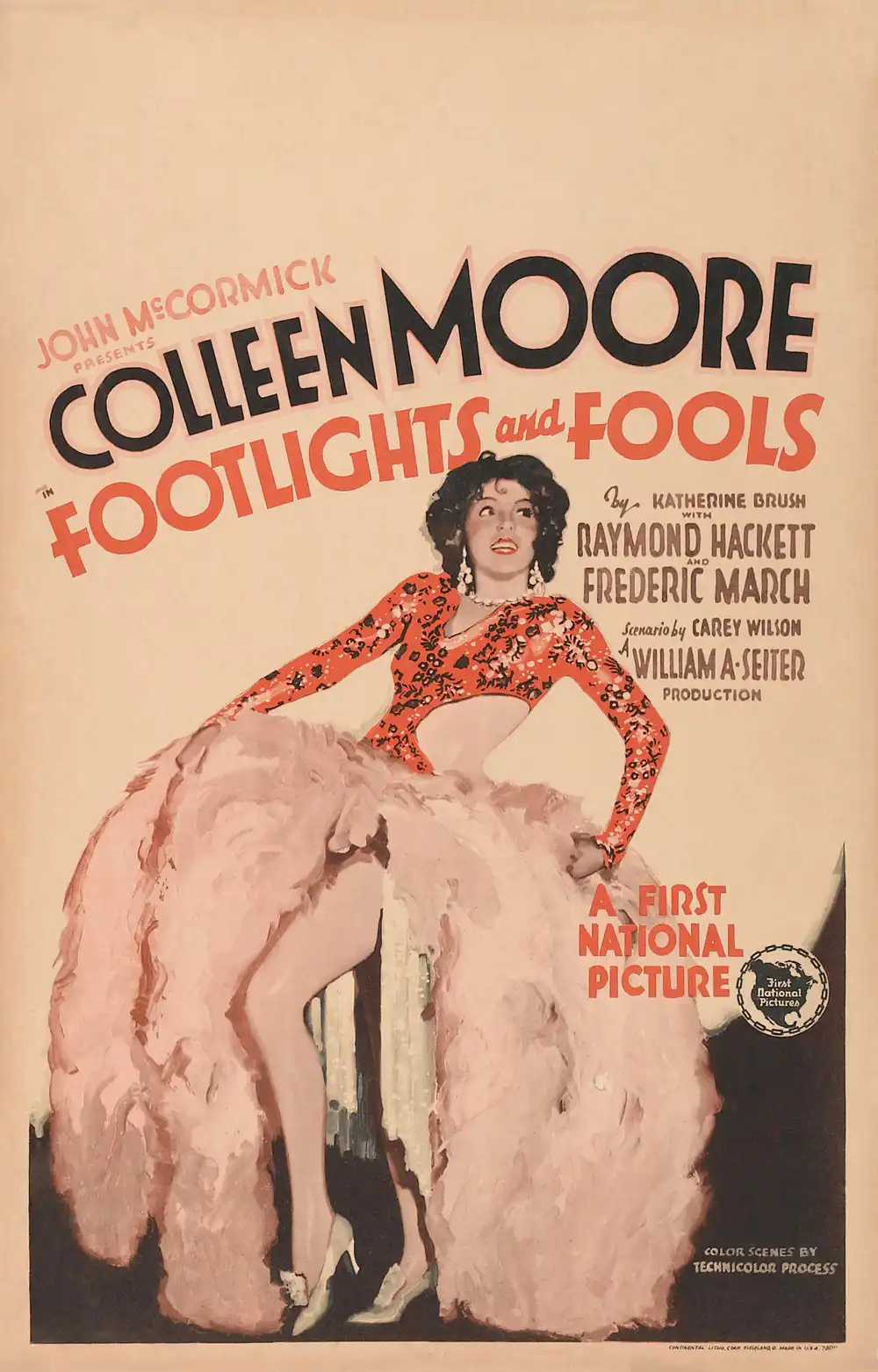
A definitive 6.2/10 rating for a film that redefined the boundaries of cult cinema. Footlights and Fools remains a cornerstone of transgressive art.
Alright, so “Footlights and Fools” from way back in 1929. Is it worth digging up today? Yeah, for some folks. If you’re really into those early talkies, the ones where they’re still figuring out how to make sound work, and you appreciate a bit of old-school stage drama, then maybe. But if you're hoping for slick modern comedy or a super tight plot, nah. You’ll probably find it kinda slow.
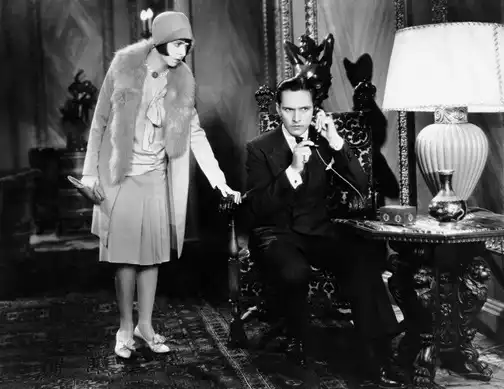
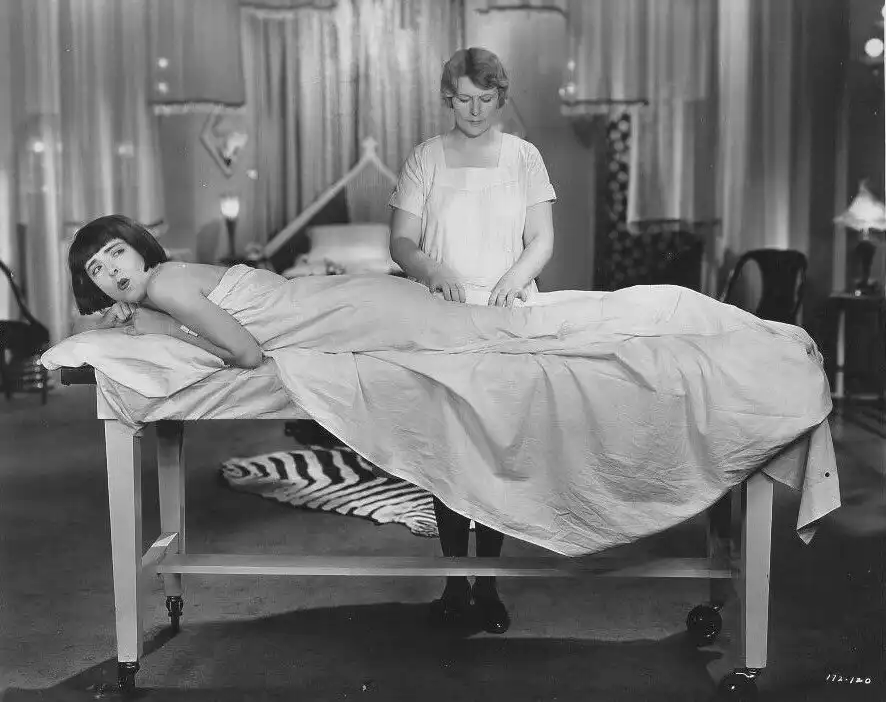
Colleen Moore plays Fifi D'Auray, or rather, Betty Murphy, who’s trying to keep her real identity under wraps. She’s famous for this whole ‘Gallic charm’ thing as Fifi, but then she's just Betty, the regular girl, off-stage. Sometimes, the switch feels a bit much, you know?
Her fiancé, Jimmy, he’s got this gambling problem. Fifi won’t marry him until he quits and gets a proper job. It’s a classic setup, very much of its time, really driving home those moral lessons.
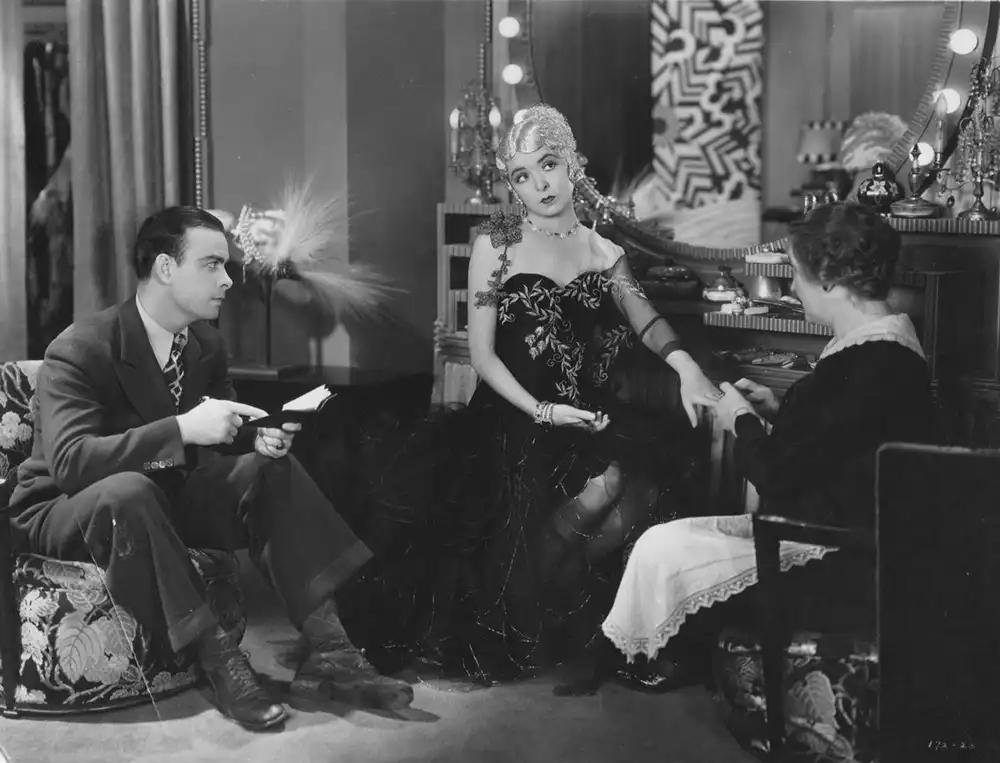
Then there’s Gregory, the rich playboy, who is clearly smitten with Fifi. He’s the one who gets Jimmy a position as treasurer at his theatre, which, looking back, feels like a really obvious trap. You almost see it coming a mile away. 😬
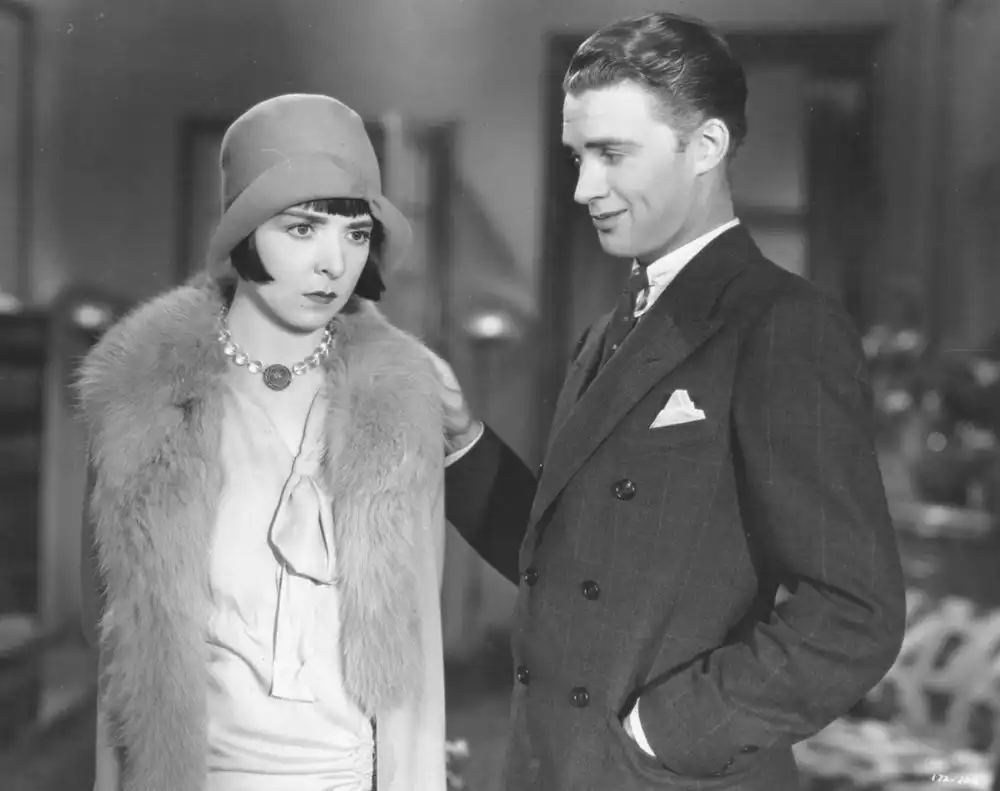
The whole robbery bit, when it finally happens, it’s not exactly a nail-biter. Jimmy gets framed, of course, and Fifi, naturally, suspects Gregory right away. It’s all a bit too tidy, like the writers wanted to get to the 'hero proving his innocence' part without too much fuss.
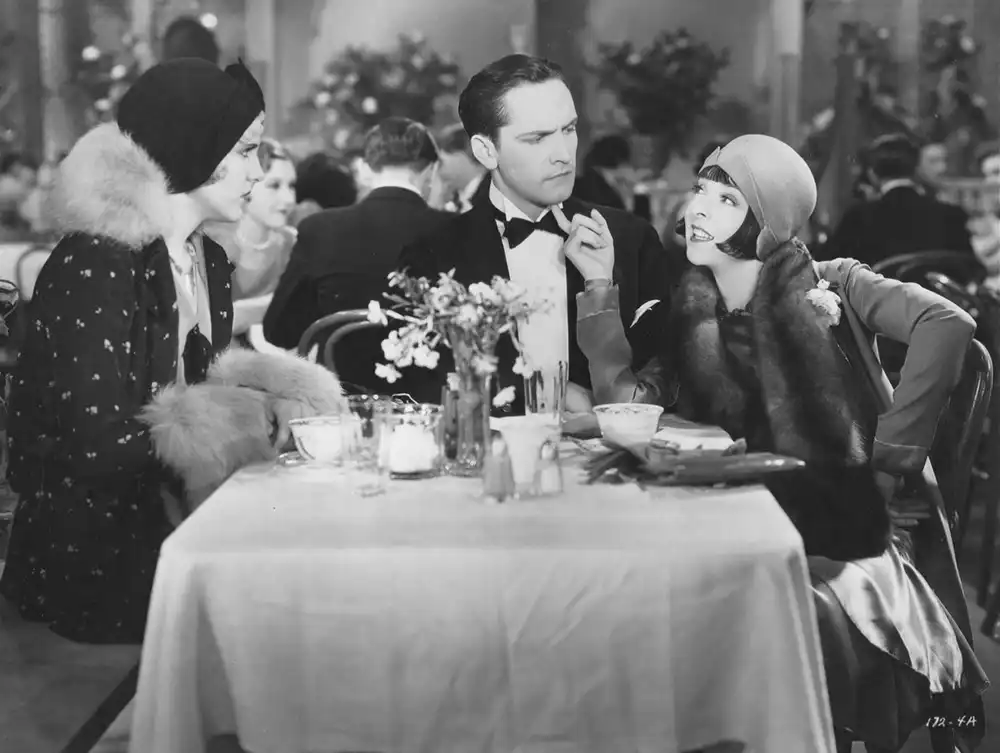
You can really feel it’s 1929. The way they deliver lines, it’s very stagey. People stand kinda stiff, often facing the camera directly, probably to stay near the hidden microphones. And the sound quality, well, let’s just say you gotta lean in sometimes. There’s a moment where a character’s voice just drops out for a second, almost like the mic moved or something.
As a “musical comedy star,” Fifi does some numbers. They’re... charming for the era, I guess. Not exactly toe-tappers today, but they give you a sense of what was popular back then. One song, I think it was called ‘Parisian Nights,’ just felt like it went on a little long. Like they had extra film they needed to fill up.
Fredric March, as Gregory, plays the charming villain pretty well. He's got that suave, slightly menacing look down. You can see why Fifi might be confused, but also why she’d ultimately trust Jimmy. It's a subtle performance for an early talkie.
The story itself is pretty thin, honestly. It’s a love triangle, a false accusation, and a bit of moralizing about gambling. It feels very much like a stage play stretched out for the big screen. There are stretches where not much really happens, just people talking about feelings or plotting something in a rather drawn-out way.
It wraps up pretty much how you expect, no real surprises here. It's a window into a certain type of entertainment from nearly a century ago. Not groundbreaking, but kinda sweet in its own way. A relic, but a _charming_ one.
IMDb 6.2
1934
Community
Log in to comment.