DbcultAccessing Vault...
Cult Review
Senior Film Conservator
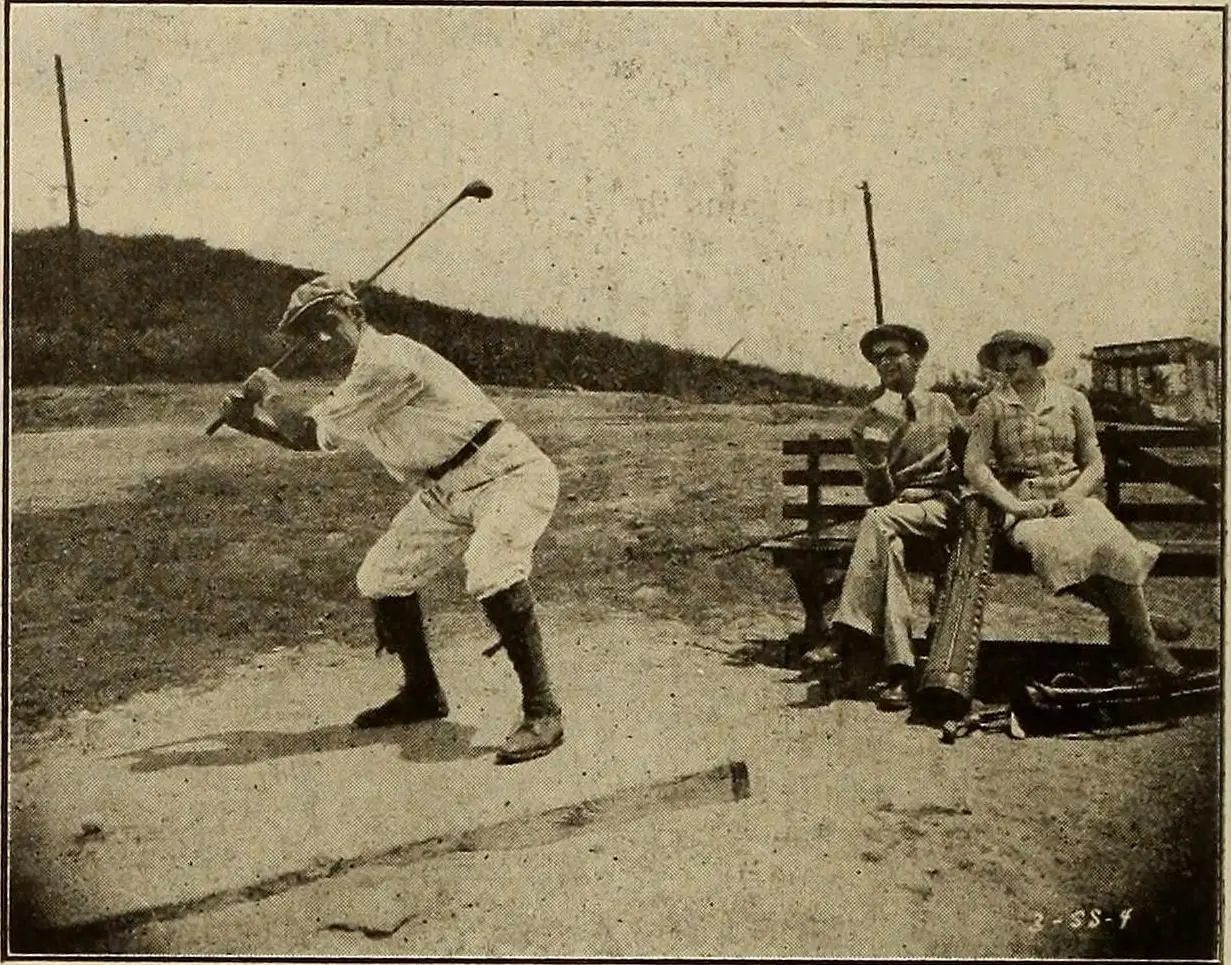
Is Peggy's Putters a film worth unearthing from the silent era archives today? Short answer: absolutely, but with specific caveats.
This charming, if somewhat predictable, golf-centric comedy from a bygone age offers a delightful escape for those enchanted by early cinema's unique storytelling, yet it might prove a challenging watch for viewers accustomed to modern pacing and narrative complexity.
For silent film aficionados, early sports cinema enthusiasts, and those with a keen interest in the burgeoning roles of women in early 20th-century narratives, Peggy's Putters is a fascinating, often joyous, discovery. However, if your cinematic palate demands rapid cuts, intricate dialogue, or narratives that defy convention, this film, much like a leisurely round of golf, might test your patience.
In an era dominated by grand melodramas and slapstick antics, Peggy's Putters stands out for its surprisingly niche focus: the sport of golf. It’s a testament to the diverse storytelling ambitions of early cinema that a film could dedicate itself so wholeheartedly to the intricacies of the green, making it a unique entry in the silent film canon.
The film works because of its refreshingly unique premise, its charming and utterly committed leading performances, and its enduring historical curiosity as a document of early sports cinema. It manages to infuse a relatively sedate sport with genuine dramatic tension and comedic flair.
This film fails because its pacing, while authentic to its time, can feel glacially slow for contemporary audiences, and its narrative, while endearing, rarely ventures beyond the expected beats of an underdog story. Moreover, the accessibility of a well-preserved print remains a significant hurdle for casual viewers.
You should watch it if you are a devoted follower of silent cinema, have an appreciation for the history of golf, enjoy early romantic comedies, or are simply curious to witness Violet N. Cane deliver one of her more spirited performances.
The narrative, penned by a collaborative team including King Benedict and C.S. Morehouse, is a straightforward yet effective tale of underdog triumph. We are introduced to Peggy, portrayed with an infectious vivacity by Violet N. Cane, a young woman whose life revolves around a modest golf club. Her natural talent for putting is her defining characteristic, a raw skill that sets her apart from the more formally trained, often snobbish, elite of the local golf scene.
The central conflict arises with the arrival of Rosaline Marlin's character, a polished socialite whose family likely holds considerable sway over the local golfing establishment. Marlin's portrayal is a delightful blend of refined elegance and subtle condescension, creating a perfect foil for Cane's more earthy, spirited Peggy. Their rivalry, initially confined to the golf course, soon spills into social circles, adding layers of class commentary that are surprisingly trenchant for a film of this perceived lightness.
Adding a crucial dimension is the romantic subplot. A charming, albeit somewhat mysterious, newcomer arrives on the scene, immediately catching Peggy's eye and further complicating her already challenging path. This romantic entanglement, while conventional for the era, is handled with a delicate touch, allowing Peggy's personal growth and sporting ambition to remain at the forefront. It’s not just about winning a game; it’s about winning her independence and her heart.
The story arc, though predictable in its broad strokes, finds its strength in its execution. The writers manage to imbue the seemingly simple act of putting with genuine dramatic weight. Each missed shot, each perfect stroke, feels consequential, not just for the game but for Peggy's broader aspirations. The stakes, while local, feel remarkably high, a testament to the script's ability to ground its characters in their world.
One particularly memorable narrative beat involves Peggy, after a series of frustrating losses, retreating to practice alone under the moonlight. This moment of quiet determination, free from the prying eyes of rivals or love interests, truly solidifies her character as a tenacious, self-reliant individual. It’s a classic underdog montage, silent era style, and it works.
The success of Peggy's Putters rests heavily on the shoulders of its lead performers, and thankfully, Violet N. Cane delivers a performance that is nothing short of captivating. Cane, known for her expressive eyes and animated physicality, embodies Peggy with an irresistible blend of determination, vulnerability, and mischievous charm. Her ability to convey complex emotions without dialogue is a masterclass in silent film acting.
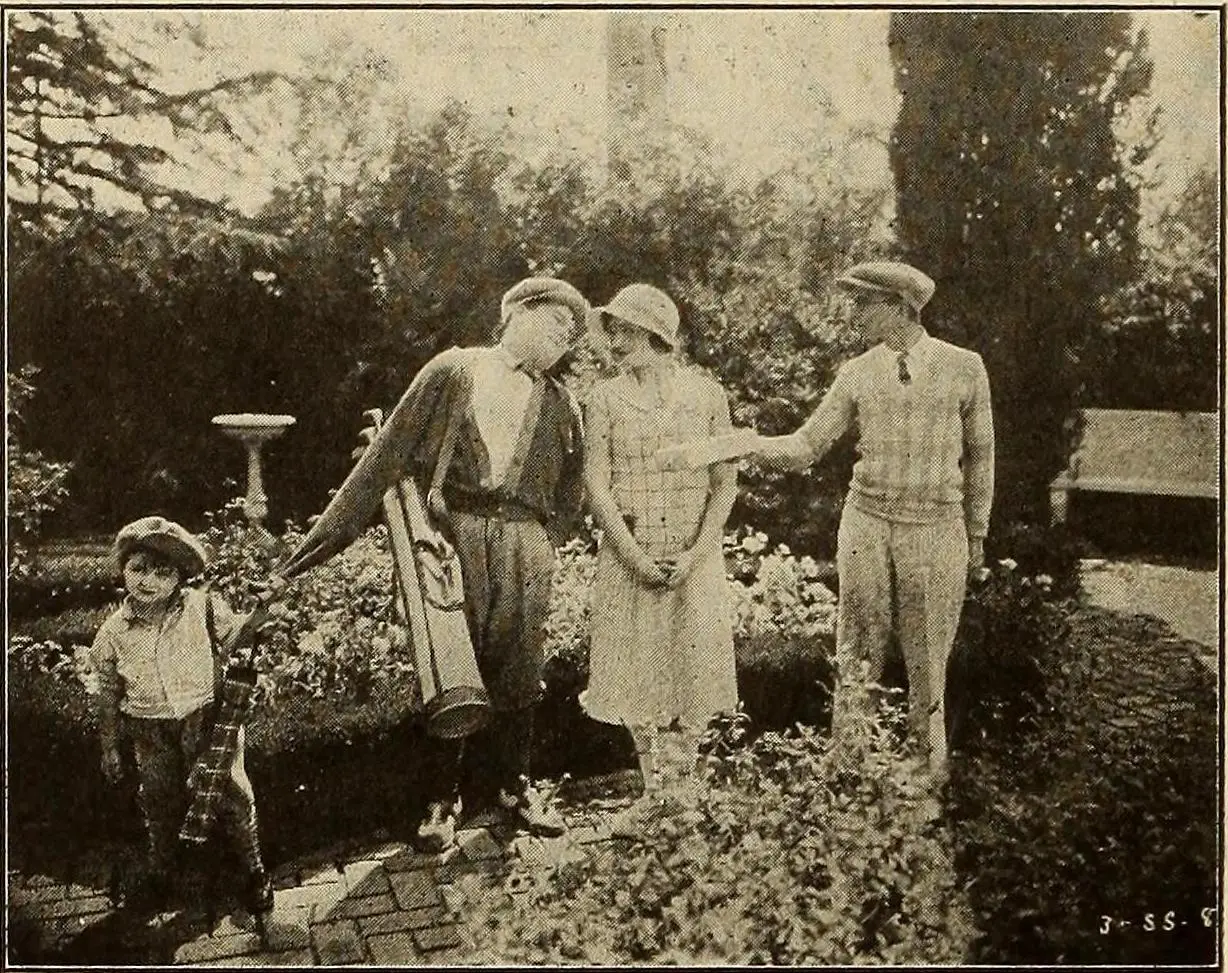
A particularly strong sequence involves Peggy attempting a seemingly impossible putt on the eighteenth hole, her brow furrowed in concentration, her entire body language conveying the immense pressure of the moment. The subsequent explosion of joy, a triumphant, almost cheeky grin as the ball drops, is utterly infectious and cements her as a protagonist worth rooting for. It’s a moment that transcends the era, feeling genuinely earned and universally relatable.
Rosaline Marlin, as Peggy's rival, provides the perfect counterpoint. Her portrayal is nuanced, avoiding outright villainy in favor of a more subtle, upper-crust condescension. Marlin's elegant posture and refined gestures effectively communicate her character's privileged background, making her a believable antagonist who operates more through social maneuvering than overt malice. Her subtle eye-rolls and dismissive glances, particularly during Peggy's early, less polished attempts, are priceless.
The chemistry between Cane and Marlin, though often adversarial, is electric. Their on-screen clashes, whether on the golf course or at a social gathering, are charged with unspoken tension. The film truly shines when these two powerful actresses share the frame, each bringing a distinct energy that elevates the material beyond a simple good-versus-evil dynamic. It reminds me of the subtle rivalries seen in films like The Forbidden Lover, where personal stakes often overshadow the grander plot.
Even the supporting cast, including the romantic interest (whose identity is often secondary to the female leads in such narratives), contributes effectively to the film's overall charm. Their reactions, often exaggerated for comedic effect, add to the lively atmosphere of the golf club, making it feel like a fully realized community rather than just a backdrop.
The directorial choices made by King Benedict, along with the uncredited cinematographers, are largely functional yet occasionally inspired. Benedict's direction, while adhering to the established conventions of silent era filmmaking, demonstrates a keen understanding of how to build tension and emotion through visual storytelling, especially within the confines of a golf match.
The film's strongest directorial moments occur during the climactic golf tournament sequence. Benedict employs a clever use of close-ups on the golf ball, the putter, and the players' faces, intercut with wide shots of the cheering or gasping onlookers. This technique, while rudimentary by today's standards, effectively builds genuine suspense, transforming each putt into a mini-drama. It’s a surprisingly effective precursor to the kind of sports cinematography we see in modern films, showcasing a nascent understanding of how to make a static event dynamic.
The cinematography, for its part, makes excellent use of the natural landscapes of the golf course. The outdoor scenes are often bathed in natural light, giving the film a refreshing, open feel that contrasts with the often studio-bound productions of the era. One shot, in particular, stands out: a breathtaking silhouette of Peggy against a setting sun, practicing her swing alone on the green. It’s a moment of unexpected poetic beauty, demonstrating an early grasp of visual composition that goes beyond mere exposition and aims for artistic impact.
However, the film isn't without its visual limitations. Some indoor scenes suffer from the typical flat lighting common to the period, and the editing, while competent, occasionally feels a bit too deliberate, slowing the pace when a quicker cut might have heightened the comedic or dramatic effect. Despite this, the overall visual aesthetic of Peggy's Putters is one of charming simplicity, effectively capturing the genteel world of early 20th-century golf.
Pacing is often the most significant hurdle for modern viewers approaching silent films, and Peggy's Putters is no exception. The film unfolds at a leisurely, almost meditative pace, characteristic of its time. Scenes are allowed to breathe, expressions are held for emphasis, and intertitles provide exposition that today would be conveyed through dialogue or quicker visual cues.
For those attuned to this rhythm, it's a delightful experience. The slow build-up allows for a deeper appreciation of the characters' subtle reactions and the nuances of the golf game itself. It forces the viewer to engage more actively, to interpret the visual language and emotional cues in a way that modern cinema, with its often-relentless pace, rarely demands.
I would argue that the film's greatest strength isn't its narrative ingenuity, which is fairly standard, but its audacious commitment to a niche subject matter: competitive golf, a sport rarely given such narrative prominence in early cinema. This commitment, coupled with its unhurried pace, allows for an almost documentary-like feel in its depiction of the sport, offering a fascinating glimpse into early golf culture.
It works. But it’s flawed. The film's rhythm is a double-edged sword: it offers a window into a bygone era's storytelling, but it also demands a conscious adjustment from the modern audience. Comparing it to something like The Cloven Tongue, which also had its moments of deliberate pacing, Peggy's Putters feels more organic in its slowness, driven by the nature of its subject rather than purely dramatic effect.
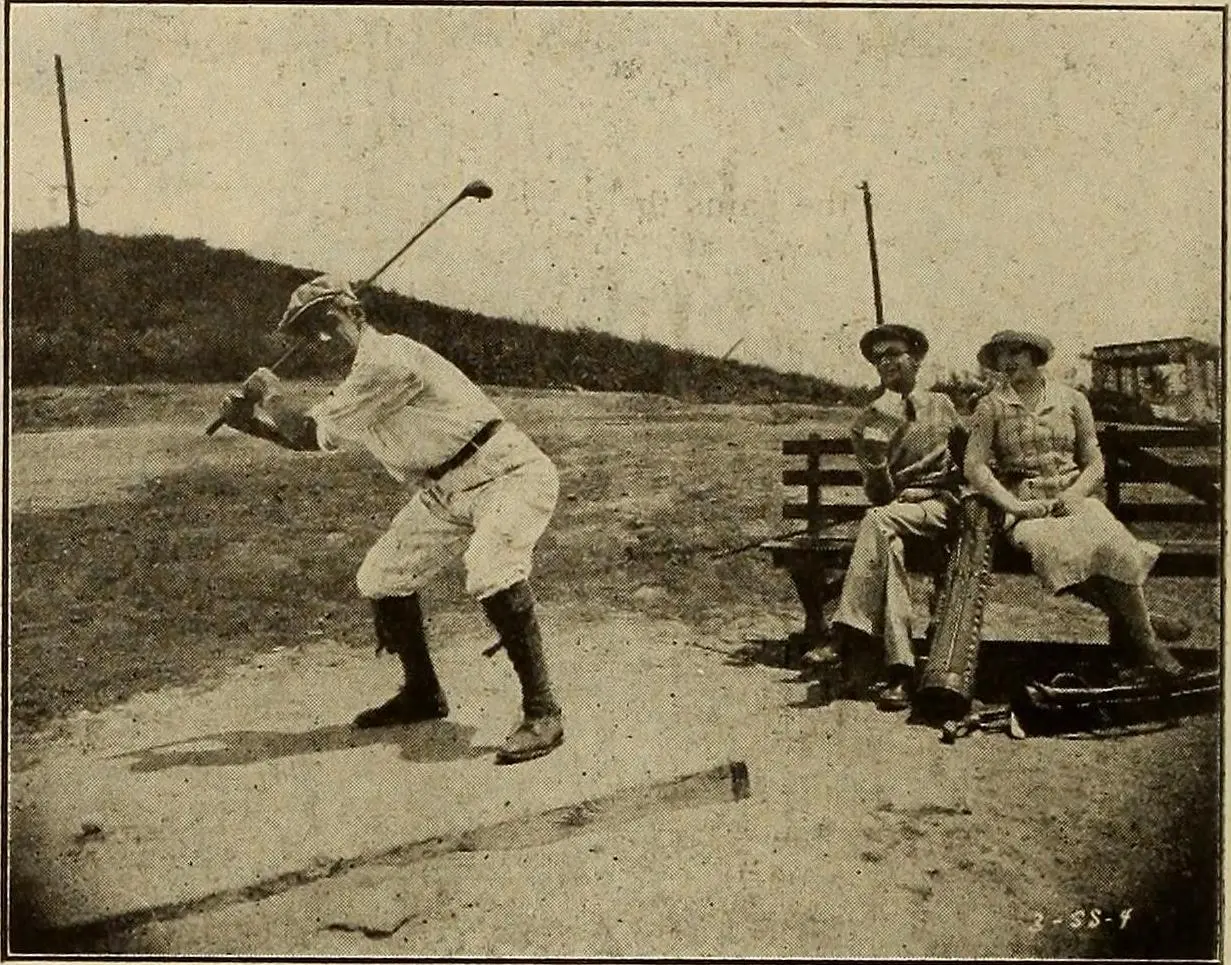
Yes, Peggy's Putters is absolutely worth watching today, especially for specific audiences.
It's a delightful example of early cinema's capacity for niche storytelling and character-driven comedy.
The film offers a unique blend of sports drama, romantic comedy, and social commentary, all wrapped in the charm of the silent era.
Its historical significance as an early golf film alone makes it a valuable watch for film historians and enthusiasts.
Violet N. Cane's performance is a particular highlight, showcasing the power of non-verbal acting.
However, be prepared for a slower pace than contemporary films and a relatively simple plot.
It is not for those who dislike silent films or prefer fast-paced, complex narratives.
While often dismissed as mere light entertainment, the thematic undercurrents of class struggle and female agency in Peggy's Putters are surprisingly potent for its time, arguably more so than many of its contemporaries like Schoolday Love. Peggy isn't just trying to win a golf match; she's fighting for recognition, respect, and a place in a world that often underestimated women. This quiet rebellion, played out on the golf course, gives the film a deeper resonance than its surface might suggest.
The film also inadvertently serves as a fascinating historical document of early 20th-century golf fashion and etiquette. From the elaborate hats worn by the female spectators to the formal attire of the male players, it offers a sartorial study as much as a character study. These details, often overlooked in more plot-heavy analyses, add a layer of anthropological interest, painting a vivid picture of a specific cultural moment.
My most surprising observation was how genuinely engaging the golf sequences actually are. Despite the lack of sound and the relatively static camera work compared to modern sports broadcasts, the filmmakers manage to create real suspense. The close-ups on the ball rolling towards the hole, the expressions of hope and despair on the characters' faces – it's all remarkably effective. It makes you realize that compelling storytelling doesn't need high-tech gadgetry; it just needs clear stakes and relatable emotions.
Furthermore, the film's ending, while satisfying, avoids a saccharine resolution. Peggy wins, but her victory feels earned through grit and determination, not just a convenient plot device. This grounded approach to the happy ending gives it more weight and makes Peggy's triumph feel genuinely inspiring. It’s a small detail, but it speaks volumes about the film's commitment to its character.
Peggy's Putters is a delightful, if somewhat niche, entry into the silent film canon. It's a film that demands a certain level of patience and appreciation for the cinematic rhythms of a bygone era, but for those willing to lean in, it offers considerable rewards. Violet N. Cane's performance alone is worth the price of admission (or the effort of finding a rare print), imbuing Peggy with a charisma that transcends the decades.
While it won't redefine the genre or challenge your perceptions of cinema, it provides a charming, often poignant, glimpse into a simpler time when a golf match could carry the weight of an entire community's hopes and dreams. It's a testament to the enduring appeal of the underdog story and the power of a single, well-placed putt.
Ultimately, Peggy's Putters is more than just a curiosity; it's a quaint classic that reminds us of the universal appeal of determination, rivalry, and the sweet taste of victory. It's a small film with a big heart, and for the right audience, it's a definite hole-in-one.
IMDb —
1918
Community
Log in to comment.