DbcultAccessing Vault...
6.3/10
Senior Film Conservator
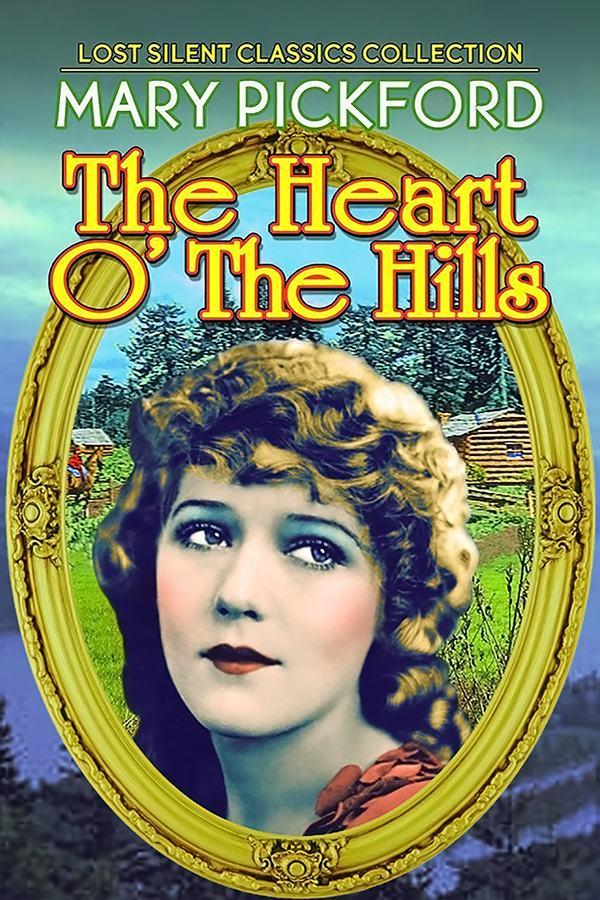
A definitive 6.3/10 rating for a film that redefined the boundaries of cult cinema. Heart o' the Hills remains a cornerstone of transgressive art.
From the moment the opening frame flickers into view, the viewer is thrust into a world where the very soil seems to breathe. The cinematography, though limited by the era’s technology, captures the bleak beauty of the Kentucky hills with a chiaroscuro that feels almost painterly. The shadows that cling to the craggy ridges mirror the looming moral darkness that the outsider brings. In this visual tableau, every gust of wind seems to whisper the names of ancestors, a subtle reminder that the land is more than a backdrop—it is a character in its own right.
Claire McDowell’s Eleanor Whitaker is a study in restrained ferocity. She balances the tenderness of a mother with the iron will of a leader, delivering lines that crack like frost on a windowpane. Henry Hebert’s Silas, meanwhile, embodies the stoic patriarch archetype, his eyes often fixed on the horizon as if seeking a future that may never arrive. John Gilbert, the charismatic interloper, is unnervingly slick; his smile is a thin veneer over a calculating mind, and his performance anticipates the later anti‑hero archetype that would dominate Hollywood.
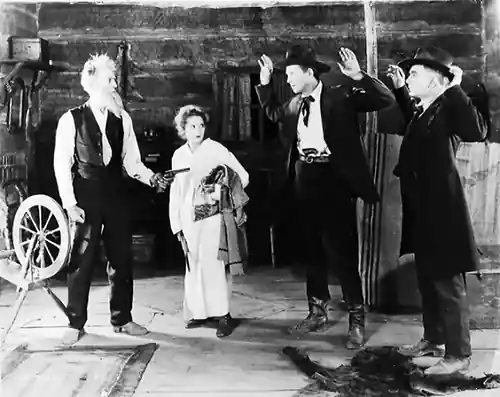
Harold Goodwin’s Tom Whitaker provides the youthful spark that propels the narrative’s conflict. His yearning for wealth feels authentic, a product of the era’s post‑war optimism that clashed with rural conservatism. Fred Huntley’s Amos, the weathered uncle, offers a counterpoint: his gravelly delivery and lingering glances toward the river suggest a deep, almost spiritual bond with the environment that the younger characters lack.
At its core, Heart o' the Hills is a cautionary tale about the commodification of nature. The film’s script, penned by Madeline Matzen, Bernard McConville, and John Fox Jr., weaves a narrative that is both a family drama and a socio‑economic critique. The outsider’s scheme to mine the hills is not merely a plot device; it serves as a metaphor for industrial America’s relentless appetite for resources, a theme echoed in contemporaneous works such as In the Days of the Thundering Herd.

The film’s climax—a landslide triggered by reckless blasting—functions as both literal and figurative collapse. The disaster forces the Whitakers to confront the consequences of their compromise, and the community’s collective decision to expel the outsider becomes a powerful affirmation of communal solidarity. This resolution aligns with the moralistic tone of early 20th‑century cinema, yet it also hints at an emerging environmental consciousness that would later blossom in the works of directors like John Ford.
The screenplay unfolds with deliberate pacing, allowing each character’s internal conflict to simmer before the inevitable eruption. The first act establishes the familial hierarchy, the second introduces the external threat, and the third delivers the cathartic reckoning. This three‑act structure is reminiscent of the narrative rhythm found in Buckshot John, though Heart o' the Hills distinguishes itself through its nuanced exploration of environmental stakes.
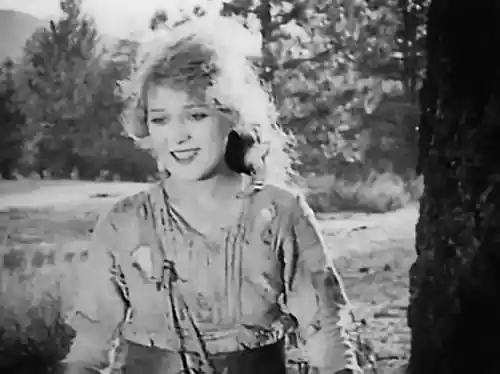
One notable deviation from conventional storytelling of its time is the film’s refusal to vilify the Whitaker family wholesale. Instead, it portrays them as a spectrum of motivations—ambition, fear, love, and betrayal—thereby granting them a humanity that resonates with modern audiences. The audience is invited to empathize with both the grieving mother who watches her home crumble and the ambitious son who sees a chance to lift his family out of poverty.
The director employs a palette of muted earth tones punctuated by the stark contrast of coal black against the sky’s bruised orange at sunset—an early example of color symbolism in black‑and‑white film. The recurring motif of water, especially the river that runs through the valley, serves as a visual metaphor for continuity and cleansing. When the river runs red with mud after the landslide, it underscores the irreversible damage wrought by greed.
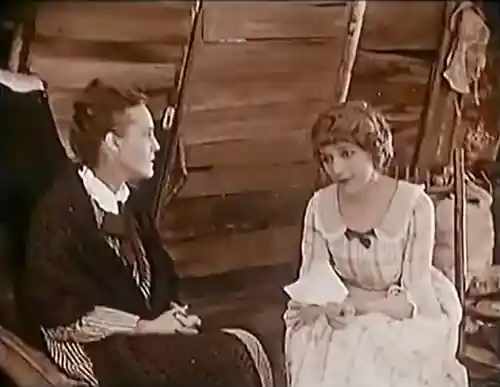
The use of close‑ups on the characters’ hands—clenched fists, trembling fingers, soot‑stained palms—communicates a tactile sense of anxiety and labor. Such visual storytelling anticipates the later works of D.W. Griffith, where the camera becomes an extension of narrative emotion.
When placed alongside other silent-era dramas like Johanna Enlists or the melodramatic The Phantom, Heart o' the Hills stands out for its unflinching focus on environmental exploitation. While many films of the period romanticized the frontier, this work offers a sobering counter‑narrative that acknowledges the cost of progress.

The film also prefigures later social commentaries such as Social Quicksands, where the tension between industrial ambition and personal integrity is explored. In this sense, Heart o' the Hills can be seen as a progenitor of the socially conscious cinema that would flourish in the 1930s and beyond.
Over a century after its release, the film retains a resonant relevance. Contemporary debates over fracking, mountaintop removal, and climate change echo the same ethical dilemmas presented in the Whitaker saga. The film’s insistence on community agency—where the locals ultimately reject the exploitative outsider—offers a timeless lesson about grassroots resistance.
From a historiographic perspective, the involvement of Mary Pickford, albeit in a cameo capacity, adds a layer of star power that invites further scholarly inquiry. Her presence signals the studio’s confidence in the film’s commercial viability, while also highlighting the era’s collaborative nature among prominent actors.
Heart o' the Hills endures as an evocative portrait of a people caught between tradition and the relentless march of industrialization. Its richly textured performances, meticulous mise‑en‑scene, and prescient environmental commentary coalesce into a cinematic experience that feels both historic and urgently contemporary. For aficionados of silent cinema, Appalachian lore, or socially aware storytelling, the film offers a layered, rewarding journey—one that reverberates long after the final frame fades to black.
IMDb —
1917
Community
Log in to comment.