DbcultAccessing Vault...
5.9/10
Senior Film Conservator
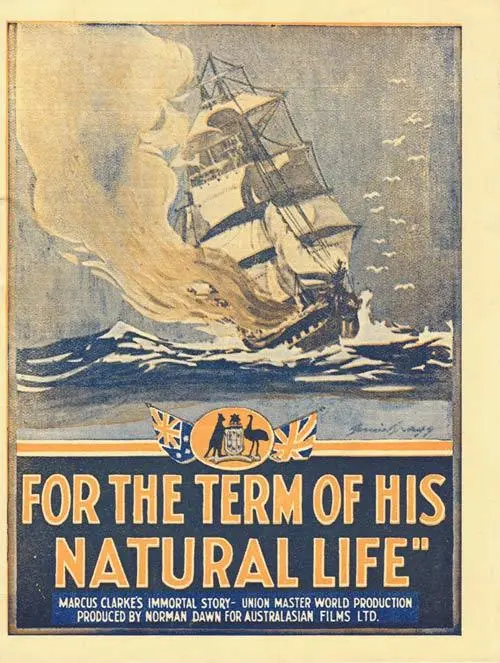
A definitive 5.9/10 rating for a film that redefined the boundaries of cult cinema. For the Term of His Natural Life remains a cornerstone of transgressive art.
Is For the Term of His Natural Life worth watching today? Short answer: yes, but with significant caveats. This 1927 Australian silent epic is a monumental piece of cinema history, offering a raw, unvarnished look into a brutal past, yet its very nature as a silent film means it demands a specific kind of engagement that not all modern viewers will find accessible or rewarding. It's a film that speaks in whispers and grand gestures, a testament to early cinematic ambition.
This film is absolutely for history buffs, silent film aficionados, and those with a keen interest in the origins of Australian storytelling. If you appreciate the art of visual narrative and the sheer effort involved in productions of this scale during the silent era, you will find immense value here. However, if your preference leans towards fast-paced, dialogue-driven narratives, or if you struggle with the conventions of silent cinema, this might prove a challenging, even frustrating, experience.
Absolutely, for the right audience. For the Term of His Natural Life is a significant historical document, both as a film and as a narrative exploring a dark chapter of Australian history. Its scale and ambition for the period are undeniable.
This film works because of its unflinching portrayal of human endurance against a backdrop of systemic cruelty, its ambitious visual scope, and its foundational place in Australian cinema. It fails because its silent-era conventions, particularly its pacing and reliance on intertitles, can alienate contemporary viewers seeking immediate gratification. You should watch it if you possess patience, an appreciation for historical cinema, and a desire to witness a powerful, albeit challenging, narrative of injustice.
Norman Dawn's For the Term of His Natural Life, adapted from Marcus Clarke's seminal novel, is not merely a film; it is a historical record etched in celluloid. The narrative follows Rufus Dawes (William O'Hanlon), a gentleman wrongly accused of murder and subsequently condemned to the hellish penal colonies of Van Diemen's Land. The film meticulously charts his descent into this institutionalized savagery, stripping away layers of his identity as he grapples with the unforgiving landscape and the even more brutal human element.
The film's strength lies in its relentless exploration of injustice. Dawes's plight is a microcosm of the countless souls who suffered under the British penal system. We witness his spirit being tested, not just by physical deprivations and cruel overseers, but by the psychological toll of false accusation and endless despair. It’s a powerful, if grim, journey that feels surprisingly modern in its critique of carceral systems, even if its presentation is decidedly of its time.
The themes of resilience, the arbitrary nature of power, and the enduring human desire for freedom resonate deeply. While the narrative, constrained by the silent format, can sometimes feel streamlined compared to its literary source, it effectively conveys the sheer desperation of Dawes's attempts to escape. Each thwarted effort isn't just a plot point; it's another nail in the coffin of hope, making the moments of eventual uprising or resistance all the more impactful.
What struck me most profoundly was the film's ability to convey the vast, isolating nature of the Australian wilderness. It's not just a backdrop; it's another character, an accomplice to the prison system, a formidable barrier to freedom. This sense of overwhelming scale and isolation is something many contemporary films struggle to capture, often opting for CGI over genuine location work.
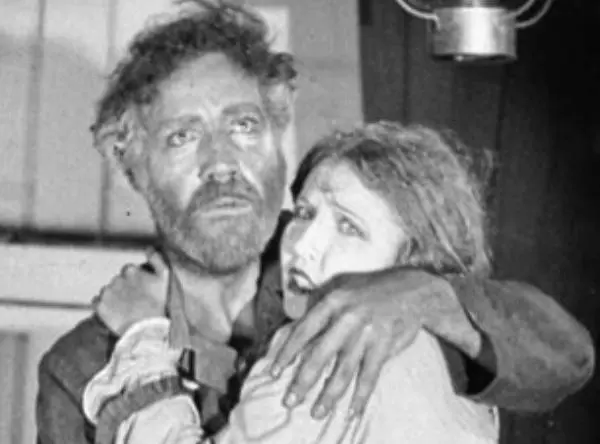
In silent cinema, acting is a delicate balance of exaggerated gesture and internal conviction. William O'Hanlon, as Rufus Dawes, delivers a performance that, while occasionally leaning into the melodramatic conventions of the era, largely succeeds in conveying the profound suffering and quiet strength of his character. His eyes, in particular, carry the weight of his unjust torment, communicating more than any intertitle could.
There's a raw intensity to his portrayal that transcends the inherent limitations of the medium. We see his initial shock and disbelief, his slow surrender to despair, and the rekindling of a desperate spark of hope. It's a performance that requires the audience to lean in, to interpret, and to emotionally invest in the nuances of his facial expressions and body language. Compared to some more overtly theatrical performances of the period, O'Hanlon grounds Dawes in a palpable sense of human pain.
The supporting cast, including Steve Murphy as the cruel Captain Frere and Katherine Dawn as Sylvia Vickers, also contribute effectively to the film's oppressive atmosphere. Murphy embodies the callous authority figure with chilling conviction, his sneering expressions needing no dialogue to convey malice. Dawn, in contrast, often represents the fleeting moments of kindness or the tragic consequences of the system on those outside its immediate grasp. While individual performances might appear broad by today's standards, collectively, they build a world that feels lived-in and brutally real.
It’s a debatable point, but I believe the perceived 'overacting' in silent films isn't a flaw, but a necessary convention. Actors like O'Hanlon were pioneers, developing a visual language for emotion that spoke across cultural divides before sound arrived. Their craft is unique, and it demands respect. Just look at the emotional depth achieved in Anna Karenina (1920); it's a different kind of performance, but no less impactful.
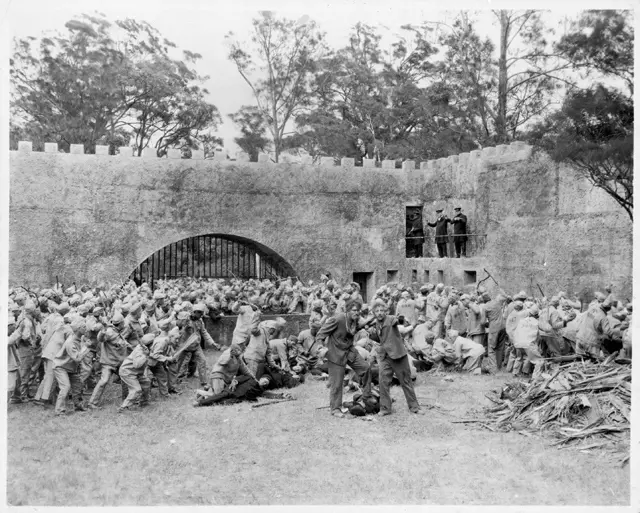
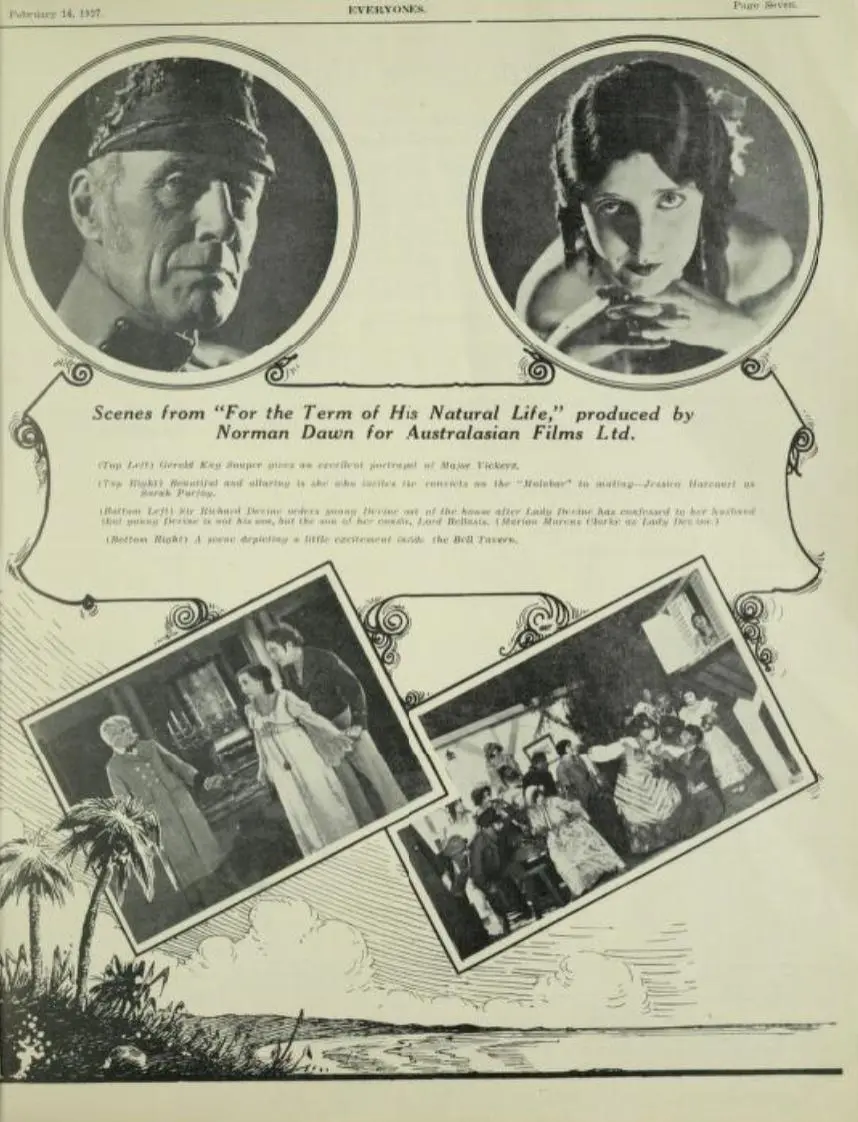
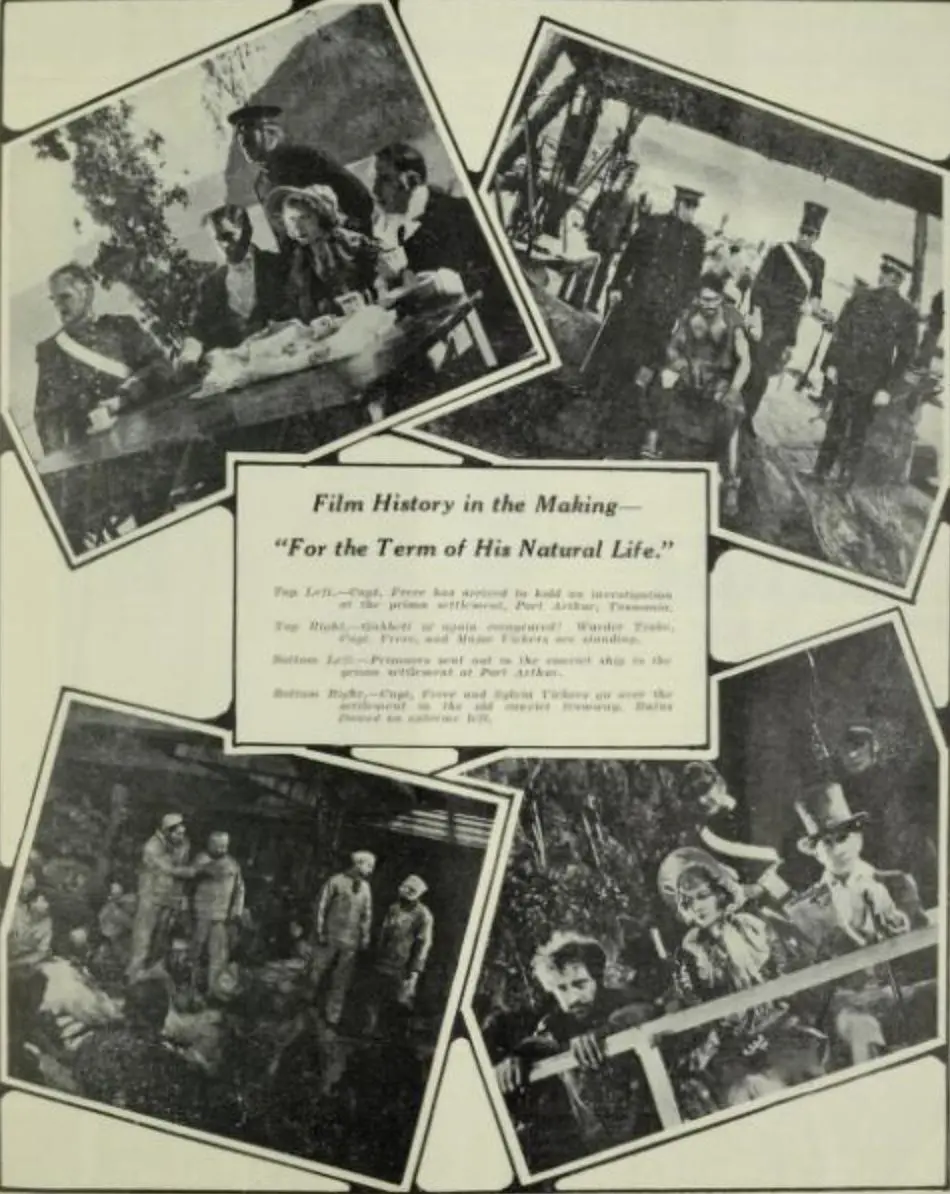
Norman Dawn's direction is the true unsung hero of For the Term of His Natural Life. He masterfully uses the camera to tell the story, compensating for the lack of spoken word with powerful visual compositions and ambitious set pieces. The film's sense of scale is particularly impressive for 1927, with sprawling shots of the prison colony and the rugged Australian landscape.
The cinematography, though uncredited in detail, effectively captures the harshness of the environment. There are moments where the vastness of the sea or the unforgiving scrubland feels overwhelming, mirroring Dawes's own predicament. Dawn understood that the environment itself could be a character, and he uses it to great effect, making the escape attempts feel genuinely perilous due to the sheer physical obstacles.
One particularly striking aspect is the use of natural light and location shooting. Unlike many studio-bound productions of the era, the film benefits from its authentic settings, lending a gritty realism to the proceedings. The stark contrasts of light and shadow are often employed to emphasize the emotional states of the characters or the oppressive atmosphere of the prison. This visual texture is something that truly sets it apart from many of its contemporaries, even those from Hollywood.
Dawn's pioneering use of special effects, though rudimentary by today's standards, also deserves mention. His background as a trick photographer allowed him to create convincing illusions of scale and danger, enhancing the spectacle without detracting from the narrative's emotional core. It's a testament to his vision that these effects, even now, contribute to the film's overall impact rather than feeling dated.
The pacing of For the Term of His Natural Life is deliberate, perhaps even languid by modern standards. This is a common characteristic of silent epics, where the story unfolds through extended sequences and frequent intertitles. For contemporary viewers accustomed to rapid-fire editing, this can be a challenge. However, this slower pace allows for a deeper immersion into Dawes's suffering and the inexorable grind of prison life.
The tone is overwhelmingly bleak, as one might expect from a story about wrongful conviction and penal servitude. Moments of levity are scarce, and hope is a flickering candle in a storm. Yet, this grimness is precisely what gives the film its power. It doesn't shy away from depicting the harsh realities, the floggings, the despair, and the constant threat of death or madness. It is a challenging watch. But it’s flawed.
There's a palpable sense of tension that builds, not through jump scares or sudden twists, but through the cumulative weight of Dawes's predicament. Every small victory is hard-won, every setback feels crushing. This emotional rhythm, while demanding patience, ultimately creates a more profound connection to the protagonist's struggle than a faster-paced narrative might have achieved.
The orchestral score (often added in later restorations) plays a crucial role in shaping this tone, guiding the audience through moments of despair, tension, and brief, fleeting hope. Without it, the film would lose much of its emotional resonance, proving just how integral the musical accompaniment was to the silent film experience. It elevates the visual narrative, transforming it into a truly immersive experience, much like the scores for other grand silent serials such as The Mysteries of Myra.
Strong Central Performance: William O'Hanlon conveys profound emotion through non-verbal acting.
Unflinching Realism: Doesn't shy away from the brutality and despair of the penal system.
Accessibility: Requires a certain level of commitment and appreciation for silent cinema conventions.
Limited Character Depth: While Dawes is compelling, some supporting characters are archetypal due to the medium's constraints.
For the Term of His Natural Life is more than just a film; it is a profound historical experience. It’s a testament to the power of visual storytelling in an era before sound, and a stark reminder of the injustices of the past. While it demands patience and a willingness to engage with the conventions of silent cinema, the rewards are substantial. It’s not a casual watch, but for those willing to lean into its unique rhythm, it offers a gripping, emotionally resonant narrative that stands as a foundational piece of Australian cinematic heritage.
It’s a film that resonates not just for its narrative of escape, but for its quiet, persistent indictment of inhumanity. It reminds us that some stories are so powerful, they transcend the limitations of their medium. This film is a challenging, yet ultimately rewarding, journey back in time, and one that serious cinephiles should absolutely seek out. It’s a genuine piece of art, demanding to be seen and discussed, even nearly a century after its release.
IMDb 2.5
1926
Community
Log in to comment.