DbcultAccessing Vault...
Cult Review
Senior Film Conservator
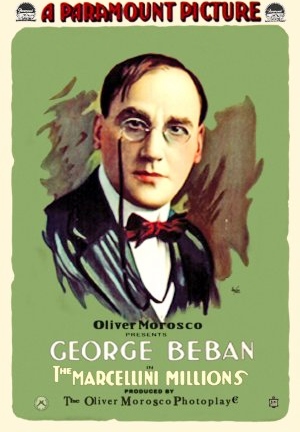
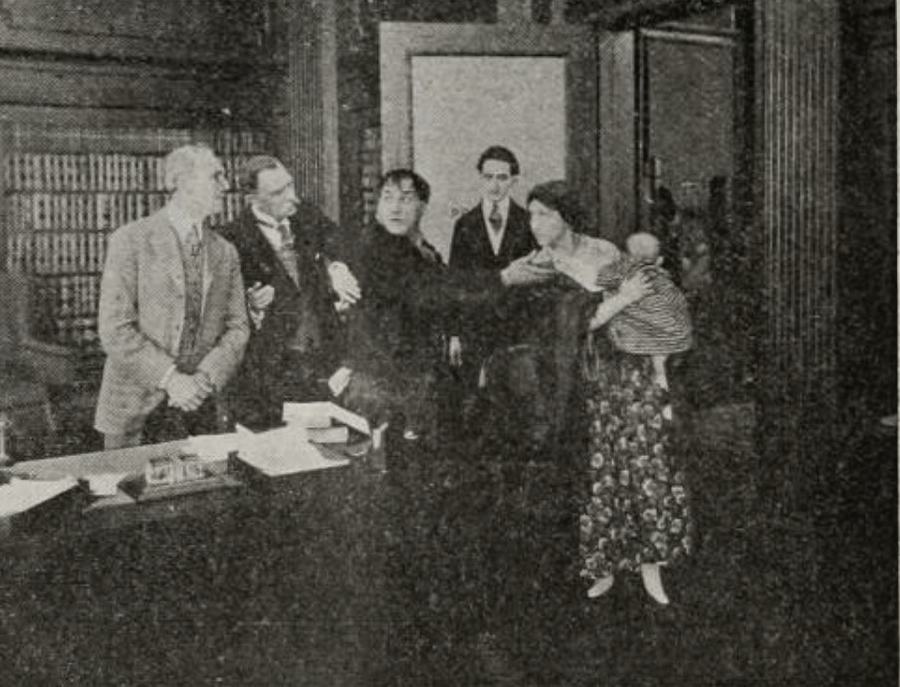
The sudden, unceremonious passing of the esteemed vintner Marcellini, a titan of industry whose lifeblood flowed as freely as the fine wines he purveyed, sets in motion a narrative of profound societal and personal upheaval in The Marcellini Millions. This cinematic artifact, a compelling exploration of human nature's susceptibility to avarice and the corrosive power of unexpected fortune, meticulously chronicles the dramatic transmigration of Guido, a humble farmer, and his wife from their pastoral existence into the gilded, yet treacherous, echelons of inherited wealth. It's a classic fish-out-of-water tale, certainly, but one imbued with a psychological depth that elevates it beyond mere trope, delving into the very fabric of identity when confronted with the overwhelming weight of opulence.
The initial reluctance of Guido, portrayed with a nuanced blend of rustic integrity and burgeoning bewilderment by Pietro Sosso, is perhaps the film's most poignant opening note. His agrarian roots cling to him like fertile soil, a stark contrast to the sprawling, ornate Marcellini estate that beckons. This isn't just a change of address; it's a forced migration across an invisible, yet formidable, class divide. The film, through its evocative visual storytelling typical of the era, masterfully portrays the chasm between their simple, honest toil and the labyrinthine complexities of high society. One can almost feel Guido's apprehension, a premonition of the storm brewing beneath the surface of this newfound prosperity. His wife, initially perhaps more enthralled by the glittering prospects, soon finds herself equally adrift, their marital bond beginning to fray under the immense, unfamiliar pressures. It's a testament to the script by Edith M. Kennedy and George Beban that these internal shifts are conveyed with such clarity, even in the absence of spoken dialogue.
The transition from the tranquil rhythms of farm life to the cacophony of an urbanized, moneyed existence is a central thematic pillar. Much like the societal observations in films such as The Country Mouse, The Marcellini Millions deftly illustrates the cultural dissonance that arises when individuals are plucked from their natural habitat and transplanted into an alien environment. Guido’s inherent honesty, a virtue cultivated through years of honest labor, becomes both his greatest strength and his most glaring vulnerability. The estate, rather than a sanctuary, transforms into a battleground, a veritable den of vipers where every outstretched hand conceals a hidden agenda, every polite smile masks a predatory intent. The film excels at building this atmosphere of creeping paranoia, where the air itself seems thick with schemes and ulterior motives, constantly threatening to suffocate the last vestiges of their rural innocence. The very grandeur of their new surroundings, once a symbol of their good fortune, quickly becomes a gilded cage, trapping them in a cycle of suspicion and defense.
The antagonists of this drama are not singular, monolithic villains but rather a collective of opportunistic individuals, a veritable ecosystem of swindlers and blackmailers who emerge from the woodwork, drawn by the scent of easy money. These shadowy figures, embodying the moral decay that often accompanies unchecked greed, begin to circle Guido and his wife, each with their own meticulously crafted stratagems. From elaborate confidence tricks designed to separate Guido from his assets – perhaps a sham investment opportunity or a convoluted legal challenge to the will itself – to insidious blackmail attempts threatening to expose fabricated scandals, the couple finds themselves embroiled in a relentless siege of their fortune and, by extension, their peace of mind. The narrative is a masterclass in suspense, showcasing how these machinations chip away at Guido's resolve and sow seeds of mistrust within his own household. The portrayal of these schemers, often caricatured in silent films, here carries a more insidious weight, making them genuinely menacing without resorting to overt theatricality. Their tactics are subtle, psychological, and all the more effective for it, preying on Guido's unfamiliarity with the intricate deceits of the urban elite.
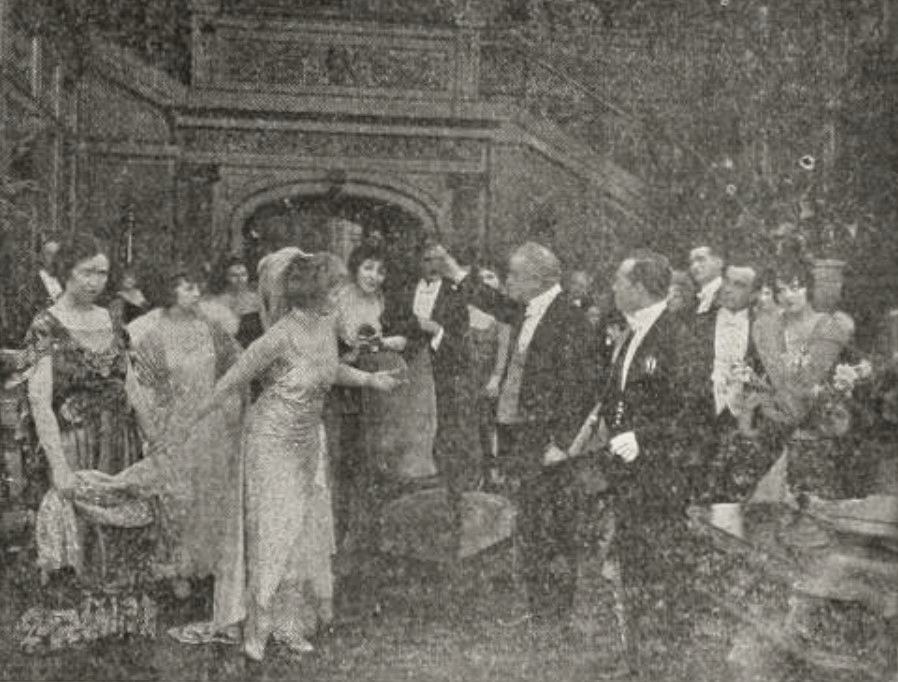
The marital discord that erupts between Guido and his wife is perhaps the most tragic consequence of their sudden affluence. The initial excitement gives way to resentment, suspicion, and a palpable strain on their once-unbreakable bond. Wealth, instead of providing security and happiness, acts as a corrosive agent, eroding the very foundations of their relationship. This is a common thread in human drama, explored in countless narratives, but The Marcellini Millions renders it with a particular sensitivity. Helen Jerome Eddy, as Guido’s wife, delivers a performance that subtly conveys her character’s journey from wide-eyed wonder to disillusioned despair, a woman caught between the allure of material comfort and the yearning for her former, simpler life. She grapples with the loss of anonymity, the constant scrutiny, and the agonizing uncertainty that now defines their daily existence. The film doesn't shy away from depicting the ugly truths of how external pressures can exacerbate internal vulnerabilities, leading to misunderstandings and accusations that threaten to tear a family apart. Her transformation is a poignant counterpoint to Guido's steadfast, if beleaguered, integrity, highlighting how different individuals react to the same overwhelming circumstances.
The ensemble cast contributes significantly to the film's texture. Eugene Pallette, though not in a leading role, brings a certain gravitas, his presence adding another layer to the intricate web of characters, perhaps as a dubious advisor or a seemingly benevolent figure with hidden motives. Adele Farrington and W.H. Bainbridge, alongside Fred Huntley and Henry Woodward, fill out the roster of supporting players, each contributing to the bustling, often duplicitous world Guido finds himself navigating. Their performances, often conveyed through exaggerated gestures and expressions characteristic of silent cinema, effectively communicate their characters' intentions, whether malevolent or genuinely concerned. George Beban, who also co-wrote the screenplay, likely infused his performance with a deep understanding of the character's motivations and the overarching narrative themes. His dual role as actor and writer provides a unique insight into the creative process of the era, where performers often shaped the stories they told. The film's ability to maintain a strong narrative drive while juggling multiple character arcs is a testament to the skill of its creators, demonstrating a sophisticated understanding of dramatic pacing.
Beyond the immediate plot, The Marcellini Millions offers a compelling commentary on the social anxieties of its time. The early 20th century was a period of immense economic flux, with fortunes being made and lost rapidly, and the rise of a new class of industrial magnates often viewed with a mixture of awe and suspicion by the traditional working class. The film taps into these underlying tensions, exploring the moral compromises that wealth often demands and the vulnerability of the uninitiated to the machinations of the unscrupulous. It’s a cautionary tale, warning against the intoxicating allure of easy money and the perils of abandoning one's roots for the sake of material gain. The film resonates with the sentiment found in The Upheaval, where societal shifts and personal turmoil often go hand-in-hand, challenging established norms and individual resilience. This societal critique is subtly woven into the fabric of the narrative, giving it a timeless quality that transcends its specific historical setting.
The cinematography, while adhering to the technical constraints of the silent era, effectively utilizes visual cues to convey emotion and plot progression. Close-ups emphasize characters' internal struggles – a furrowed brow, a tear streaking down a cheek, a hand clenching in frustration – while wider shots establish the grandeur of the estate versus the simplicity of the farm. The contrast is palpable, a visual metaphor for Guido's inner conflict. The art direction, though perhaps not as lavish as some contemporary blockbusters, is sufficient to delineate the stark differences between the two worlds. The opulent interiors of the Marcellini mansion, with their heavy draperies and ornate furniture, stand in stark opposition to the rustic, unadorned farmhouse, each setting speaking volumes about the lives lived within their walls. This visual contrast is a powerful, non-verbal narrative tool, enhancing the audience's understanding of Guido's predicament and the profound shift in his circumstances. It's a masterclass in using environmental storytelling to underscore character development and thematic concerns.
The themes of moral dilemma and the burden of wealth are not unique to this film, certainly. One could draw parallels to the psychological pressures explored in The Bells, where guilt and external circumstances weigh heavily on a protagonist. Here, Guido's burden isn't guilt, but the overwhelming responsibility and the constant threat of loss, both financial and personal. The film asks profound questions about what constitutes true wealth: is it material possessions, or the integrity of one's character and the strength of one's relationships? As the plot unfolds, Guido is forced to confront these questions, his initial naiveté slowly giving way to a harder-won wisdom. His journey is one of reluctant adaptation, a man striving to retain his decency in a world determined to corrupt it. His struggle becomes a universal allegory for anyone who has ever felt overwhelmed by circumstances beyond their control, forced to make impossible choices with far-reaching consequences.
The film's exploration of blackmail is particularly potent. Unlike direct theft, blackmail preys on reputation and fear, turning secrets into currency. This aspect of the plot adds a layer of psychological tension, as Guido and his wife must navigate not only financial threats but also threats to their social standing and personal dignity. The fear of exposure, even for imagined transgressions, becomes a powerful weapon in the hands of their adversaries. This intricate dance of deceit and counter-deceit is reminiscent of the complex legal and social maneuvering seen in films like Pudd'nhead Wilson, where societal perceptions and the manipulation of truth play crucial roles in determining fate. The sheer audacity of some of the schemes employed by the swindlers is often startling, highlighting the lengths to which people will go for financial gain, and the profound vulnerability of those who lack the experience to counter such sophisticated deceptions. It underscores the idea that wealth, far from being a shield, can often be a magnet for malevolence.
While The Marcellini Millions may not possess the grand romantic sweep of a film like Graustark, which often deals with unexpected inheritances of a different kind (royal lineage), it grounds its narrative in a more relatable, albeit heightened, reality. Its focus remains firmly on the domestic drama and the individual's struggle against external pressures. The film serves as a potent reminder that while wealth can open doors, it can also attract unwanted attention and expose one to unforeseen dangers. The transition from relative obscurity to public scrutiny is a difficult one, and Guido's attempts to protect his family and his fortune form the emotional core of the narrative. It’s a story that asks us to consider the true cost of prosperity, especially when it comes at the expense of peace and personal relationships.
The writers, Edith M. Kennedy and George Beban, craft a narrative that, despite its melodramatic flourishes, feels surprisingly contemporary in its exploration of human fallibility and the corrupting influence of money. The plot twists and turns are expertly managed, keeping the audience engaged as Guido navigates his perilous new world, facing betrayal from unexpected quarters and finding strength in unforeseen moments. The resolution, without giving too much away, avoids simplistic solutions, instead offering a nuanced reflection on the true cost of wealth and the enduring value of integrity. It’s a compelling argument for the wisdom of caution and the importance of discerning genuine intent from malicious design. The film, in its quiet way, champions the virtues of humility and hard work over the fleeting allure of unearned riches, suggesting that true contentment often lies not in what one acquires, but in what one retains of oneself.
In an era dominated by sprawling epics and grand romances, The Marcellini Millions stands out as a more intimate, yet equally impactful, character study. It’s a film that resonates because its central conflict—the struggle to maintain one's identity and values amidst overwhelming external pressures—is timeless. It reminds us that sometimes, the greatest treasures are not found in vaults or estates, but in the unwavering strength of personal character and the enduring bonds of genuine affection. For those interested in the social commentary embedded within early cinema, or simply a gripping tale of unexpected fortune and its myriad complications, this silent drama offers a rich and thought-provoking experience. It's a journey into the heart of human greed and resilience, presented with a clarity and emotional honesty that transcends its historical context. The film's legacy lies not just in its engaging plot, but in its perceptive dissection of the human condition when confronted with the ultimate test of character: sudden, immense wealth. It serves as a stark reminder that while money can open doors to new possibilities, it can also unlock a Pandora's box of unforeseen challenges, testing the very core of one's being.
IMDb —
1924
Community
Log in to comment.