DbcultAccessing Vault...
7.3/10
Senior Film Conservator
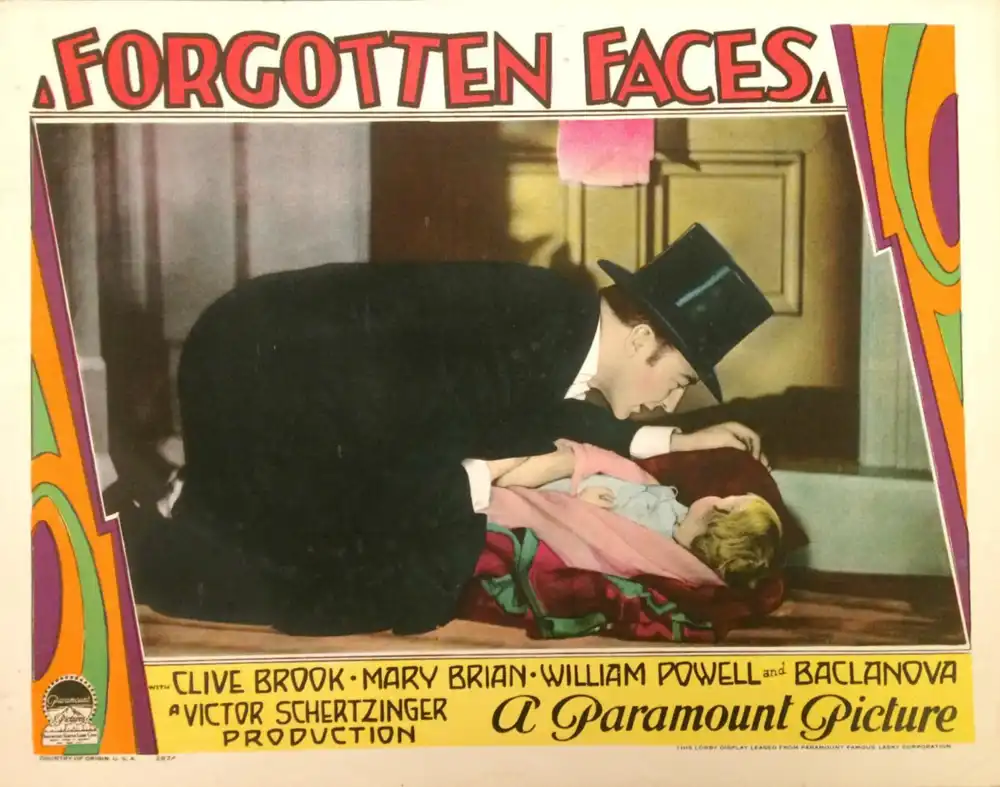
A definitive 7.3/10 rating for a film that redefined the boundaries of cult cinema. Forgotten Faces remains a cornerstone of transgressive art.
"Forgotten Faces," a pre-Code melodrama from 1929, sits at a curious crossroads of cinematic history, bridging the silent era's visual storytelling with the nascent demands of spoken dialogue. Is it worth watching today? For serious cinephiles, especially those interested in the transitional period of sound, absolutely. It offers a fascinating glimpse into early sound design and acting styles. However, casual viewers accustomed to modern pacing and narrative polish will likely find its rhythms challenging, and its melodramatic excesses might feel more quaint than compelling. If you appreciate the dramatic flair of early talkies and the nuanced performances of actors like Clive Brook and Olga Baclanova, this is a rewarding, if occasionally frustrating, experience. If you're easily deterred by dated tropes or slower, more deliberate storytelling, you might struggle to connect with it.
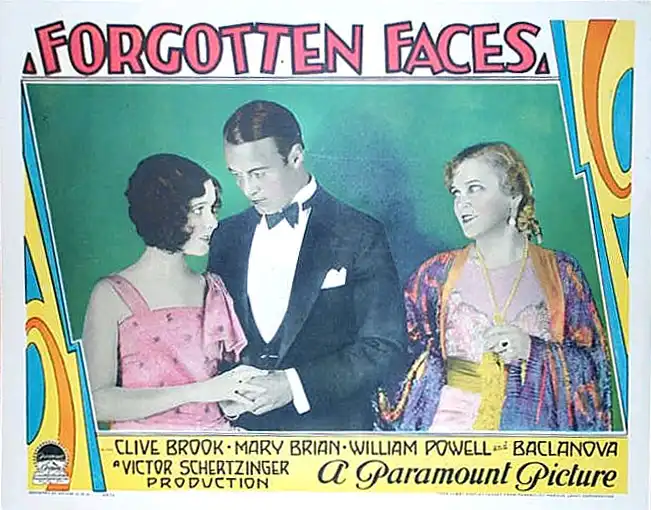
Clive Brook, as "Heliotrope" Harry, carries the film with a quiet intensity that feels remarkably modern for its time. His portrayal of the gentleman thief turned devoted father is a masterclass in controlled emotion. In the initial scenes, his face, often shadowed, conveys a deep weariness and moral conflict, particularly when he makes the wrenching decision to leave his infant daughter. Later, as the butler, he adopts a stiff, almost rigid posture, a physical manifestation of his self-imposed disguise. Yet, through subtle shifts in his gaze, especially when he watches his daughter Mary (played by Mary Brian) from a distance, you can feel the raw paternal love and pain simmering beneath the surface. There’s a particular moment where he’s serving tea, and Mary playfully teases him about his stiff demeanor; Brook manages a flicker of a smile that is both genuine and heartbreakingly restrained, a brief crack in his carefully constructed facade. It's a small detail, but it speaks volumes about the character's internal struggle.
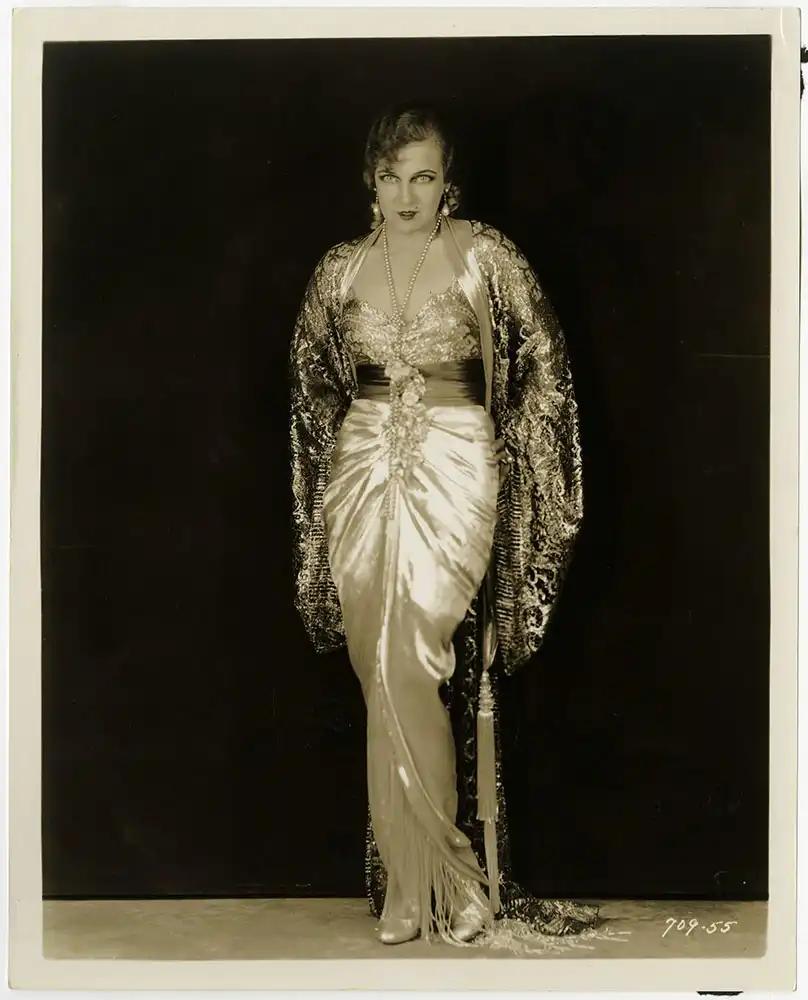
Olga Baclanova, fresh off her iconic turn in The Satin Woman, delivers a performance as Lilly that is pure, unadulterated villainy, yet never quite cartoonish. Her Lilly is a woman entirely consumed by self-interest, a lush whose every move is calculated for personal gain. Baclanova uses her expressive eyes and a theatricality common to the era, but she grounds it in a believable sense of desperation. Her initial scenes, where she's dismissive of her baby and openly flaunts her affair, establish her character's moral vacuum immediately. When she returns years later, demanding her daughter's inheritance, her avarice is palpable, almost predatory.
Mary Brian, as the grown-up Mary, is charming but less compelling. Her role is largely reactive, serving as the innocent pawn in the machinations of her parents. She embodies the wholesome ingenue well enough, but the script gives her little room for complexity. William Powell, in a smaller but memorable role as Froggy, Harry's loyal accomplice, provides some much-needed levity and a sense of grounded loyalty. His gruff, world-weary delivery acts as a counterpoint to the more heightened drama, and his interactions with Brook feel genuinely warm.
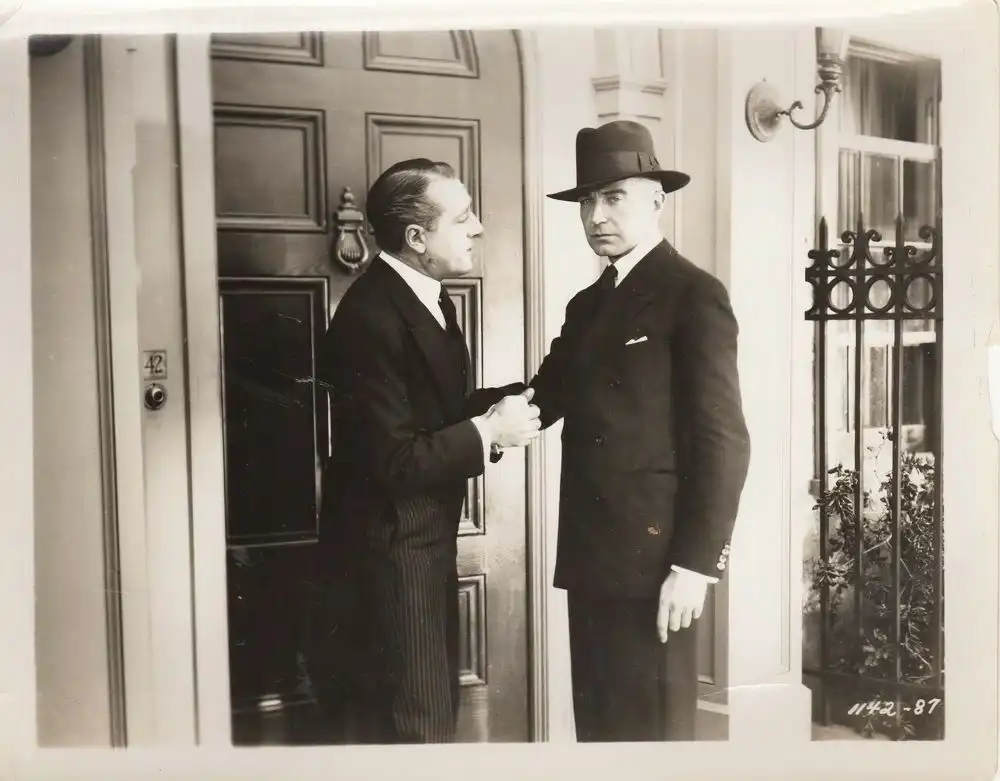
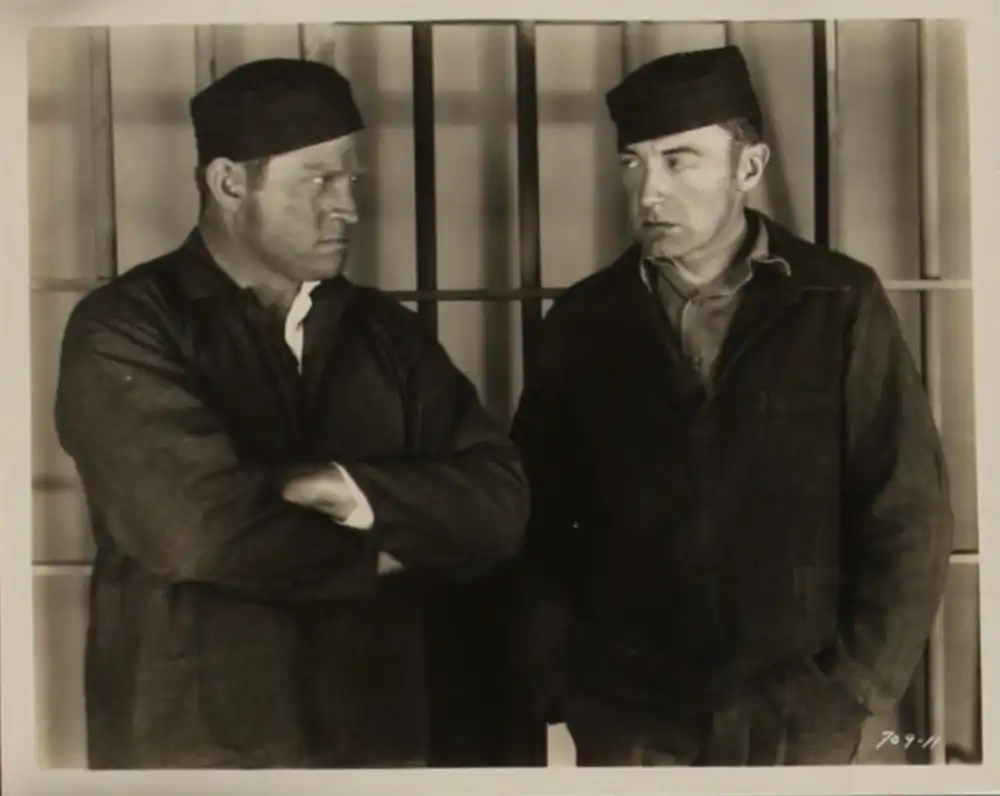
"Forgotten Faces" is a film of stark tonal shifts, often moving abruptly between gritty noir-ish drama, domestic melodrama, and even moments of surprising sentimentality. The early prison scenes, particularly Harry's initial incarceration and his subsequent release, are handled with a stark realism that feels ahead of its time. The long, silent shots of prison life, punctuated by the clanging of cell doors, create a palpable sense of confinement.
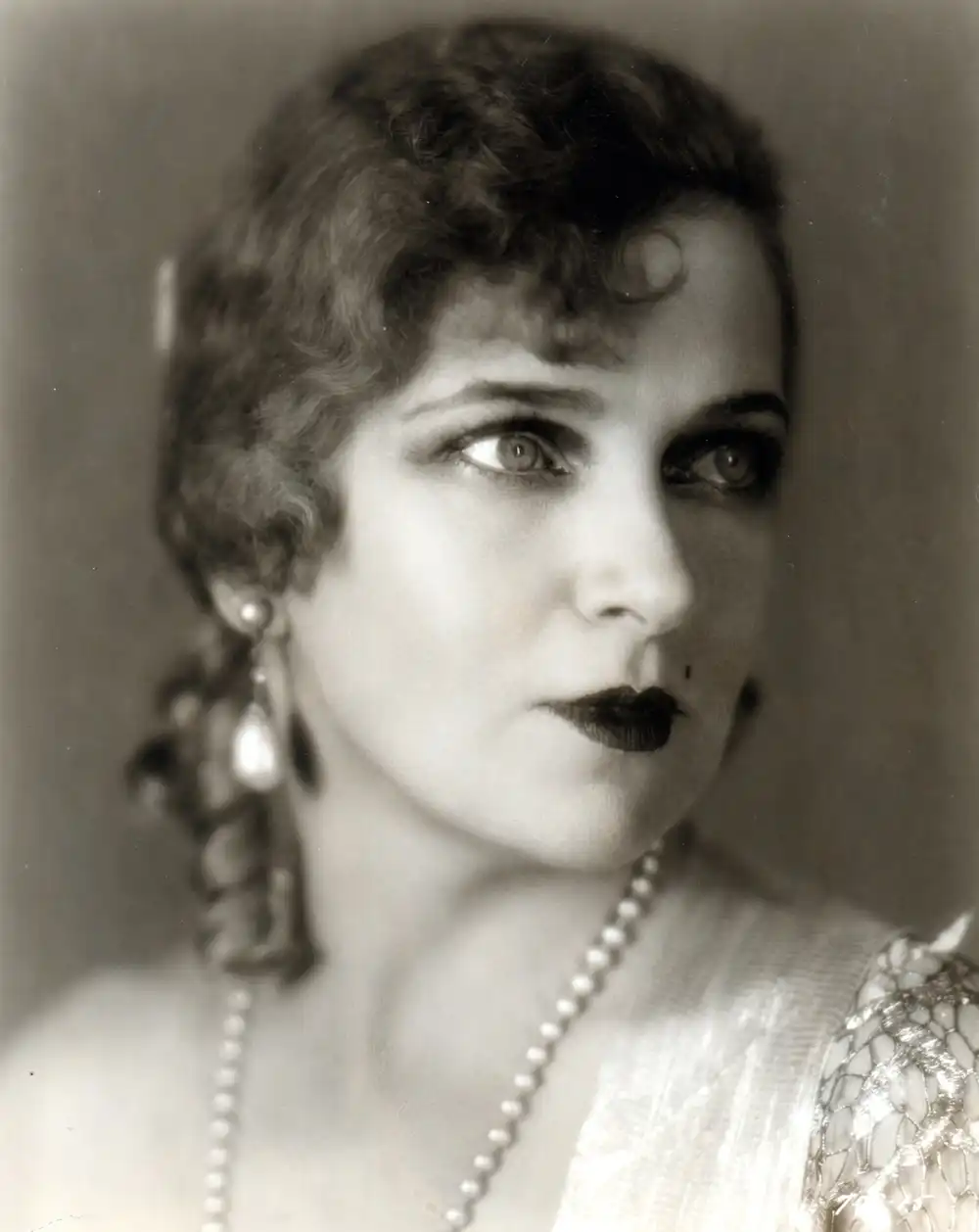
However, the film’s pacing is undeniably uneven. There are stretches, particularly in the middle act once Harry assumes his butler identity, where the narrative meanders. The tension around Lilly's schemes feels somewhat diluted by extended scenes of domestic bliss that, while establishing Mary's idyllic life, don't always advance the plot with urgency. A scene where Mary hosts a garden party, for instance, drags on for several minutes, showcasing various socialites without much narrative payoff beyond establishing her social standing. The film really finds its rhythm again when Lilly actively re-enters the picture, injecting a much-needed sense of threat. The climax, with its inevitable confrontation, is efficient and delivers on the built-up drama, even if some of the resolutions feel a touch too convenient.
Visually, the film is a fascinating study in early sound era filmmaking. Director Victor Schertzinger, working with cinematographer Henry Gerrard, often favors a theatrical staging, but there are moments of striking visual ingenuity. The opening sequence, depicting Harry's crime, is shot with a stark expressionism, using shadows and tight close-ups to convey emotion without dialogue. The camera work, while often static due to early sound equipment limitations, occasionally breaks free, offering dynamic tracking shots that hint at the fluidity to come in cinema.
The sound design, however, is where the film shows its age most prominently. The dialogue, recorded with primitive microphones, often sounds hollow and sometimes struggles with clarity, particularly when characters move off-camera. There's a noticeable lack of ambient sound or subtle atmospheric effects, making some scenes feel strangely sterile. The score, heavy on dramatic orchestral swells, often dictates the emotional beats rather than complementing them, a common characteristic of early talkies. Yet, these limitations also highlight the actors' ability to convey emotion through purely visual means, a legacy of the silent era that still shines through. The scene where Harry is led to his cell, for instance, uses the sound of the heavy metal door slamming shut to punctuate his despair, a simple but effective use of the new technology.
The film's greatest strength lies in its central performances, particularly Clive Brook’s understated gravitas and Olga Baclanova’s compelling villainy. Their dynamic provides the emotional core, elevating the material beyond typical melodrama. The narrative, while adhering to classic tropes, explores the complex morality of a father's sacrifice, and the lengths he'll go to protect his child, even from himself. The pre-Code boldness in depicting infidelity, murder, and overt greed also gives it a certain edge that would be softened just a few years later. The sheer audacity of Harry's plan, posing as a butler in his own daughter's home, is a narrative hook that still works.
Its primary weakness is its inconsistent pacing. The story occasionally loses momentum, especially when it veers into less consequential subplots. The technical limitations of early sound cinema are also evident, making some of the dialogue scenes feel clunky or artificially staged. While a historical curiosity, these elements can be a barrier for modern viewers. The resolution, while satisfying in its emotional beats, relies on a few too many contrivances to tie up all the loose ends neatly.
"Forgotten Faces" is more than just a historical artifact; it's a compelling, if flawed, melodrama that showcases the enduring power of strong performances in a transitional cinematic period. It asks its audience to meet it halfway, to forgive its technical growing pains and embrace its theatrical grandeur. For those willing to make that journey, it offers a surprisingly resonant story of paternal love and sacrifice, anchored by Clive Brook's nuanced portrayal of a man haunted by his past and driven by his devotion. It's not a perfect film, but its "forgotten faces" certainly deserve to be seen.
IMDb 6.2
1933
Community
Log in to comment.