DbcultAccessing Vault...
3.3/10
Senior Film Conservator
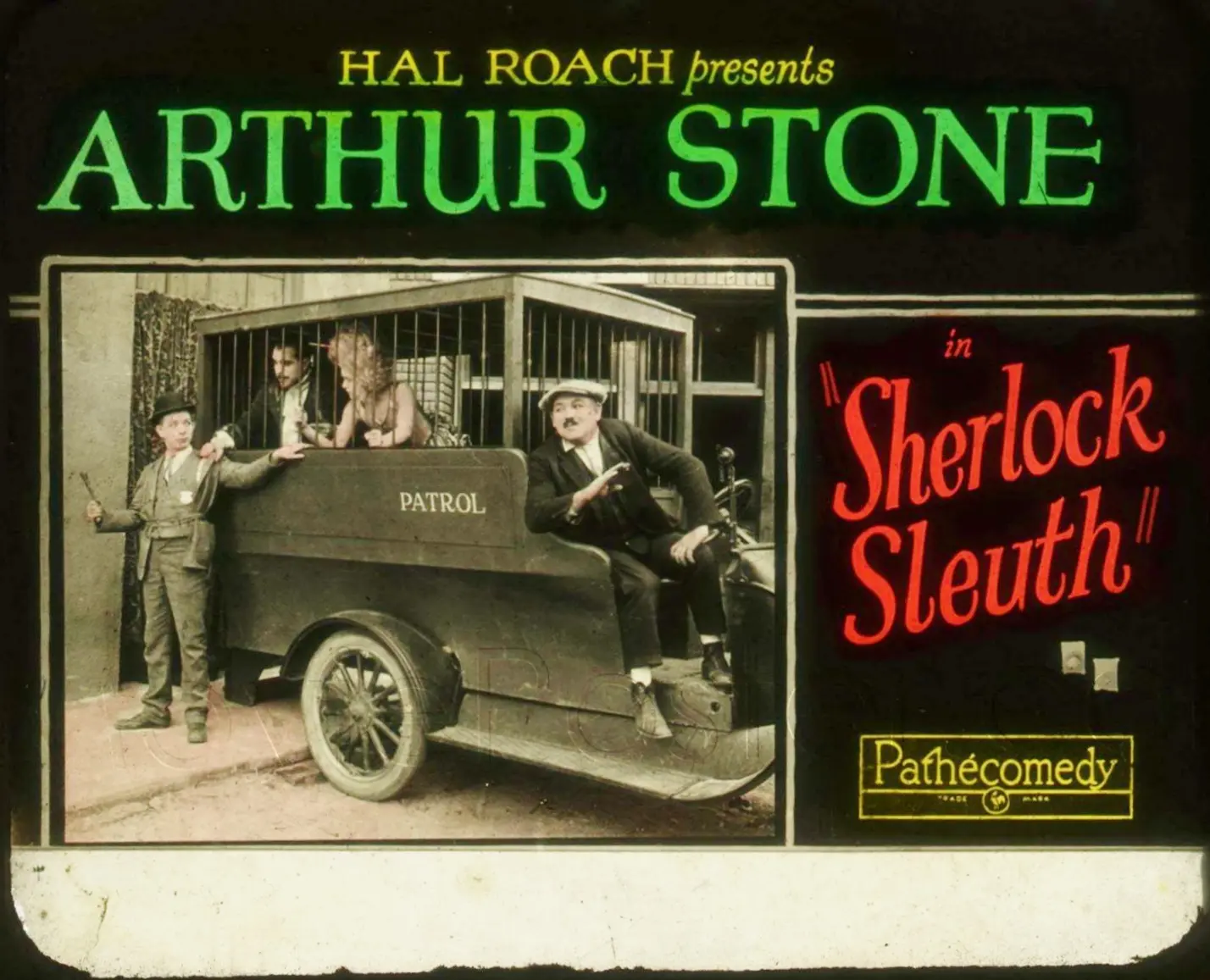
A definitive 3.3/10 rating for a film that redefined the boundaries of cult cinema. Sherlock Sleuth remains a cornerstone of transgressive art.
Does Sherlock Sleuth hold up as a comedic relic worth unearthing? Short answer: yes, but only if you value frantic physical energy over a cohesive narrative.
This film is specifically for historians of the silent era and fans of Hal Roach-style slapstick who enjoy seeing the logic of physics bent for a laugh. It is absolutely not for anyone seeking a grounded detective mystery or modern pacing.
1) This film works because the mechanical gags, particularly the switchboard sequence, showcase a level of practical ingenuity that modern CGI-heavy comedies often lack.
2) This film fails because the antagonist, 'The Weasel,' is underdeveloped, serving more as a prop for the chase than a genuine threat to the protagonist.
3) You should watch it if you want to see how 1920s cinema used mundane settings like a hotel to create a playground of absurdist movement.
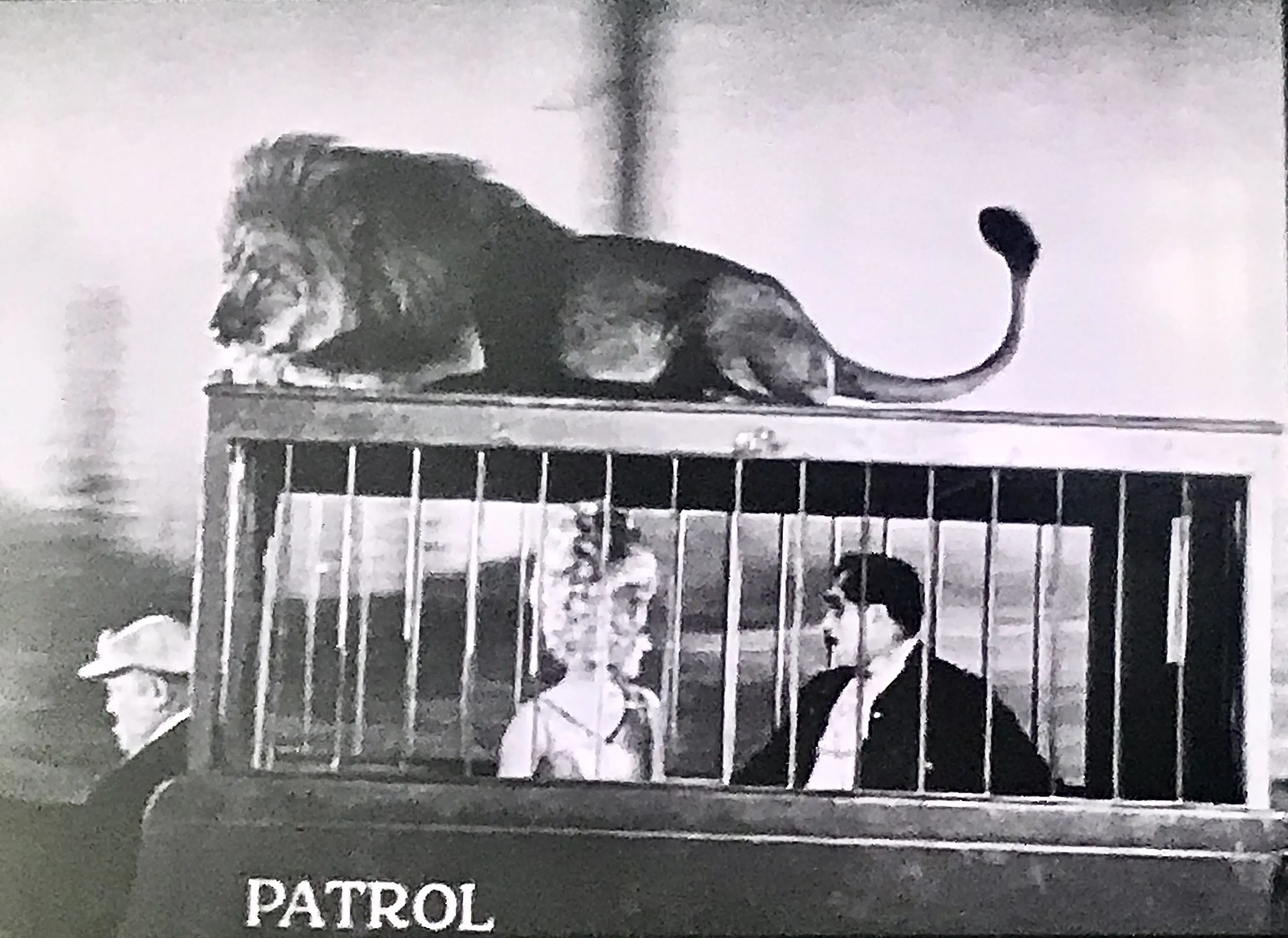
The setting of a movie often dictates its soul, and in Sherlock Sleuth, the Hotel Omigosh is more than just a backdrop. It is a living, breathing character of chaos. Unlike the somber, high-stakes environments found in films like The House Built Upon Sand, this hotel is designed for speed. Every door is a potential punchline, and every hallway is a track for a chase.
Arthur Stone plays Cyril Fromage with a frantic, wide-eyed desperation that feels distinct from the stone-faced stoicism of Buster Keaton. He is a man constantly trying to keep his dignity while the world literally steams around him. The way he carries himself—shoulders hunched, eyes darting—immediately communicates his incompetence. It works. But it’s flawed.
One of the most striking elements of the direction is how it utilizes the verticality of the hotel. We see Cyril moving between floors, navigating the social hierarchies of the guests, and clashing with Noah Young’s house manager. Young, a veteran of the era, provides a perfect foil to Stone. Where Stone is fluid and panicked, Young is rigid and judgmental. This dynamic is far more engaging than the actual hunt for the thief.
If Stone is the engine of the film, Martha Sleeper is its heart. In many comedies of this period, the female lead is relegated to being a passive prize. Sleeper, however, is given one of the most memorable gags in the entire production. When an irate lodger calls in, the switchboard literally begins to steam from the heat of the anger. Instead of reacting with shock, Sleeper’s character uses the hot plug to curl her bangs.
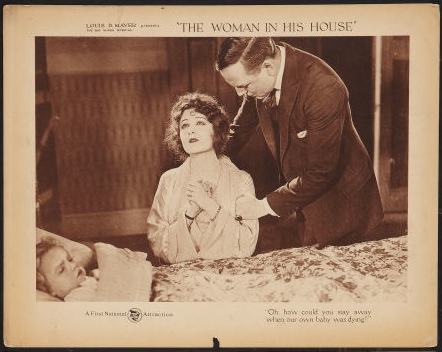
This moment is a masterclass in silent storytelling. It requires no title cards to explain the joke. It’s a subversion of the 'damsel' trope—she is unfazed by the chaos of her job, turning a technical failure into a personal beauty moment. This kind of casual surrealism is what makes Sherlock Sleuth stand out from more grounded dramas like Breaking Home Ties.
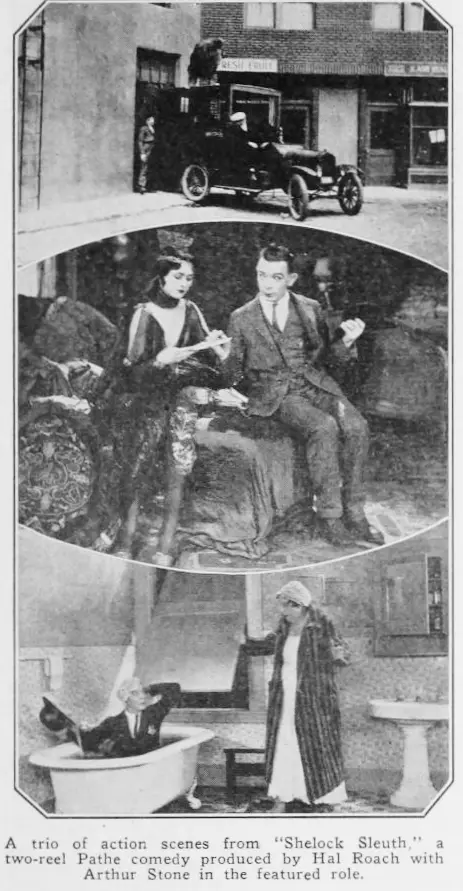
The chemistry between Stone and Sleeper feels genuine, providing a necessary anchor for the audience. Without their relationship, the film would simply be a series of disconnected stunts. Their interactions provide a breather between the high-octane sequences involving 'The Weasel'.
Every detective story needs a great antagonist, but this is where Sherlock Sleuth stumbles. 'The Weasel' is a generic criminal archetype. While the inclusion of a 'sultry vamp' as his accomplice adds a layer of 1920s noir flair, their motivations are paper-thin. They exist solely to facilitate Cyril's bumbling heroics.
Compare this to the nuanced character studies in European cinema of the time, such as Die Frau mit dem schlechten Ruf. In those films, the 'vamp' character often has a backstory or a reason for her deviance. Here, she is just a visual cue for 'danger'. This isn't necessarily a dealbreaker for a slapstick short, but it prevents the film from reaching the heights of the era's best features.
The chase scenes are well-choreographed, but they lack stakes. We never truly feel that the Hotel Omigosh is in danger. We are just waiting for the next gag. This makes the middle act feel slightly repetitive, as Cyril repeatedly misses the obvious clues left by the thieves. It’s a common trope, but one that wears thin after the third iteration.
The cinematography in Sherlock Sleuth is functional rather than experimental. Unlike the sweeping historical vistas of Jamestown or the careful framing of Pasteur, this film relies on medium shots that capture the full body of the performers. This is essential for slapstick; you need to see the feet to understand the fall.
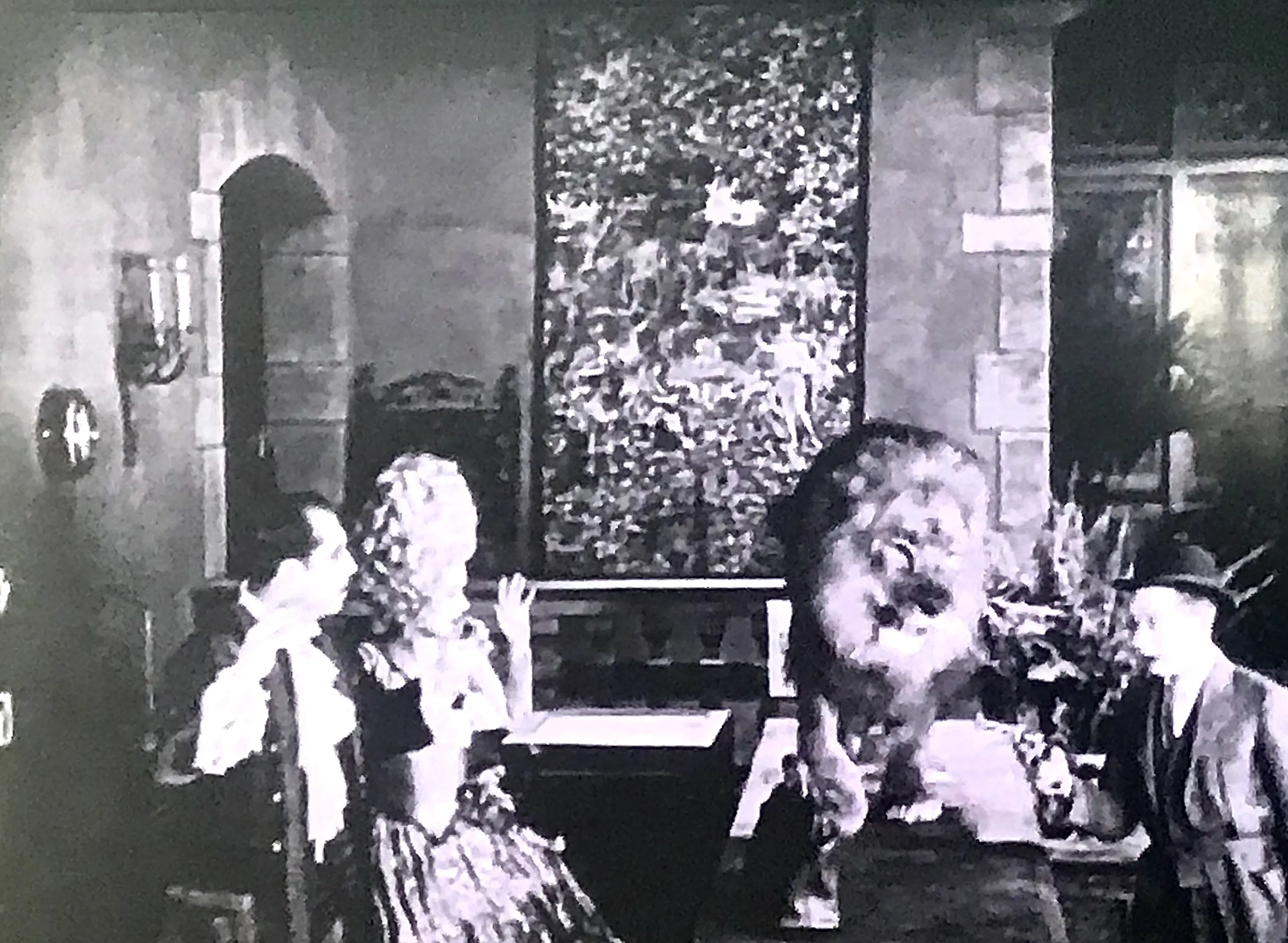
A surprising moment occurs when the MGM lion makes a guest appearance. It’s a bizarre, meta-textual fourth-wall break that feels decades ahead of its time. It serves as a reminder that the filmmakers weren't taking the 'mystery' seriously. They knew they were making a piece of entertainment designed to elicit quick laughs, not a profound statement on the human condition like The City of Silent Men.
The pacing is relentless. H.M. Walker’s writing ensures that there is a joke every thirty seconds. Even when the jokes don't land, the sheer volume of them ensures that the audience stays engaged. It’s a shotgun approach to comedy: fire enough pellets, and you’re bound to hit something.
Yes, Sherlock Sleuth is worth watching for anyone interested in the evolution of the 'clumsy detective' trope that would later be perfected by Peter Sellers. It provides a fascinating look at the high-energy output of the 1920s studio system. While it lacks the emotional depth of Breaking Home Ties or the epic scale of I promessi sposi, it succeeds in its primary goal: making the mundane look ridiculous.
The film is a time capsule of a specific kind of American humor—one that is loud, physical, and slightly cynical. It’s a world where switchboards steam and lions appear out of nowhere. If you can surrender to that logic, you’ll have a great time.
Pros:
Cons:
Sherlock Sleuth is a frantic, unpolished, and ultimately delightful example of silent slapstick. It doesn't try to be anything other than a delivery system for gags, and in that, it succeeds brilliantly. While it doesn't have the prestige of Pasteur, it has a heartbeat that is undeniably infectious. It is a loud movie that doesn't make a sound, and in the quiet of the Hotel Omigosh, that’s exactly what we need.

IMDb —
1920
Community
Log in to comment.