DbcultAccessing Vault...
5.9/10
Senior Film Conservator
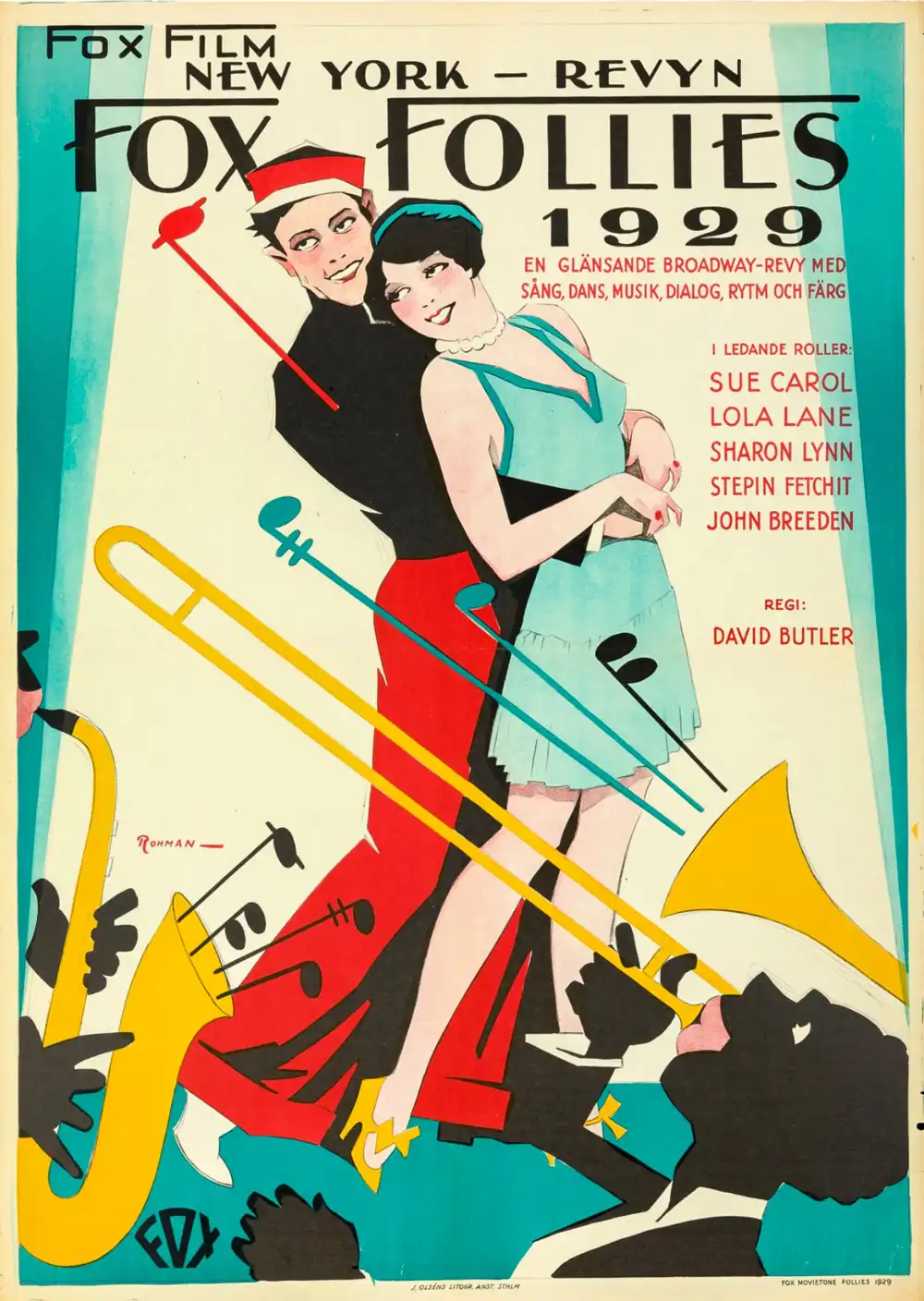
A definitive 5.9/10 rating for a film that redefined the boundaries of cult cinema. Fox Movietone Follies of 1929 remains a cornerstone of transgressive art.
Look, let's be straight right off the bat: you can't *watch* Fox Movietone Follies of 1929 today. It's gone. Poof. So, is it worth watching? No, not literally. But for anyone fascinated by the messy, beautiful birth of sound cinema, or just a bit melancholic about what history swallows up, this one's a real head-scratcher. If you're hoping for a fun flick for movie night with friends, well, best look elsewhere. This is for the archivists, the dreamers, the ones who like to piece together ghosts.
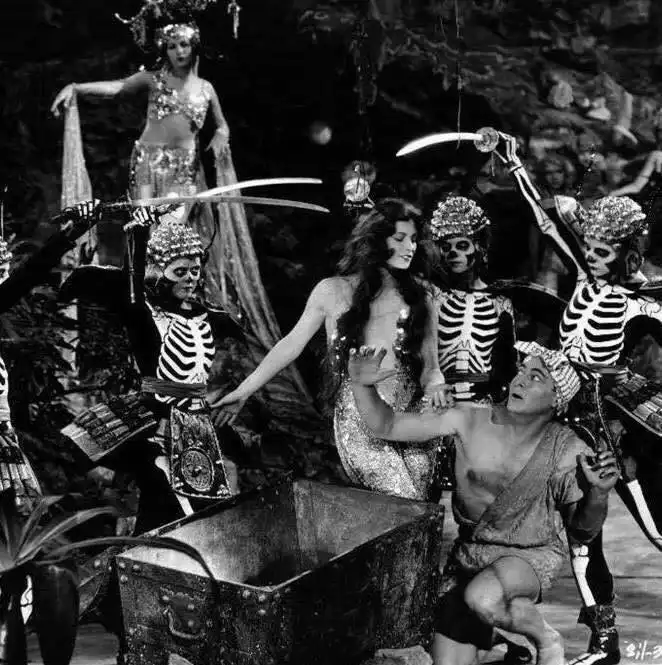
What we *do* know is that this was Fox's big splash into the full-color, full-sound musical game. Imagine that! In 1929, still very early days for talking pictures. It must have felt like pure magic, a real spectacle, with Technicolor sequences and all those numbers.
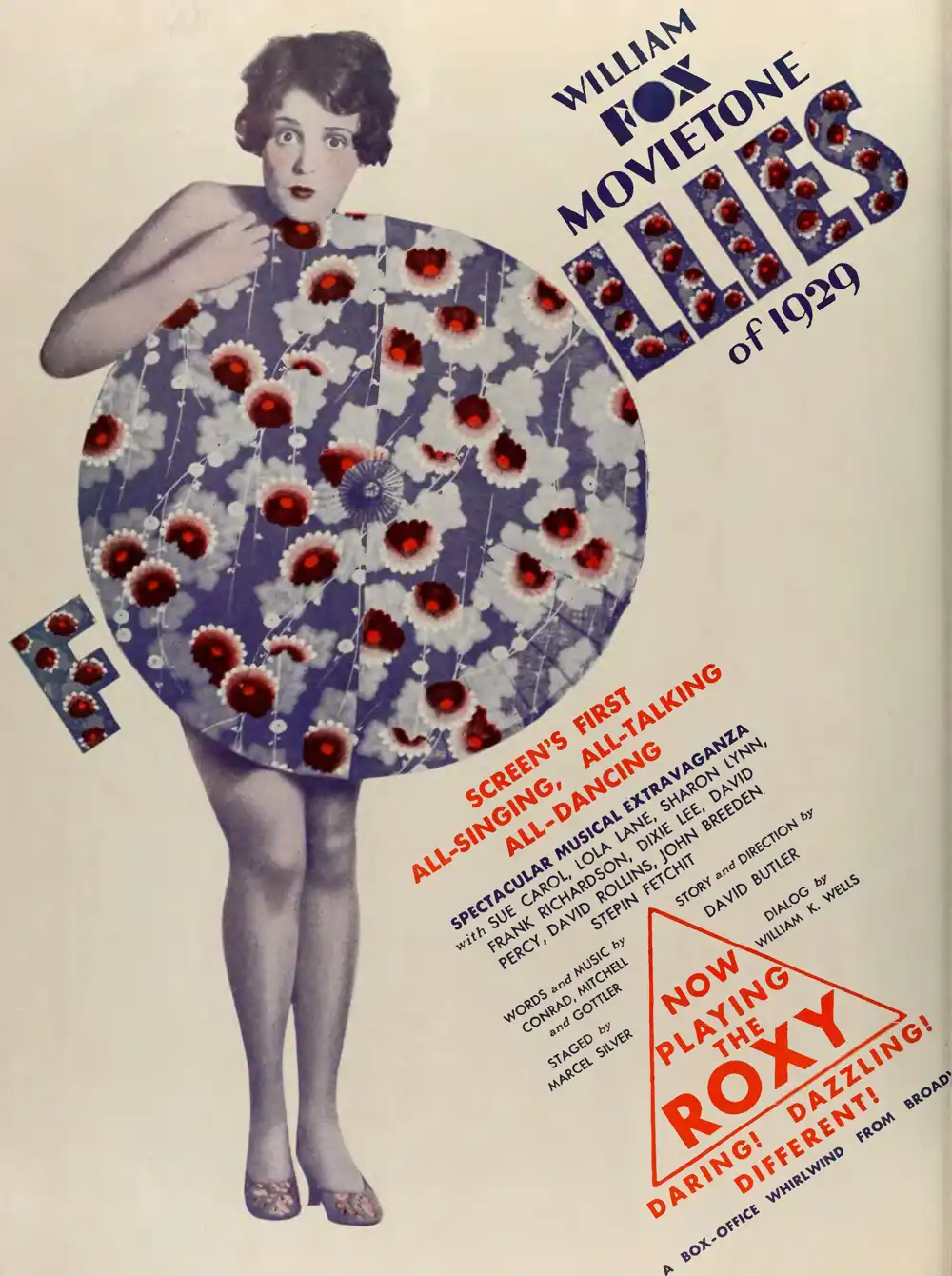
The story itself sounds pretty standard, which isn't a knock, just how a lot of these early musicals went. An understudy, a Broadway show, a temperamental star, a boyfriend arriving in town with marriage on his mind. It's the classic Cinderella arc, just with more singing and probably some very energetic, if a little stiff, choreography.
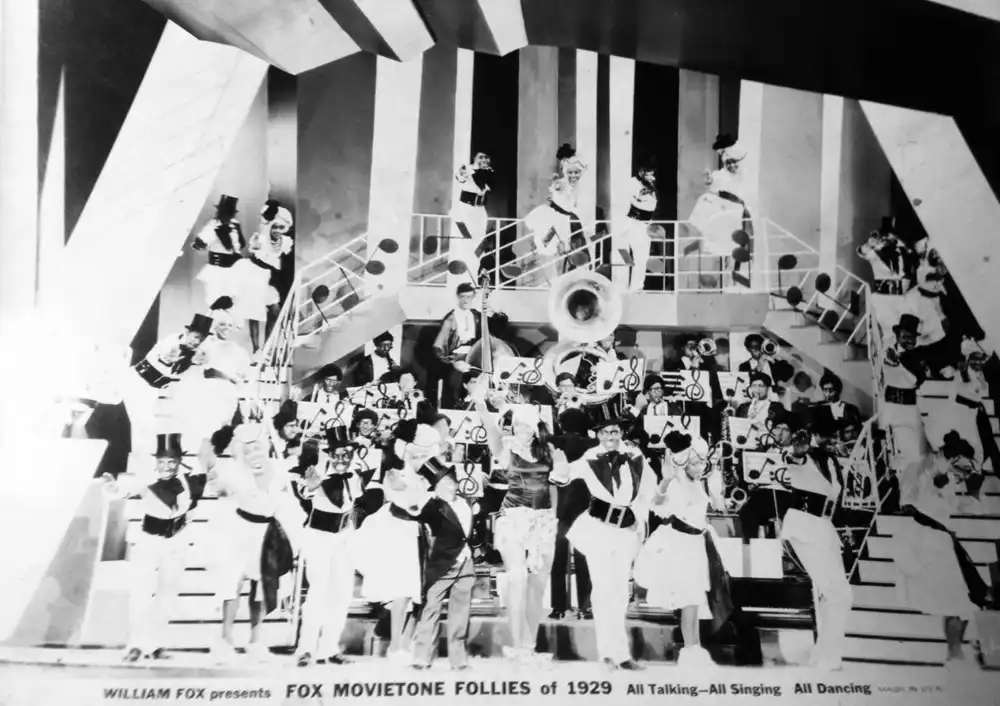
I find myself wondering about little things, you know? Like, what was June Glory's big number? Or how did Jeanette Dancey, one of the cast members, deliver her lines? Did her voice even record well? It's impossible to tell. That’s the true sadness of a lost film like this; all those small, human moments, just gone.
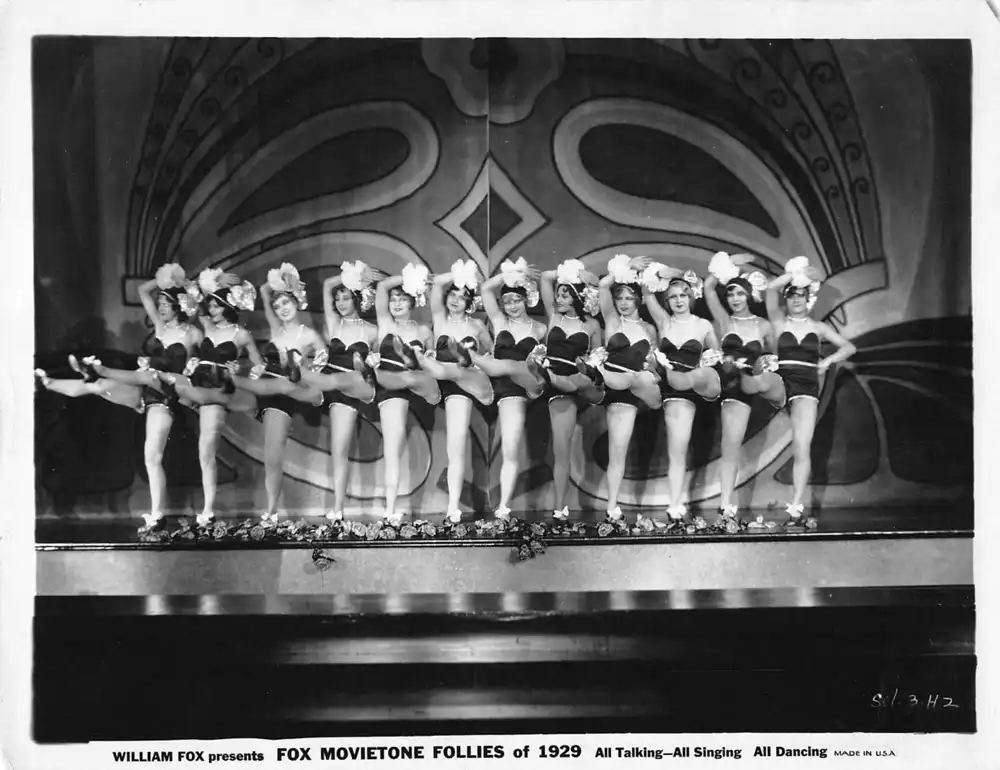
It was part of the whole 'Movietone Follies' series Fox was pushing. This wasn't just *a* movie; it was a *statement* about what sound and color could do. They were throwing everything at the wall, seeing what stuck. And for a brief moment, this film *was* that wall, full of hopes and technological marvels.
We know the plot summary, almost like reading a very old, faded playbill. An understudy steps in, saves the show. A new owner tries to fire her, but she's a smash. It’s all very familiar, but in 1929, with actual synchronized sound and color? That had to be _electrifying_.
I always think about the voices. The distinctive sounds of actors from that era, the ones we'll never hear in this particular context. What kind of laughs did Arthur Springer get? How did David Percey sound? It’s a strange thing, reviewing something that only exists as a concept now. Like trying to describe a dream you can barely remember.
It's important, though, this *Fox Movietone Follies*. Not for its plot, which was probably charming but predictable, but for what it represents. A brave, loud, colorful leap into the unknown. A moment when cinema was literally finding its voice. And then, tragically, that voice was silenced, forever.
So, yeah. You can't see it. But you can *think* about it. And sometimes, for a film buff, that's almost as compelling. It's a piece of history, a reminder of how fragile our cultural heritage can be. A ghost of a musical, still singing in the back of our minds.
IMDb 6.6
1924
Community
Log in to comment.