DbcultAccessing Vault...
3.6/10
Senior Film Conservator
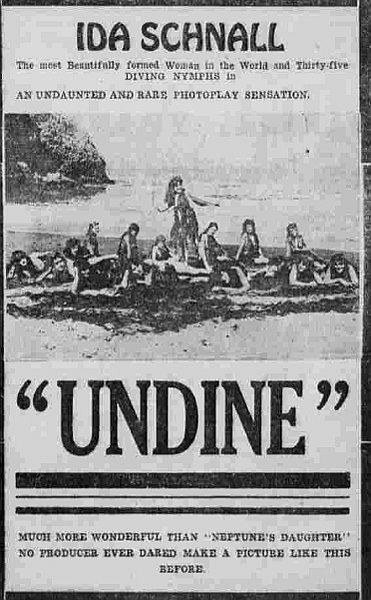
A definitive 3.6/10 rating for a film that redefined the boundaries of cult cinema. Undine remains a cornerstone of transgressive art.
The cinematic rendition of Undine, a silent film born from the profound literary imagination of Friedrich de La Motte Fouqué and adapted for the screen by Walter Woods, unfurls with a profound elegance, drawing viewers into a world where the mystical and the mortal intertwine with inescapable force. This is not merely a tale; it is an allegorical tapestry woven with threads of divine mandate, tragic love, and the relentless pursuit of atonement. From the very outset, the film establishes a universe governed by ancient pacts and the whims of elemental beings, specifically Queen Unda, the formidable sovereign of the undersea realm. Her dominion, teeming with nymphs, sylphs, and mermaids, is presented as both idyllic and formidable, a place where the delicate balance of nature is fiercely guarded.
The inciting incident, Berthelda’s abduction by mermaids as retribution for her parents’ perceived transgressions against the ocean’s bounty, immediately sets a tone of cosmic justice. This is not a world of simple human failings but of a grander, more interconnected web of cause and effect. Berthelda’s banishment to the Enchanted Forest is a consequence not only for her parents but a precursor to the central narrative’s unfolding. It is within this framework of ancestral debt that Undine’s story truly begins, a poignant narrative of a creature caught between worlds, bearing the burden of her mother’s human-siren love affair. Her very existence is a mission, a pilgrimage towards a mortal bond designed to expiate a sin committed long before her conscious memory. This complex layering of destiny and inherited responsibility imbues the film with an emotional gravitas that transcends its silent origins.
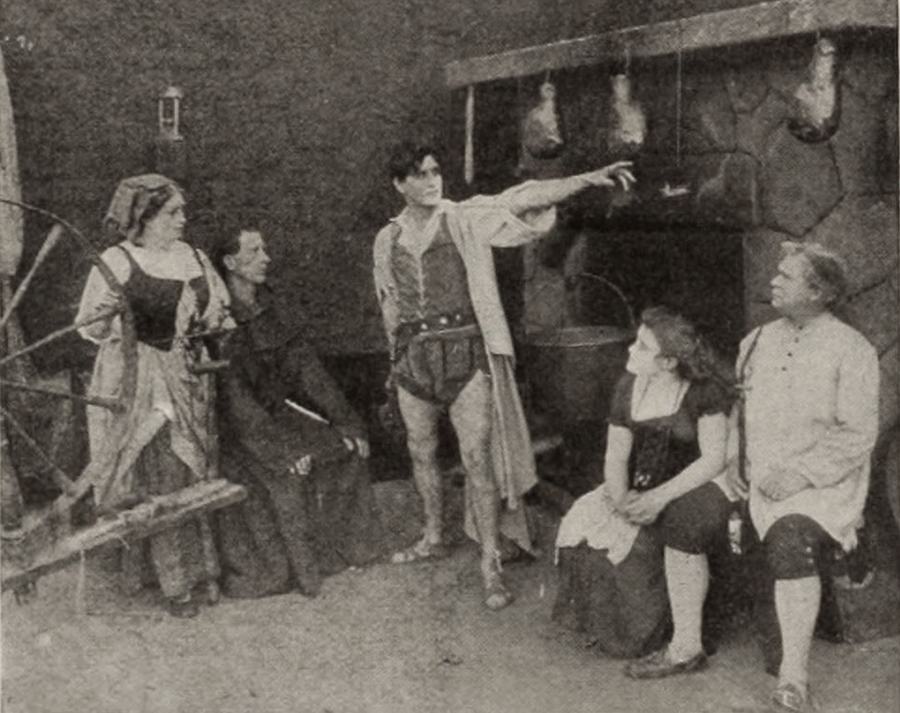
At its heart, Undine is a narrative propelled by the inexorable currents of fate and the weight of ancestral transgression. Undine, portrayed with an ethereal grace by Eileen Allen, embodies this burden with a quiet dignity. Her arrival on the shores, discovered by the bereft fisherman and his wife (played by Carol Stellson and Orin Jackson, respectively), is depicted as a divine intervention, a replacement for their lost Berthelda. This adoption is more than a plot device; it symbolises humanity’s yearning for solace and the capacity for unconditional love, even when faced with the inexplicable. Fifteen years later, the stage is set for the inevitable collision of destinies. Berthelda, now Lady Berthelda (Grace Astor), flourishing in ducal splendor, unwittingly becomes the catalyst for Undine's destined encounter. Her challenge to the valiant knight Huldbrand (Elijah Zerr) to explore the Enchanted Forest is a classic romantic trope, yet here it serves a far deeper purpose, guiding him directly into the path of his preordained bride.
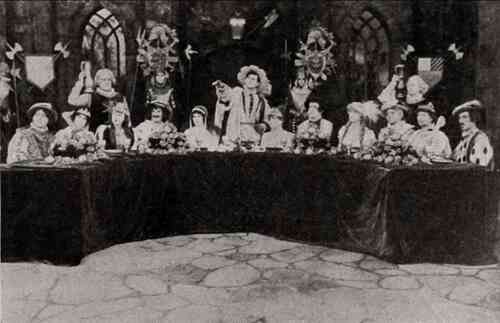
The immediate, incandescent connection between Huldbrand and Undine is portrayed with the raw, unadulterated emotion characteristic of the silent era. Their swift marriage, officiated by a shipwrecked priest Undine herself rescued – a detail that further underscores her benevolent, almost saintly nature – is not merely a union of two individuals but the fulfillment of a cosmic decree. This pivotal moment, however, is tinged with an underlying melancholy, a silent understanding that such profound bliss on earth is often fleeting for those bound by otherworldly obligations. The celebration at the castle, initially a scene of joyous abandon, becomes a poignant backdrop for the narrative’s tragic turn. The arrival of Queen Unda’s messenger, a harbinger of destiny, serves as a stark reminder that Undine’s time in the mortal realm is finite, her mission accomplished, her return to the aqueous depths unavoidable. This abrupt separation is a masterstroke of emotional storytelling, leaving the audience to grapple with the bittersweet nature of sacrifice and the ephemeral quality of human happiness when confronted with supernatural forces.
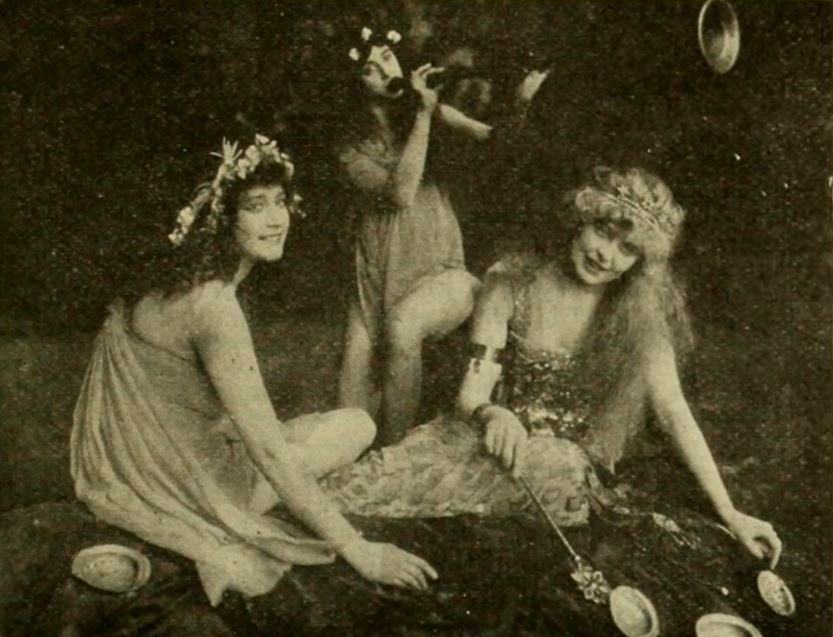
As a product of its time, Undine masterfully leverages the unique storytelling capabilities of silent cinema. The performances, particularly by Eileen Allen as Undine, are a triumph of expressive physicality and nuanced facial acting. Without spoken dialogue, the actors must convey profound emotional states through gestures, gazes, and posture, and Allen embodies Undine's otherworldly innocence and underlying sorrow with remarkable conviction. Elijah Zerr's Huldbrand captures the impetuousness of a knight errant, his initial bravado giving way to genuine affection and later, a quiet resignation. The supporting cast, including Thomas Delmar, Ida Schnall, Edna Maison, Caroline Fowler, Douglas Gerrard, Josephine Rice, Jack Nelson, and Marie Kiernan, contribute to the rich tapestry of human and mythical interaction, each playing their part in the unfolding drama with distinct contributions to the narrative’s emotional resonance. The visual language, too, is critical. While specific details of the film's cinematography might be lost to time or limited by available information, the very premise – a mermaid in a human world, enchanted forests, and undersea queens – demands a certain visual poetry. One can imagine the use of lighting to evoke the mystical, the careful staging to convey power dynamics, and the reliance on symbolic imagery to communicate complex themes without words.
The narrative’s progression, guided by Walter Woods’s screenplay, efficiently moves through its intricate plot points, ensuring clarity despite the lack of dialogue. The pacing, a crucial element in silent film, would have been carefully orchestrated to build tension, heighten romantic moments, and deliver the emotional impact of Undine’s departure. The use of intertitles, while not explicitly detailed here, would have been instrumental in bridging narrative gaps and providing insights into characters' thoughts and the overarching mythical context. The film stands as a testament to the era's ability to craft compelling, emotionally resonant stories through purely visual means, proving that a lack of sound did not equate to a lack of voice. In its thematic exploration of sacrifice and destiny, Undine finds a kinship with other films of its period, such as Her Atonement, which similarly delves into the idea of personal suffering for a greater, often moral, purpose. Both films, in their own ways, navigate the difficult terrain of inherited burdens and the quest for redemption.

The enduring appeal of the Undine myth lies in its exploration of fundamental human desires and fears: the longing for belonging, the pain of separation, and the inherent conflict between duty and personal happiness. The film, in adapting Fouqué’s classic, taps into a universal wellspring of storytelling that continues to resonate. It asks profound questions about the nature of the soul, the price of love, and the boundaries between different realms of existence. Undine’s mission to gain a soul through marriage to a mortal, though not explicitly detailed in the provided plot synopsis, is a cornerstone of the original tale and undoubtedly informs the emotional depth of the cinematic adaptation. Her ultimate return to the sea, a tragic but inevitable conclusion, underscores the idea that some destinies are simply unalterable, regardless of the love forged in the interim.
The film’s ending, with Huldbrand’s reconciliation with Lady Berthelda, offers a sense of closure, albeit one tinged with the melancholic echo of what was lost. It suggests that life, even after profound supernatural encounters, must eventually return to a semblance of normalcy, adapted to the new realities. This resolution, while perhaps less dramatic than Undine’s departure, speaks to the resilience of the human spirit and the capacity for acceptance in the face of the inexplicable. In a broader context, Undine contributes to a rich cinematic tradition of adapting fantastical literature, much like other films that sought to bring complex narratives to the screen during the early 20th century. While we don't have direct comparisons to films like The Spirit of the Poppy or Obryv in terms of plot, the general endeavor to translate nuanced, sometimes ethereal, source material into the visual medium of silent film places Undine within a distinguished lineage of narrative ambition.
The film's exploration of love across different planes of existence, and the inherent sacrifices involved, offers a timeless narrative that continues to captivate. It serves as a reminder of the power of myth to articulate profound truths about the human condition, even when filtered through the technological constraints of early cinema. The performances are earnest, the narrative is compelling, and the themes are as relevant today as they were over a century ago. This is a film that, despite its age, speaks volumes about the enduring allure of the supernatural and the poignant beauty of fated love.
The enduring legacy of Undine lies not just in its faithful adaptation of a classic literary work but in its ability to translate the ethereal and the profound into a compelling visual narrative. The film, under the creative guidance of Walter Woods and the inspired performances of its cast, manages to evoke a sense of wonder and tragedy that transcends the technical limitations of its era. It is a testament to the power of storytelling itself, demonstrating how a well-crafted narrative, even without the aid of spoken dialogue, can explore the depths of human emotion and the complexities of divine intervention.
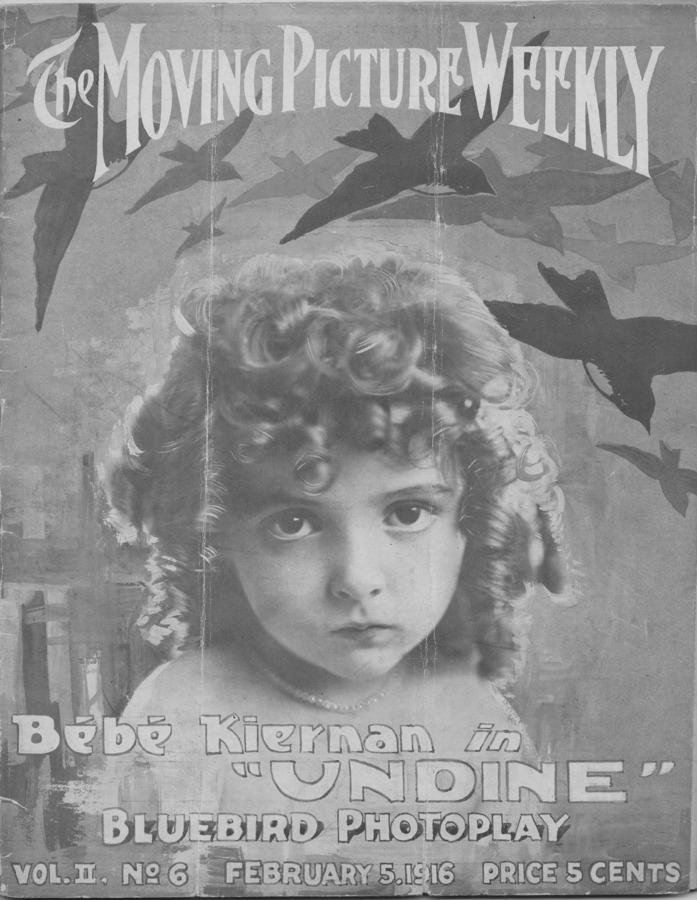
The film’s focus on themes of atonement and inherited destiny resonates deeply, making Undine’s journey not just a fantastical adventure but a moral parable. Her existence is predicated on rectifying a past wrong, and her love for Huldbrand, while genuine, is inextricably linked to this higher purpose. This imbues their romance with a layer of pathos, a sense that their happiness is always on borrowed time, always subject to the dictates of an unseen, underwater queen. The character of Undine herself, beautifully brought to life by Eileen Allen, becomes an embodiment of innocence, sacrifice, and the poignant fragility of a soul caught between two worlds. Her quiet strength and capacity for love, even when facing an inevitable return to her elemental realm, are central to the film’s emotional impact.
Ultimately, Undine is more than just a historical artifact of early cinema; it is a profound exploration of myth, morality, and the human heart’s yearning for connection, even when confronted by the overwhelming forces of fate. It invites viewers to ponder the intricate tapestry of cause and effect, the beauty of self-sacrifice, and the bittersweet nature of love that transcends the ordinary. The film serves as a powerful reminder of the rich storytelling tradition that flourished in the silent era, proving that sometimes, the most eloquent narratives are those told without a single spoken word, allowing the universal language of emotion and imagery to speak for itself. Its subtle power and poetic tragedy ensure its place as a significant work in the annals of early cinematic art, a shimmering reflection of an ancient myth brought vividly to life on the silver screen.
Review by a Human Blogger
IMDb 6.9
1935
Community
Log in to comment.