DbcultAccessing Vault...
Cult Review
Senior Film Conservator
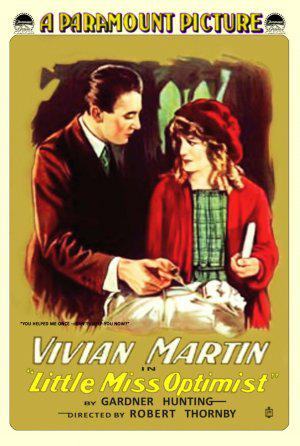
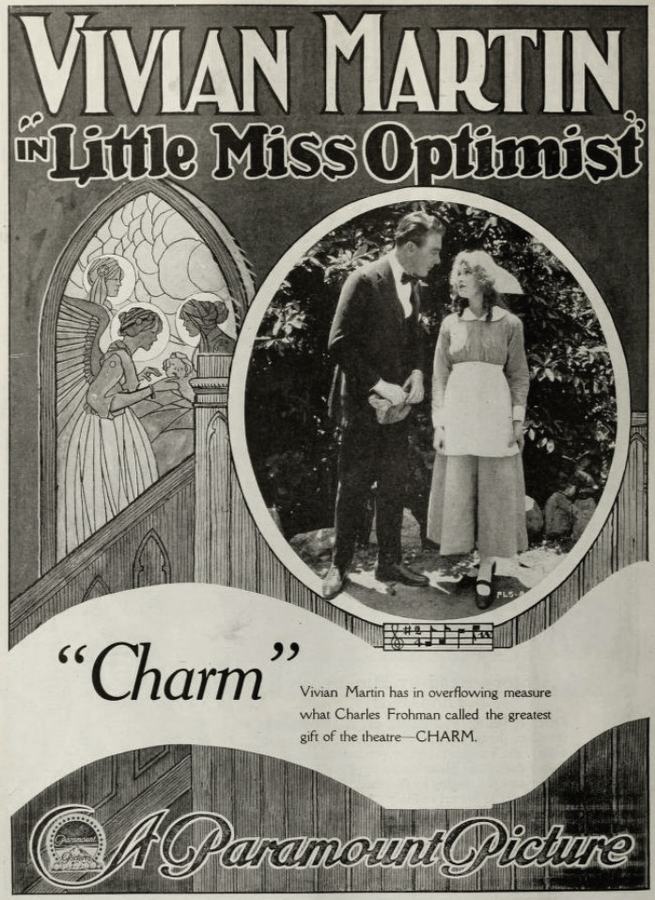
The silent era, often romanticized through sepia-toned lenses, was a crucible of raw emotion and storytelling stripped to its core. Amidst this nascent cinematic landscape, a film like Little Miss Optimist emerges not just as a historical artifact, but as a vibrant testament to the enduring power of narrative. Directed by Gardner Hunting, this picture, featuring the luminous Helen Bray as the titular Mazie-Rosie Carden, is a compelling tapestry woven with threads of innocence, betrayal, and an unyielding quest for justice. It’s a narrative that, even without spoken dialogue, resonates with a profound human truth, demonstrating how the simplest acts of kindness can set in motion a chain of events that exposes the darkest of machinations.
Mazie-Rosie, a character imbued with an almost preternatural resilience, embodies the very essence of her moniker. Her existence is one of stark deprivation, yet her spirit remains unbowed, radiating a quiet strength that belies her tender years. We first encounter her navigating the unforgiving thoroughfares of the city, her voice a persistent murmur amidst the cacophony, hawking newspapers to eke out a meager living. It is here, amidst this urban desolation, that her path intersects with that of Deal Hendrie, a musician whose artistry is tragically overshadowed by the specter of hunger. Mazie’s selfless act of bestowing upon him her cherished ‘lucky dime’ is not merely a gesture of charity; it is an offering from the depths of her soul, a symbolic transference of hope and a harbinger of the intricate destinies soon to entwine. This initial interaction establishes a pivotal motif: the lucky dime as a tangible representation of fortune, misfortune, and ultimately, retribution.
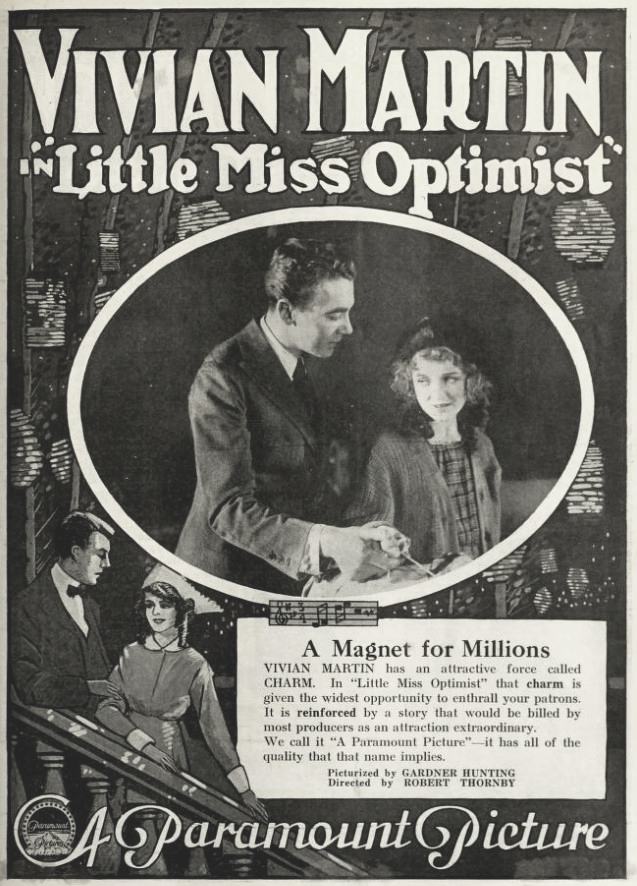
The film swiftly broadens its scope to introduce Ben, Mazie’s brother, portrayed with earnest conviction by Ernest Joy. Ben’s role as a weigh-master at the imposing West Coal Company places him squarely in the crosshairs of Samuel Winter, the company’s manager, a character of chilling duplicity brought to life by Charles K. Gerrard. Winter’s calculated machinations lead to Ben’s unjust dismissal, framed on trumped-up charges of falsifying weights – a transparent ploy designed to consolidate Winter’s own nefarious schemes. This act of corporate malfeasance sets the stage for a dramatic escalation, intertwining the personal struggles of the Carden siblings with a larger narrative of corruption and moral decay. The sheer audacity of Winter's villainy provides a stark contrast to Mazie's unwavering moral compass, underscoring the film's thematic exploration of good versus evil. It’s a narrative device not uncommon in the period, reminiscent of the clear-cut moral delineations found in works like The Eternal Temptress, where the lines between virtue and vice are sharply drawn for maximum dramatic impact.
The narrative's central conflict ignites with the revelation of Winter's perfidy by Mr. West, the company's proprietor. The confrontation between employer and employee is rendered with a visceral intensity, a testament to the power of silent film to convey high stakes through visual storytelling. The ensuing struggle culminates in West’s tragic death at Winter’s hand, an act of desperate violence that irrevocably alters the course of all involved. It is into this maelstrom of murder and deceit that Ben, spurred by Mazie’s heartfelt plea to seek justice for his wrongful dismissal, unwittingly stumbles. His arrival at West’s home is timed with agonizing precision, allowing him to witness Winter’s callous act of robbing the deceased, a scene made all the more poignant by the villain's appropriation of Mazie’s lost lucky dime, a coin that had inadvertently passed from Hendrie’s possession. This moment, laden with dramatic irony, transforms the lucky dime from a symbol of hope into a tangible piece of incriminating evidence, a silent witness to a heinous crime.
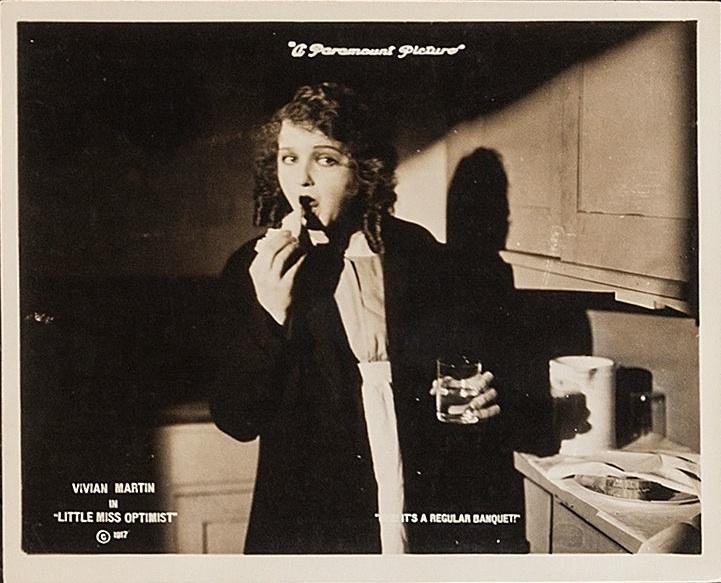
Winter’s subsequent assault on Ben, leaving him unconscious and vulnerable, further solidifies his villainous stature. Yet, his escape is not without consequence, for Mazie, a silent, horrified observer, becomes the sole witness to his flight. Her testimony, though initially unspoken, becomes the fulcrum upon which the narrative's climax will hinge. The film, through these carefully orchestrated sequences, builds a palpable sense of suspense, drawing the audience into Mazie’s solitary burden of knowledge. This narrative technique, where a lone, often vulnerable character holds the key to justice, is a recurring trope in early cinema, seen in various forms in films like At Bay or Cross Currents, where the chase for truth often depends on a single witness or piece of evidence.
The resolution of this intricate web of crime and consequence unfolds with a profound sense of dramatic flair. The following Sunday, within the hallowed confines of the church where Deal Hendrie now graces the organ, Mazie’s unwavering gaze falls upon Winter. The sight of him contributing to the offering, and the unmistakable glint of her lucky dime in his hand, ignites a spark of righteous fury. Her public accusation of murder, delivered before the entire congregation, is a moment of breathtaking courage, a testament to her unshakeable moral conviction. It is a scene designed to elicit a powerful emotional response, a public unmasking of evil that resonates deeply with the audience’s sense of justice. The immediate corroboration by her brother Ben, who, having miraculously regained consciousness, rises to testify against Winter, provides the narrative with its cathartic release. The villain is exposed, justice is served, and the moral order is restored. This communal act of justice, where the truth is revealed in a public forum, holds a particular resonance, emphasizing the societal need for moral accountability.
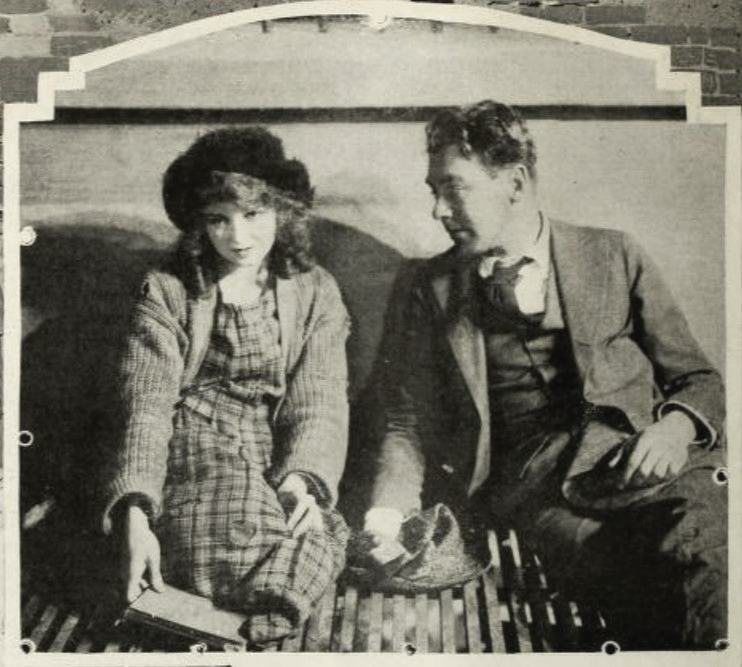
The film’s conclusion, culminating in Hendrie’s proposal to Mazie, imbues the narrative with a sense of poetic justice and romantic fulfillment. It is a resolution that not only rewards Mazie’s enduring optimism and courage but also symbolizes the triumph of good over malevolence, of love over adversity. The film, through its expertly crafted plot and compelling characterizations, delivers a powerful message about the resilience of the human spirit and the unwavering pursuit of truth. Helen Bray, as Mazie-Rosie Carden, delivers a performance that transcends the limitations of silent film, conveying a spectrum of emotions through subtle gestures and expressive facial movements. Her portrayal is both vulnerable and resolute, capturing the essence of a young girl thrust into extraordinary circumstances yet refusing to be broken. Tom Moore, as Deal Hendrie, provides a sympathetic presence, his character serving as a beacon of hope and eventual solace for Mazie. Ernest Joy’s Ben is a study in quiet suffering and eventual vindication, while Charles K. Gerrard’s Samuel Winter is a masterclass in silent film villainy, his every glare and furtive movement oozing menace.
Gardner Hunting, credited as the writer, crafts a story that, despite its seemingly simple premise, delves into complex themes. The narrative explores not only individual acts of heroism and villainy but also broader societal concerns such as economic hardship, corporate corruption, and the inherent vulnerability of the working class. The plight of Ben, unjustly dismissed, reflects a common anxiety of the era, while Mazie’s struggle highlights the challenges faced by children in urban environments. The film, in this regard, functions as a subtle social commentary, reflecting the anxieties and moral compass of its time. The use of the 'lucky dime' as a recurring motif is particularly effective. It begins as a symbol of innocent hope, transforms into a piece of crucial evidence, and ultimately becomes a testament to the interconnectedness of fate and human action. This kind of symbolic object, carrying weighty significance throughout the plot, can be found in other silent dramas, where visual cues often bore the brunt of thematic communication.
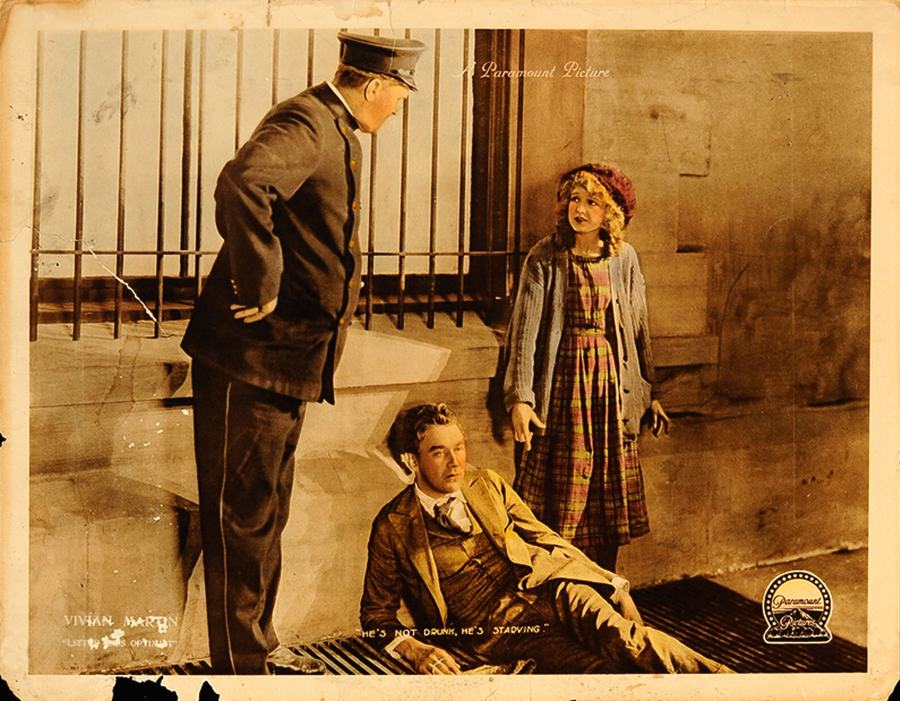
The silent film era, often characterized by its melodramatic flourishes, finds in Little Miss Optimist a compelling example of how to balance heightened emotion with a grounded sense of reality. The performances, while grand in gesture, are rooted in a believable emotional core. The pacing, crucial for maintaining audience engagement without dialogue, is handled adeptly, building tension gradually towards its dramatic climax. The use of intertitles is economical yet effective, providing necessary exposition without bogging down the visual flow. For those interested in the evolution of cinematic storytelling, observing how films like this conveyed complex plots and character motivations purely through visual means is a fascinating exercise. It asks the audience to engage more actively, to interpret and empathize through the language of body and expression.
Comparing Little Miss Optimist to other films of its time reveals its strengths and highlights common narrative patterns. The theme of a vulnerable individual fighting against a powerful, corrupt system, for instance, echoes in films like The Right to Be Happy, where moral rectitude often triumphs over societal ills. The resilience of a young female protagonist in the face of immense adversity can be seen in the spirited performances in films such as Judith of the Cumberlands or What Happened to Mary, where their fortitude drives the plot. The clear delineation between hero and villain, and the eventual unmasking of the latter, is a staple of early cinematic drama, providing a comforting moral clarity for audiences. The sheer impact of a dramatic public accusation, as seen in the church scene, is a powerful and frequently utilized device to bring about narrative closure and satisfy the audience's desire for justice.
The film's exploration of fate and coincidence, particularly through the journey of the lucky dime, adds another layer of intrigue. It suggests that while human actions drive the plot, there are also elements of chance and serendipity at play, guiding characters towards their destinies. This interplay between free will and destiny is a philosophical undercurrent that enriches the narrative beyond its surface-level melodrama. The restoration of order and the happy ending, while typical of the era, feel earned in Little Miss Optimist, a testament to the film's ability to build genuine empathy for its characters and their struggles. The enduring appeal of such stories lies in their ability to reaffirm fundamental human values: courage, honesty, and the belief that even in the face of overwhelming odds, justice can prevail.
In essence, Little Miss Optimist is more than a simple silent film; it is a profound exploration of human character under duress. It champions the unwavering spirit of a young girl who, despite her impoverished circumstances, possesses a moral fortitude that ultimately brings down a corrupt system and punishes a ruthless villain. The performances are compelling, the plot intricately woven, and the themes resonant. It stands as a vibrant example of early cinema's capacity for complex storytelling and emotional depth, a film that continues to speak to audiences about the timeless virtues of hope, perseverance, and the ultimate triumph of righteousness. Its legacy is not just in its historical place but in its enduring message, delivered with an artistry that transcends the absence of sound, leaving a lasting impression on the viewer’s heart and mind.
The journey of Mazie-Rosie Carden, from a street hawker to an unlikely harbinger of justice, is a testament to the power of the individual, however small, to effect monumental change. Her story, etched onto celluloid, remains a poignant reminder that optimism, when coupled with unwavering courage, can illuminate the darkest corners of human experience and lead to a brighter, more equitable world. It’s a film that leaves one contemplating the quiet heroism found in everyday lives and the profound impact of a single, cherished lucky dime.
IMDb —
1919
Community
Log in to comment.