DbcultAccessing Vault...
Cult Review
Senior Film Conservator
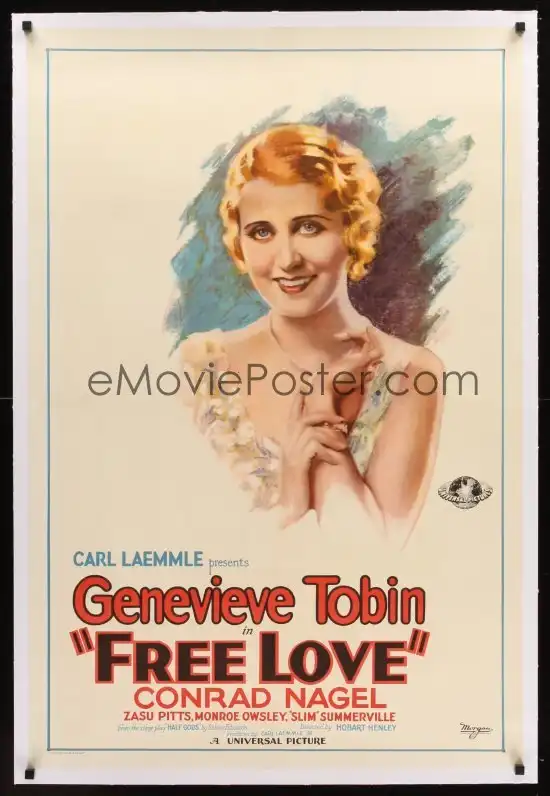
If you like watching old movies where people talk in very posh voices about their feelings, you will probably like this one.
But if you want something with a lot of action, you should probably go watch The Fearless Rider instead.
I found this while looking for something short to watch on a Tuesday night when I couldn't sleep.
It is called Free Love, which sounds a lot more scandalous than it actually is in reality.
Genevieve Tobin plays Hope, a wife who feels like her life is just... stuck in the mud.
Her husband Stephen is played by Conrad Nagel, and man, he is stiff.
He treats her like a nice piece of furniture that he happens to like looking at once in a while.
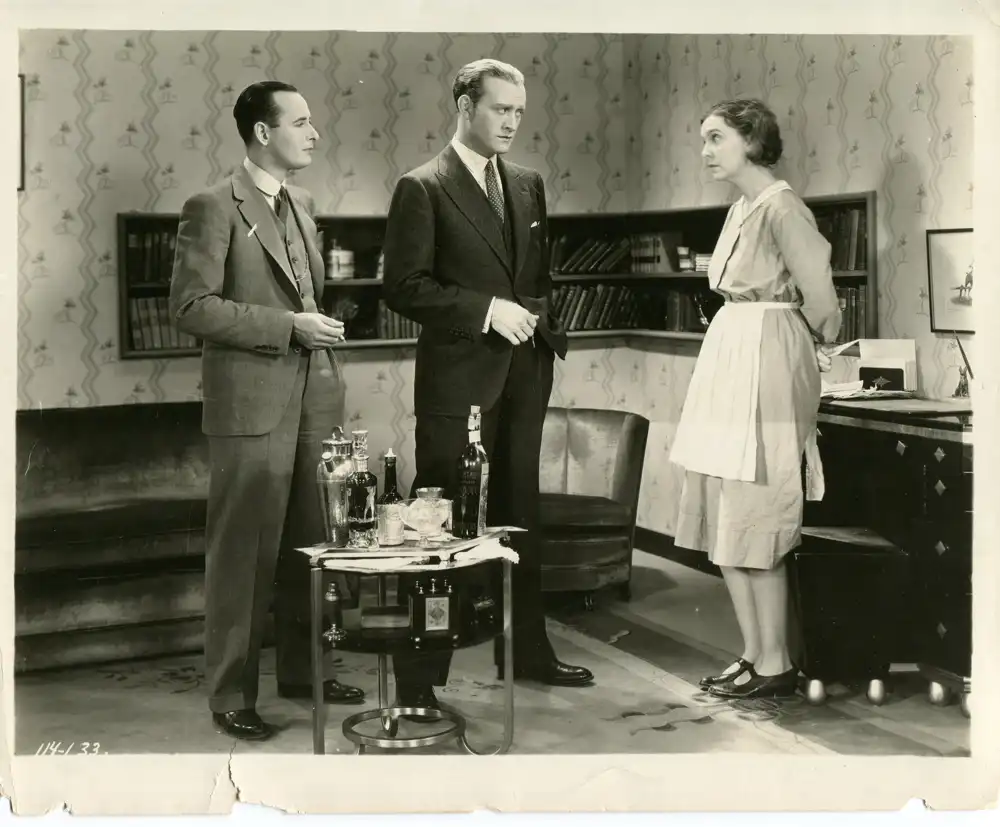
The movie really gets going when Hope goes to see a psychiatrist for her nerves.
Back in 1930, people did not really know what to make of doctors like this on the screen.
The doctor, played by George Irving, tells her she is being 'dominated' and that she needs to break free to be happy.
It is kinda funny how fast she believes him after just a few minutes of talking.
She goes home and basically tells Stephen that it is over because the doctor said so.
The dialogue is very theatrical because the whole thing was based on a stage play.
You can tell because most of the scenes just happen in one or two rooms with people standing around.
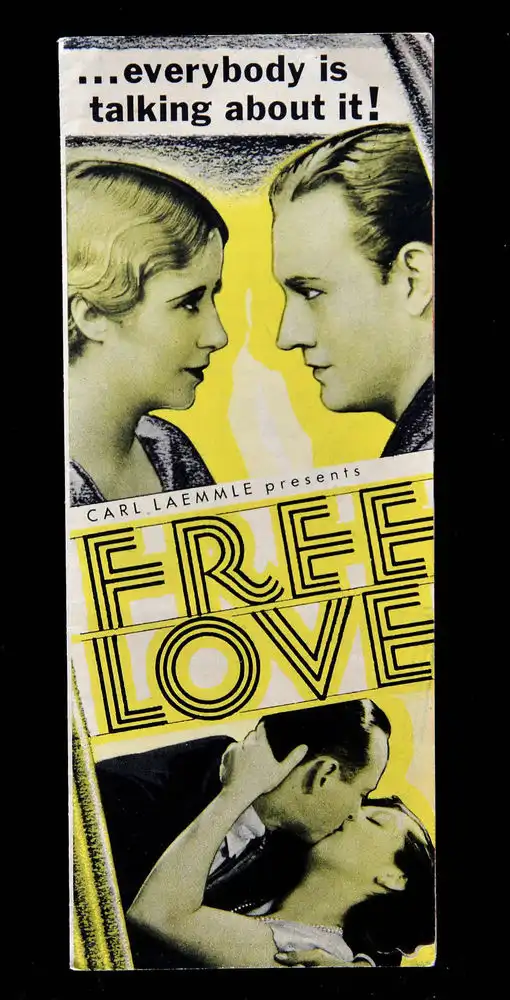
Sometimes the camera stays on Genevieve Tobin’s face for a long time while she looks at the ceiling.
She has this way of looking sad that makes you feel bad for her, even if she is being a bit dramatic.
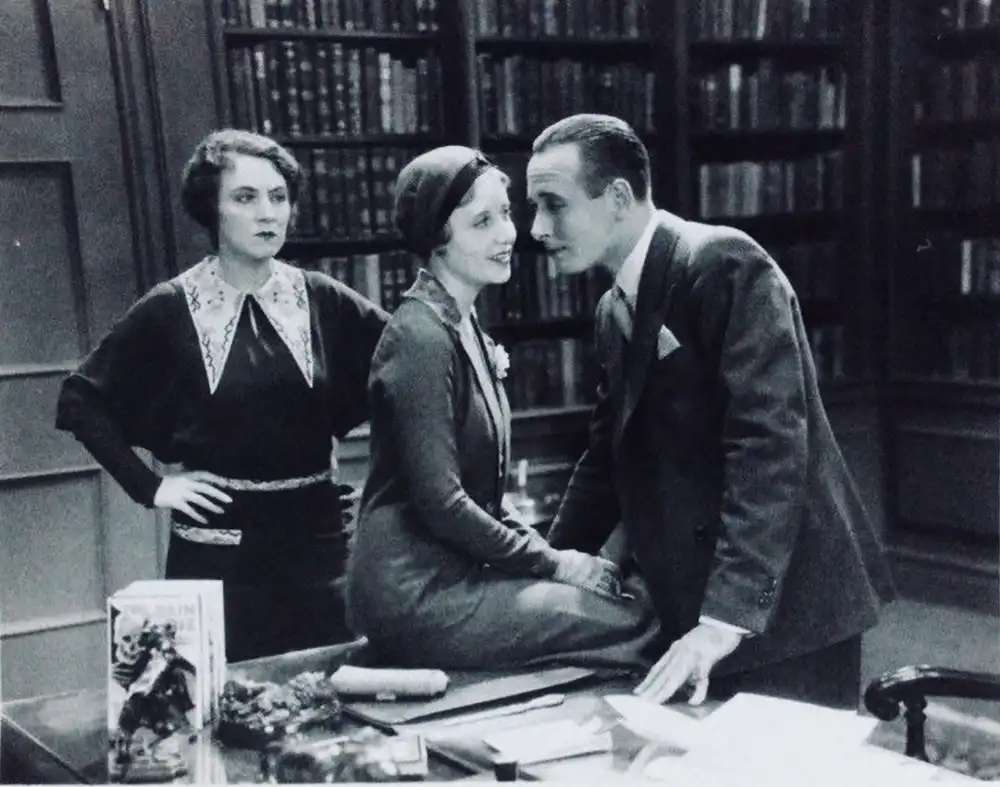
Then there is Zasu Pitts and Slim Summerville, who are here for some reason I still don't quite get.
They are there to be the 'funny' servants, but their scenes feel like they were filmed for a different movie.
Zasu Pitts does that thing with her hands where she looks like she is trying to catch an invisible fly.
It is a bit much, but she is always like that in every movie she does.
Slim Summerville is just... there, looking like he forgot why he walked into the room.
It reminds me a bit of the tone in Follow Thru, but much less colorful and loud.
The movie tries to be very serious about divorce, which was a huge deal back when this came out.
But it also feels very rushed in the middle part.
One minute they are married, and the next she is in a different city trying to live a 'free' life with other men.
There is this one scene where Stephen tries to be romantic, and it is so awkward it made me cringe a little.
He looks like he is trying to remember a grocery list while he is supposed to be hugging her.
I liked the costumes, though, because 1930s fashion was just weirdly cool.
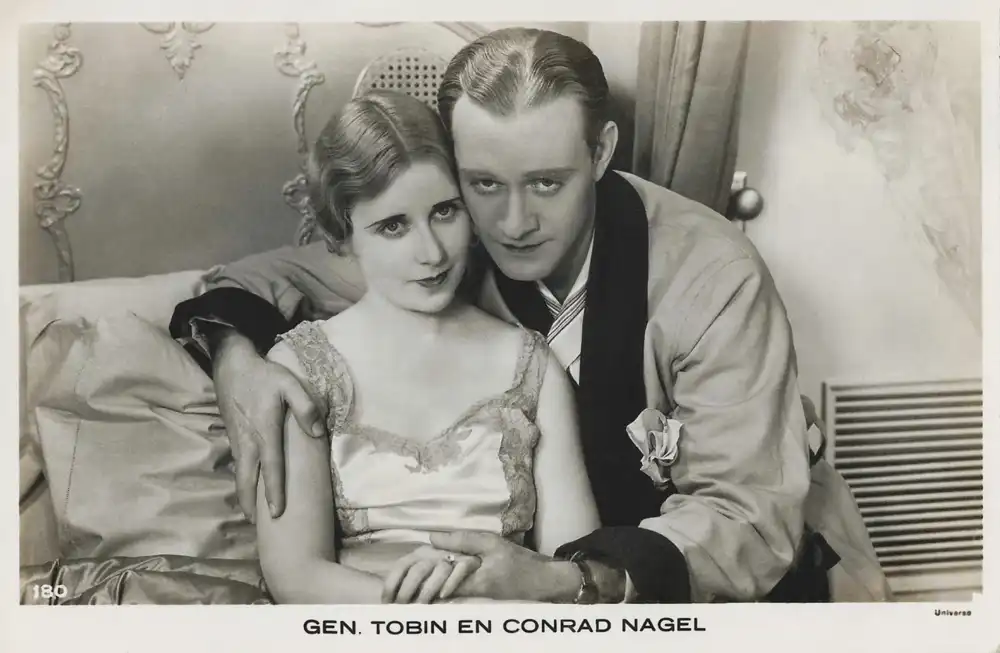
Hope has some incredible hats that look like they might fall off her head if she sneezes.
The ending is... well, I won't say what happens exactly.
But it feels like the writers didn't really know how to finish the thought they started.
It is a strange little relic of a time when Hollywood was testing what they could say before the censors got strict.
It is not a masterpiece, but it is interesting if you are into pre-code stuff and how people used to talk.
If you have seen The Tourist from around the same era, you might recognize the style of filming.
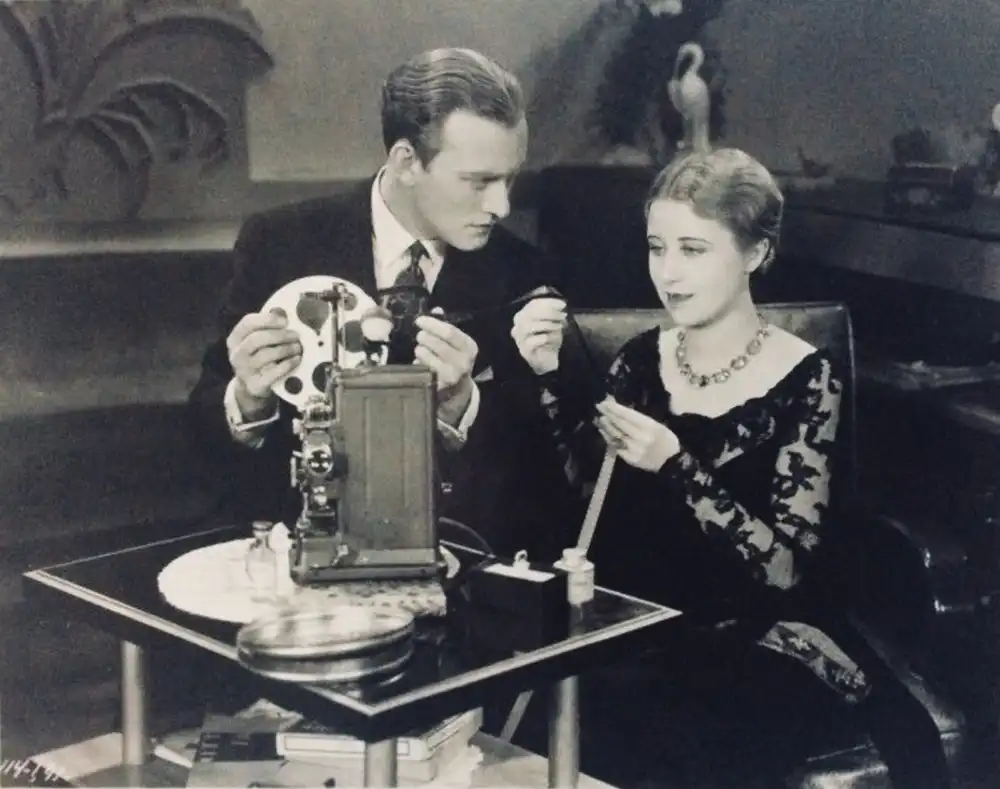
It is very talky and doesn't move the camera around much at all.
I wouldn't say you need to go out of your way to find this movie today.
But if it is playing and you have a cup of tea, it is worth a look for the weird therapy scenes.
It is definitely better than Now You're Talking, which was just boring.
The way they talk about 'modern marriage' feels very old-fashioned now, which is part of the charm I guess.
I think the script could have used a bit more work to make the characters feel like real people.
Mostly it just feels like actors reciting lines about freedom and duty.
But Genevieve Tobin really tries her best to make you care about Hope's problems.
It's a bit of a messy script, but the actors seem to be having a decent time with it. 📽️
IMDb 5
1918
Community
Log in to comment.