DbcultAccessing Vault...
7.1/10
Senior Film Conservator
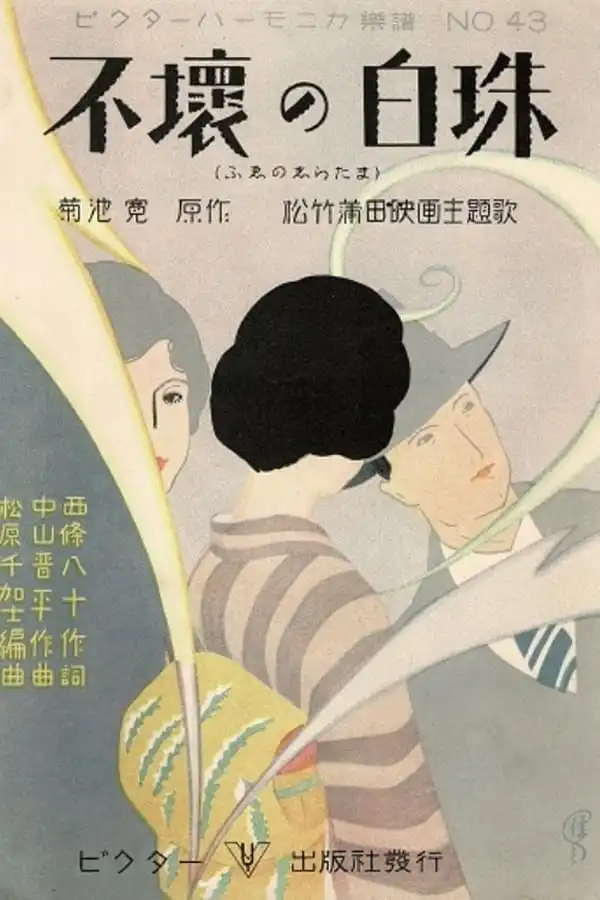
A definitive 7.1/10 rating for a film that redefined the boundaries of cult cinema. Fue no shiratama remains a cornerstone of transgressive art.
Okay, let’s talk about Fue no shiratama. Is it worth tracking down today? Well, if you’re into the quiet beauty of silent films, or really curious about early Japanese cinema, then yes, absolutely. You’ll probably enjoy its delicate pace. But if you need quick cuts and constant dialogue, you’re going to find this one a real snooze fest. This film moves at its own deliberate speed. 🐢
The story is simple enough: Toshie (played by Emiko Yagumo), a secretary-typist, meets Shozo Narita (Minoru Takada) through work. She's quite conservative, you gather, very proper. But there's this slow, undeniable connection that sparks between them. It’s all about the subtle looks and the unspoken things.
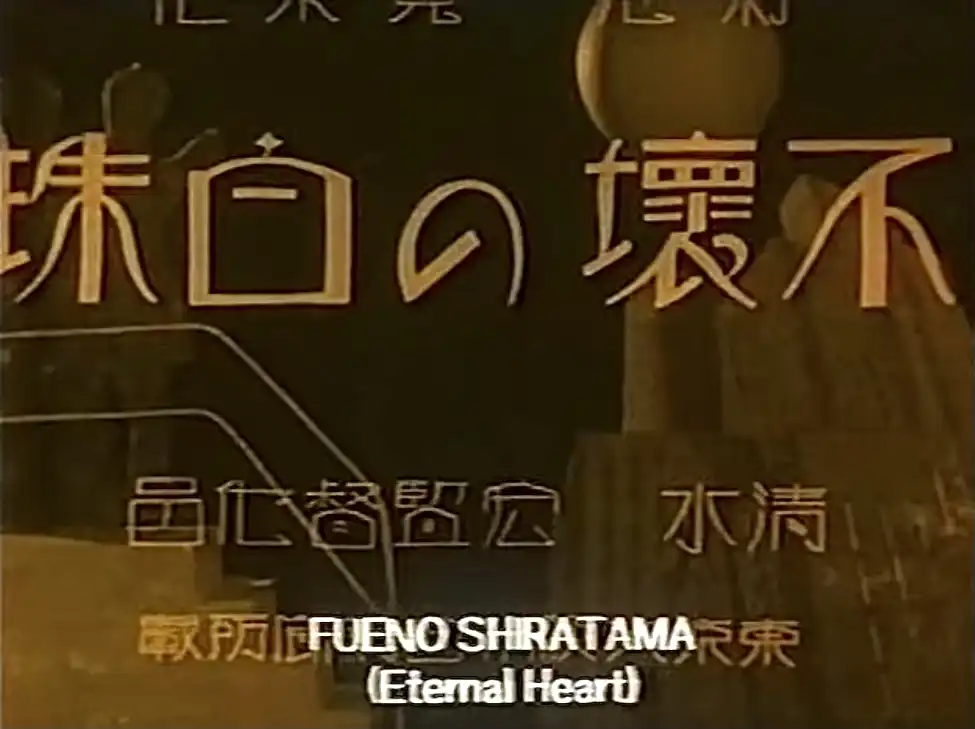
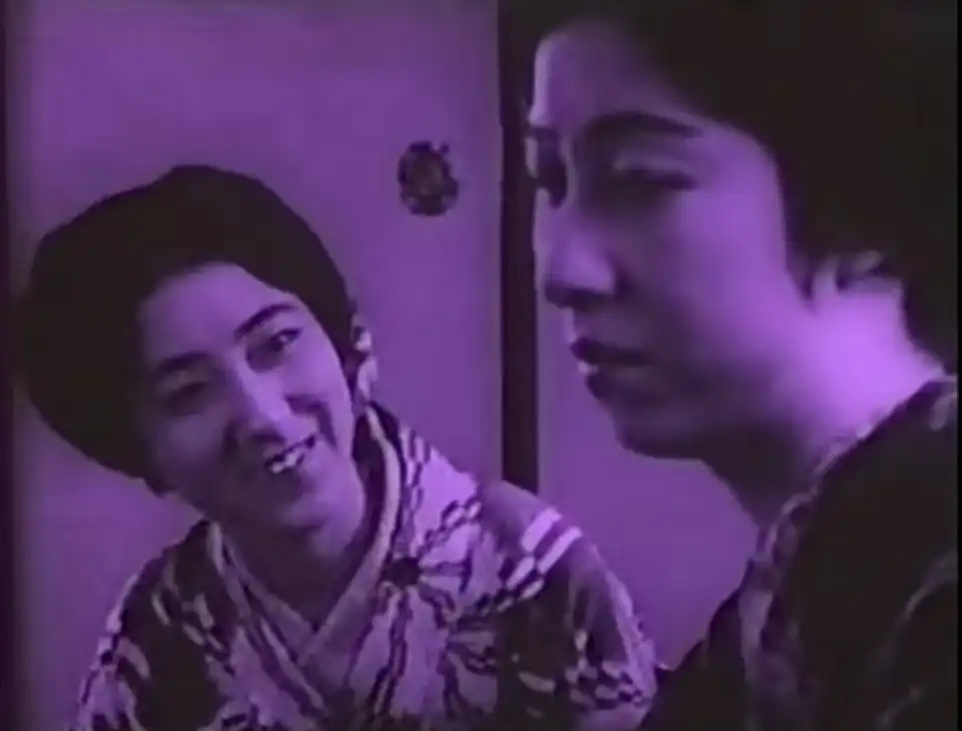
What struck me first was how much the film relies on tiny gestures. Toshie’s face, especially. You see her thoughts just flicker across her expression, even when she's trying to maintain a polite composure. There’s a scene where she’s just listening, and her eyes, they tell a whole story without a single intertitle. It’s pretty captivating. ✨
Shozo, too, has this very gentle presence. He’s not a big, boisterous leading man. His interactions with Toshie are so subtle, almost hesitant. You can practically *feel* the weight of societal expectations around them, making their connection feel even more precious, almost secret.
The pacing, for sure, is different from what we're used to. Moments stretch out, like that one shot of Toshie just walking down a corridor. It goes on for a beat longer than you'd expect. But it lets you sit with the character, almost join her in that walk. It feels less like filler and more like intention.
Some of the intertitles are a bit clunky, translating to something fairly obvious. But then others hit you with a real punch, a short phrase that just perfectly sums up a feeling. It’s a mixed bag, but you get used to the rhythm of it all.
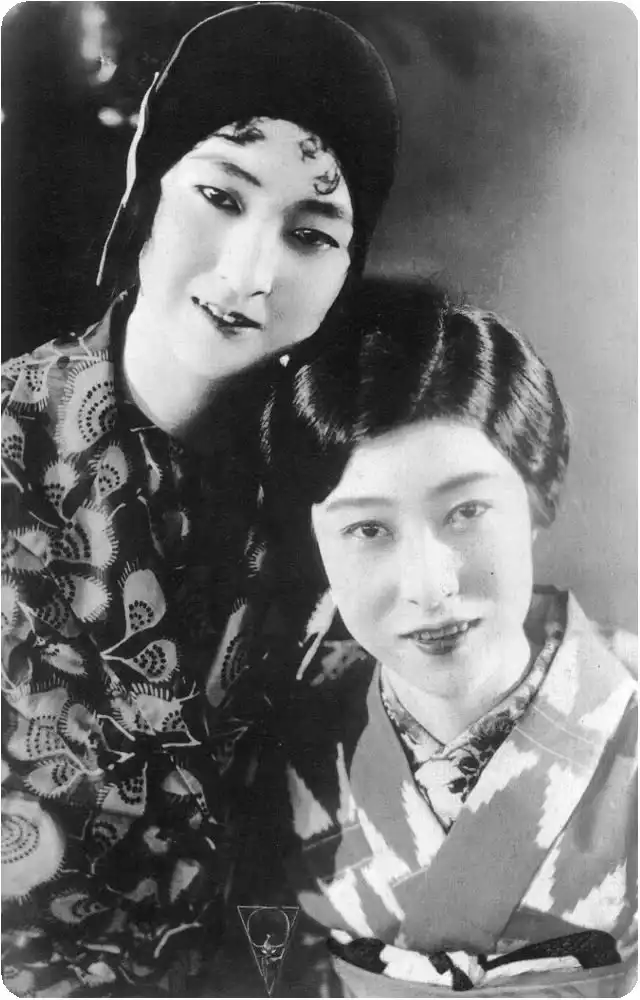
I found myself really drawn into their world, this sort of bustling yet somehow very quiet office environment. The way people move, the desks, the way the light falls. It’s a snapshot of a different time, sure, but the human feelings are so universal. It’s a testament to the actors, honestly. They didn’t have dialogue, just their faces and bodies.
There's this part where Toshie is at home, and you see her almost *practicing* a smile in front of a mirror. It's a quick shot, maybe two seconds. But it tells you everything about her longing, her nervousness. It’s such a small, human detail. So easy to miss, but it stuck with me. 💔
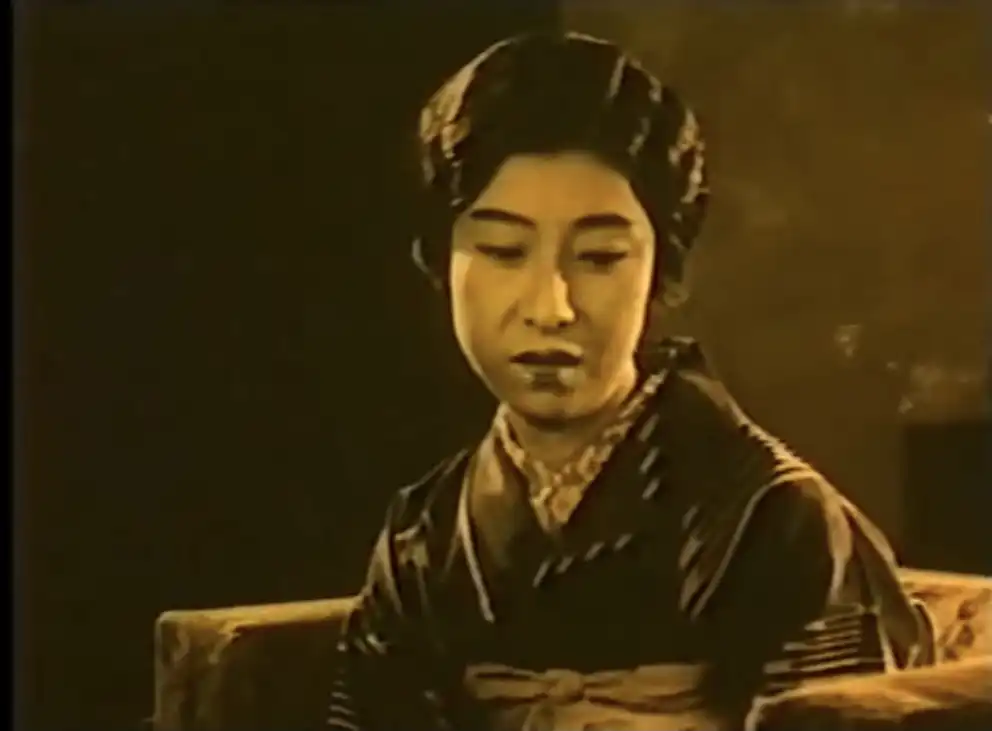
The film isn't trying to be grand or epic. It’s a small, intimate story about two people tentatively reaching for each other. There’s no big drama, no crazy plot twists. It's just... life. And that’s its strength, I think. It feels very honest, very raw in its quietness.
The ending isn’t some massive emotional explosion, either. It’s understated, in line with the rest of the film. It leaves you with a feeling, rather than a definitive answer. Which, for me, worked. It felt earned. You spend all this time observing them, you get invested.
It's a lovely little piece of history, really. And a reminder that stories about human connection, even the subtle ones, have always been powerful. If you have the patience for it, you might find something quite special here. Don't go in expecting Hollywood spectacle, obviously. Expect a whisper. 🤫
IMDb —
1916
Community
Log in to comment.