DbcultAccessing Vault...
Cult Review
Senior Film Conservator
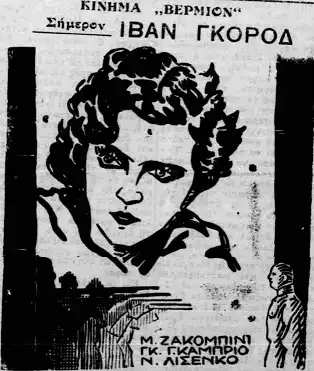
If you are the kind of person who finds watching a man stare intensely at a dark corner for three minutes 'cinematic,' then Fünf bange Tage is going to be a goldmine for you. If you need your plots to move with any kind of modern urgency, you’re probably going to hate it. It’s a movie that takes its title very literally—those five days feel long, both for the characters and, at times, for the person sitting in the chair watching them.
It’s worth watching if you’re into that specific late-1920s European gloom. It’s got that heavy, ink-black shadow work that makes everything look like it’s happening in a basement at midnight. But if you’re looking for a tight thriller, this isn't it. It’s more of a mood piece that occasionally remembers it has a story to finish.
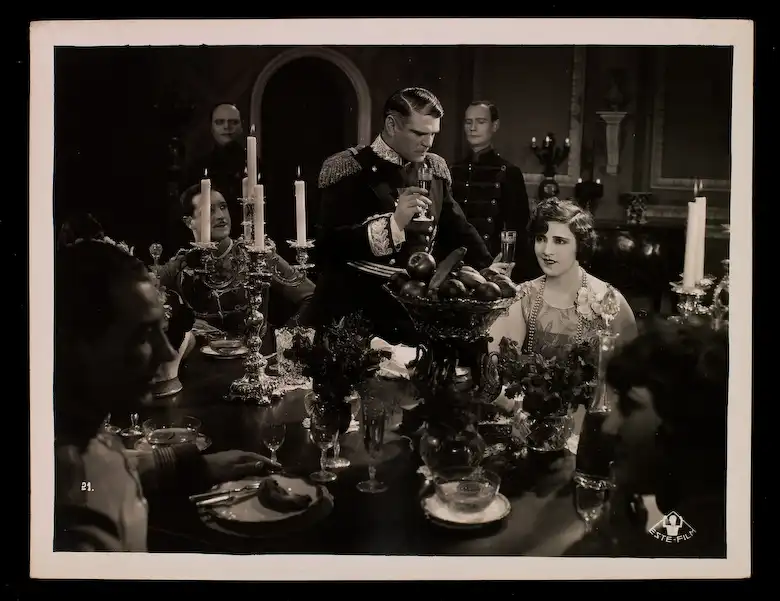
Gabriel Gabrio is the main reason to stick with it. The man has a face like a weathered cliffside. There’s a shot early on where he’s just sitting by a window, and the light hits his brow in a way that makes him look like he’s carrying the weight of the entire Weimar Republic. He doesn’t have to do much; he just exists on screen and you feel the 'angst' the title promises. He has this way of moving—slow, deliberate, almost heavy-footed—that makes the rooms he’s in feel smaller than they actually are.
Then there’s Nathalie Lissenko. She’s doing that very specific style of silent acting where her eyes seem to be vibrating. In one scene, she’s reacting to a knock at the door, and the camera just stays on her face for what feels like an eternity. You can see her going through five different stages of panic, and while it’s technically impressive, it also makes you want to yell at the screen for her to just open the damn door already. It’s one of those moments where the pacing starts to feel like a choice rather than a necessity, and I’m not sure it’s a choice that always works.
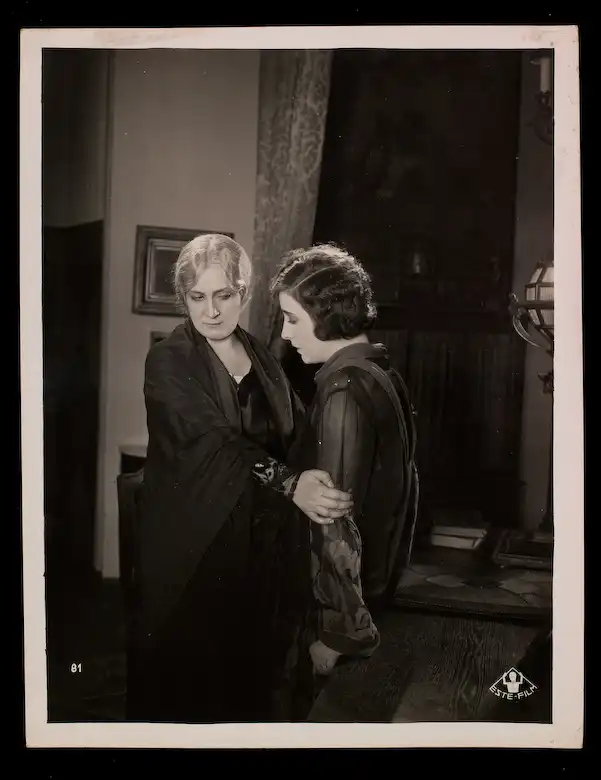
The editing is... strange. There’s a sequence about halfway through where we cut from a very tense conversation to a wide shot of a street that feels like it belongs in a completely different movie. The lighting is different, the grain of the film looks different, and for a second, I thought the projector had glitched. It’s these little jagged edges that remind you this wasn't some polished Hollywood machine production. It’s got a bit of a messier, more experimental soul.
I kept thinking about On the Steps of the Throne while watching this, mostly because of how both films handle the idea of being trapped by your own choices. But where that film feels like it has a certain regal distance, Fünf bange Tage is much more interested in the sweat on a man’s upper lip. It’s grittier, even if the grit is mostly made of stage makeup and heavy shadows.
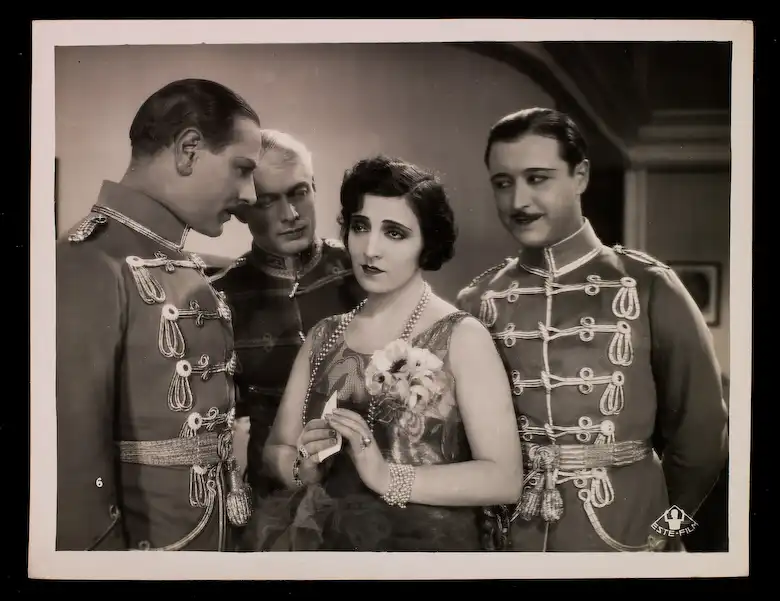
One thing that really bothered me was the costume choice for Harry Hardt. He looks way too polished. In a movie where everyone else looks like they haven’t slept or showered since the previous Tuesday, he shows up looking like he just stepped out of a tailor’s shop. It creates this weird tonal friction every time he’s in a frame with Gabrio. It’s like a character from Beverly of Graustark wandered into a crime den by mistake.
The middle of the film drags. Hard. There’s a whole section involving a letter that seems to take twenty minutes to be read, put down, picked up again, and hidden. You start noticing things you shouldn't—like how the wallpaper in the main set is peeling in a way that looks a bit too intentional, or how one of the extras in the background of a cafe scene is very clearly trying not to look at the camera.
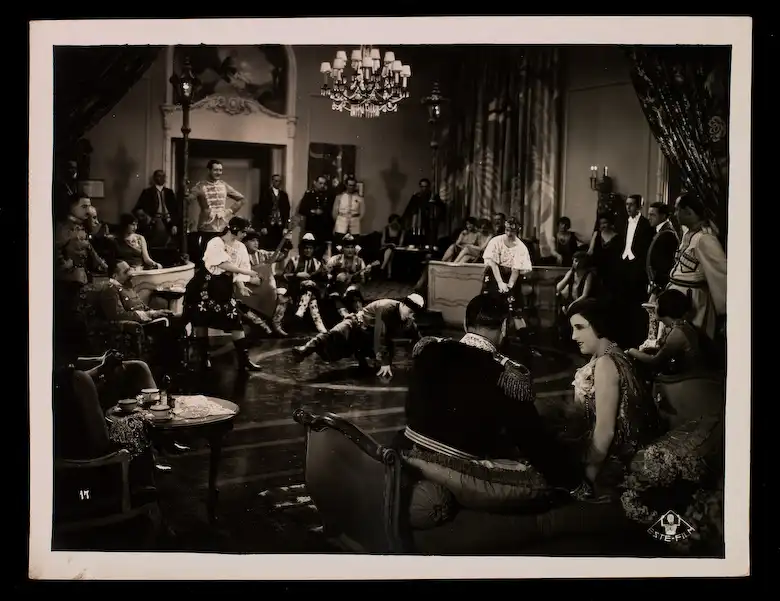
But then, it hits a stride in the final act. The 'anxiety' actually kicks in. The shadows get longer, the cuts get a little faster, and the music—if you’re watching a version with a decent score—really starts to grind at your nerves. There’s a specific shot of a shadow moving across a frosted glass door that is genuinely chilling. It’s simple, old-school filmmaking, but it works better than any of the more 'theatrical' moments in the first half.
It’s not a masterpiece. It’s too uneven for that. Some of the supporting performances, like Maria Jacobini’s, feel like they’re from a much older, broader style of acting that doesn't quite mesh with Gabrio’s more internal brooding. It’s a bit like watching two different eras of film fight for space in the same frame.
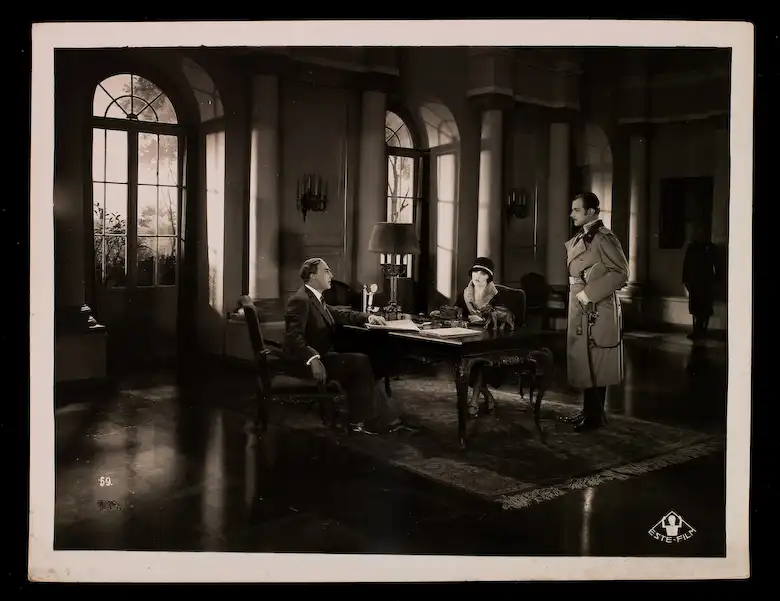
Is it a 'meditation' on anything? Probably not. It’s just a story about a guy who is having a very, very bad week. And honestly, sometimes that’s enough. You don't always need a grand theme when you have a guy who can look that miserable just by sitting in a chair. If you’ve got a soft spot for the era between the big expressionist hits and the arrival of sound, like The Last of the Carnabys, you’ll find something to like here. Just don't expect it to hurry up for you.
The ending leaves you feeling a bit cold, which I think is the point. It doesn't wrap everything up in a neat little bow. It just sort of... stops. Like the five days are up and the movie is as exhausted as the characters are. I respect that, even if it made me feel like I needed a nap immediately after the credits rolled.

IMDb 5.4
1922
Community
Log in to comment.