DbcultAccessing Vault...
6.8/10
Senior Film Conservator
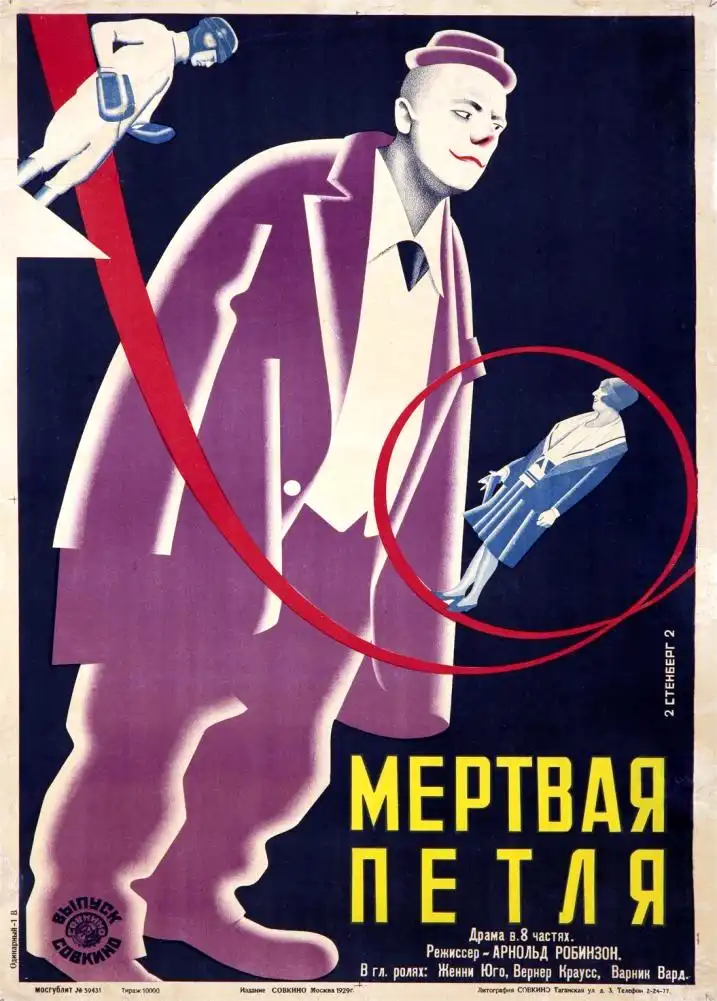
A definitive 6.8/10 rating for a film that redefined the boundaries of cult cinema. Looping the Loop remains a cornerstone of transgressive art.
If you have a spare ninety minutes and a tolerance for silent-era melodrama, Looping the Loop is a decent pick. It is mostly for people who enjoy watching Werner Krauss do his thing with his face. 🤡
If you hate clowns or movies where men mope about 'women being cruel,' you should probably skip this. The film centers on Botto, a circus performer who has decided all women are terrible because one laughed at him once.
Werner Krauss plays Botto with this very specific kind of stiffness. His clown makeup is actually quite unsettling when you see it in close-up.
It looks thick and almost like a mask that is cracking. There is a scene early on where he is sitting at his vanity, and the way he wipes the paint off feels very tired.
You can tell the character is exhausted by the act of being funny. Then you have André, played by Warwick Ward, who is the exact opposite.
He is supposed to be the 'lover of women' character, but he feels a bit flat. He loves Hanna, but then Botto meets Blanche, and things get complicated in that very 1920s way.
Jenny Jugo as Blanche is... fine. She has a very round, innocent face that the camera seems to love. 📽️
The movie really lives in the circus ring, though. The way the director, Arthur Robison, shoots the audience is interesting.
They all look slightly blurred and distant. It makes the ring feel like a lonely island.
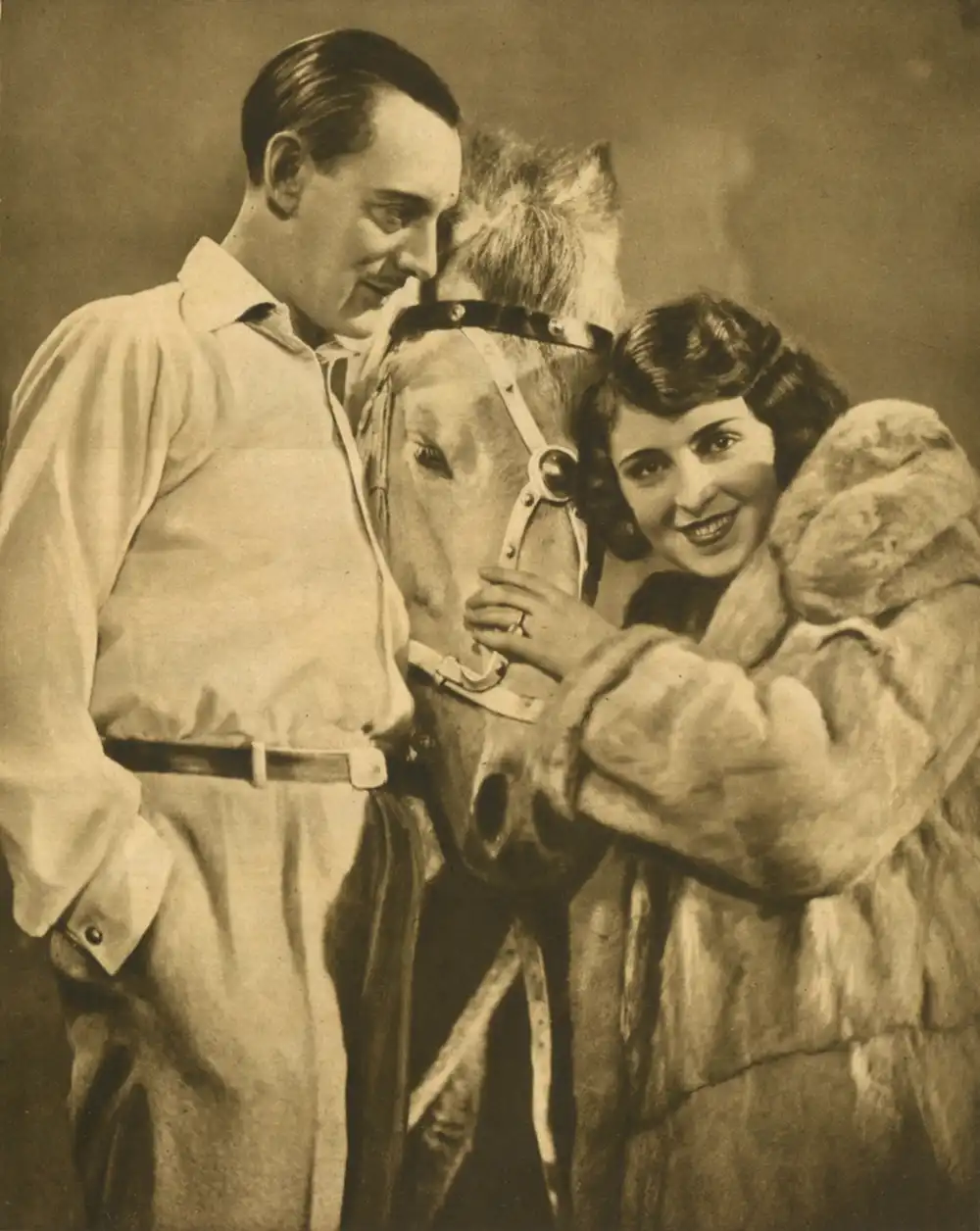
There is a weird edit during one of the circus acts where a horse disappears for a second. It is one of those tiny mistakes that makes you realize how hard these films were to put together.
The pacing gets a bit slow in the middle when they are all just talking in rooms. Silent movies in rooms can sometimes feel like they are stuck.
Unlike something more vibrant like Almost a Lady, this feels heavy. The costume choices for the circus performers are also quite strange.
Lots of sequins that probably looked better in person than on black-and-white film. Botto’s transformation when he falls for Blanche is not very convincing, to be honest.
He goes from 'I hate everyone' to 'I am in love' very quickly. But Krauss makes you believe in the ego of the man.
He wants to be seen as a great artist, not just a guy in baggy pants. There is a shot of a letter being read that stays on screen for way too long.
I found myself reading the same three lines over and over. The ending feels a bit rushed, like they ran out of film or time.
It wraps up with a very neat bow that doesn't quite fit the mood. Still, the visual texture of the film is worth the watch.
It has that grainy, flickering quality that feels like a dream. 🎪
IMDb —
1923
Community
Log in to comment.