DbcultAccessing Vault...
Cult Review
Senior Film Conservator
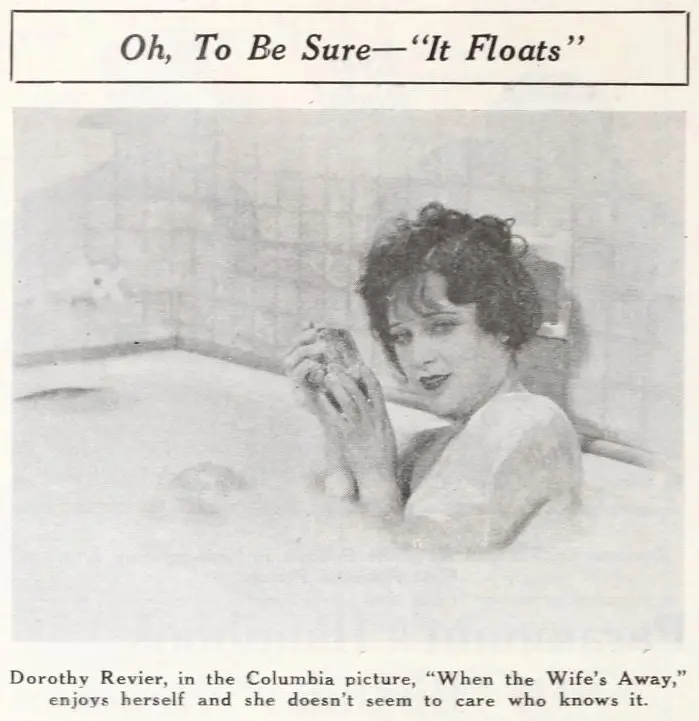
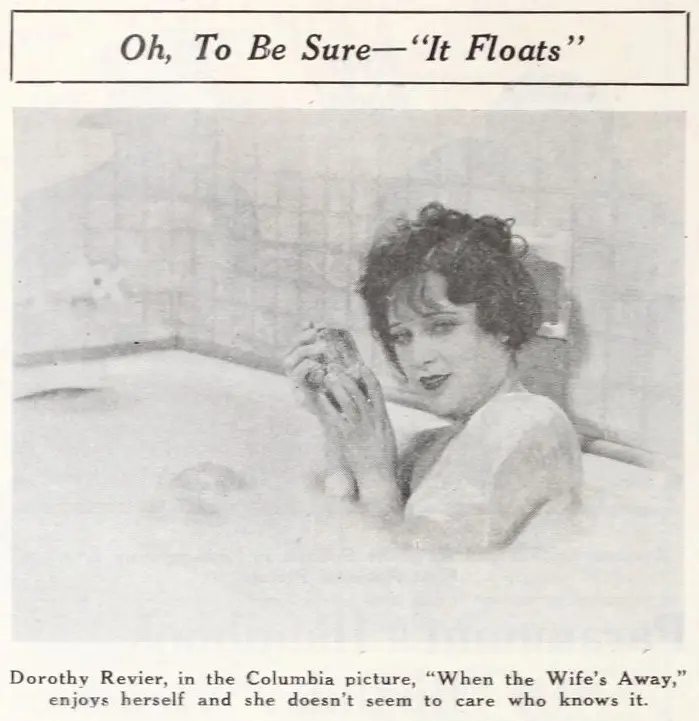
When the Wife's Away is a film that's worth watching if you're a fan of the 1930s screwball comedy, but it's not for those craving modern humor or plot twists.
This film works because it captures the essence of a bygone era, offering a taste of classic Hollywood comedy that's both charming and endearing. It fails because the plot, while entertaining, can be predictable and lacks the depth of more contemporary cinema. You should watch it if you're interested in a slice of 1930s entertainment that's full of quips and physical comedy.
When the Wife's Away is a delightful journey into the world of 1930s screwball comedy. The film is a testament to the era's style of filmmaking, filled with witty dialogue, charming performances, and a series of comedic misunderstandings that keep the audience engaged. However, it's not without its flaws, as the plot can be predictable at times and the humor is often of the slapstick variety. If you're looking for a film that takes you back to a time when movies were made for the sheer joy of entertainment, you'll find plenty to enjoy here. But if you're looking for a more complex narrative or sophisticated comedy, you might want to explore other options.
Best for: Fans of 1930s screwball comedies, those interested in a classic Hollywood experience, and those who appreciate physical comedy.
Not for: Modern comedy enthusiasts, those who prefer more substantive storytelling, and those who are put off by the predictability of the plot.
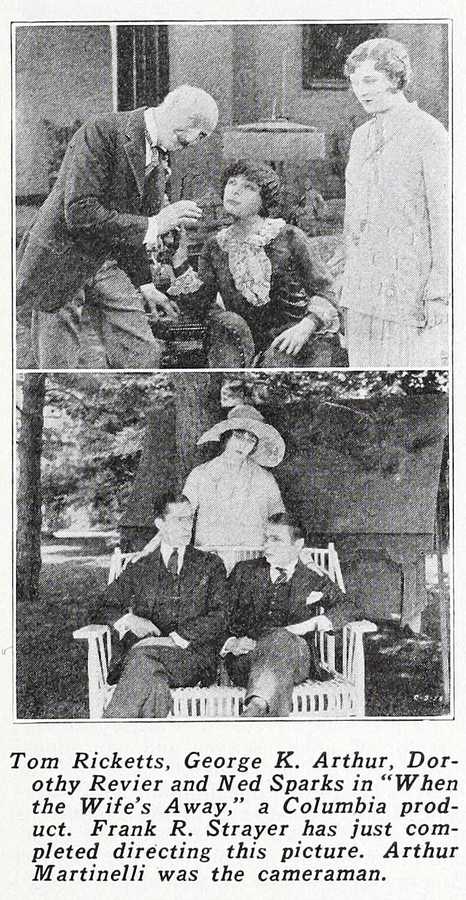
Standout element: The chemistry between the lead actors, particularly George K. Arthur and Dorothy Revier, adds a layer of charm and humor to the film.
Biggest flaw: The predictability of the plot and the reliance on slapstick humor can make the film feel somewhat dated at times.
Short answer: Yes, but it's more about the joy of the era's filmmaking than cutting-edge storytelling.
The performances in 'When the Wife's Away' are a highlight of the film. George K. Arthur and Dorothy Revier, who play the indigents, bring a natural charm to their roles, making their characters relatable and likable. Their chemistry is particularly enjoyable, adding a layer of warmth to the film. However, the supporting cast, while competent, doesn't quite reach the same level of depth as the leads.
Director Douglas Bronston handles the film with a deft touch, guiding the story through a series of comedic misunderstandings and physical gags. The pacing is brisk, ensuring that the film doesn't drag, and the tone remains consistent throughout. However, the film's reliance on physical comedy can sometimes feel forced, and the script occasionally veers into the obvious.
The cinematography in 'When the Wife's Away' is a visual treat. The film is shot in a series of vibrant, colorful sets that capture the opulence of the 1930s. The use of lighting is particularly effective, creating a sense of warmth and charm that complements the film's tone. However, the focus is somewhat narrow, with close-ups dominating the shots, which can make the overall visual experience feel somewhat limited.
The pacing of 'When the Wife's Away' is generally well-controlled. The film moves at a steady pace, allowing the audience to digest the jokes and the plot developments without feeling rushed. However, there are moments where the pacing can feel slightly uneven, particularly in scenes that rely more on dialogue than action. Overall, the film's pacing is effective in maintaining the audience's interest.
The tone of 'When the Wife's Away' is consistently light and comedic. The film aims for a screwball comedy style, with a mix of witty dialogue and physical humor. While the tone is generally successful in creating a joyful and entertaining experience, it can sometimes feel a bit overly forced, particularly in scenes that rely more on physical gags than dialogue.
When the Wife's Away is a film that's worth watching if you're a fan of the 1930s screwball comedy, but it's not for those craving modern humor or plot twists. The film's charm and entertainment value are undeniable, but its reliance on physical comedy and predictable plot can make it feel somewhat dated at times. If you're interested in a slice of 1930s entertainment that's full of quips and physical comedy, you'll find plenty to enjoy here. But if you're looking for a more complex narrative or sophisticated comedy, you might want to explore other options.
Best for: Fans of 1930s screwball comedies, those interested in a classic Hollywood experience, and those who appreciate physical comedy.
Not for: Modern comedy enthusiasts, those who prefer more substantive storytelling, and those who are put off by the predictability of the plot.
Standout element: The chemistry between the lead actors, particularly George K. Arthur and Dorothy Revier, adds a layer of charm and humor to the film.
Biggest flaw: The predictability of the plot and the reliance on slapstick humor can make the film feel somewhat dated at times.
When the Wife's Away is a film that's worth watching if you're a fan of the 1930s screwball comedy, but it's not for those craving modern humor or plot twists. The film's charm and entertainment value are undeniable, but its reliance on physical comedy and predictable plot can make it feel somewhat dated at times. If you're interested in a slice of 1930s entertainment that's full of quips and physical comedy, you'll find plenty to enjoy here. But if you're looking for a more complex narrative or sophisticated comedy, you might want to explore other options.
IMDb —
1919
Community
Log in to comment.