DbcultAccessing Vault...
1.3/10
Senior Film Conservator
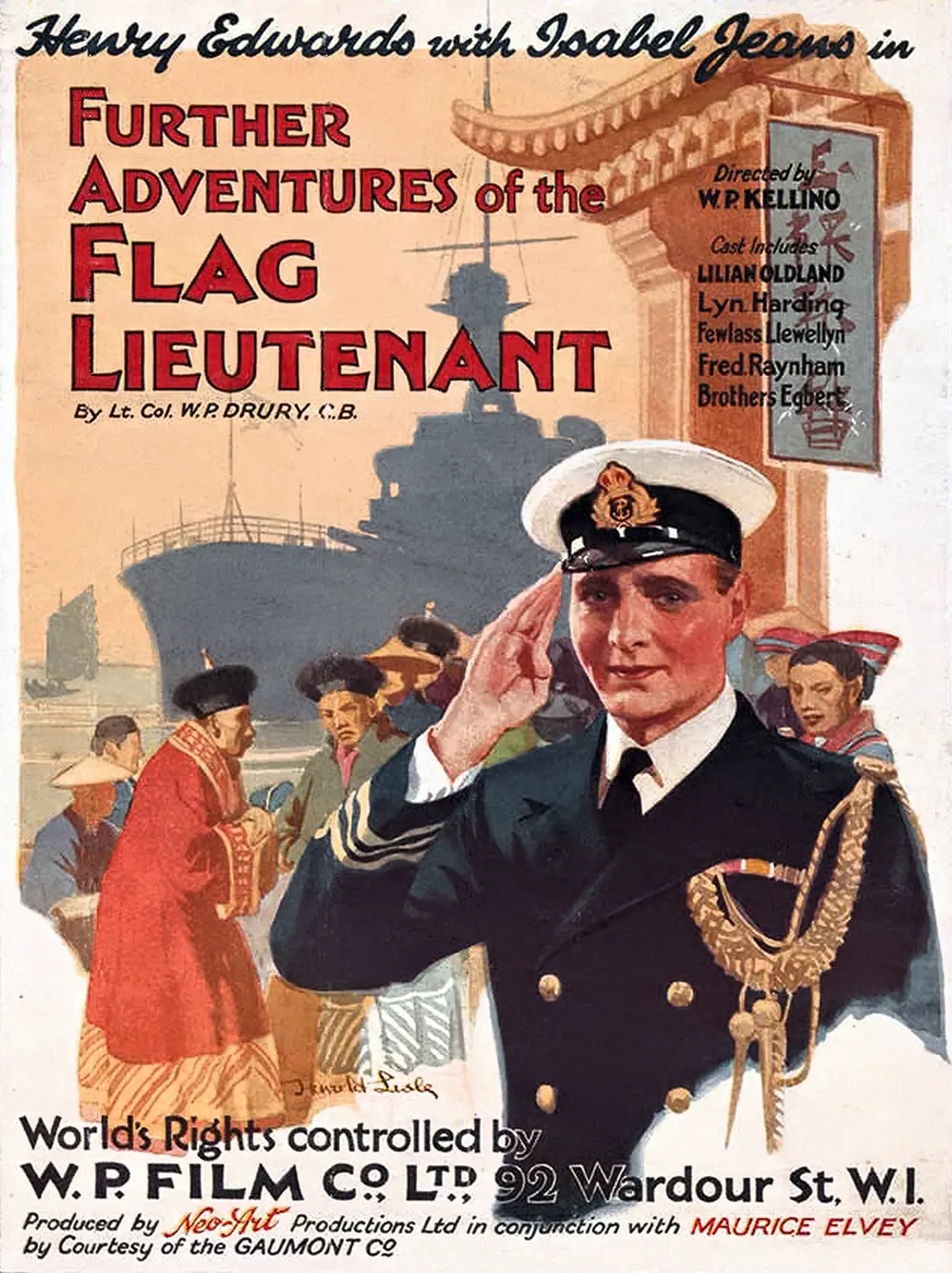
A definitive 1.3/10 rating for a film that redefined the boundaries of cult cinema. Further Adventures of a Flag Officer remains a cornerstone of transgressive art.
Is this silent-era naval thriller still worth your time in the digital age? Short answer: yes, but only if you have a deep-seated appreciation for the structural bones of the espionage genre and the stoic archetypes of 1920s British cinema. This isn't a film for those seeking the kinetic chaos of modern action; it is a film for the cinematic historian and the lover of deliberate, atmospheric pacing.
Further Adventures of a Flag Officer is specifically for viewers who enjoy the 'gentleman adventurer' aesthetic and the historical curiosity of how Western filmmakers interpreted Shanghai in 1927. It is decidedly NOT for viewers who require fast-cutting, complex sound design, or nuanced subversions of colonial-era tropes. It is a product of its time, and it wears that badge with a stiff, unyielding upper lip.
1) This film works because it understands the power of a simple, high-stakes objective: the recovery of stolen plans, which provides a clear narrative engine that survives the lack of spoken dialogue.
2) This film fails because its portrayal of Shanghai is largely decorative and studio-bound, missing the opportunity to capture the authentic grit of the location that a more daring production might have seized.
3) You should watch it if you want to see Henry Edwards at the height of his silent-era popularity, embodying the definitive British naval officer that influenced decades of military cinema.
In the landscape of 1920s British film, Henry Edwards was more than just an actor; he was a symbol of reliability. Following the massive success of The Flag Lieutenant, this sequel had a lot to live up to. The character of Richard Carew represents a very specific type of heroism—one that is rooted in duty rather than personal gain. When we see him in the opening act, there is a palpable sense of weight on his shoulders. The way Edwards handles the physical props, from the stolen plans to his sidearm, suggests a man who is an extension of the state.
The plot, penned by W.P. Drury and George A. Cooper, doesn't try to reinvent the wheel. It relies on the 'MacGuffin' of the naval plans to drive Carew into the dark corners of Shanghai. While the film lacks the experimental flair of contemporary German Expressionism or the grand scale of Hollywood epics like The Yankee Girl, it possesses a structural integrity that keeps the viewer engaged. It is a meat-and-potatoes thriller, served on fine china.
For the modern cinephile, Further Adventures of a Flag Officer is worth watching as a study in genre evolution. It provides a direct link between the Victorian adventure novel and the modern spy thriller. While it may not have the haunting mystery of Hitchcock's unfinished Number 13, it offers a complete, satisfying arc of redemption and recovery. It is a window into the cultural anxieties of the British Empire between the wars, making it a fascinating historical artifact as much as a piece of entertainment.
The setting of Shanghai is crucial, yet underutilized. In 1927, Shanghai was a city of immense tension, a melting pot of international interests and burgeoning revolution. The film uses this setting primarily as a backdrop for 'otherness.' The spies are often depicted as shadowy figures lurking in doorways, a trope that was already becoming a cliché even then. However, the cinematography by Roy Kellino—who also appears in the cast—manages to find some beauty in the artifice. There is a specific sequence involving a chase through a crowded marketplace where the camera placement creates a genuine sense of claustrophobia.
Compare this to the open spaces found in Westerns of the era like The Stampede or the rugged terrains of The Galloping Kid. In those films, the environment is an obstacle to be conquered. In Further Adventures of a Flag Officer, the environment is a maze to be navigated. This shift in spatial dynamics is what separates the naval thriller from the frontier adventure. Carew is not a pioneer; he is a protector of the status quo.
Henry Edwards delivers a performance that is surprisingly restrained for the silent era. He avoids the wild gesticulations often associated with the period, opting instead for a firm jaw and steady gaze. This restraint makes the moments when he finally loses his cool—such as the escape from the spy hideout—feel much more impactful. He is the anchor of the film, and without his grounded presence, the plot might have felt too thin.
On the other hand, Isabel Jeans brings a much-needed spark of complexity. As a woman caught in the crossfire of international espionage, she represents the more ambiguous elements of the story. While the film doesn't fully commit to a 'femme fatale' archetype, Jeans hints at a depth that the script doesn't always support. Her interactions with Edwards provide the film's only real emotional stakes beyond the recovery of the documents. It’s a shame the film didn’t lean more into her character's perspective, as it might have provided a necessary counterpoint to Carew’s rigid morality.
The pacing of the film is its most significant hurdle. Like many silents of its length, it suffers from a sagging middle act. There are only so many times we can see Carew narrowly miss his targets before the tension begins to dissipate. The intertitles, while informative, often over-explain the action, a common flaw in British silents that were still heavily influenced by the theater. A more visual approach, perhaps similar to the lighthearted energy of Toddles, might have helped bridge the gaps between the action sequences.
However, the climax of the film is genuinely well-staged. The final confrontation on the docks uses the lighting of the night-time setting to great effect. The shadows are long, the silhouettes are sharp, and for a few brief minutes, the film approaches the visual sophistication of the great thrillers that would follow in the 1930s. It works. But it’s flawed. The transition from the tension of the chase to the patriotic resolution is a bit too abrupt, leaving the audience with a sense of 'mission accomplished' rather than emotional resonance.
Pros:
Cons:
Further Adventures of a Flag Officer is a sturdy, if somewhat uninspired, sequel that succeeds primarily on the strength of its lead actor and its adherence to genre fundamentals. It is a fascinating relic of a time when the British Navy was the ultimate symbol of global order, and its heroes were as unshakeable as the ships they commanded. While it lacks the creative fire of the era's masterpieces, it is a competent and occasionally gripping thriller that deserves a spot in the conversation about early spy cinema. It doesn't break the mold—it reinforces it. For those willing to look past the artifice, there is a solid adventure to be found in the shadows of its fictional Shanghai.
IMDb 6.5
1927
Community
Log in to comment.