DbcultAccessing Vault...
Cult Review
Senior Film Conservator
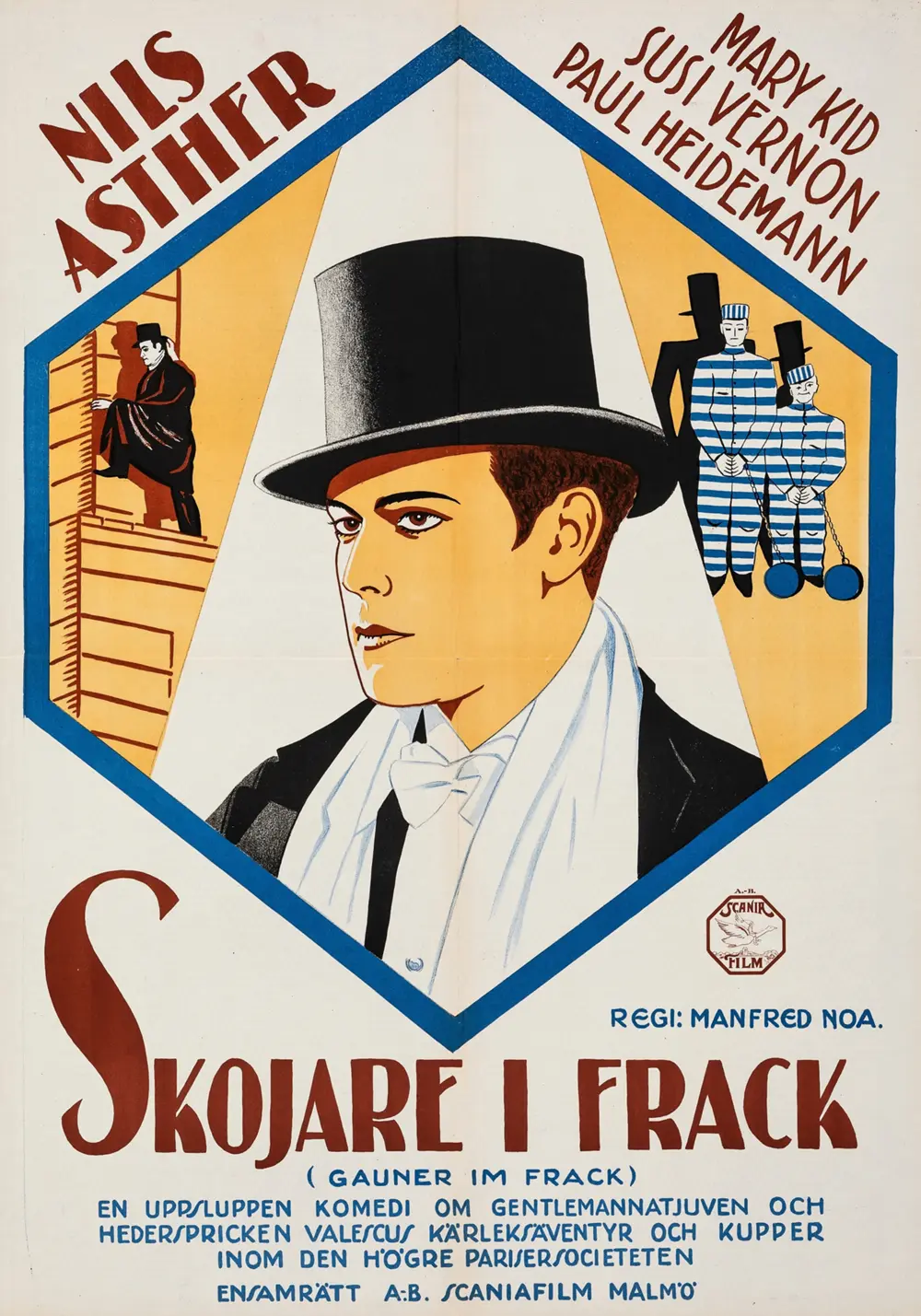
Is Gauner im Frack worth watching today? Short answer: yes, but with a significant caveat. This silent-era German production offers a fascinating glimpse into early cinematic sophistication, particularly for those with an appreciation for the era's unique storytelling cadence and the artistry of silent film performance. It is absolutely for cinephiles, historians, and anyone curious about the foundational elements of the heist genre, but it is emphatically not for viewers seeking rapid-fire pacing or the immediate gratification of modern blockbusters.
The film demands patience, rewarding those who lean into its deliberate rhythm with genuine charm and surprising thematic depth. It's a journey into a bygone cinematic language, and while some may find the dialogue cards and lack of synchronized sound a barrier, others will discover a captivating narrative beneath the surface.
Gauner im Frack, or 'Crooks in Tails,' plunges us into the glamorous yet treacherous world of Baron von Falkenburg, a character who embodies the very essence of the gentleman thief archetype. Nils Asther, a name that resonates with a certain elegance from the silent era, delivers a performance that is both captivating and subtly menacing. His Baron is not merely a thief; he is an artist of deception, a master of disguise whose true face is as elusive as the jewels he pursues. This film works because it crafts a compelling central character who is both villain and anti-hero, forcing the audience to grapple with their sympathies.
The narrative, penned by Joseph Than and Ludwig von Wohl, moves with a deceptive slowness, allowing the tension to build in a way that modern thrillers often forgo. There’s a delicious cat-and-mouse game at its heart, a silent ballet between Falkenburg and Inspector Lehmann (Georg H. Schnell) that relies heavily on visual cues and the expressive power of the actors. The film fails because its pacing, while deliberate, can occasionally feel ponderous, particularly in its expositional sequences. You should watch it if you appreciate character-driven narratives and the subtle art of silent-era acting.
The direction, while not groundbreaking, demonstrates a solid understanding of visual storytelling. The camera work, though largely static by today's standards, is effective in framing the opulence of the settings and the intensity of the characters' expressions. There's a particular sequence during a grand ball, where the camera slowly pans across the faces of the unsuspecting elite, then subtly focuses on Asther's Baron as his eyes track the Countess Vera's emerald necklace. It’s a quiet moment, but it speaks volumes about his predatory focus.
The use of light and shadow, a hallmark of German Expressionism nascent in this period, is employed to good effect, particularly in scenes depicting Falkenburg's clandestine activities. The shadows lengthen and distort, mirroring the moral ambiguity of the protagonist. While not as overtly expressionistic as something like The Cabinet of Dr. Caligari, there are clear nods to the movement's influence, particularly in the dramatic close-ups that emphasize the characters' inner turmoil.
The film's visual language is its strongest asset, often conveying more through a lingering gaze or a slight gesture than any intertitle could. This is a common strength of the era, seen also in films like Vampyrdanserinden, where atmosphere often trumps explicit dialogue.
Nils Asther is undoubtedly the star here. His portrayal of Baron von Falkenburg is a masterclass in silent film acting. He exudes an effortless charm that makes his criminal activities almost forgivable, a suave confidence that borders on arrogance. Every gesture, every tilt of his head, every flicker in his eyes contributes to the complexity of a character living a dual existence. There’s a scene where he almost gets caught, and his quick, almost imperceptible shift from panic to cool composure is truly compelling. It's a performance that holds the film together, making you believe in the impossible.
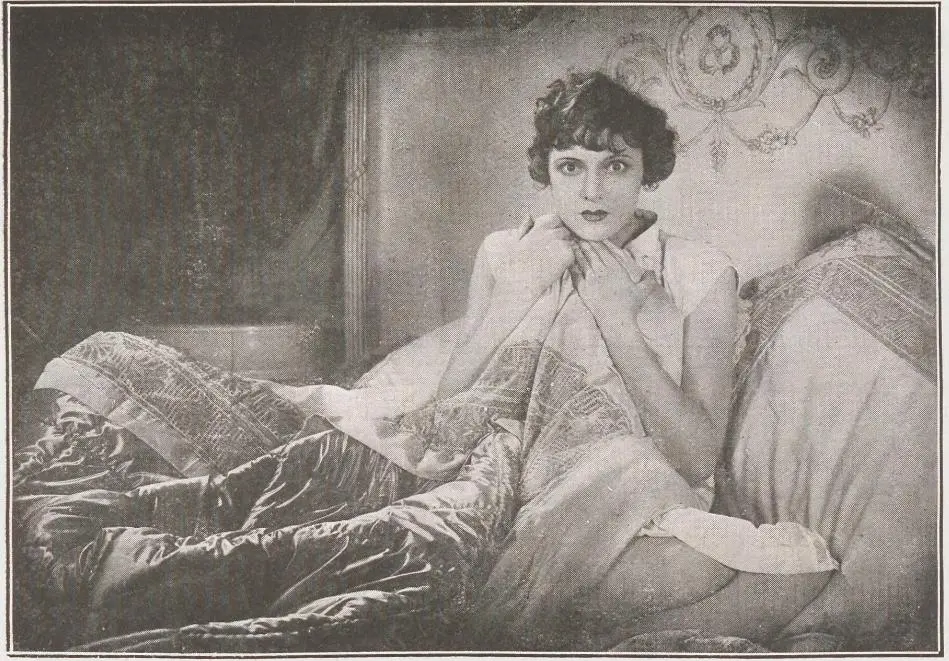
Mary Kid, as Countess Vera, holds her own against Asther's magnetic presence. She brings a vulnerability and intelligence to her character that prevents her from becoming a mere damsel in distress or an oblivious target. Her eyes, often wide with apprehension or dawning realization, are incredibly expressive. The chemistry between Asther and Kid, though subtle, adds a layer of romantic tension that elevates the narrative beyond a simple heist story, hinting at the complications that arise when the hunter begins to feel for the hunted.
Georg H. Schnell's Inspector Lehmann is the perfect foil – stoic, observant, and determined. His understated performance provides a necessary grounding presence, preventing the film from spiraling into pure theatricality. He represents the unwavering hand of justice, a stark contrast to Falkenburg's fluid morality. The supporting cast, including Oreste Bilancia and Anton Pointner, fill out the world with believable, if sometimes archetypal, characters.
The pacing of Gauner im Frack is undeniably characteristic of its era. It's a slow burn, meticulously building its world and its characters before escalating the stakes. This deliberate tempo allows for a deeper immersion into the psychological aspects of the cat-and-mouse game. Modern audiences, accustomed to the frenetic editing of contemporary thrillers, might find the initial setup challenging. However, once the narrative gains momentum, particularly in the latter half, the tension becomes palpable.
The tone oscillates between a lighthearted romantic comedy and a tense crime drama. There are moments of genuine humor, often derived from Falkenburg's audacious deceptions, juxtaposed with sequences of genuine suspense as he narrowly avoids capture. This tonal balance is one of the film's more surprising achievements, preventing it from becoming either too frivolous or too grim. It reminded me slightly of the charming mischief in A Wild Goose Chase, but with a sharper, more dangerous edge.
One could argue that some scenes linger longer than strictly necessary, testing the patience of even dedicated silent film enthusiasts. Yet, these extended moments often serve to emphasize the grandeur of the settings or the subtle shifts in character dynamics, adding to the overall texture of the film rather than detracting from it. It works. But it’s flawed.
At its core, Gauner im Frack is a compelling exploration of appearance versus reality. Falkenburg's entire existence is a performance, a carefully constructed facade designed to deceive and disarm. The film constantly challenges the audience to look beyond the surface, to question what lies beneath the polished exterior of high society. Are the 'respectable' members of the elite any less duplicitous than the 'criminal' operating within their midst? This is a strong, debatable opinion: the film subtly suggests that the lines between legal and illegal, moral and immoral, are often blurred by class and social standing. The film’s greatest strength might be its ability to present this without heavy-handed moralizing.
The writers, Joseph Than and Ludwig von Wohl, cleverly weave in social commentary without ever letting it overshadow the primary narrative. The opulence on display serves as both a backdrop for the crimes and a subtle critique of the excess that creates such tempting targets. It’s an interesting precursor to later films that would dissect class distinctions, even if it doesn't delve as deeply as some. The way the servants are almost invisible, yet privy to so much, is an unconventional observation for a film of this type.
Yes, Gauner im Frack absolutely holds value for contemporary audiences, especially those willing to engage with the unique demands of silent cinema. It’s a well-crafted period piece that showcases strong performances and a narrative that, despite its age, remains engaging. The themes of deception, social facades, and the thrill of the chase are timeless.
It's a valuable historical document, demonstrating the sophistication of German filmmaking in the 1920s. It provides context for how genres like the heist film and the romantic thriller evolved. For anyone interested in the development of cinema, it’s an essential watch.
The film offers a different kind of cinematic experience, one that encourages active viewing and interpretation. The absence of spoken dialogue forces a greater focus on visual storytelling, body language, and the emotional resonance conveyed through music (though the original score is likely lost, modern accompaniments often enhance the experience).
Gauner im Frack is more than just a historical curiosity; it’s a genuinely engaging piece of silent cinema that deserves a broader audience. While its deliberate pace and silent film conventions will not appeal to everyone, those who commit to its rhythm will find a rewarding experience. Nils Asther’s performance alone is worth the price of admission (or the effort of seeking it out). It is a testament to the enduring appeal of the gentleman thief, a character who continues to captivate across generations. This film is a solid recommendation for anyone eager to explore the sophisticated storytelling of the 1920s, offering a blend of suspense, romance, and understated social commentary that remains relevant. It's a charming, if sometimes languid, journey into the heart of cinematic deception.
IMDb —
1917
Community
Log in to comment.