DbcultAccessing Vault...
Cult Review
Senior Film Conservator

In the pantheon of early 20th-century cinema, 'Gehetzte Menschen' (1922) stands as a testament to the enduring power of the human spirit. This cinematic endeavor, crafted by the visionary filmmaker Ernst B. Fey, presents a searing examination of the trials and tribulations that beset us all. Through its complex web of character dynamics and probing themes, the film invites viewers to embark on a journey of self-discovery and introspection.
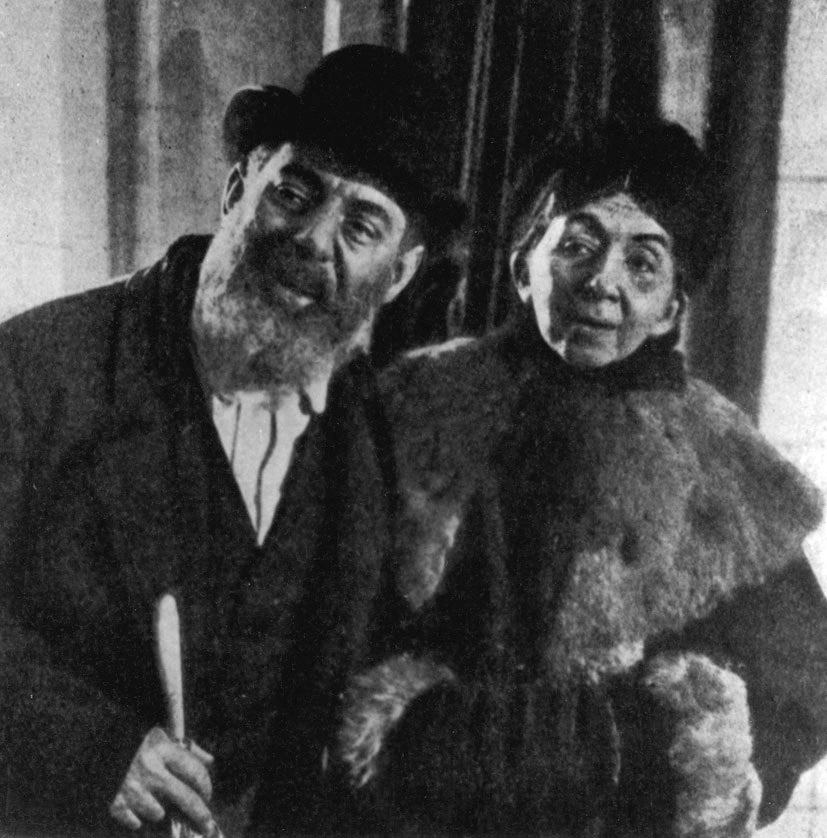
At the heart of 'Gehetzte Menschen' lies a talented ensemble cast, including Edmonde Guy, Albert Paulig, and Trude Wessely, each delivering performances that are at once captivating and heart-wrenching. Their portrayals are imbued with a depth and nuance that underscores the human condition, rendering the characters relatable and authentic. The cast's chemistry is palpable, elevating the film to a level of emotional resonance that lingers long after the credits roll.

The narrative, much like the human experience itself, is multifaceted and open to interpretation. Fey's masterful direction weaves a complex tapestry of storylines, replete with intricate character arcs and probing themes. As tensions escalate and the stakes grow higher, the characters are forced to confront the darkest aspects of their nature, leading to a crescendo of dramatic intensity. This unflinching examination of the human experience is a hallmark of 'Gehetzte Menschen', setting it apart from its contemporaries.
In an era marked by social upheaval and cultural transformation, 'Gehetzte Menschen' serves as a poignant reflection of the zeitgeist. The film's exploration of the human condition is both universally relatable and deeply rooted in the specifics of its time, rendering it a work of enduring relevance. Comparisons to other films of the era, such as Crime and Punishment (1923) and Not Guilty (1921), serve only to highlight the distinctive qualities that set 'Gehetzte Menschen' apart.

The cinematography, though often overlooked, plays a vital role in shaping the film's narrative. The interplay of light and shadow serves to heighten the sense of tension, underscoring the characters' inner turmoil. This visual storytelling, coupled with the exceptional performances, creates a cinematic experience that is at once immersive and thought-provoking.
In the context of early 20th-century cinema, 'Gehetzte Menschen' occupies a unique position, one that belies its relatively unknown status. This film, much like The City of Silent Men and A White Wilderness, showcases the innovative storytelling and thematic depth that characterized the era. As such, it is essential viewing for scholars and cinephiles alike, offering a window into the cinematic landscape of a bygone era.

The film's exploration of morality, identity, and the human condition is both probing and thought-provoking. Through its complex characters and nuanced themes, 'Gehetzte Menschen' poses difficult questions, eschewing simplistic resolutions in favor of a richly textured exploration of the complexities that define us. This approach, redolent of Virtuous Liars and The Heart of Cleveland, serves to underscore the film's commitment to artistic integrity and intellectual honesty.
In conclusion, 'Gehetzte Menschen' stands as a masterpiece of early 20th-century cinema, a film that continues to resonate with audiences today. Its exploration of the human condition, coupled with exceptional performances and innovative storytelling, renders it a work of enduring relevance. As a cinematic endeavor, it invites viewers to engage with its complex themes and characters, offering a richly rewarding experience that lingers long after the credits roll.
Ultimately, 'Gehetzte Menschen' serves as a testament to the power of cinema to illuminate the human experience. Through its unflinching examination of the trials and tribulations that beset us all, the film offers a poignant reflection of our shared humanity. As such, it is a must-see for anyone interested in the art of filmmaking, as well as those seeking to explore the complexities of the human condition.
IMDb —
1918
Community
Log in to comment.