DbcultAccessing Vault...
Cult Review
Senior Film Conservator
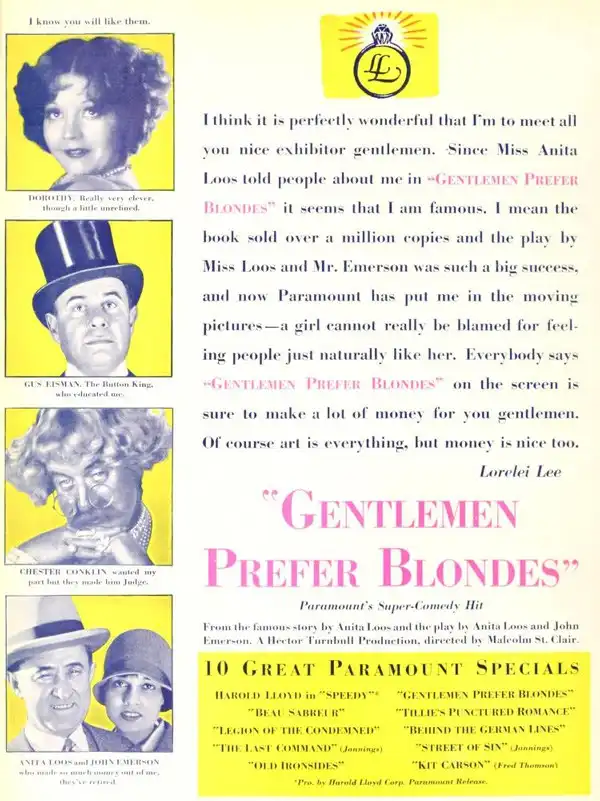
The 1928 silent adaptation of Anita Loos's scandalous novel, Gentlemen Prefer Blondes, is primarily a film for historians, silent cinema enthusiasts, and those curious about early Hollywood's take on the iconic Lorelei Lee. For a casual viewer today, expecting anything close to the snappy pace or musical numbers of the later Marilyn Monroe vehicle, it will likely feel like an academic exercise. If you appreciate the unique rhythms of silent storytelling, the broad physical comedy, and the chance to see a foundational text of American pop culture in its nascent cinematic form, then it's absolutely worth your time. If you're looking for a film that immediately hooks you with modern sensibilities or intricate character work, you'll probably find its charms elusive.
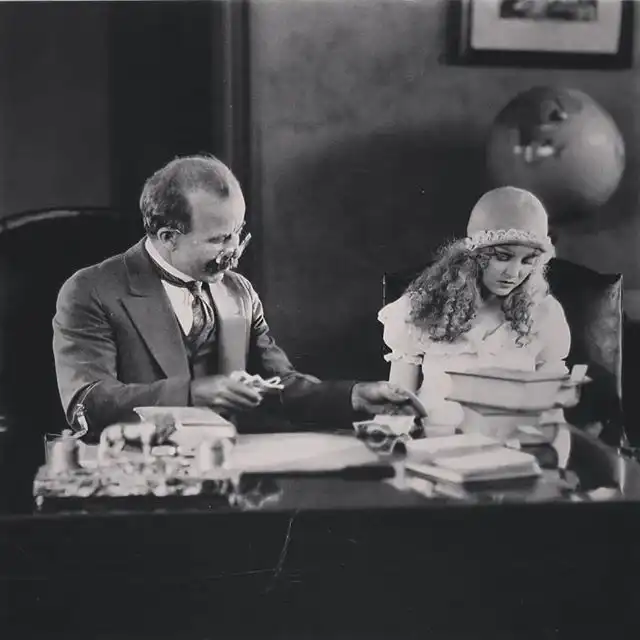
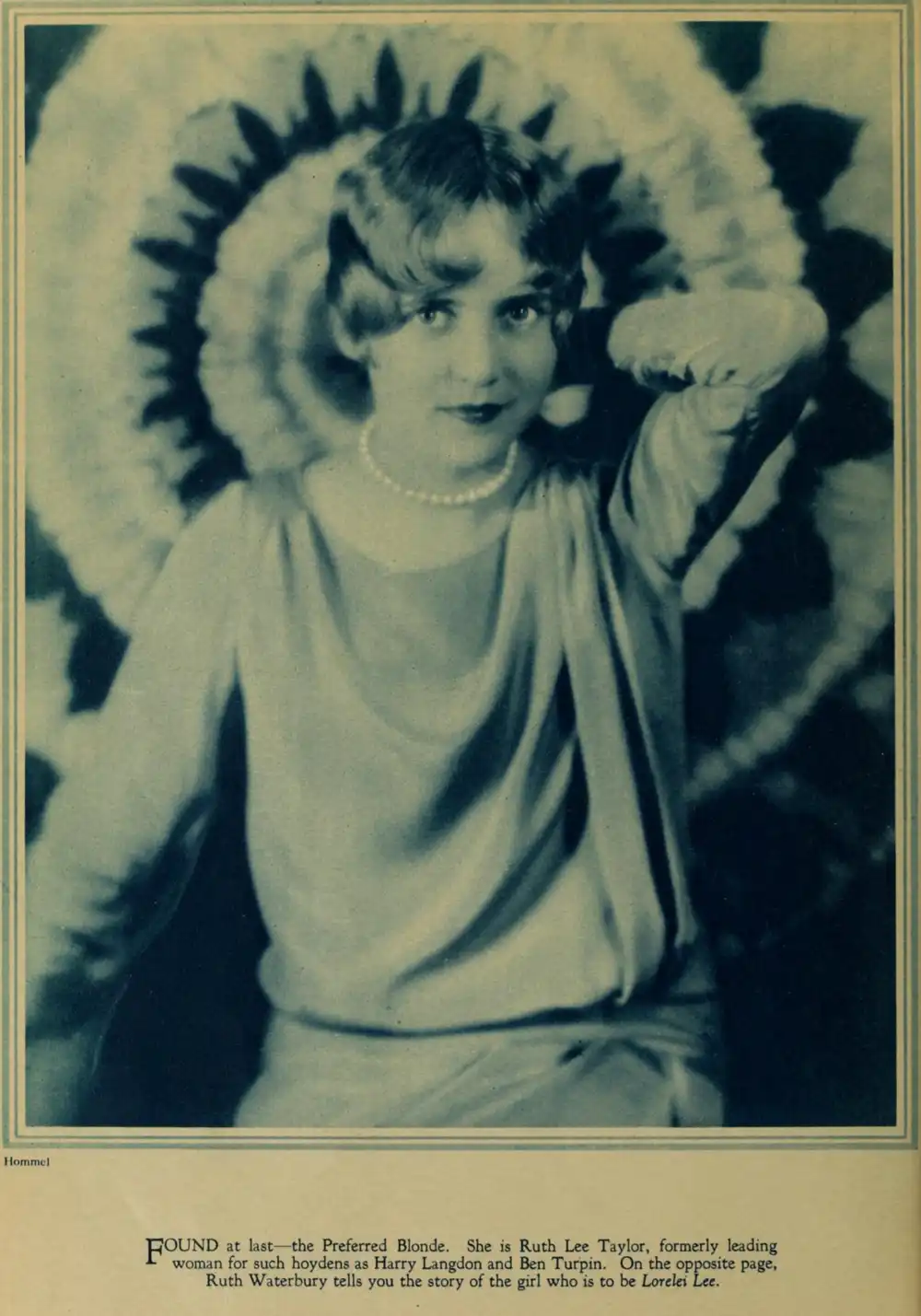
This iteration of Gentlemen Prefer Blondes presents Lorelei Lee (Ruth Taylor) and Dorothy Shaw (Alice White) in their original, un-musicalized form. The narrative follows their transatlantic journey and their distinct approaches to securing wealthy husbands. Lorelei, with her wide-eyed, almost childlike demeanor, is a master of calculated charm, while Dorothy offers a more grounded, often exasperated counterpoint. The film's humor largely stems from the contrast between Lorelei's relentless pursuit of material gain and Dorothy's more romantic, if still pragmatic, inclinations.

Ruth Taylor's portrayal of Lorelei is fascinating to watch. She doesn't have the effortless magnetism of Monroe, but instead leans into a more deliberate, almost mechanical performance. Her gestures are often grand and precise, as if she's constantly aware of the camera. When she's calculating her next move, there's a subtle narrowing of the eyes that, through the heavy silent film makeup, still conveys a shrewd intelligence behind the seemingly naive facade. It’s less about naturalistic acting and more about hitting specific emotional beats with clear, legible expressions for the audience. This works for the character, who is, after all, performing a role herself.
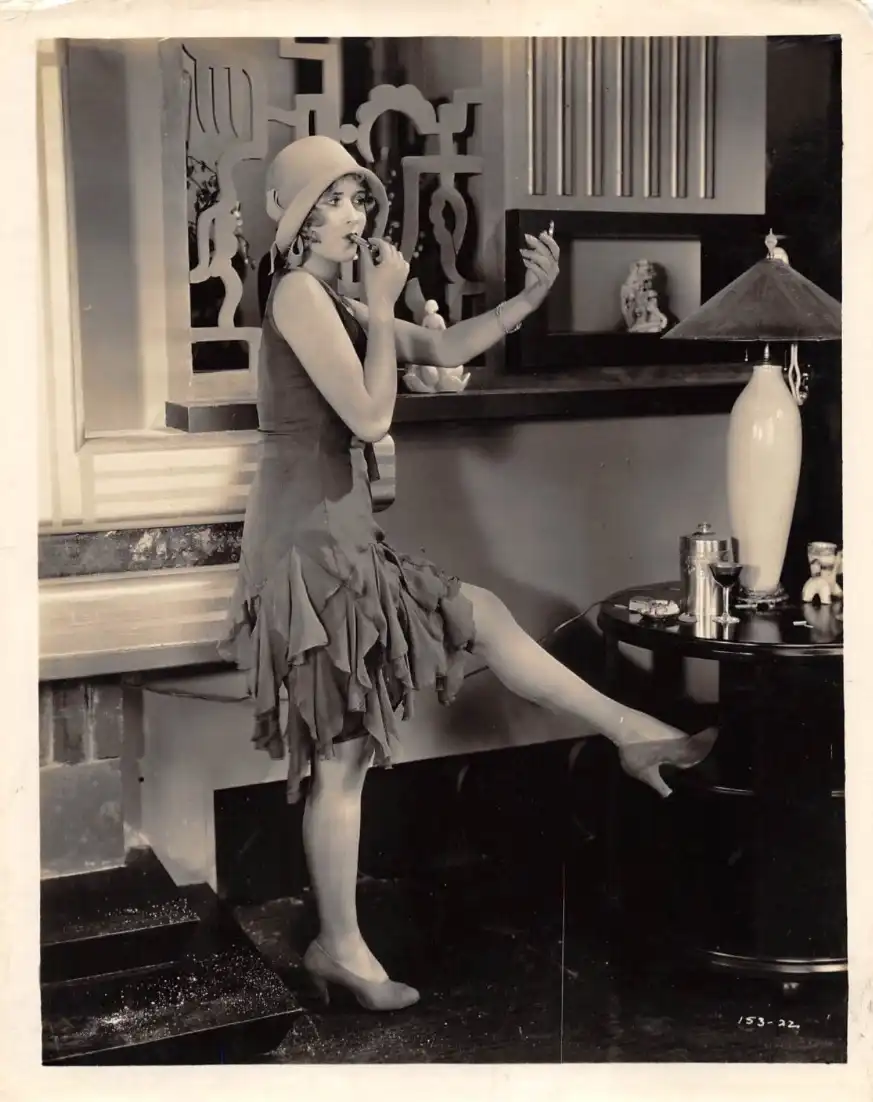
Alice White, as Dorothy, brings a much-needed vivacity and relatability to the screen. Her reactions to Lorelei's more outrageous schemes are consistently the film's strongest comedic beats. A particular moment sees Lorelei explaining her latest financial maneuver, and White’s Dorothy responds with a series of quick, incredulous glances and a slight shake of the head – a subtle but effective pantomime of disbelief that cuts through the more exaggerated acting around her. She grounds the film, preventing it from feeling entirely like a caricature parade.
As a silent film, the pacing is, by modern standards, deliberate. Scenes tend to linger, allowing the audience to absorb the visual information and the intertitles. This isn't necessarily a flaw, but it requires a different kind of engagement. There are stretches, particularly during the lengthy shipboard sequences, where the jokes feel drawn out, relying on repeated visual gags that lose their punch after the first instance. A running bit involving a particularly portly suitor attempting to keep up with Lorelei's demands, replete with exaggerated huffs and puffs, becomes somewhat tiresome.
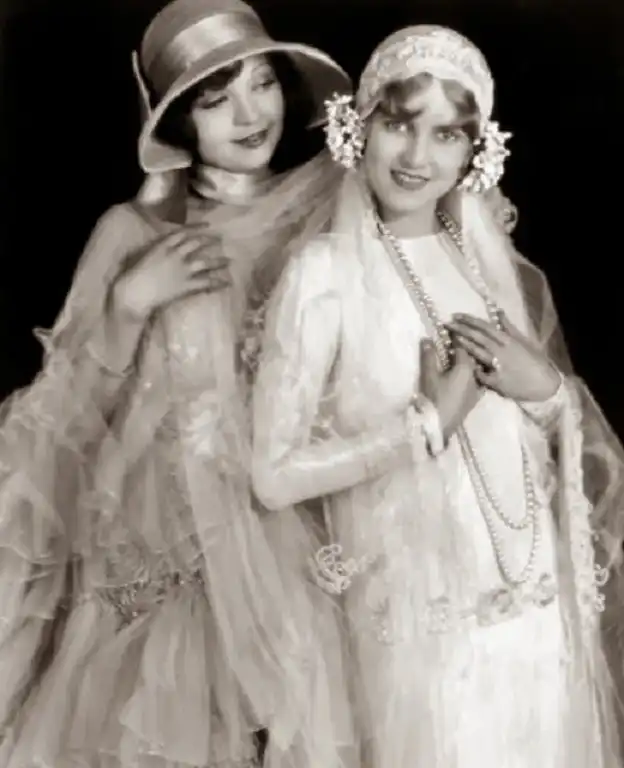
The film's tone is overtly comedic, with clear satirical undertones aimed at the superficiality of high society and the transactional nature of certain relationships. The humor is often broad, relying on physical comedy and exaggerated reactions. The production design, especially on the ocean liner, is quite lavish for the era. The sets convey a sense of opulence, with grand ballrooms and crowded decks, though the extras often feel somewhat stiffly directed, moving more like stage blocking than spontaneous crowd activity. One particular shot of the ship's promenade deck, bustling with formally dressed passengers, offers a genuine glimpse into the perceived glamour of transatlantic travel in the late 1920s.
Visually, the film is fairly straightforward. Cinematography serves the narrative without much in the way of experimental flair. Close-ups are used effectively to convey character reactions, but the editing can sometimes feel abrupt. There’s a sequence where Lorelei is trying to sneak a diamond necklace into her possession, and the cuts between her furtive glances and the necklace itself are a little too quick, undermining the suspense. However, other moments, like Lorelei’s elaborate costuming, particularly a sequence where she’s adorned in furs and jewels, are visually striking and emphasize her character's priorities.
The film's greatest strength lies in its historical value as an early adaptation of a culturally significant work. It offers a fascinating window into how Loos's sharp social commentary was translated to the screen before the advent of sound. The intertitles, often direct quotes or paraphrases from the novel, are witty and preserve much of Loos's distinctive voice. The dynamic between Taylor and White, despite the silent film acting conventions, effectively conveys the enduring friendship and contrasting personalities of Lorelei and Dorothy.
However, its weaknesses are also apparent. The pacing, while typical for the era, can be a hurdle for modern viewers. Some of the supporting performances, particularly those of the various suitors, are one-note and quickly forgettable, relying on archetypes rather than developed characters. Mack Swain, known for his comedic roles, is underutilized here, his presence adding little beyond generic elderly suitor antics. The film struggles to maintain comedic momentum throughout its runtime, with gags often overstaying their welcome.
One small, telling detail that only a viewer would notice is during a particularly chaotic party scene on the ship. As Lorelei is orchestrating a subtle blackmail attempt, a background extra, attempting to navigate the crowded room, clearly stumbles and nearly knocks over a potted plant. The actor quickly rights themselves, but the unscripted moment adds a fleeting, almost charmingly amateurish touch of reality to the otherwise carefully staged environment.
Gentlemen Prefer Blondes (1928) is a curio, a piece of cinematic history that offers a glimpse into the transitional period of Hollywood. It’s not a masterpiece, nor is it likely to convert casual viewers to the silent film genre. But for those with an interest in film history, the evolution of popular adaptations, or simply the unique artistry of silent cinema, it's a worthwhile watch. It’s a film that demands patience and an appreciation for its context, rewarding viewers with a foundational, if somewhat dated, take on two iconic characters and their timeless pursuit of happiness, however financially motivated. Don't expect Marilyn, but do expect a fascinating, if occasionally slow, journey back in time.
IMDb —
1918
Community
Log in to comment.