DbcultAccessing Vault...
Cult Review
Senior Film Conservator
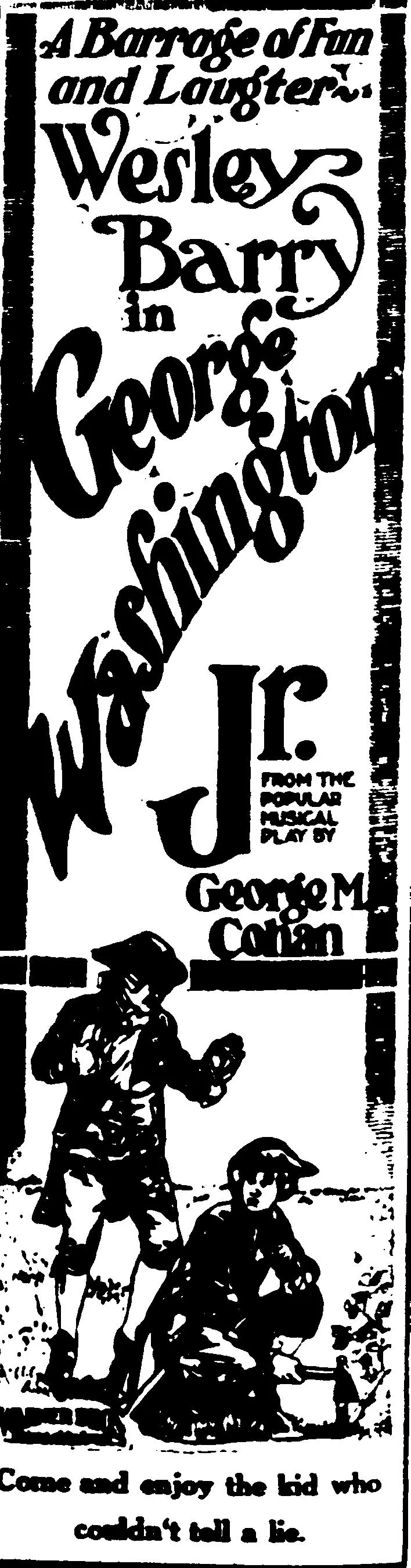
Stepping back into the annals of early 20th-century cinema offers a unique perspective on storytelling, character, and the very fabric of American entertainment. Among the treasures unearthed from this vibrant era is George Washington, Jr., a 1924 silent film that, despite its age, pulses with a timeless narrative of familial loyalty, political intrigue, and the unmasking of deceit. It's a delightful delve into a period where gestures spoke louder than words and the grand sweep of melodrama held audiences captive, proving that compelling drama transcends the spoken word.
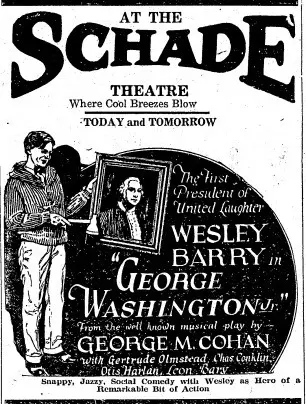
The film, an adaptation of George M. Cohan's popular stage play, brings to the screen a tale that is both quaintly charming and surprisingly suspenseful. At its heart lies a seemingly innocuous premise: a distinguished senator, played with a blend of paternal concern and political ambition by Otis Harlan, seeks to secure a prestigious match for his niece, portrayed by the graceful Gertrude Olmstead. The chosen suitor? A foreign count, seemingly an epitome of European aristocracy. Yet, as so often in dramatic narratives, appearances are deceiving, and the veneer of sophistication conceals a much darker reality.
It is the senator's teenage son, the titular George Washington, Jr., brought to life with an infectious earnestness by Wesley Barry, who becomes the unlikely fulcrum of the entire unfolding drama. Young George, with his youthful idealism and an innate sense of justice, stumbles upon the shocking truth: the esteemed count, far from being a noble figure, is a ruthless charlatan and an international criminal. This revelation ignites a frantic race against time, as George endeavors not only to prevent his cousin from entering a disastrous, loveless marriage but also to safeguard his father's reputation from the imminent ruin that would inevitably follow such a scandalous alliance. The film masterfully builds tension through visual cues and the escalating stakes, drawing the viewer into George's desperate mission.
To fully appreciate George Washington, Jr., one must first acknowledge its foundational source: the prolific and influential George M. Cohan. Often lauded as 'the man who owned Broadway,' Cohan's patriotic fervor and knack for crafting engaging, often comedic, narratives translated remarkably well to the silent screen. His original play infused the story with a distinct American spirit, a celebration of ingenuity and common sense triumphing over aristocratic pretension and foreign villainy. This underlying current of American exceptionalism, particularly potent in the post-World War I era, resonated deeply with audiences.
The transition from stage to screen, handled by writer Rex Taylor, was a delicate act of translation. Silent films, without the benefit of spoken dialogue, relied heavily on exaggerated gestures, expressive facial movements, and well-crafted intertitles to convey plot and emotion. The essence of Cohan's witty dialogue and rapid-fire exchanges had to be distilled into visual metaphors, a challenge that the filmmakers met with considerable skill. The result is a film that, while adhering to the melodramatic conventions of its time, still manages to feel lively and engaging, a testament to the enduring power of Cohan's original concept and the silent film medium's unique ability to communicate complex ideas through pure visual artistry.
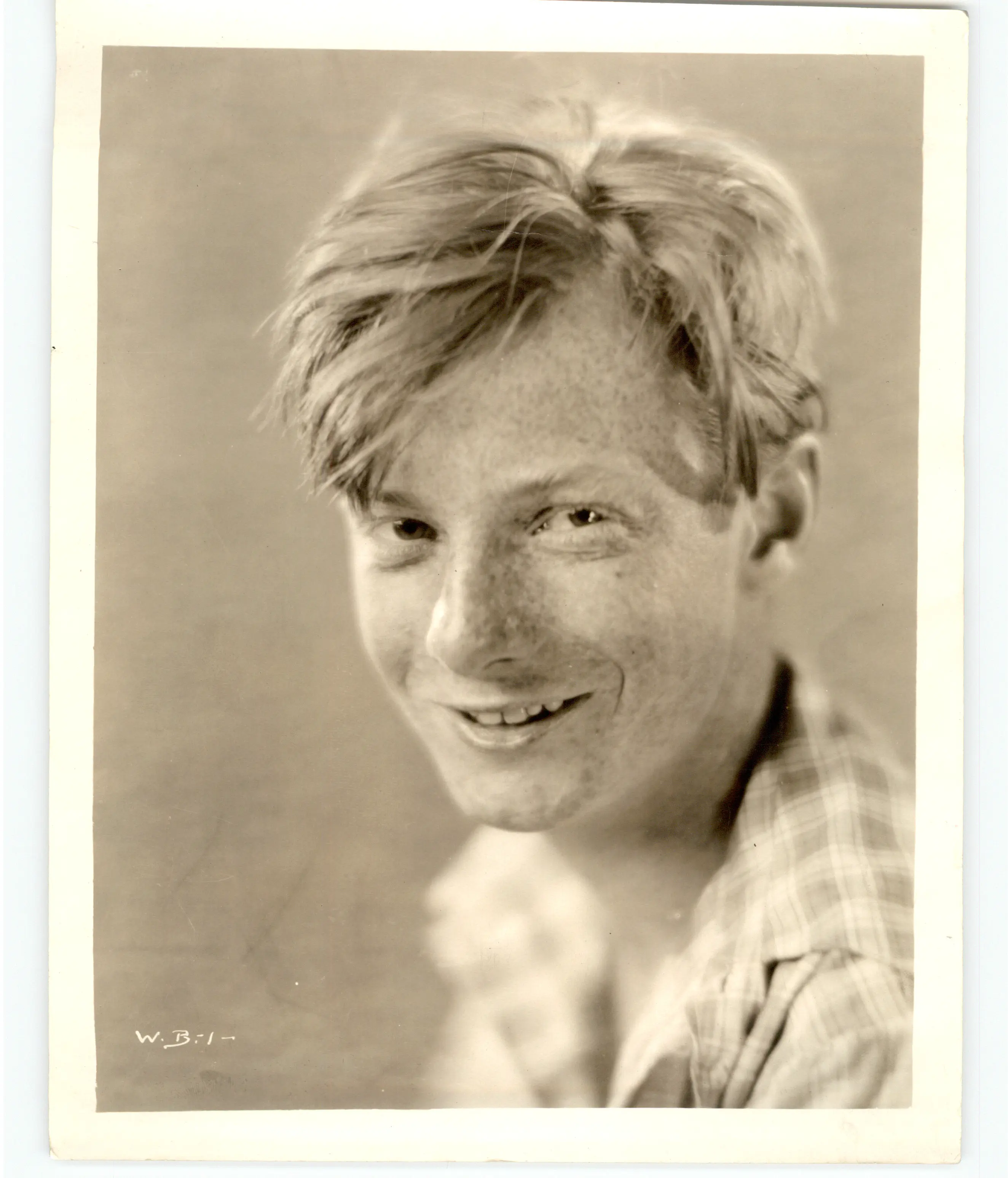
The strength of George Washington, Jr. lies not just in its plot, but in its vividly drawn characters, each playing a crucial role in the unfolding drama. Wesley Barry, a popular child and teenage actor of the era, delivers a performance brimming with youthful exuberance and determination. His George Washington, Jr. is not merely a plot device but a fully realized protagonist – intelligent, resourceful, and deeply loyal. He embodies the idealized American youth, quick-witted and morally upright, unafraid to challenge authority when integrity is at stake. Barry's expressive face and energetic physicality perfectly convey George's mounting anxiety and his unwavering resolve.
Otis Harlan, as the Senator, provides a nuanced portrayal of a man caught between his public duty and private desires. He is not a malicious figure, but rather a man blinded by ambition and perhaps a touch of naiveté regarding the complexities of international high society. His initial eagerness to secure a prestigious marriage for his niece, believing it to be in her best interest and a boon to his own standing, sets the entire conflict in motion. Harlan conveys the senator's eventual distress and humiliation with a gravitas that makes his character genuinely sympathetic, highlighting the theme that even well-intentioned actions can have disastrous consequences.
Gertrude Olmstead, as the niece, is the emotional anchor of the film. Her character is largely a pawn in the machinations of others, a common trope for female characters in films of this period. Yet, Olmstead imbues her with a quiet dignity and a palpable sense of apprehension about the impending marriage. Her eventual relief and joy, once the truth is revealed, are genuinely heartwarming. The plight of women in such situations, often with limited agency over their own destinies, is a subtle but poignant undercurrent, a theme that also echoes in films like The Average Woman, where societal expectations and the pressures of marriage frequently dictated female roles and opportunities.
Léon Bary, as the nefarious Count, is a deliciously sinister villain. His performance is a masterclass in silent film villainy – a smooth, charming exterior concealing a cold, calculating interior. Bary uses his eyes and subtle facial expressions to hint at the count's true nature long before it is explicitly revealed, building a sense of unease. He represents the classic antagonist: a threat not just to the family's honor but to the very ideals of truth and justice. His cunning and ruthlessness provide a stark contrast to George's youthful innocence, creating a compelling dynamic that drives the narrative forward. The unmasking of such a sophisticated criminal, and the suspense inherent in George's efforts to expose him, shares a thematic kinship with the thrilling unraveling of hidden identities and dangers seen in films such as The Secret of the Swamp, where secrets lurk beneath seemingly placid surfaces.
The plot of George Washington, Jr. unfolds with a brisk pace, characteristic of many silent action-comedies and melodramas. The initial setup establishes the senator's ambition and the niece's reluctant acceptance, creating a foundation for the impending conflict. George's discovery of the count's true nature serves as the primary inciting incident, propelling the narrative into a series of increasingly tense encounters and clever stratagems employed by the young hero. The film avoids excessive exposition, relying instead on visual storytelling to convey key plot points and character motivations.
The suspense is expertly managed. As George gathers evidence and attempts to communicate the danger to his oblivious father, the audience is kept on edge, fearing that his efforts will be too little, too late. There are moments of genuine peril, as the count, realizing he is being investigated, attempts to thwart George's efforts. These cat-and-mouse sequences, while perhaps less overtly kinetic than later action films, are effective in their silent portrayal, relying on close-ups of anxious faces, quick cuts, and dramatic gestures to convey urgency. The film's ability to maintain this level of engagement without a single spoken word is a testament to the skill of its director and performers.
Moreover, the film injects moments of lightheartedness and comedic relief, often through George's youthful antics or the bumbling nature of some supporting characters. This tonal variation prevents the melodrama from becoming overwhelming, providing necessary breathers before diving back into the high-stakes drama. The resolution, while predictable, is satisfying, reinforcing the triumph of good over evil and the importance of familial bonds. The final confrontation and the exposure of the count are handled with a flourish that leaves the audience with a sense of justice served. The theme of unmasking a dangerous charlatan, who operates under a veneer of respectability, finds a thematic echo in the tension and exposure of criminal elements in films like Blackmail, where secrets and illicit activities are brought into the unforgiving light.
In the silent era, direction and cinematography were paramount. Without dialogue, filmmakers had to master the art of visual storytelling. George Washington, Jr. is a strong example of this craft. The use of intertitles is judicious, providing essential dialogue and narrative bridges without bogging down the visual flow. Instead, much of the story is told through expressive performances, meticulously staged scenes, and the strategic use of camera angles and editing.
The film employs a range of techniques to convey emotion and plot. Close-ups are used effectively to highlight character reactions – a worried glance from the niece, a determined set of George's jaw, or the count's sneering smile. Long shots establish the grandeur of the senator's home or the settings of various intrigues, providing a sense of scale. The pacing of the editing, particularly during moments of suspense, is crucial; quick cuts heighten tension, while longer takes allow for more contemplative emotional beats. The visual clarity of the storytelling ensures that even modern audiences, accustomed to sound and color, can easily follow the narrative threads and empathize with the characters.
Lighting, too, plays a subtle but important role, using contrasts to emphasize the moral dichotomy between the innocent and the villainous. While the technology was rudimentary by today's standards, the filmmakers demonstrated a keen understanding of how to manipulate light and shadow to create mood and atmosphere. This attention to visual detail, from costume design to set dressing, immerses the viewer in the period and the world of the film, making it a compelling visual experience even a century later.
Despite its age, George Washington, Jr. resonates with themes that remain perennially relevant. The clash between youthful idealism and adult compromise, the importance of family honor, and the eternal struggle against deception are all powerfully explored. George's unwavering commitment to truth and justice, even when facing formidable odds, is an inspiring message that transcends the silent film era. His journey, navigating a world of adult complexities and potential perils, finds a spiritual kinship with the earnest, sometimes naive, yet ultimately determined protagonists seen in films like Daddy-Long-Legs, where young characters grapple with circumstances beyond their immediate control to forge their own path or protect loved ones.
The film also offers a fascinating glimpse into societal values and anxieties of the 1920s – the concern for reputation, the allure of foreign aristocracy, and the underlying patriotic sentiment. It reminds us that while the technological aspects of filmmaking have evolved dramatically, the core elements of compelling storytelling – relatable characters, clear stakes, and a satisfying resolution – have remained constant. It’s a historical artifact that still entertains, educates, and perhaps even inspires, proving that a well-told story, regardless of its medium or era, possesses an enduring power to captivate.
In the grand tapestry of American silent cinema, George Washington, Jr. may not be as widely discussed as some of its more epic contemporaries, but it holds its own as a charming and effective piece of entertainment. It’s a testament to the era's ability to produce engaging narratives with limited technical means, relying instead on strong performances, clear storytelling, and the universal appeal of a hero’s journey. For those interested in the evolution of film, the adaptation of stage plays, or simply a good old-fashioned melodrama, this film offers a thoroughly enjoyable and insightful viewing experience. It reminds us that the foundations of cinematic narrative were laid with ingenuity and a deep understanding of human emotion, long before sound graced the silver screen.
IMDb —
1922
Community
Log in to comment.