DbcultAccessing Vault...
Cult Review
Senior Film Conservator
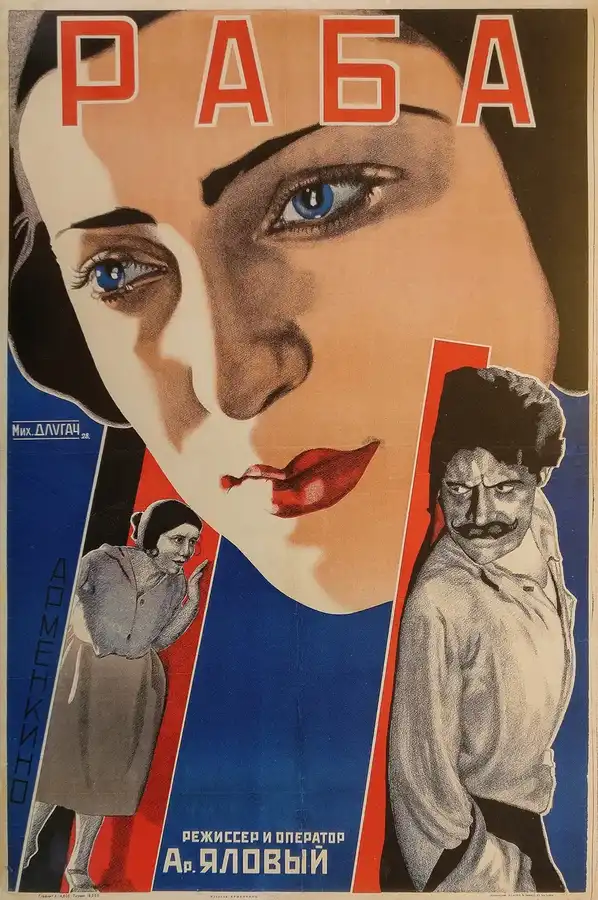
Is Ghule worth watching today? Short answer: yes, absolutely, but be prepared for a viewing experience that demands your full emotional investment and offers little in the way of easy answers. This film is a profound journey for those who appreciate historical dramas rooted in personal trauma and the enduring power of familial bonds, yet it will likely alienate viewers seeking high-octane action or straightforward narratives that resolve neatly.
From its opening frames, Ghule establishes itself as a work of quiet intensity, a cinematic poem about the lasting reverberations of war long after the guns have fallen silent. It’s a film that doesn't just tell a story; it invites you to inhabit the emotional landscape of its characters, forcing a confrontation with the uncomfortable truths of loss and hesitant hope.
The core of Ghule revolves around the reunion of a sister and brother, separated for years by a devastating civil war. This isn't a joyous, triumphant homecoming filled with cathartic embraces. Instead, writers Manvel Manvelyan and Arkadi Yalovoy craft a narrative steeped in the awkward silences and unspoken questions that define relationships fractured by immense suffering. Their screenplay understands that some wounds are too deep for words, manifesting instead in guarded glances, hesitant gestures, and the persistent weight of shared, yet uncommunicated, grief.
The film works because of its raw emotional honesty, compelling central performances, and unflinching portrayal of post-conflict life. It doesn't shy away from the difficult realities, presenting a world where peace is merely the absence of open conflict, not the presence of true healing.
However, Ghule fails because its pacing can be deliberately slow, its narrative structure occasionally feels fragmented, and its bleak tone offers little immediate respite. These are not necessarily flaws but deliberate artistic choices that may test the patience of some viewers.
You should watch it if you are drawn to character-driven dramas, historical context, and stories that explore the human cost of war without sensationalism. It’s a powerful experience for those willing to lean into its somber beauty.
The performances in Ghule are nothing short of revelatory. B. Madatova, as the sister, delivers a performance of breathtaking vulnerability and quiet strength. Her eyes, often downcast or distant, tell a story of profound loss and resilience that no dialogue could convey. There's a particular scene early in their reunion where she prepares a simple meal, her movements precise and almost ritualistic, yet her gaze constantly drifts towards her brother, Aram Amirbekyan, a silent plea for connection mixed with an ingrained caution. It’s a masterful display of non-verbal acting, grounding the film in a palpable reality.
Aram Amirbekyan, as the brother, mirrors this complexity with equal skill. His character carries the weight of unspoken burdens, his posture often stooped, his expressions carefully neutral. Yet, in fleeting moments – a shared memory, a hesitant smile – he allows glimmers of the boy he once was to shine through, hinting at the profound internal struggle to reconcile past and present. The chemistry between Madatova and Amirbekyan isn't one of overt affection, but of deep, shared history and an almost telepathic understanding of each other's trauma. It’s a bond forged in the crucible of separation, now tentatively being reforged.
Nina Manucharyan, and supporting players like Hasmik Agopyan, contribute significantly to the film’s rich tapestry, often serving as echoes of the wider societal impact of the war. Their interactions with the siblings are brief but impactful, revealing the lingering distrust, the shared hardship, and the quiet dignity of a populace attempting to rebuild. One notable moment involves Manucharyan’s character offering a small, unsolicited kindness, a gesture that speaks volumes about the enduring human capacity for empathy amidst desolation.
Manvel Manvelyan’s direction is characterized by an almost painterly sensibility. He employs long takes and a deliberate, unhurried pace that allows scenes to breathe, inviting the audience to absorb the atmosphere and the unspoken emotions. The camera often lingers on faces, on objects, on the desolate landscapes, turning them into characters themselves. This approach, while challenging for some, is crucial to the film’s immersive quality. It works. But it’s flawed.
A particular example of this is a sequence where the siblings walk through a ravaged village. The camera remains at a respectful distance, framing them against the skeletal remains of homes, emphasizing their smallness against the vastness of the destruction. There's no dramatic music, no overt emotional manipulation, just the sound of their footsteps and the wind. It’s stark. It’s powerful.
The cinematography, while not overtly 'beautiful' in a conventional sense, is profoundly effective. It favors muted tones, natural light, and a sense of stark realism. The post-war landscape is depicted not as a backdrop, but as a silent witness to the characters' struggles. Shadows are used extensively, often obscuring parts of faces or figures, visually reinforcing the characters' internal darkness and the hidden aspects of their pasts. This visual language is reminiscent of the raw power of a film like Dangerous Waters, where the environment itself feels like an oppressive force.
The pacing of Ghule is undeniably slow. This is not a film that rushes its narrative or offers quick resolutions. Instead, it unfolds with the deliberate cadence of life itself, particularly life after profound trauma. While some might argue this borders on glacial, I contend it's precisely this measured rhythm that allows the profound emotional weight to truly settle. It demands patience, but rewards it with a depth of feeling rarely achieved in more conventional dramas.
The tone is consistently somber, even bleak, yet it is never without a fragile thread of hope. The film doesn't wallow in misery; rather, it explores the resilience of the human spirit in the face of overwhelming adversity. There are moments of unexpected tenderness, of shared laughter that feels hard-won, almost defiant. These small victories are all the more impactful because of the overarching darkness, preventing the film from becoming an exercise in pure despair. It’s a delicate balance, one that Manvelyan masterfully maintains, a triumph that sets it apart from more overtly sentimental films like The Legacy of Happiness, which often lean too heavily into emotional manipulation.
Absolutely. Ghule is a powerful and necessary viewing experience, especially for those interested in the human cost of conflict and the complex journey of healing. It offers a unique, authentic perspective that feels incredibly relevant in a world still grappling with the aftermath of various conflicts. While it demands a certain level of emotional engagement and patience, the rewards are immense. It's a film that stays with you long after the credits roll, prompting reflection on themes of family, memory, and resilience.
It's a challenging watch, but one that offers profound insights into the human condition. Don't expect a feel-good movie; expect a deeply moving and thought-provoking one. Its unconventional narrative structure and deliberate pacing might deter some, but for those who commit to its vision, it offers an unparalleled emotional journey.
Ghule's greatest triumph, and perhaps its most alienating characteristic, is its refusal to offer easy catharsis, instead opting for a lingering sense of unresolved grief that feels almost revolutionary in its honesty. It's a film that demands your attention, your empathy, and your patience, but repays that investment tenfold with its profound insights into the enduring human spirit. This is not a film to be passively consumed; it's an experience to be absorbed, to be felt, and ultimately, to be remembered. It stands as a testament to the power of cinema to explore the most intimate corners of human suffering and resilience, proving that true strength often lies in the quiet act of simply continuing. While it might not be for everyone, those who are drawn to its unique cadence will find a deeply rewarding and hauntingly beautiful cinematic achievement. It’s a stark reminder of the enduring scars of history, and the quiet courage it takes to confront them.

IMDb —
1917
Community
Log in to comment.