Summary
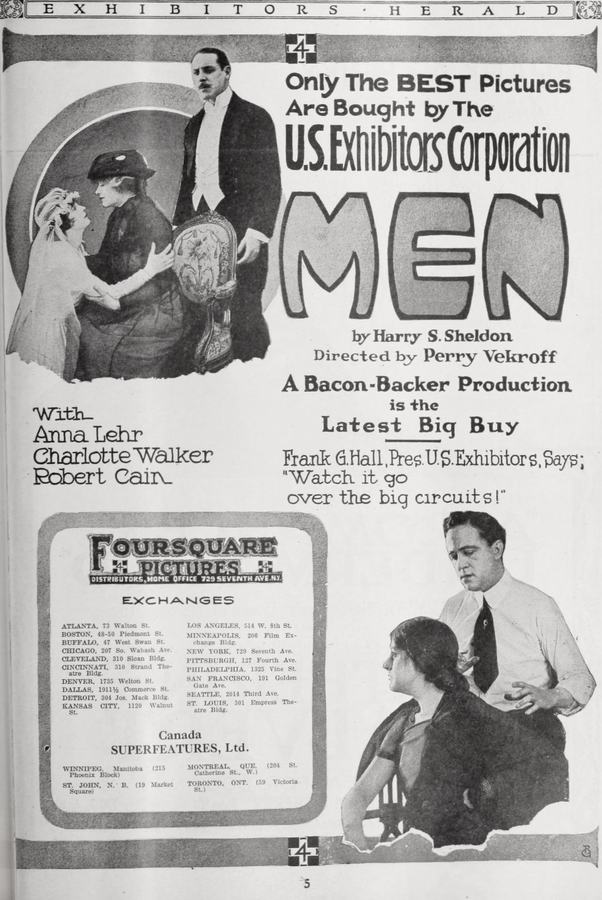
Destitution forces Mrs. Burton to surrender golden-haired Alice to the opulent, grief-numbed Fairbanks household while charcoal-eyed Laura remains in the tenement shadows; two rivulets from the same spring, each ignorant of the other’s shimmer. Years unspool like silk: Alice, now heiress to a marble mausoleum of money, glides through chandeliers and charity balls; Laura, raised on cold coffee and rented rooms, learns the ache of almost-enough. Into both orbits swaggers Roger Hamilton—pearl-studded cufflinks, smile like a thrown gauntlet—who courts Laura with moonlit whispers and pawn-shop promises, then pivots to Alice’s platinum balcony when her engagement to upright Tom Courtney fractures. On the morning Roger is to seal the gilded match, Laura’s confession detonates in the nave: Mrs. Burton crashes the nuptials, her voice a cracked bell ringing the family sin across polished pews. Alice recoils, reclaiming Tom; Roger is left clutching air. Laura, stripped of illusion, turns to Anthony Gerard—the quiet painter who once brushed her profile in lamplight and never asked for more than her imperfect heart.
Synopsis
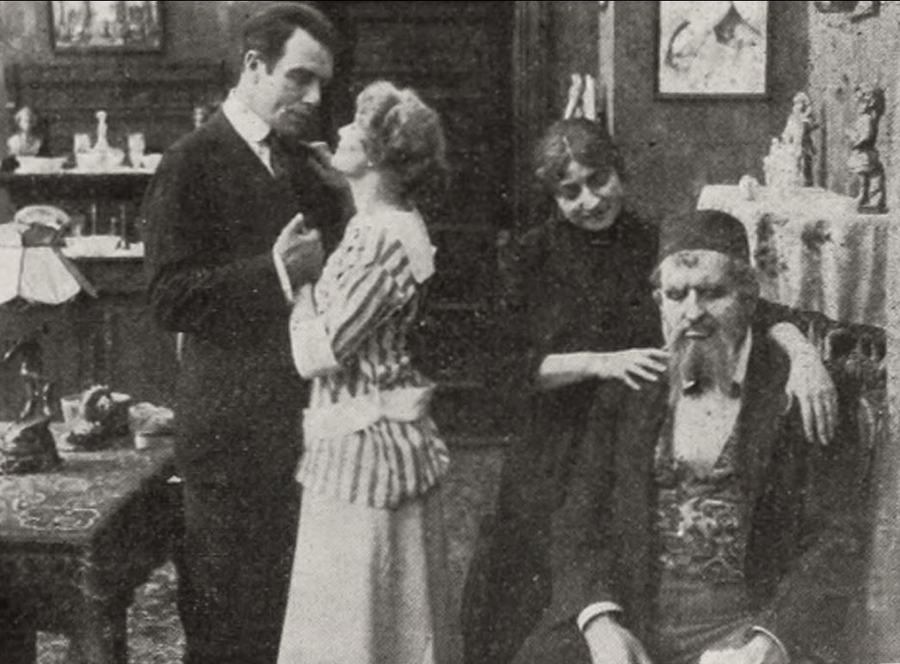
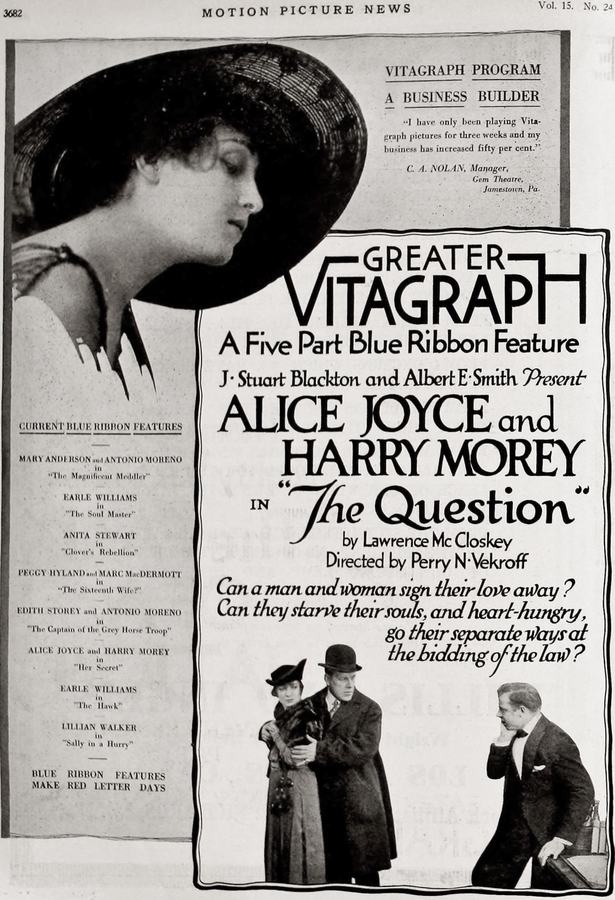
Poverty forces Mrs. Burton to allow the wealthy Mr. Fairbanks, whose wife has become deranged since her baby's death, to adopt Alice, one of her two little girls, while the other, Laura, stays with her mother. Kept in ignorance of each other's existence, the girls grow to womanhood and unknowingly become involved with the same man: vain, wealthy Roger Hamilton. Roger becomes intimate with Laura by promising to marry her, but Alice's wealth soon becomes irresistible to him, and when she quarrels with her fiancé, Tom Courtney, Roger presses his suit with ardor. On the day that Roger is to marry Alice, Laura tells her mother of her own affair with him; Mrs. Burton rushes to the church and publicly denounces the villain. Alice returns to Tom, while Laura is married to artist Anthony Gerard, who loved her all along.
Review Excerpt
"
There is a moment, about halfway through Perry N. Vekroff’s Men, when the camera lingers on a pair of satin slippers abandoned mid-dance; the orchestra in the pit has just learned that the host’s fortune was minted on a child’s exile, and the music falters like a heartbeat skipping guilt. That single frozen frame—half celebration, half autopsy—could stand as the film’s manifesto: wealth pirouetting on the grave of kinship.
If you arrive expecting a standard society melodrama, the picture will..."