DbcultAccessing Vault...
4.9/10
Senior Film Conservator
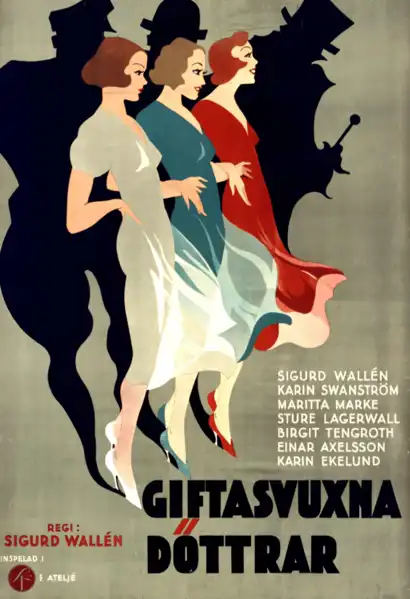
A definitive 4.9/10 rating for a film that redefined the boundaries of cult cinema. Giftasvuxna döttrar remains a cornerstone of transgressive art.
If you have a soft spot for black-and-white dramas that feel like they were pulled from a grandmother’s attic, sure. Go for it. But if you need pacing, modern stakes, or characters who don’t speak in polite platitudes, you’re probably going to hate it. It moves at the speed of a slow-turning page.
Emma’s three daughters are the center of everything here. They spend most of the runtime worrying about who they’ll wed, and honestly, the anxiety feels very 1930s. It’s not quite as punchy as So This Is Marriage, but it shares that same obsession with the altar.
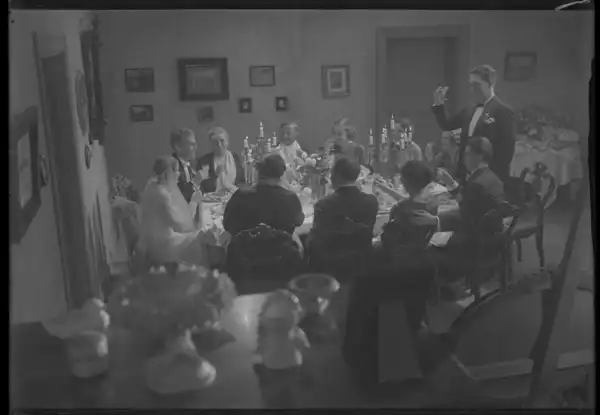
There’s this one scene where a character is just arranging a tea tray. It lasts for an eternity. I started counting the spoons just to stay awake, but then I noticed the way the light hits the silver. It’s oddly specific, that kind of detail. Maybe it doesn't mean anything for the plot, but it felt real.
The dialogue is thick. Sometimes it sounds like a stage play that got lost on its way to a theater. It lacks the grit you find in something like The Barricade, but there’s a certain sweetness to the way they talk about their futures. It’s all very structured and rigid.
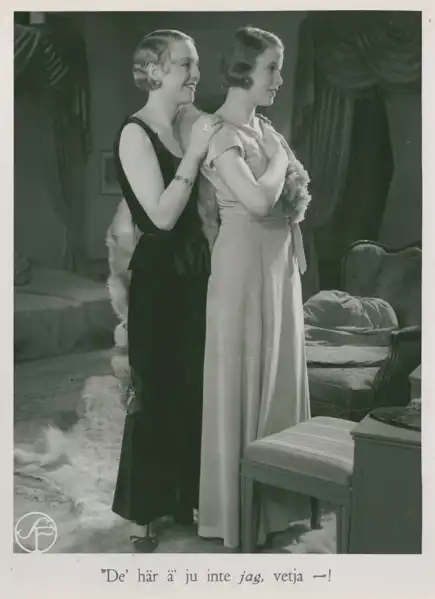
I found myself drifting off during the middle act. The daughters have these conversations that go in circles. They’re worried, they’re hopeful, they’re annoyed. It’s very human, sure, but it’s not exactly thrilling cinema. It reminded me a bit of the domestic stuff in The Newlyweds' Christmas Party, but without the festive cheer.
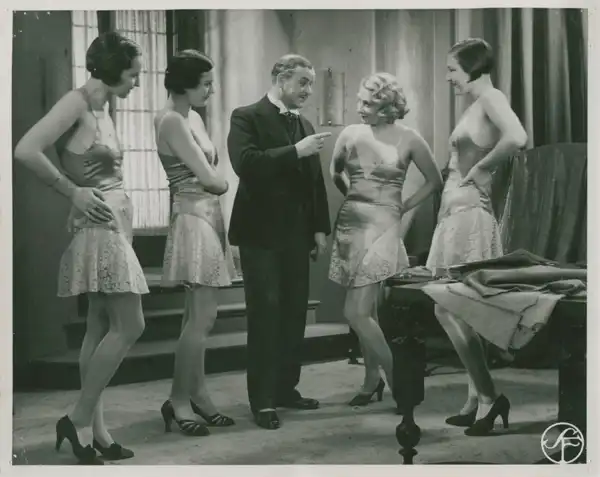
One of the sisters has a nervous tic when she’s talking to her suitor. She keeps adjusting her collar. I don't know if that was in the script or if the actress just really hated that dress, but it made her look more anxious than any of her lines did. That’s the kind of stuff I look for. Not the big speeches.
Honestly, the movie gets better when it stops focusing on the 'marriage' angle and just lets the sisters bicker. The bickering feels lived-in. It feels like they actually grew up in the same house. Everything else? A bit stiff.
You can tell they really wanted this to feel like a significant statement on Swedish life at the time. Does it succeed? I don't know. It feels more like a snapshot than a statement. 🎞️
IMDb 5.3
1925
Community
Log in to comment.