DbcultAccessing Vault...
Cult Review
Senior Film Conservator
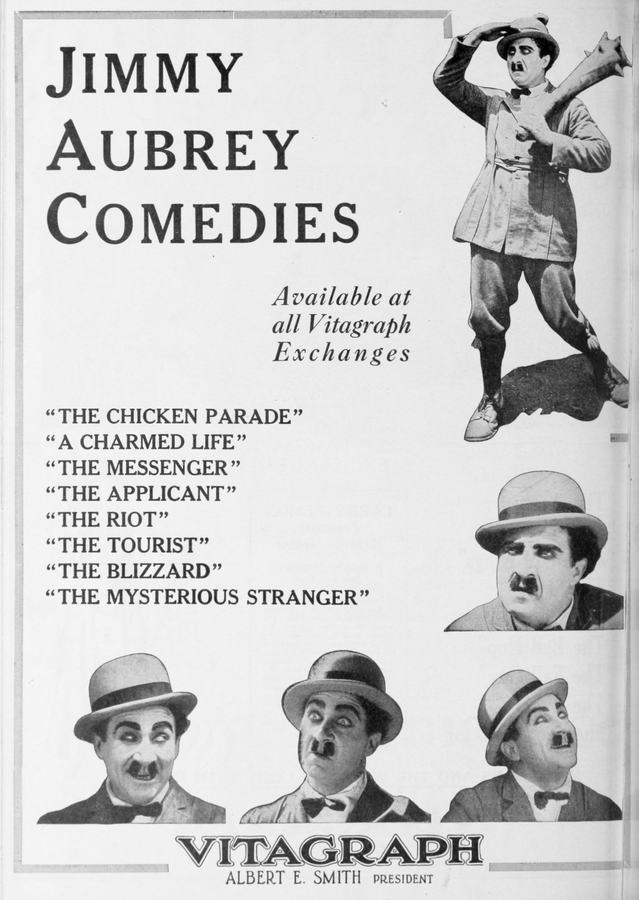
The silent era was often a crucible for social commentary disguised as low-brow humor, and The Chicken Parade stands as a testament to this tradition. Directed with a frantic, almost desperate energy, the film plunges the viewer into the heart of the Prohibition struggle, not through the lens of a gritty procedural like The Third Degree, but through the visceral, tumbling physics of Jimmy Aubrey. Aubrey, an actor whose rubberized limbs and wide-eyed bewilderment made him a staple of the period, portrays a man suddenly thrust into the machinery of the state. He is the unlikely prohibition agent, a man whose very silhouette suggests a fundamental incompatibility with the stern requirements of the law.
The core tension of the film rests on the Herculean shoulders of Frank Alexander, cast as Tiny Jim. The irony of the name is not lost on the audience; Alexander is a mountain of a man, a 300-pound purveyor of liquid contraband whose sheer mass serves as a physical manifestation of the unstoppable black market. When Jimmy Aubrey’s diminutive agent attempts to collar this behemoth, the film moves beyond mere comedy into the realm of the mythic. It is David versus Goliath, reimagined for a society obsessed with the contents of its neighbors' hip flasks.
Unlike the more structured dramatic arcs found in films like Calibre 38, The Chicken Parade relies on a series of escalating vignettes. Mort Peebles and John Smith, the architects of the screenplay, understand that in the world of the silent short, the plot is merely a clothesline upon which to hang increasingly daring gags. Yet, there is a sophistication here in how they handle the theme of enforcement. The 'Chicken' in the title serves as a double-edged sword—referencing both a literal avian motif and the cowardice inherent in a system that targets the small-time peddler while the giants like Tiny Jim remain seemingly immovable.
The visual language of the film is remarkably sophisticated for its time. The camera, often static in lesser comedies, here seems to anticipate the chaos. The framing of Tiny Jim’s warehouse—a cavernous space filled with shadows and stacked crates—evokes a sense of urban dread that would not be out of place in Madame Spy. Yet, the moment Aubrey enters the frame, the tension is punctured by a pratfall or a misunderstood gesture. This juxtaposition is where the film finds its genius. It treats the stakes of the bootlegging trade with a mock-seriousness that highlights the futility of the entire endeavor.
The performance of Helen Kassler should not be overlooked. In many comedies of this vintage, the female lead is relegated to the role of the 'damsel' or the 'prize.' Kassler, however, navigates the screen with a knowingness that suggests she is the only character aware of the surrounding lunacy. Her interactions with Aubrey provide the film's few moments of genuine human connection, grounding the slapstick in a recognizable reality. Her presence offers a respite from the kinetic violence of the chases, much like the brief moments of introspection in The Woman Game.
One cannot discuss The Chicken Parade without addressing the cultural zeitgeist of the 1920s. The film was released at a time when the American public was deeply divided over the morality of alcohol. By turning the enforcer into a bumbling clown and the 'criminal' into a charismatic giant, the filmmakers were making a subversive statement. They were echoing the sentiments found in international works like Leben heisst kämpfen, where the struggle against an oppressive or illogical system is portrayed through the lens of individual perseverance.
The chase sequences are particularly noteworthy. There is a scene involving a delivery truck and a series of collapsing fences that rivals the complexity of Keaton or Lloyd. The timing required to synchronize Alexander’s massive movements with Aubrey’s frantic retreats is a masterclass in editing and direction. It lacks the historical weight of The Independence of Romania, but it possesses a visceral immediacy that makes it feel surprisingly modern. The film understands that gravity is the ultimate comedian.
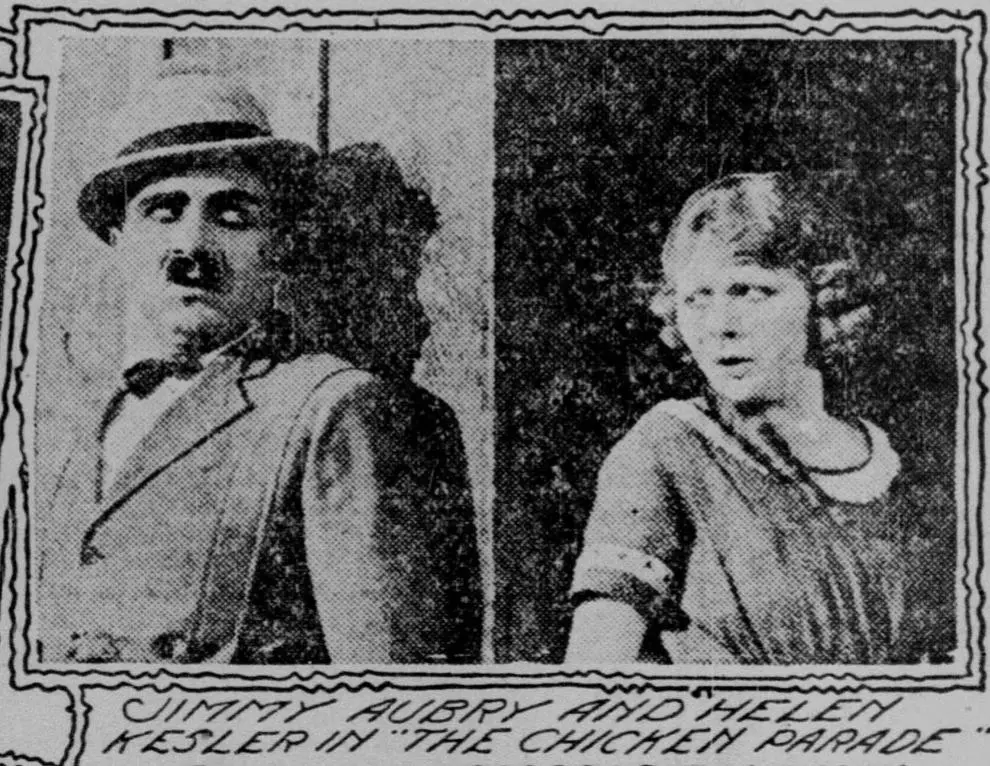
Jimmy Aubrey is often overshadowed by the 'Big Three' of silent comedy, but The Chicken Parade serves as a compelling argument for his reappraisal. His comedic persona—a mixture of bravado and sheer terror—is perfectly suited for the role of a prohibition agent. He represents the common man caught in the gears of a bureaucracy he doesn't understand. This is a theme that resonates across cinema, from the domestic dramas of Fiskebyn to the more experimental narratives of Creation.
The film’s climax, a literal parade of absurdity that involves the titular chickens and a confused local constabulary, is a bravura piece of filmmaking. It collapses the distinction between the hunter and the hunted, leaving the audience with a sense of joyous nihilism. The liquor is spilled, the badge is bent, and the giant remains unbowed. It is a conclusion that avoids the easy moralizing of contemporary features like Die Minderjährige - Zu jung fürs Leben, opting instead for a celebratory chaos.
From a technical standpoint, the restoration of this film reveals a surprising depth of field. The use of natural light in the exterior shots provides a gritty texture that contrasts with the stylized, expressionistic shadows of the indoor sets. This duality reflects the film’s narrative split: the public duty of the agent versus the private greed of the vendor. The writing duo of Peebles and Smith managed to weave these elements into a tight, thirty-minute experience that feels more substantial than many full-length features of the era, such as The Stolen Triumph.
In the broader context of silent comedy, The Chicken Parade is a fascinating artifact. It lacks the sentimentality of Chaplin, preferring a harder, more cynical edge. It shares more DNA with the rough-and-tumble aesthetics of A Knockout or the physical eccentricity of Peladilla cochero de punto. It is a film that celebrates the resilience of the human spirit—not through triumph, but through the ability to keep getting back up after being knocked down by a 300-pound bootlegger.
The interplay between the leads is a masterclass in contrasting energies. Alexander’s stillness is the perfect foil for Aubrey’s perpetual motion. This dynamic is rarely captured with such clarity. In many ways, the film feels like a precursor to the great 'buddy' comedies of the sound era, though with a much more adversarial bent. It captures a specific moment in American history where the law was a joke, and the punchline was delivered by the very people tasked with upholding it.
Ultimately, The Chicken Parade is more than a relic; it is a vibrant, breathing piece of cinema that continues to entertain and provoke. It challenges our perceptions of authority and invites us to laugh at the sheer impossibility of legislating human desire. Whether viewed as a historical document or a pure comedy, it succeeds on every level. It is as essential as Lorenzo Burghardt for those interested in the evolution of character-driven narrative, and as thrilling as The Devil's Bondwoman for fans of high-stakes conflict. To watch Jimmy Aubrey chase Tiny Jim is to watch the eternal struggle between the small man and the large world, a parade that, thankfully, never seems to end.
Final Rating: A Masterpiece of Prohibition Slapstick
"A riotous, weight-shifting exploration of the Volstead Act's most absurd consequences."
IMDb 4.9
1927
Community
Log in to comment.