DbcultAccessing Vault...
6.6/10
Senior Film Conservator

A definitive 6.6/10 rating for a film that redefined the boundaries of cult cinema. Gloria remains a cornerstone of transgressive art.
Alright, so let’s talk about Gloria from 1931. 🎥 If you’re usually watching new stuff, this one’s probably not for you. The pacing is… different. But if you’re into digging up early sound films, especially German ones with a serious dose of melodrama, then yeah, it’s worth a look. Otherwise, you might find it a bit of a slog, honestly.
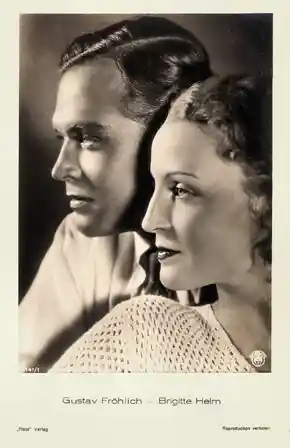
The story is pretty straightforward: Georg (Gustav Fröhlich) is this hotshot pilot, really loves flying, but his wife Maria (Brigitte Helm) is always, always worried. She’s sick of the constant fear, which is understandable.
Brigitte Helm, by the way, is a *presence*. You probably know her from Metropolis. Here, she carries so much of Maria’s anxiety just in her eyes, even when she’s trying to be strong. It’s quite something to see.
Then comes Jonny (Fritz Kampers), another flyer, and he starts flirting with Maria. It’s not super obvious, but you *feel* the tension. This pushes Georg right over the edge. His ego, you know? He decides he’s gonna fly across the Atlantic. Just to prove he’s still got it, still the big man, I guess.
The whole setup feels very much of its time. The idea of a man needing to prove his “derring-do guts” like that? It’s a relic, but fascinating to watch play out. You can almost see the gears turning in Georg’s head, thinking, “I’ll show her.”
There are these long takes of Maria just looking worried, staring out windows. You really get a sense of her internal struggle. She’s trying to hold her marriage together, but also just wants to breathe without thinking her husband might crash at any moment.
The flying scenes, well, they are 1931 flying scenes. Don't expect CGI. There’s a lot of stock footage, and some studio shots that feel pretty dramatic for the era. You can almost see the wires on the planes if you squint hard enough. But it works, kinda. It sets the stakes.
What struck me was how much the film focuses on Maria’s emotional journey rather than just Georg’s adventure. It’s her fear, her subtle reactions to Jonny, her eventual despair that really drives things. Fröhlich is good as Georg, but Helm really grounds the whole thing.
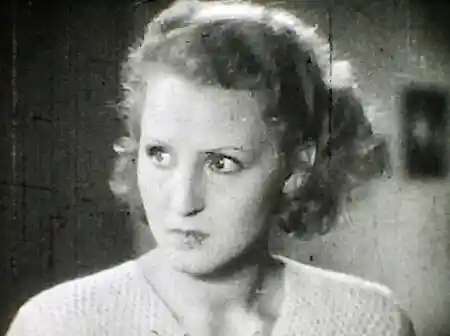
There’s a scene where Maria tries to get Georg to stop. It’s not a huge dramatic confrontation, more like a quiet plea. And he just… can't hear her. He’s too caught up in his own need for validation. That felt pretty real, actually.
The sound quality, being an early talkie, is what you’d expect. Sometimes a little crackly, sometimes the voices feel a bit distant. But it's clear enough to follow along. You just have to lean in a bit.
I found myself wondering a lot about the expectations for women back then. Maria is just supposed to be supportive, even if it means constant terror. It makes you think about how much things have changed, and how much some anxieties, like fearing for a loved one, stay the same.
The ending, without giving anything away, doesn’t tie things up in a neat little bow. It leaves you with some thoughts, which I actually appreciate. It’s not about grand heroics as much as the messy emotional fallout of them.
So, yeah, if you’re a film history buff or someone who enjoys watching actors from that era truly perform, give Gloria a shot. But maybe have a cup of coffee ready. It demands your attention in a way modern movies don’t. It’s not perfect, but it’s definitely a piece of cinema history with some interesting ideas about love, pride, and flying.
IMDb 7.2
1928
Community
Log in to comment.