DbcultAccessing Vault...
5.7/10
Senior Film Conservator
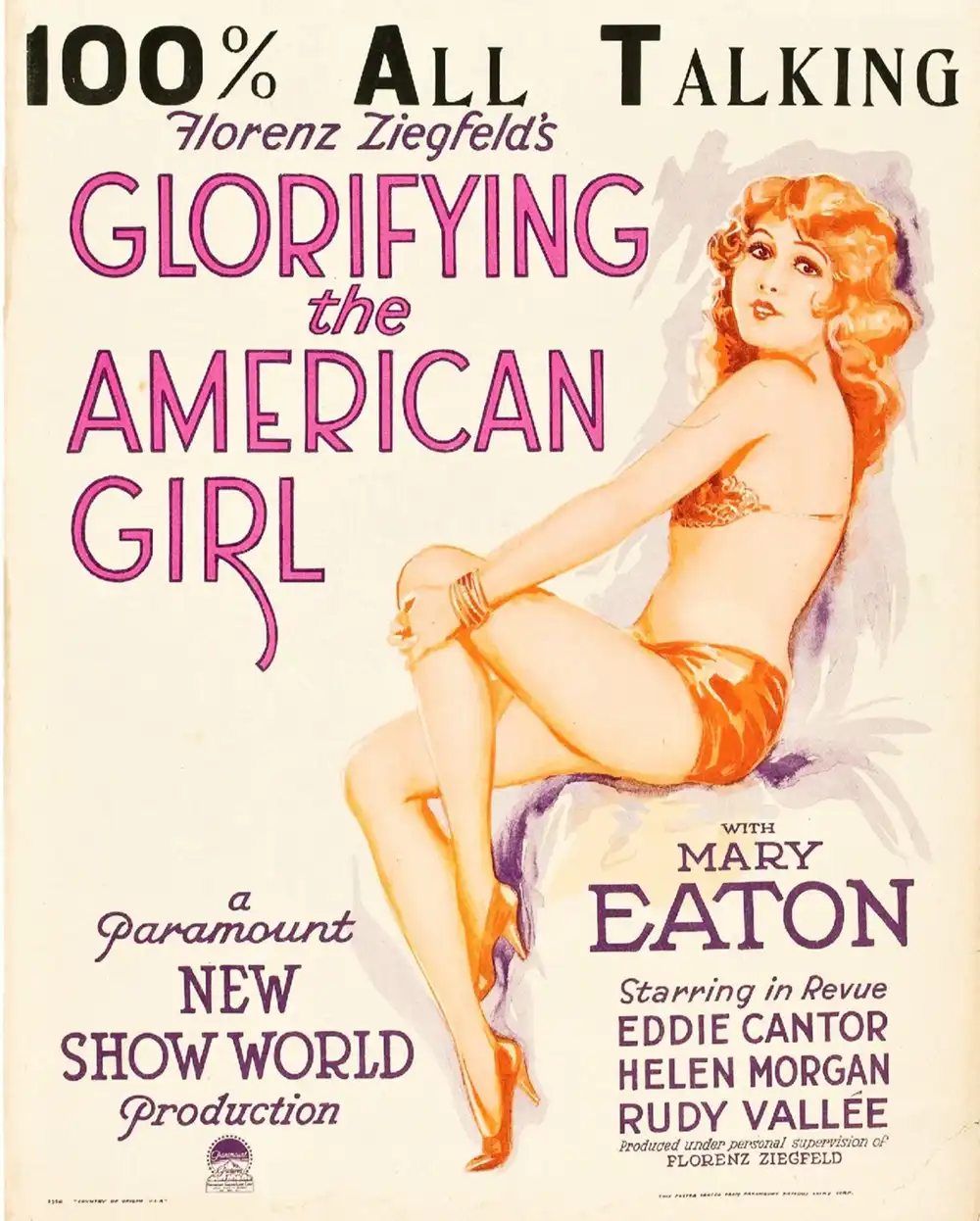
A definitive 5.7/10 rating for a film that redefined the boundaries of cult cinema. Glorifying the American Girl remains a cornerstone of transgressive art.
So, you thinking about watching 1929's Glorifying the American Girl? 🤔 Well, if you’re into the old-school glitz of Ziegfeld Follies or just curious about what early sound movies looked like, absolutely give it a shot. It's a real time capsule. But if you're hoping for a gripping story with deep characters, maybe look elsewhere; this one might feel like a slog.
The plot, such as it is, follows Gloria Hughes, a small-town girl who dreams of the big stage. You watch her journey from a five-and-dime piano player to a Ziegfeld star. It's the classic rags-to-riches, really.
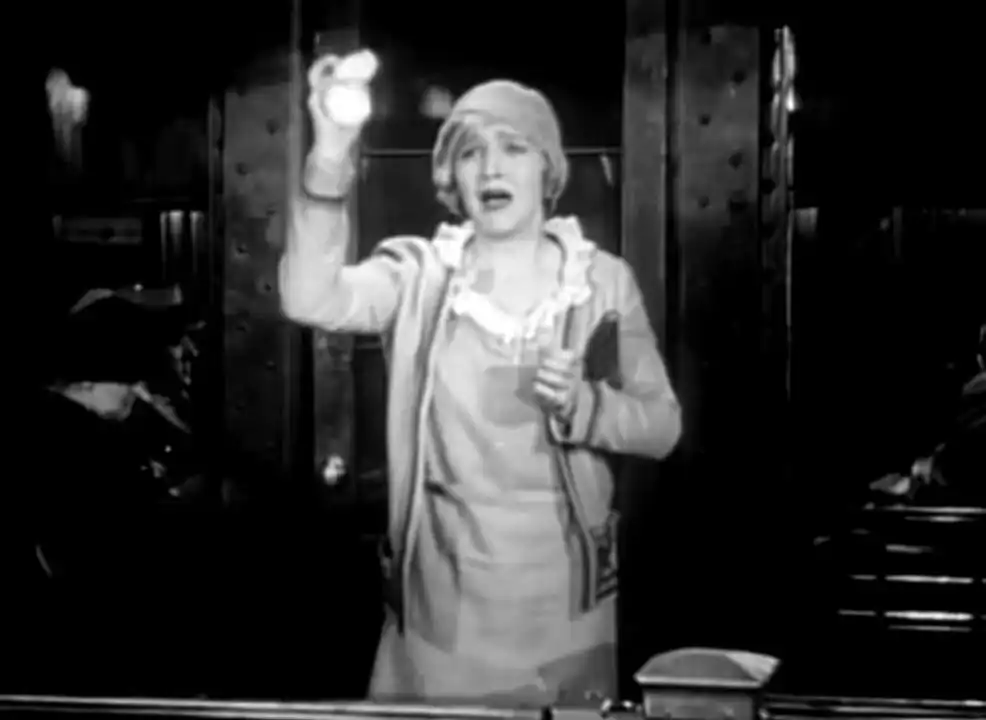
What really sticks with you though, is less the story and more the vibe. This film is less a movie and more a chance to peek into a grand Broadway revue from nearly a century ago. The backstage scenes feel surprisingly authentic, full of hustle and bustle.
And the cameos! Oh my goodness. You’ve got Florenz Ziegfeld Jr. himself, looking all important. Then there’s Eddie Cantor doing his thing, and Helen Morgan, just tearing your heart out with "Can't Help Lovin' Dat Man." These bits, they’re the real stars, you know? They just pop up.
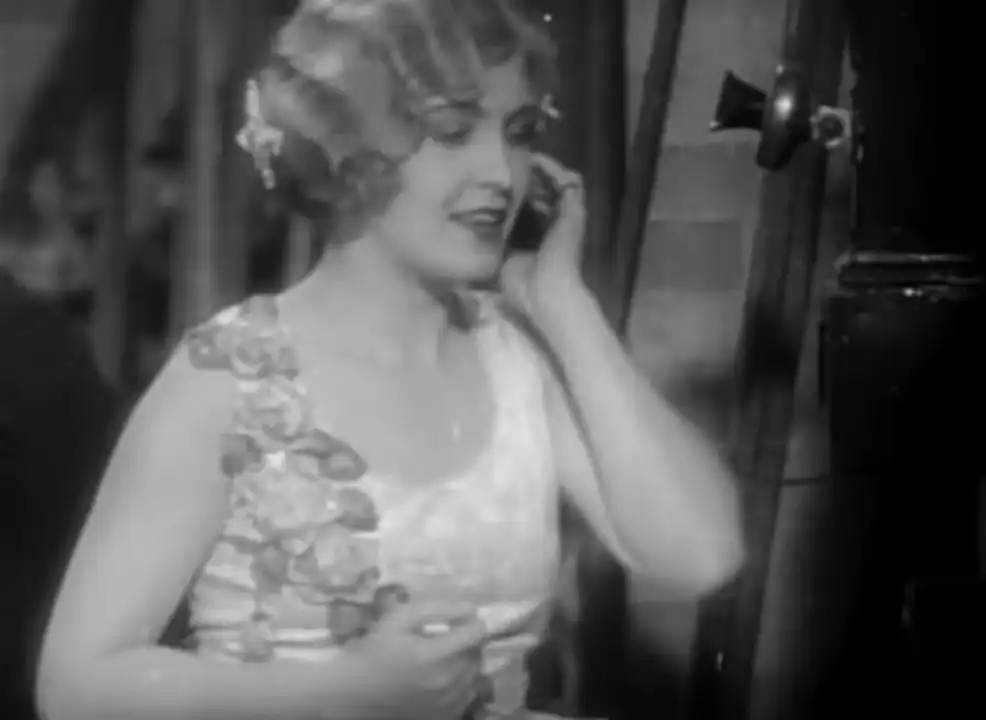
One moment that really got me was seeing Johnny Weissmuller, years before he was Tarzan, just hanging out by a pool. It’s such a quick flash, but you just kinda go, "Wait, was that...?" 🏊♂️ It's almost like a little Easter egg for future film buffs.
The actual musical numbers, especially the big Ziegfeld Follies sequences, are just wild. The costumes are beyond belief. Feathers, sequins, elaborate sets that must've cost a fortune. It’s pure spectacle, sometimes to the point of being a bit overwhelming.
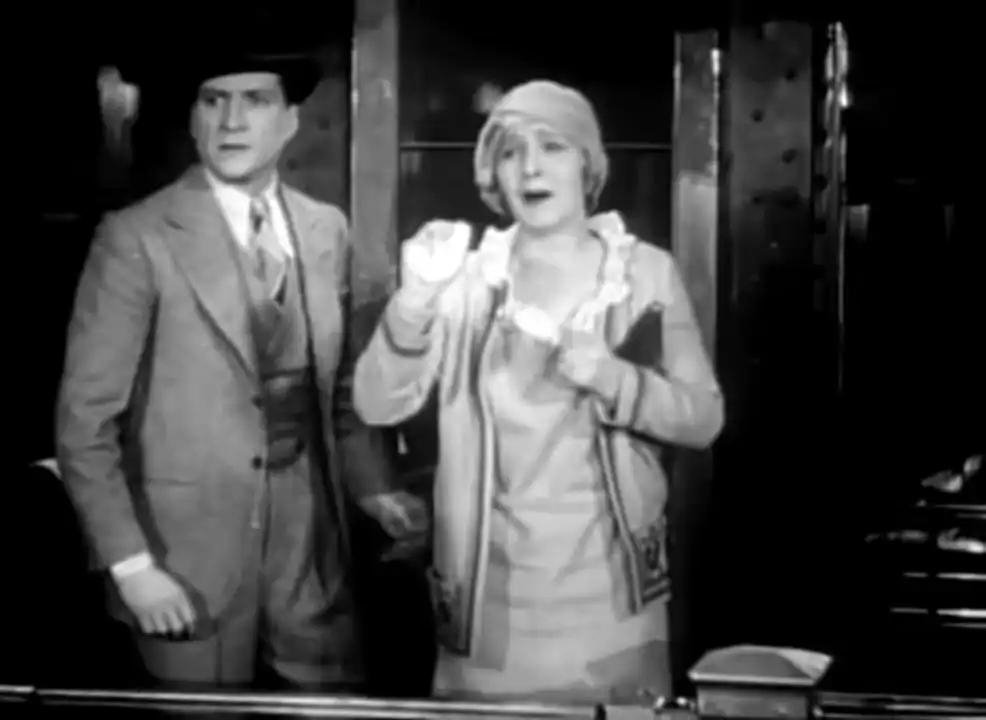
Some of the transitions between scenes feel a little... abrupt. One minute Gloria’s sad, the next she’s in a whole new situation, sometimes with little explanation. It feels like they just cut out what they didn't need.
The dialogue, too, can be a bit stiff. Not always, but sometimes it sounds like they're still figuring out how to talk for the microphone. You can tell it’s early sound. The acting styles are definitely from a different era, very theatrical.
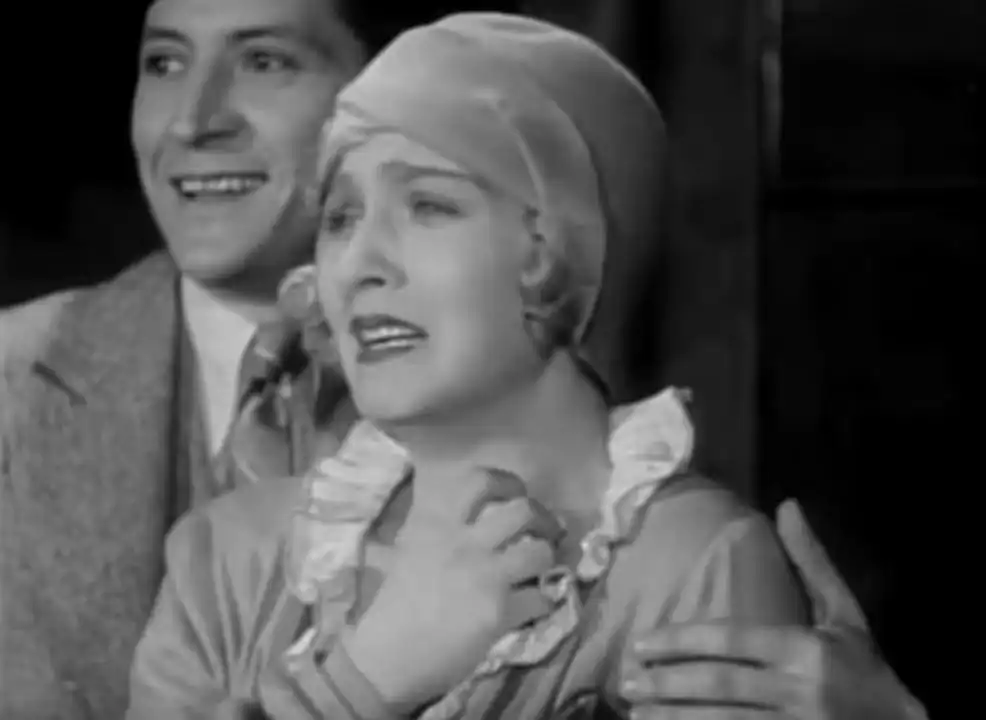
There's a whole bit with Gloria's beau, a singer named Rudy Vallee, I think. Their romance feels pretty thin, to be honest. It's there to move the plot, sure, but it never really feels earned. You're just kinda told they're in love.
And the whole "Singing and Dancing Chorus of Seventy-Five Glorified Beauties" credit? That alone tells you what kind of show this was. It's all about the look.
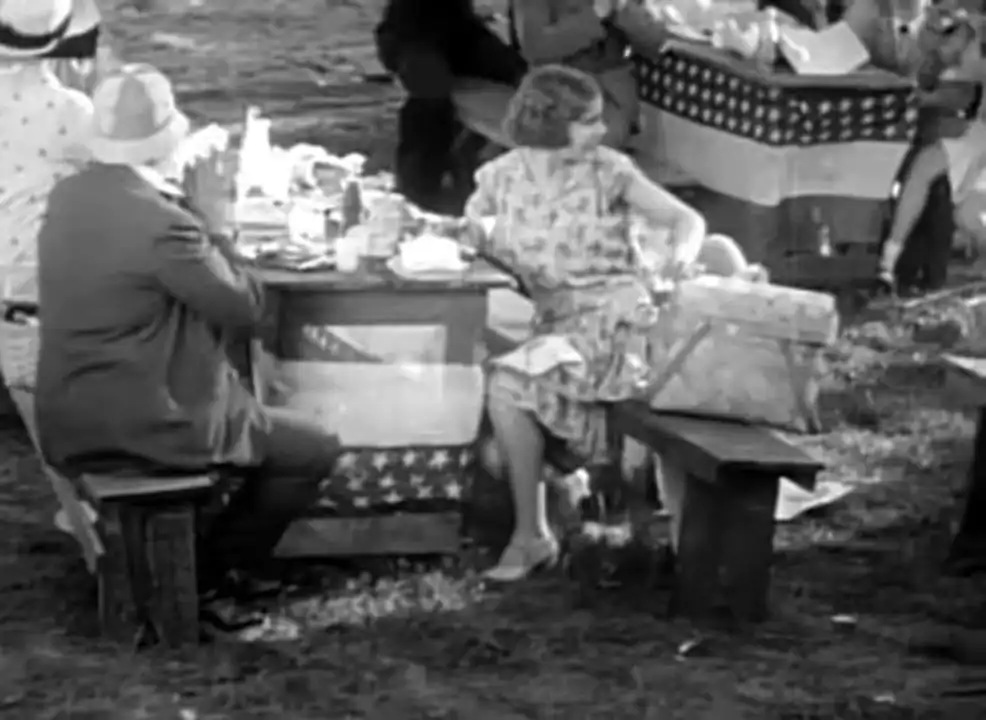
The film often gets noticeably better when it stops trying to be a drama and just lets the performers perform. Those musical interludes are what you stick around for. They’re really something.
You can almost feel the movie trying to convince you Gloria's struggles matter. But then another lavish number starts, and you kinda forget what she was even upset about.
I did find myself chuckling at some of the overly dramatic moments. Like when Gloria finally makes it big, and the camera just lingers on her face, trying to convey all this emotion. It’s a bit much, but also kinda sweet.
For all its rough edges, and there are a few, it’s an important piece of film history. It captures a moment, a style of entertainment that just doesn't exist anymore in the same way. It's a window, really.
Not a perfect film, no, far from it. But for a glimpse into the razzle-dazzle of late 20s Broadway, especially the Ziegfeld kind, it's pretty essential viewing. Just don't expect a tight narrative, okay?
IMDb 7
1932
Community
Log in to comment.