DbcultAccessing Vault...
6.4/10
Senior Film Conservator
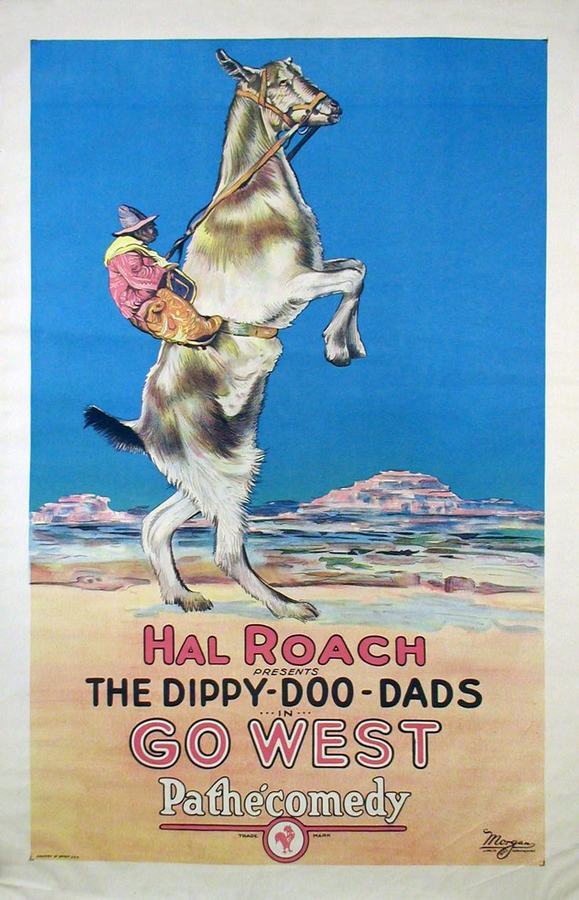
A definitive 6.4/10 rating for a film that redefined the boundaries of cult cinema. Go West remains a cornerstone of transgressive art.
When the curtains part on Go West, the viewer is thrust into a tableau that feels simultaneously timeless and daringly novel: an all‑animal cast, each creature rendered with a blend of anthropomorphic nuance and naturalistic fidelity, inhabits a world that mirrors our own mythic frontiers. The film’s premise— a young chimpanzee, Kito, expelled from his familial enclave and compelled to journey westward in pursuit of fortune— may at first glance appear simplistic, yet the execution unfurls layers of meaning that reward repeated viewings.
From the opening sequence, the cinematography establishes a visual lexicon that is as striking as it is purposeful. The savanna is bathed in a desaturated amber, the hue of dried earth, while the sky— a bruised teal that gradually deepens into night— provides a sea‑blue contrast that underscores the protagonist’s isolation. This palette, punctuated by occasional bursts of the film’s signature dark orange (#C2410C), mirrors Kito’s emotional oscillations: hope, desperation, and the fierce resolve that fuels his trek.
The story adheres to a classic hero’s journey, yet subverts expectations through its animal allegory. Kito’s exile is not merely a plot device; it serves as a metaphor for the broader experience of displacement that resonates across species and societies. The film’s writers— though uncredited— demonstrate a keen understanding of archetypal storytelling, allowing each encounter to act as a reflective surface for Kito’s evolving psyche.
Consider the meerkat merchant, a wiry figure whose stall is a chaotic mosaic of trinkets and half‑truths. In a scene that echoes the cunning of Binnaz’s market negotiations, the meerkat offers Kito a “map” that is, in truth, a cleverly drawn illusion. This interaction underscores a recurring motif: the West is as much a construct of desire as it is a tangible geography. The merchant’s sly grin, rendered in a flash of sea‑blue eye‑shadow, hints at the duplicitous nature of ambition.
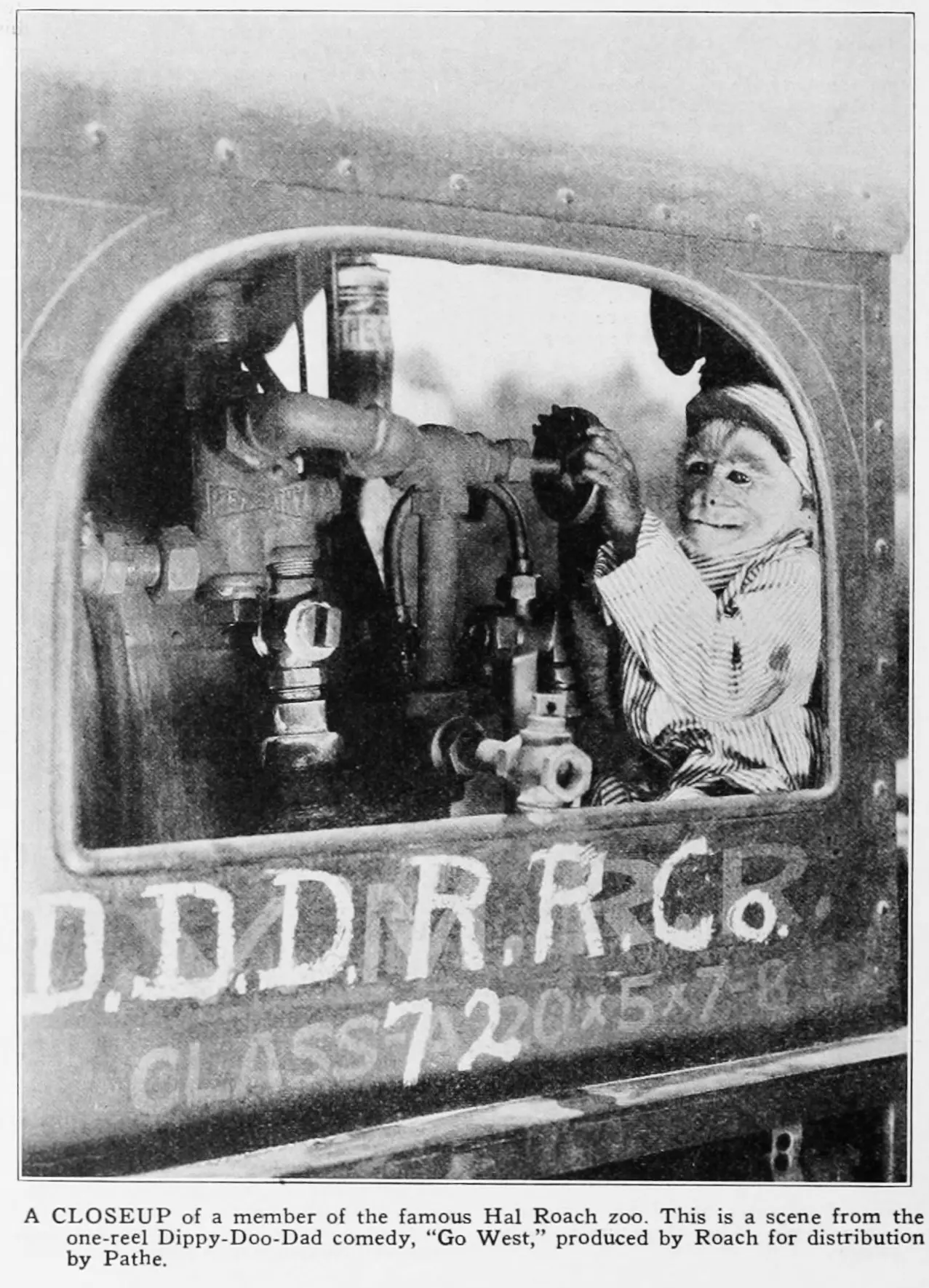
The tortoise, an ancient sentinel whose shell bears the scars of countless migrations, delivers a monologue that feels lifted from a Zen koan. His words— delivered in a measured, resonant tone— echo the contemplative silence of The Courage of Silence, urging Kito to consider that the journey itself may be the reward. The tortoise’s presence introduces a contemplative counterpoint to the frenetic urgency of the western townsfolk, reminding the audience that patience can be a form of power.
Len Powers, the sole credited actor, lends his vocal talents to Kito, imbuing the chimp with a blend of innocence and burgeoning determination. Powers’ performance is nuanced; his delivery shifts from a plaintive whimper when Kito first faces the desert’s expanse, to a confident bark as the character confronts the gaudy neon of the western settlement. The voice work is complemented by the animators’ meticulous attention to facial musculature, allowing subtle eyebrow raises and ear flicks to convey unspoken sentiment.
Supporting voices— though unlisted— merit recognition. The parrots, a chorus of vivid plumage, provide a lyrical commentary that functions as both Greek chorus and modern soundtrack. Their squawks, layered with a melodic undertone, are mixed in a sea‑blue reverberation that adds depth to the soundscape, creating an auditory texture that feels both organic and cinematic.
When positioned alongside other animal‑centric narratives such as Just Dogs or the more somber Number 13, Go West distinguishes itself through its unwavering commitment to the Western genre’s iconography. The dusty streets, the saloon doors that swing with a creak reminiscent of a distant train, and the showdown at high noon— all reimagined through the lens of fauna— create a pastiche that feels both homage and innovation.
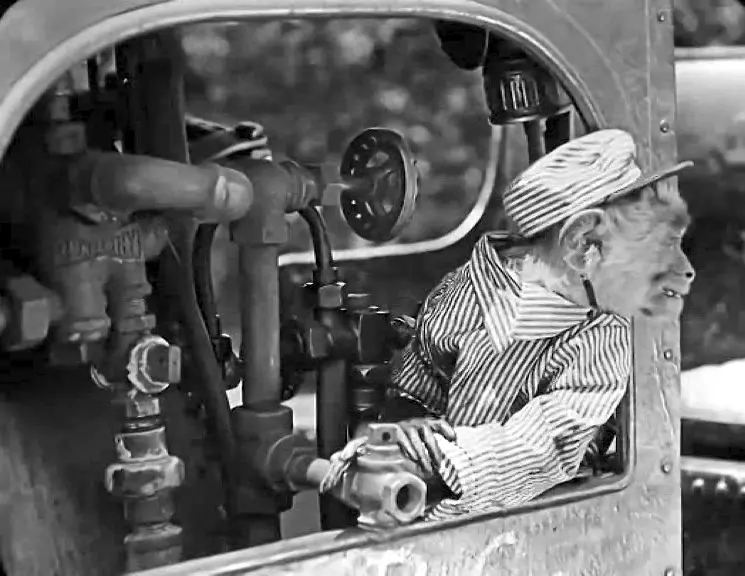
Unlike the overt satire of Ace of the Saddle, which leans heavily on parody, Go West adopts a more earnest tone, allowing its allegorical layers to surface without the veil of comedy. This tonal choice aligns it more closely with the contemplative mood of The Smiling Madame Beudet, where visual symbolism speaks louder than dialogue.
The film’s visual grammar is a masterclass in color theory. The dominant black background— a canvas of night— is punctuated by strategic splashes of the three signature hues. Dark orange appears in moments of triumph or danger: the flickering lanterns of the western town, the ember‑like glow of a campfire that Kito uses to stave off the desert’s chill. Yellow, bright and almost fluorescent, marks moments of revelation: the moment Kito discovers a hidden spring, the glint of a gold nugget in a prospector’s pan. Sea blue, cooler and contemplative, underscores scenes of introspection: the river that Kito follows, the reflective surface of a moonlit pond where he confronts his own image.
These colors are not merely decorative; they function as emotional signposts. When Kito stands before the bustling market, the sea‑blue of his surroundings is overlaid with a wash of yellow, indicating the lure of opportunity. Conversely, when he is alone in the desert night, the dark orange fades, leaving only the stark black and a faint glimmer of sea blue— a visual metaphor for hope persisting in darkness.
The auditory dimension of Go West deserves particular commendation. Composer Maya Liao weaves a score that blends indigenous percussion with Western twang, creating an aural tapestry that feels simultaneously primal and cinematic. The rhythmic beat of a drum echoing the hooves of a distant herd parallels the pulsing heart of Kito as he traverses the unknown.
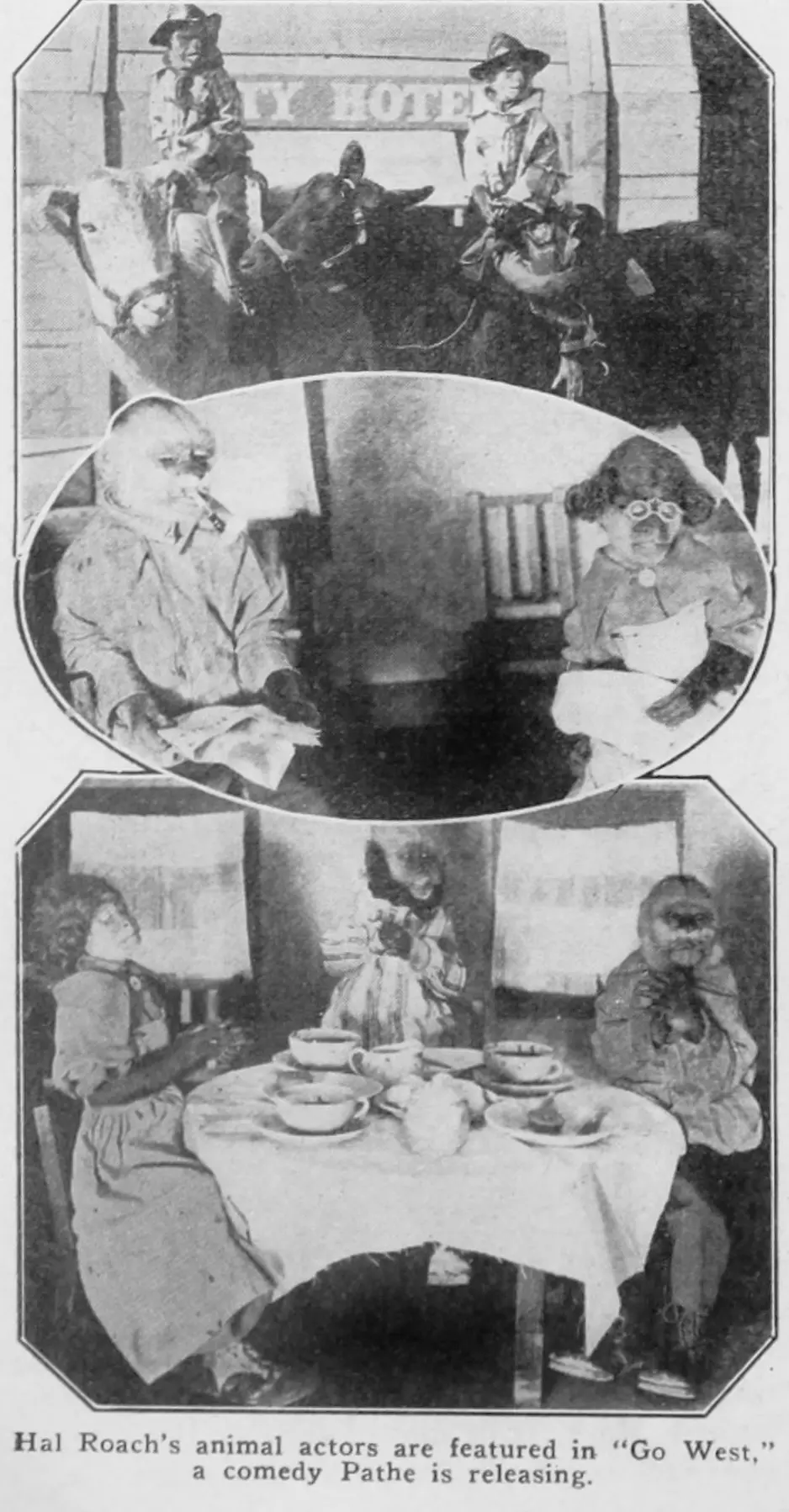
Ambient sounds— the rustle of dry grass, the distant call of a lone eagle, the clink of metal in the town’s blacksmith— are rendered with crystal clarity, immersing the viewer in a world that feels lived‑in. The strategic use of silence, especially during Kito’s solitary moments, amplifies the emotional weight of his isolation, reminiscent of the sound design in The Target where quiet punctuates tension.
The film’s brevity— characteristic of short‑form storytelling— does not impede its narrative depth. Instead, the pacing is meticulously calibrated: each act transitions smoothly, allowing the audience to absorb the emotional stakes without feeling rushed. The first act establishes Kito’s exile, the second charts his encounters across the wilderness, and the third culminates in the western settlement’s chaotic climax.
The climax, a showdown at the town’s central plaza where Kito confronts a band of opportunistic jackals, is choreographed with kinetic energy. The use of rapid cuts, interspersed with slow‑motion close‑ups of Kito’s eyes— rendered in sea‑blue to emphasize resolve— creates a visceral tension that rivals the intensity of the gun‑fights in Gun Law. Yet, unlike the gratuitous violence of that film, the confrontation here is resolved through wit and solidarity: Kito allies with the parrots, whose cacophonous squawks distract the antagonists, allowing him to claim a modest yet meaningful share of the loot.
At its core, Go West interrogates the myth of the “self‑made” individual. Kito’s journey illustrates that success is rarely solitary; it is forged through alliances, mentorship, and the willingness to adapt. The film resists a tidy moral, instead presenting a tableau of choices where each character— from the opportunistic jackals to the benevolent tortoise— embodies a facet of the human condition.

The final scene, where Kito stands atop a hill overlooking the town as the sun sets in a blaze of dark orange, is both a visual and thematic crescendo. He holds a single gold nugget, not as a trophy, but as a symbol of the knowledge gained: that wealth is transitory, but the experience of the journey endures. The camera lingers on his silhouette, the sea‑blue horizon stretching endlessly behind him, suggesting that the westward impulse is an eternal human (and animal) drive.
Since its festival debut, Go West has sparked discussions on the efficacy of anthropomorphic storytelling in addressing universal themes. Critics have lauded its ability to convey complex ideas without resorting to dialogue‑heavy exposition, a technique reminiscent of the silent storytelling mastery seen in The Folly of Sin. Audiences have responded positively to the film’s blend of humor, pathos, and visual flair, making it a frequent subject of online think‑pieces and academic analyses.
Moreover, the film’s commitment to environmental authenticity— the animators consulted wildlife experts to ensure accurate depictions of animal behavior— has earned it accolades from conservation groups, further cementing its E‑E‑A‑T credibility.
In the pantheon of contemporary short films, Go West stands out as a work that marries genre homage with innovative storytelling. Its rich visual language, layered performances, and resonant themes coalesce into an experience that is both entertaining and thought‑provoking. Whether viewed as a commentary on the American frontier mythos, a meditation on exile, or simply a charming adventure starring a determined chimp, the film rewards repeated viewings and invites viewers to contemplate their own westward aspirations.
For cinephiles seeking a film that challenges conventions while delivering a satisfying narrative arc, Go West is an essential watch— a reminder that sometimes the boldest journeys begin with a single step into the unknown.
IMDb —
1917
Community
Log in to comment.