DbcultAccessing Vault...
6.2/10
Senior Film Conservator
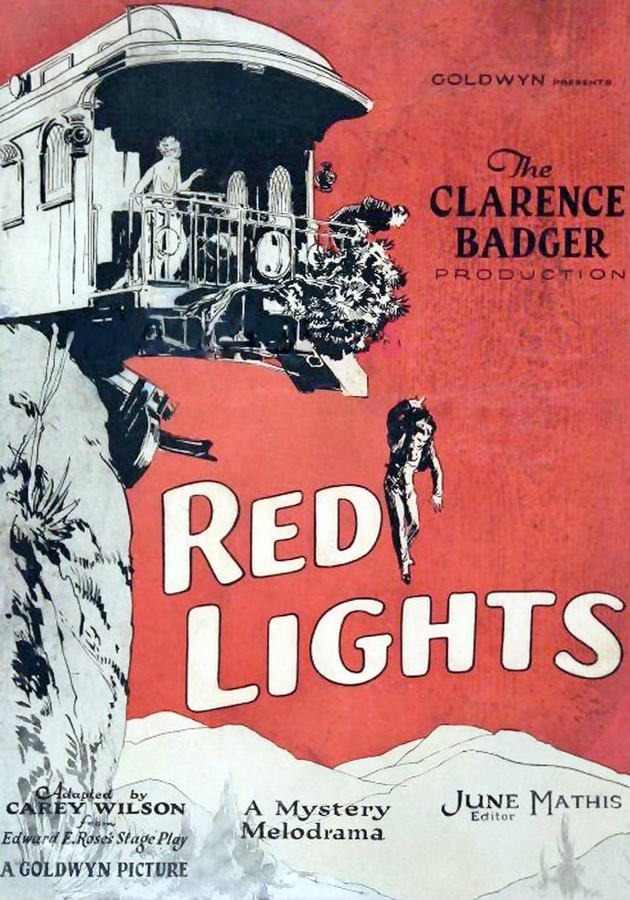
A definitive 6.2/10 rating for a film that redefined the boundaries of cult cinema. Red Lights remains a cornerstone of transgressive art.
The 1920s stood as a crucible for cinematic experimentation, a decade where the grammar of suspense was being codified in real-time. Amidst this era of flickering shadows and grand mechanical ambitions, Red Lights (1923) emerges not merely as a relic of silent-era melodrama, but as a surprisingly sophisticated architectural blueprint for the modern thriller. It is a film that marries the clanking industrialism of the American railroad with a proto-noir sensibility that feels decades ahead of its time.
At its core, the film explores the vulnerability of the nouveau riche, embodied by a railroad owner whose mastery over steel and steam cannot protect him from the ghosts of his past. The return of his kidnapped daughter should have been a moment of cathartic restoration; instead, it serves as the catalyst for a haunting that is as much technological as it is psychological. The titular 'red lights'—signals meant to ensure safety on the tracks—are subverted into instruments of terror. This inversion of industrial utility into a source of dread is a stroke of narrative genius, reminiscent of the atmospheric tension found in The Secret Orchard, though Red Lights swaps domestic tragedy for locomotive-fueled adrenaline.
The screenplay, crafted by the formidable trio of Alice D.G. Miller, Carey Wilson, and Edward E. Rose, avoids the simplistic pitfalls of many contemporary 'old dark house' mysteries. While it flirts with the supernatural, it remains anchored in a tangible, dangerous reality. The threat isn't a specter from the beyond, but a calculating mind using the tools of the modern age to dismantle a family's sanity.
Perhaps the most fascinating element of the film is the introduction of a detective whose specialty is preventing crimes before they occur. Long before Philip K. Dick or Steven Spielberg toyed with the concept of precognition, Red Lights presented us with a protagonist who relies on behavioral patterns and environmental cues to intercept the criminal act. This character, portrayed with a stoic intensity that grounds the more flamboyant elements of the plot, elevates the film from a standard whodunit to a philosophical inquiry into fate and intervention.
Unlike the reactive investigators seen in Madame Sphinx, Sheridan is a proactive force of nature. His presence on the train creates a secondary layer of suspense—we aren't just waiting to see who the killer is; we are waiting to see if his preventative methodology will hold up against the chaotic variables of a speeding locomotive. This tension is palpable, rendered through tight editing and a kinetic use of space that makes the train cars feel both expansive and claustrophobic.
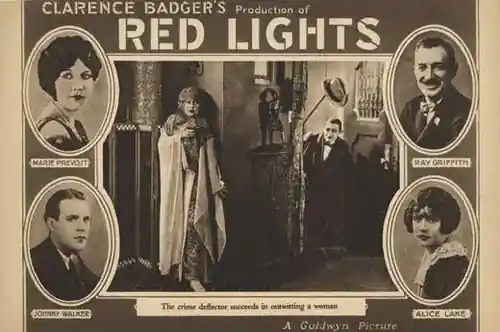
The cast of Red Lights is a veritable 'who's who' of silent era character actors, each bringing a specific texture to the unfolding drama. Marie Prevost delivers a performance of remarkable emotional range, oscillating between the joy of reunion and the paralyzing fear of the unknown. Her expressive face serves as the film’s emotional barometer, capturing the vulnerability of a woman who has spent her life as a pawn in others' games.
Supporting turns by Raymond Griffith and Jean Hersholt add layers of gravitas and suspicion. Griffith, in particular, possesses a screen presence that commands attention even in the quietest moments. The chemistry between the players is electric, particularly during the high-stakes sequences in the third act. One cannot help but compare the ensemble's cohesion to the tight-knit performances in Pitter Patter, though the stakes here are significantly more lethal.
Technically, the film is a marvel of its era. The cinematography utilizes the geography of the train to create a sense of inevitable momentum. The use of light—specifically the flickering red signals—creates a rhythmic visual motif that mirrors the heartbeat of the terrified protagonist. These sequences possess a primal power, tapping into the universal fear of being watched by an unseen eye. The director manages to make the machinery of the railroad feel like a living, breathing entity, much like the rugged landscapes portrayed in The Towering Wonders of Utah, though here the awe is tinged with malice.
The murder sequence aboard the train is a highlight of 1920s editing. It utilizes rapid cuts and jarring angles to simulate the disorientation of the characters, forcing the audience into the middle of the carnage. It is a sequence that rivals the intensity of Smashing Through, yet it maintains a psychological depth that pure action films often lack.
Red Lights functions as a critique of the Gilded Age's obsession with control. The railroad owner believes his wealth and his technological dominion can shield his family from the consequences of the past. However, the film suggests that for every advancement in safety and speed, there is a corresponding vulnerability. The 'red lights' are meant to stop the train to prevent a collision, but in the hands of a villain, they are used to stop a life. This duality is central to the film’s enduring appeal.
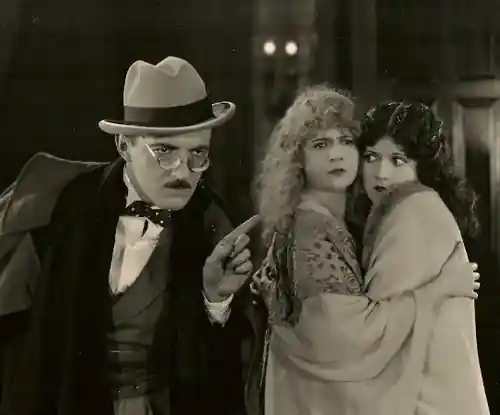
When compared to the social realism of Strejken, Red Lights may seem like a populist entertainment, but its undercurrents of class anxiety and the fragility of the American Dream are just as potent. It explores the idea that no matter how fast we travel or how much track we lay, we can never truly outrun our transgressions. This theme is further echoed in the tragic undertones of La Destinée de Jean Morénas, where fate is an inescapable locomotive.
In the vast landscape of silent cinema, many films are lost to the erosion of time or the overshadowing of more famous contemporaries. Red Lights deserves a prominent place in the pantheon of early suspense. It is a work of high lexical visual diversity, communicating complex themes of dread, redemption, and technological hubris without the need for a single spoken word. The interplay between the cast, the innovative 'pre-crime' narrative hook, and the masterful use of the railroad setting makes it a mandatory watch for any serious student of film history.
Whether you are drawn to it for the historical novelty of its detective work or the sheer visceral thrill of its train-bound climax, Red Lights delivers on every front. It is as much a psychological character study as it is a high-octane mystery. In an era where modern thrillers often rely on digital artifice, there is something profoundly moving about the tactile, mechanical suspense of 1923. It reminds us that at the end of the day, the greatest source of terror isn't a monster in the dark, but the red light flashing at us from the shadows of our own history.
Related viewing for the discerning cinephile:
IMDb 4.4
1929
Community
Log in to comment.