DbcultAccessing Vault...
Cult Review
Senior Film Conservator
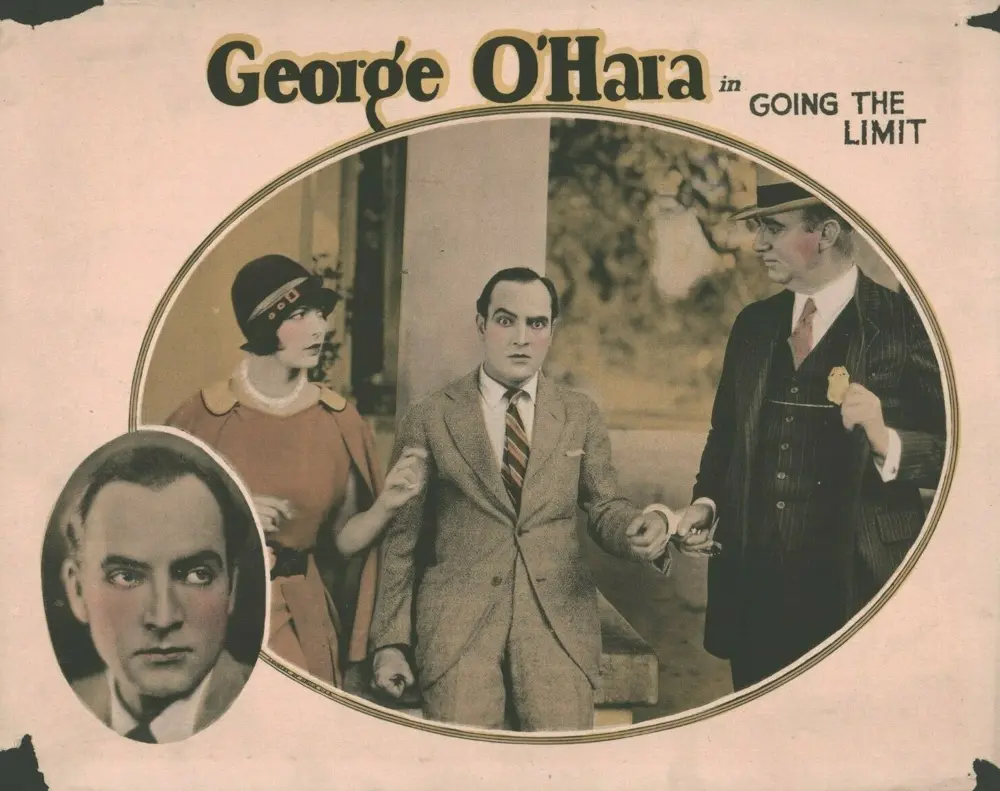
Is Going the Limit (1926) a hidden classic of the silent era? Short answer: No, but it remains a fascinating artifact for those interested in the evolution of the action-comedy hero.
This film is for the dedicated cinema historian and fans of the 'everyman' stunt performer. It is definitely not for those who struggle with the slow-burn pacing of silent-era B-movies or viewers seeking modern narrative complexity.
1) This film works because George O'Hara possesses a kinetic, unforced charisma that grounds even the most absurd physical sequences in a sense of genuine stakes.
2) This film fails because the middle act loses its momentum in a series of repetitive romantic misunderstandings that feel like transparent padding for the runtime.
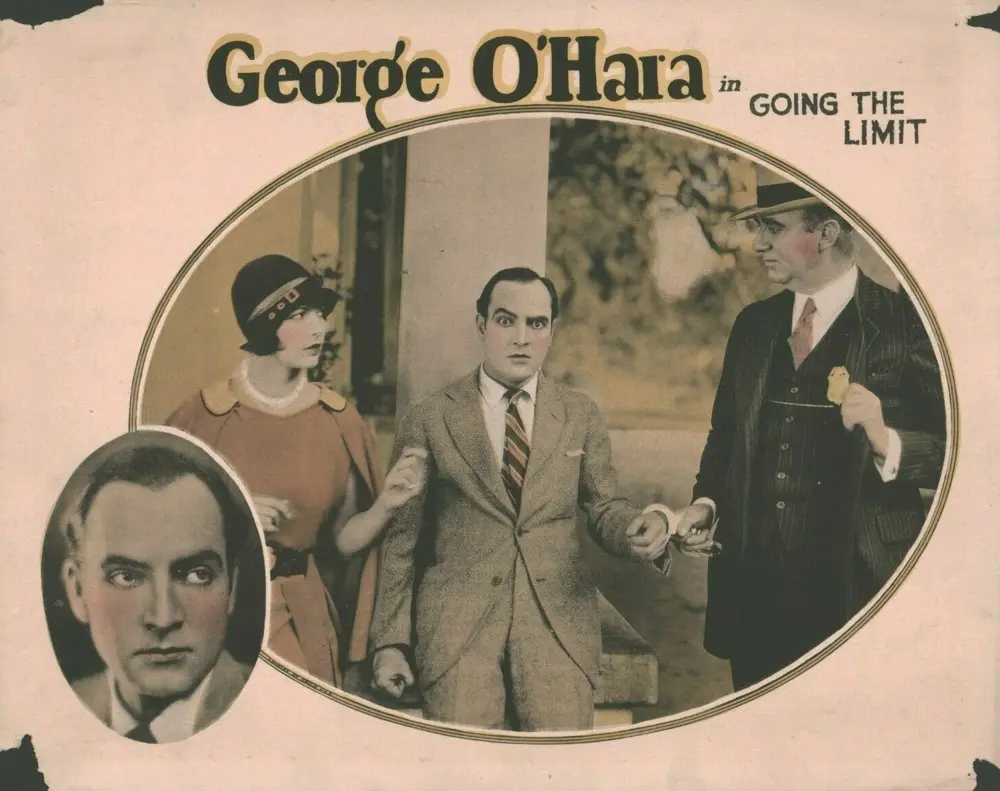
3) You should watch it if you want to see the raw DNA of the modern action star before the industry became hyper-polished and reliant on digital safety nets.
Going the Limit is a product of its time, specifically an era where the novelty of the automobile and the thrill of physical danger were enough to carry a production. Arthur Ebenhack’s direction is functional, prioritizing the clarity of the action over any experimental visual flourishes. Unlike the more atmospheric work found in The River's End, this film lives in the bright, harsh light of the California sun, emphasizing the dusty reality of its stunt work.
The film’s opening sequence establishes the protagonist's reckless nature with a clarity that modern films often overcomplicate with dialogue. We see O'Hara's character pushing a vehicle to its breaking point, not because he has somewhere to be, but because the act of 'going the limit' is his only way of feeling relevant in a world governed by the stagnant wealth of characters played by veterans like Tom Ricketts.
It works. But it’s flawed. The transition from the high-energy opening to the more stagnant social drama of the second act is jarring. While films like Adam and Eva managed to balance social commentary with entertainment, Going the Limit often feels like two different movies fighting for dominance.
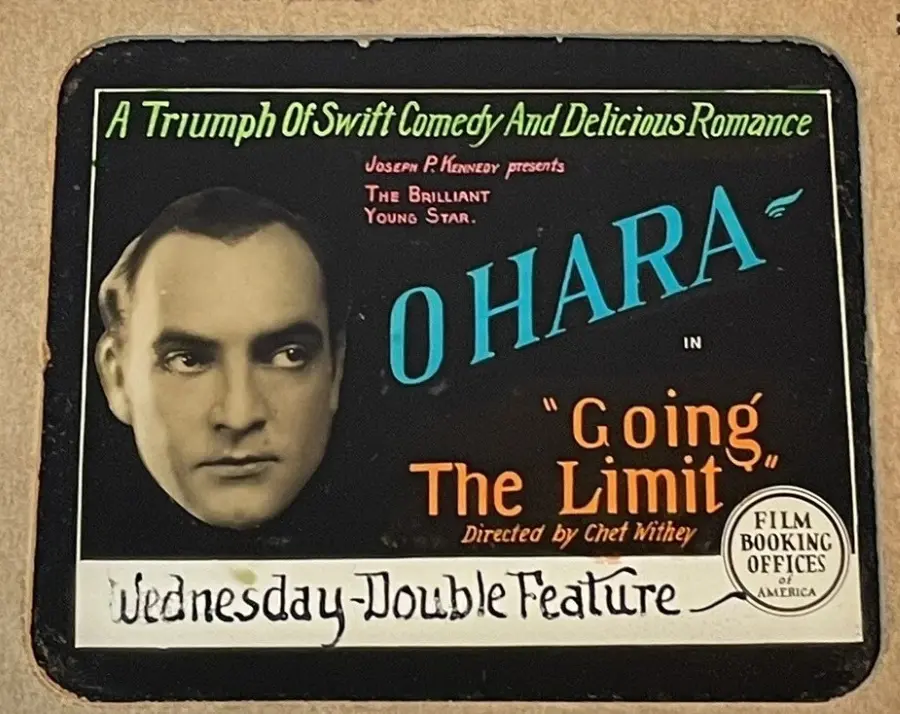
George O'Hara was never going to be a Chaplin or a Keaton, but he occupied a vital space in the 1920s ecosystem. He was the 'capable youth.' In Going the Limit, his performance is less about pathos and more about a specific type of athletic grace. There is a moment midway through the film where he must navigate a crowded social gathering while clearly out of his element; his physical discomfort is palpable and serves as a better character beat than any of the intertitles provided by Arthur Ebenhack.
Brooks Benedict plays the rival with a sneer that feels somewhat archetypal, yet he provides the necessary friction. The dynamic between O'Hara and Benedict is predictable, but it functions as a reliable engine for the plot. Comparing this to the character dynamics in Honeymoon Hardships, one can see how the silent era relied heavily on these established 'types' to communicate complex social hierarchies quickly.
Sally Long, as the love interest, is given less to do than her male counterparts, which is a common frustration of the era. However, her screen presence is undeniable. She manages to convey a sense of agency in scenes where the script tries to relegate her to a mere prize. Her performance is more nuanced than what we see in The Bohemian Dancer, though the film doesn't quite know how to utilize her range.
From a technical standpoint, the cinematography is remarkably stable. The use of outdoor locations provides a sense of scale that studio-bound films of the time lacked. There is a specific shot during a chase sequence where the camera is mounted low to the ground, capturing the vibration of the road. This creates a visceral sense of speed that still feels impressive today. It lacks the poetic framing of Humoresque, but it replaces beauty with a gritty, documentary-like honesty.
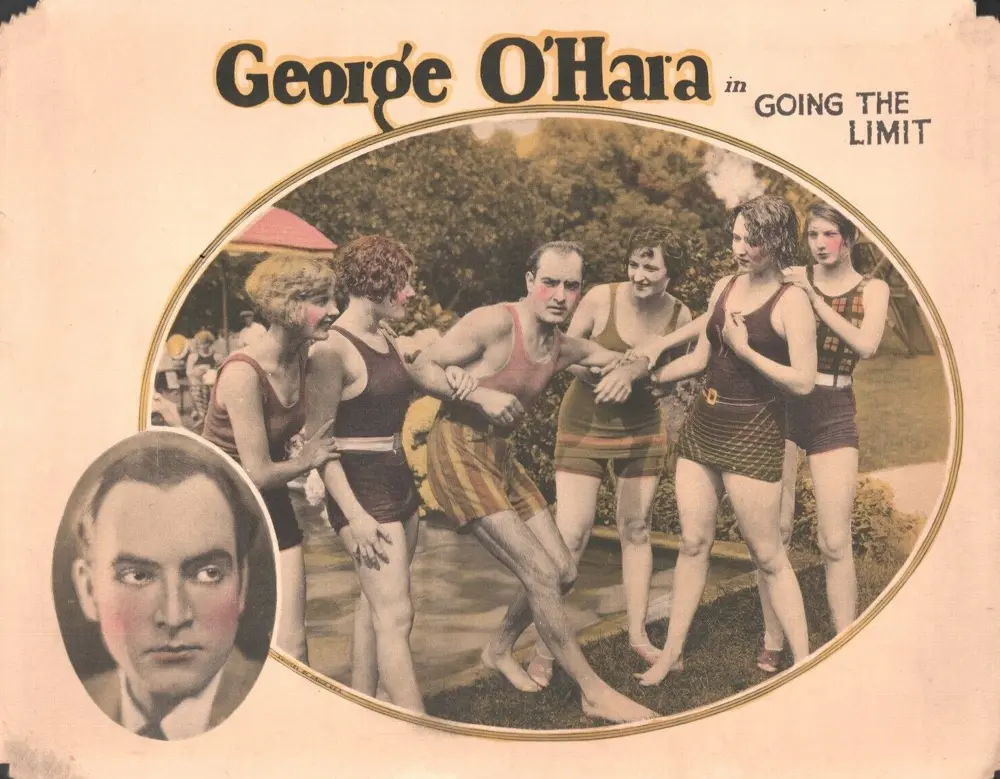
The pacing, however, is the film's Achilles' heel. The 'limit' of the title might well refer to the audience's patience during the long stretches of exposition regarding a family inheritance that feels entirely secondary to the action. If the film had trimmed fifteen minutes of its redundant social maneuvering, it would be a much tighter, more effective piece of entertainment.
The editing by Ebenhack’s team is standard for 1926. It uses cross-cutting to build tension during the climax, a technique that was well-established by this point but is executed here with professional competence. It does not reinvent the wheel, but it keeps the wagon moving.
If you are looking for a masterpiece that reshapes your understanding of cinema, this is not it. However, if you want to understand the 'bread and butter' of the silent era—the films that kept audiences coming back week after week—Going the Limit is an essential watch. It represents the transition point where cinema began to move away from stage-bound melodrama toward the kinetic, movement-based storytelling that would define the next century.
The film offers a window into a world that was just beginning to grapple with the speed of modern life. In that sense, it is more than just a movie; it is a historical document of an obsession. It is worth watching for the stunts alone, which were performed without the safety nets or CGI that modern audiences take for granted.
One surprising element of Going the Limit is its subtle critique of the 'American Dream.' While it appears to be a standard success story, there is an underlying sense of exhaustion in O'Hara’s performance. He isn't just running toward a goal; he is running away from the suffocating boredom of his class. This adds a layer of unintentional depth that makes the film more interesting than a surface-level viewing would suggest. It treats speed not as a luxury, but as a desperate escape mechanism.
Going the Limit is a competent, occasionally thrilling example of mid-1920s commercial cinema. It doesn't have the artistic weight of Humoresque or the narrative innovation of Turn About, but it possesses a raw, unpretentious energy that is hard to dislike. It is a film that knows exactly what it is: a vehicle for a rising star and a distraction for an audience that was increasingly obsessed with the fast lane. Watch it for the history, stay for the stunts, and forgive the melodrama.
IMDb —
1914
Community
Log in to comment.