DbcultAccessing Vault...
2.6/10
Senior Film Conservator
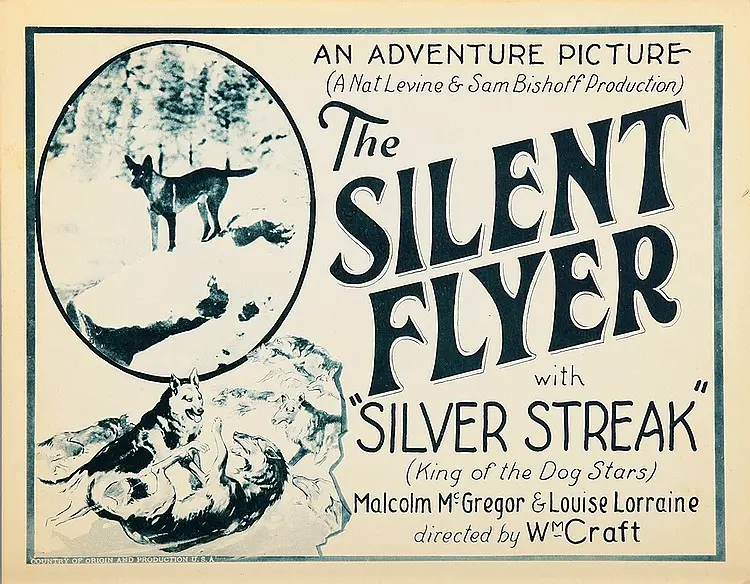
A definitive 2.6/10 rating for a film that redefined the boundaries of cult cinema. The Silent Flyer remains a cornerstone of transgressive art.
Should you invest your time in The Silent Flyer today? Short answer: No, unless you are a dedicated archivist or a fan of the 'Silver Streak' canine legacy. While the film offers a fascinating glimpse into early 20th-century technological anxieties, it lacks the kinetic energy found in masterpieces like Sherlock Jr.. This film is for silent-era completists and aviation historians; it is emphatically not for those who require modern pacing or complex psychological character arcs.
This film works because it treats its central MacGuffin—the silent motor—with a grounded, almost paranoid seriousness that predates the Cold War techno-thriller by decades. This film fails because its structure remains trapped in its original serial format, leading to a repetitive cycle of captures and escapes that feels exhausting when viewed as a singular experience. You should watch it if you want to see the DNA of the modern spy genre being formed in the crucible of 1920s action cinema.
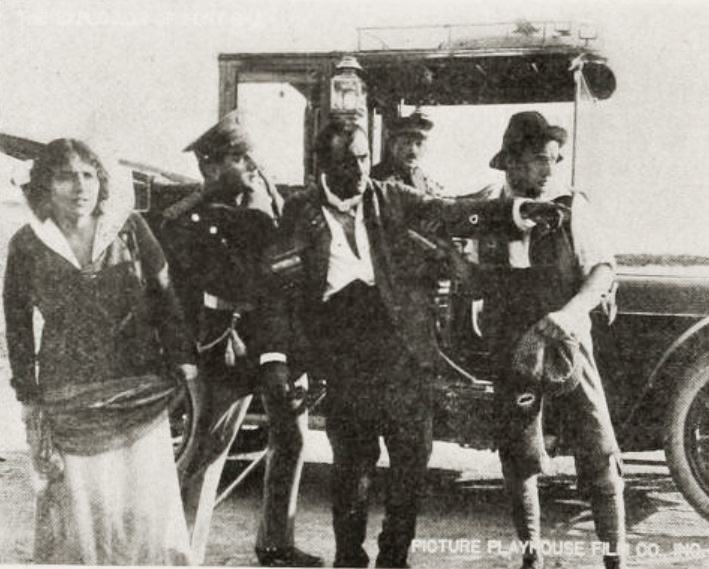
The Silent Flyer is a product of its time, a period when the sky was no longer the limit but a new battlefield. The central premise—a silent motor—is a stroke of narrative genius for the silent film era. There is a delicious irony in watching a silent movie about a silent invention. Director William James Craft (though often uncredited in various cuts) uses this concept to build a sense of invisible danger. When the plane is on screen, we are meant to feel the 'quiet' through the reactions of the actors, a meta-textual layer that works surprisingly well even today.
However, the technical execution of the aerial sequences is hit-or-miss. While some shots of the biplanes against the California horizon are evocative, the editing often fails to convey the actual speed or stakes of the flight. Unlike the more visceral action in Davy Crockett, where the physical environment feels like a character, the sky in The Silent Flyer often feels like a flat backdrop. The cinematography, handled by the likes of Edward Kull, is functional but lacks the experimental shadows that would later define the noir elements of the spy genre.
Malcolm McGregor as Lloyd Darrell (aka Bill Smith) delivers a performance that is the definition of 'serviceable.' He has the jawline for a 1920s hero, but his range is limited to two modes: intense focus and slightly more intense focus. In contrast to the dramatic weight found in The Light That Failed, McGregor’s work here is purely physical. He is an instrument of the plot, not a human being with an internal life. He moves well, he handles the 'undercover' elements with a certain stiff charm, but he never truly disappears into the role.
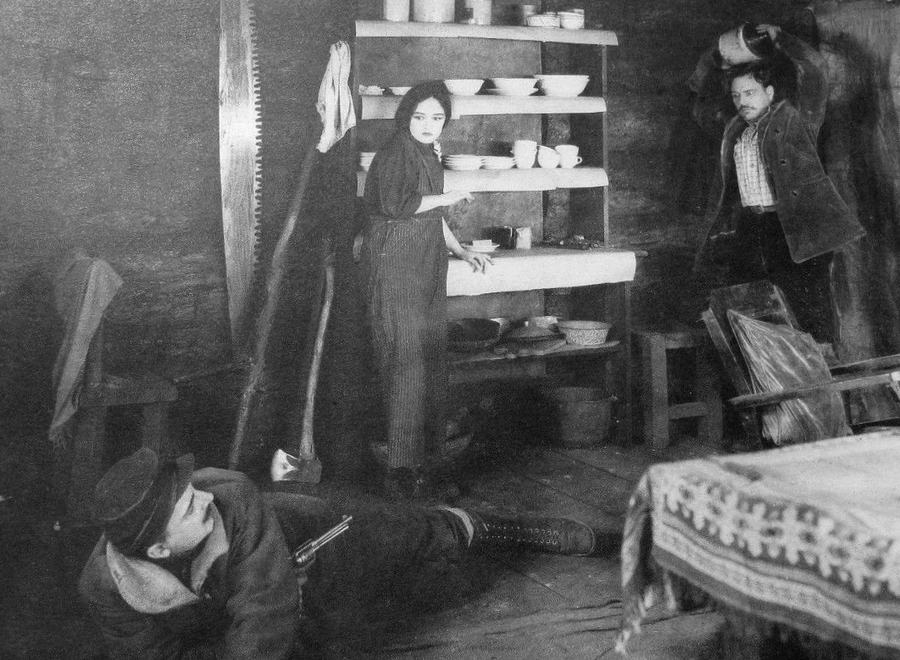
The real star, arguably, is Louise Lorraine. As the female lead, she is often relegated to the 'damsel' role, yet she possesses a screen presence that outshines McGregor. There is a specific scene in the third act where she realizes the depth of the betrayal within the laboratory; her micro-expressions convey more tension than the ensuing fistfight. It is a reminder that even in 'primitive' action cinema, the actors were often trying to find the humanity between the stunts. And then, of course, there is Silver Streak, the dog. In many ways, the dog is the most competent character in the film, providing a level of genuine emotion and reliable action that the human cast sometimes lacks.
The biggest hurdle for a modern viewer is the rhythm. The Silent Flyer was originally a 10-chapter serial, and that DNA is impossible to strip away. Every fifteen minutes, the plot reaches a fever pitch that would have originally been a cliffhanger. When watched back-to-back, this creates a 'stuttering' narrative flow. You get a buildup, a climax, a resolution, and then a reset. It’s repetitive. It’s exhausting. It’s a relic of a distribution model that no longer exists.
Compare this to the fluid narrative of The Vow, which manages its emotional beats with far more grace. In The Silent Flyer, the plot moves forward not through character growth, but through a series of increasingly improbable coincidences. Darrell just happens to be in the right room; the villains just happen to leave the plans on a desk. It requires a level of suspension of disbelief that might be too high for a contemporary audience accustomed to the tight scripting of modern espionage.
For the average moviegoer, The Silent Flyer is not worth watching. It is a slow, repetitive experience that lacks the visual flair of the era's better-known works. However, for historians of the spy genre, it is a vital piece of the puzzle. It shows how early filmmakers struggled to translate the 'thrills' of a novel into a visual medium without the benefit of sound or advanced special effects.
Pros:
- Intriguing early 20th-century spy tropes.
- Strong presence from Louise Lorraine and Silver Streak.
- Historical value in seeing early aviation on film.
Cons:
- Terribly repetitive pacing.
- Malcolm McGregor is a wooden lead.
- Lack of visual innovation compared to other 1926 releases.
The Silent Flyer is a fascinating failure. It has all the ingredients of a classic—espionage, secret identities, and cutting-edge technology—but it fails to mix them into a compelling whole. It’s a film that stays grounded when it should be soaring. It works as a historical document. But as a piece of entertainment? It’s a slog. If you want to see what 1926 was truly capable of, go watch Sherlock Jr. instead. The Silent Flyer is a quiet relic that is best left in the hangar.
IMDb 7.7
1935
Community
Log in to comment.