DbcultAccessing Vault...
5.8/10
Senior Film Conservator
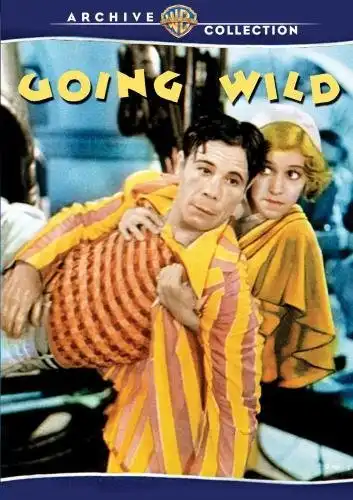
A definitive 5.8/10 rating for a film that redefined the boundaries of cult cinema. Going Wild remains a cornerstone of transgressive art.
Alright, let’s be real. If you’re looking for a deep, thought-provoking cinematic experience, Going Wild isn't it. But if you’ve got a soft spot for those frantic, slightly goofy comedies from the early 1930s, especially ones starring Joe E. Brown, then you might just get a kick out of this one. Anyone who finds old-school slapstick a bit too much, though, this probably isn't for you. It’s got a very particular energy.
The whole thing kicks off with a classic mix-up. Two guys, our main men, find themselves at White Beach and somehow, through pure happenstance, get mistaken for a famous ace pilot. Suddenly, they're being treated like kings at the Palm Inn. Fancy rooms, free everything, the works. It's all very glamorous, and they're just kinda rolling with it, wide-eyed and a little dumbfounded. 🌴
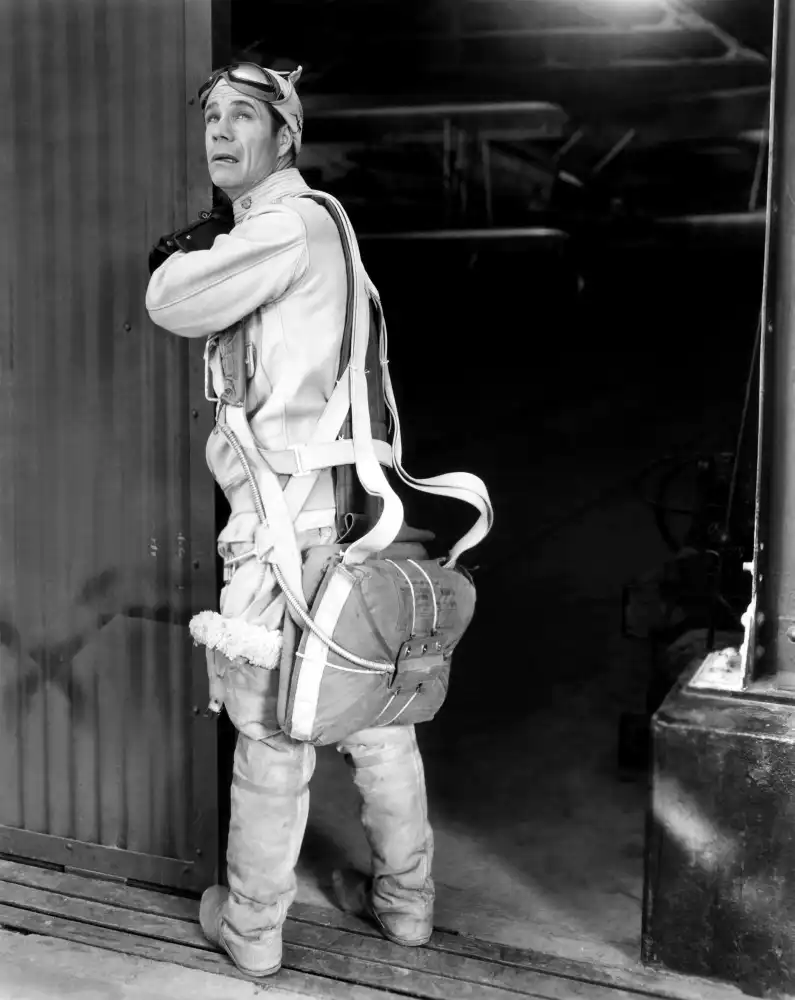
Joe E. Brown, as Biff, is exactly what you expect. All big grins, exaggerated expressions, and this wonderful, frantic energy that just makes you laugh. His signature wide mouth stretches across his face in moments of pure panic or bewildered delight. Matthew Jones, playing Bud, is the slightly more grounded of the pair, trying to keep Biff's enthusiasm (and their secret) from completely unraveling. It’s a good pairing, their energies really bounce off each other.
The funniest bits are when the pressure starts piling up. They’re getting all this special treatment because everyone thinks one of them is this incredible flyer, and now they're expected to actually pilot a plane in a big race. A flying race! And they can't even fly a kite, let alone a biplane. The way they try to bluff their way through conversations about aviation is just gold. You can almost feel their internal screams. 😬
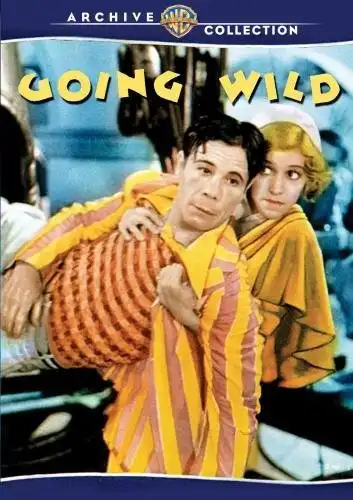
There's this moment where Biff is trying to explain some intricate flying maneuver, and he's just waving his arms around like a madman, making airplane noises. The other characters nod along, completely convinced. It’s wonderfully absurd. The film really leans into that 'how long can they keep this up?' tension.
And then there are the local girls. Oh man, the local girls. They've gone and bet all their money, everything they have, on their 'ace pilot' winning this race. It just raises the stakes to an almost painful level of silliness. You want them to win, somehow, but you also know it's impossible. That's the charm of it.
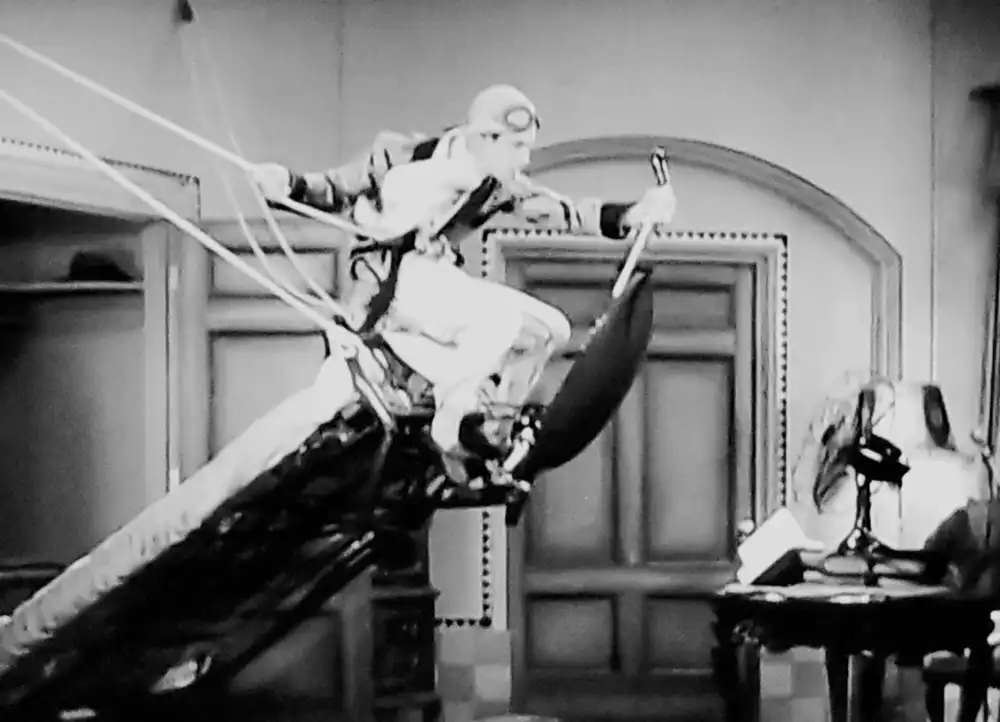
The pacing, it's pretty quick. They don’t waste a lot of time on character development or deep plot points. It’s just one madcap situation after another. The scenes move briskly, almost like a stage play, which makes sense for the era. Sometimes it feels a little too fast, like they're rushing to the next gag without letting the previous one fully sink in. But hey, that's 1930s comedy for ya.
One small thing I noticed: The crowd scenes during the race itself have this really cool, bustling energy. You can tell they got a lot of extras involved. It actually feels like a big event, not just a couple of people milling around. That always helps sell the 'big stakes' feeling, even if the stakes are hilariously fake. 📢
It’s not a film that tries to be anything more than what it is: a vehicle for Joe E. Brown’s particular brand of physical comedy and a simple mistaken identity farce. And honestly, for what it sets out to do, it mostly works. It's a snapshot of a different time in comedy, full of earnest goofiness.
IMDb 6.2
1931
Community
Log in to comment.