DbcultAccessing Vault...
6.5/10
Senior Film Conservator
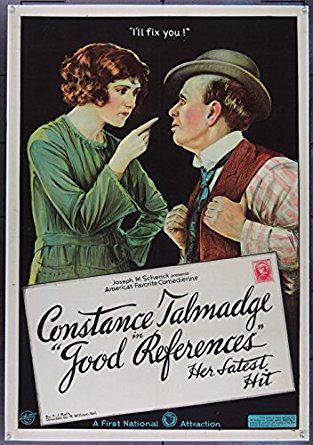
A definitive 6.5/10 rating for a film that redefined the boundaries of cult cinema. Good References remains a cornerstone of transgressive art.
A century ago, when the nickelodeon reeked of coal dust and violet perfume, Good References slipped into theaters like a forged calling card—deft, glittering, gone before the usher noticed. Watching it now is to eavesdrop on Roaring-Twenties Manhattan at the precise instant its fault lines cracked: chorus girls, bootleggers, and society matrons all rubbing sequined elbows in the same velvet darkness.
Constance Talmadge’s Mary Wayne begins the film amid floating embers—her last potato supper ignites the curtains, and eviction follows like a punchline. The city outside is a grid of slammed doors; her only luggage is a borrowed hatpin. Enter the employment bureau, a Dickensian purgatory where she befriends the tubercular but luminous Nell Norcross. One cough, one forged recommendation later, Mary steps into Nell’s monogrammed pumps and ascends the marble staircase of Caroline Marshall’s manorial townhouse.
Inside, the film’s palette blooms from sooty grays to champagne golds. Cinematographer H. Lyman Broening floods drawing rooms with candlepower until the celluloid itself seems dusted in gilt. Yet the opulence is brittle; every candelabra flicker hints at the chandelier’s imminent crash. Mary’s duties range from cataloguing visiting cards to chaperoning Caroline’s blasé nephew Bill—played by Vincent Coleman with the laconic slouch of someone who’s read too much Hemingway and lived too much Fitzgerald.
What makes the premise endure is its emotional calculus: Mary’s lie isn’t cynicism but survival. Talmadge, a comedienne who could pirouette from slapstick to heartbreak mid-pratfall, lets us glimpse the terror beneath the smile. When she practices signing Nell’s loopy signature, her fingers tremble like a forger awaiting the warden. Each stolen letter, each sidelong glance at Bill, compounds the interest on a debt she can never repay.
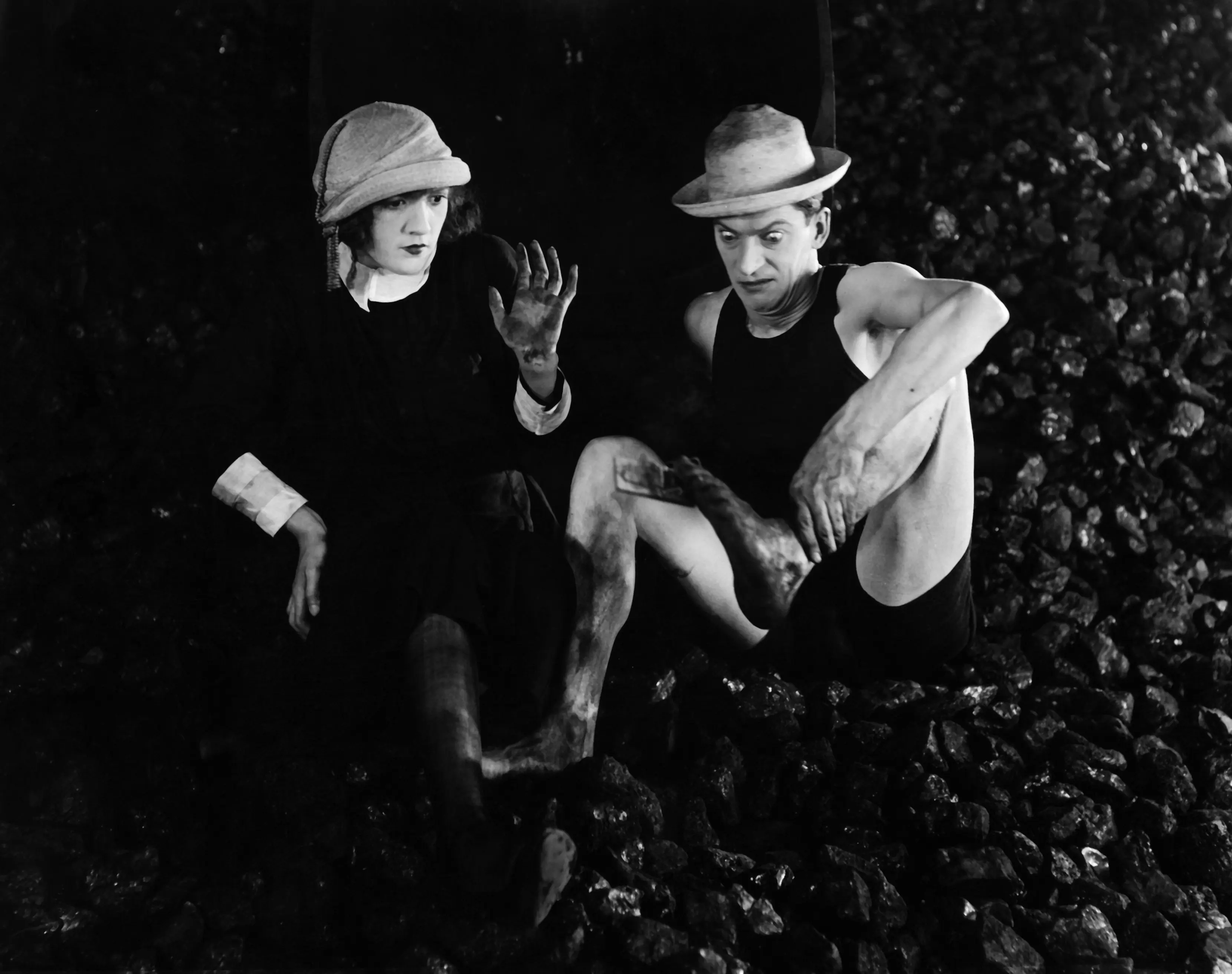
Meanwhile, Bill’s own performance—feckless heir by day, clandestine fight fan by night—mirrors hers. Both are impostors: she in silk stockings, he in the family tuxedo. Their flirtations crackle with the knowledge that authenticity is the one luxury neither can afford. The screenplay, adapted by Dorothy Farnum from E. J. Rath’s story, weaponizes witty intertitles like, “A reference is only as good as the paper it’s forged on.”
Director Ray B. West orchestrates a visual counterpoint: upstairs, the cavernous dining room where spoons chime like xylophones; downstairs, a cellar speakeasy converted into a fight club that smells of sawdust and iodine. Mary’s hemline brushes both worlds—she types letters about debutante teas while, in her peripheral vision, Bill trades body shots with pugilists whose scars map the five boroughs.
The boxing sequence—shot in chiaroscuro borrowed from German expressionism—feels like a fever dream of masculinity. Each punch lands with a percussive thud accentuated by the theater’s live drum kit, turning spectators into co-conspirators.
Silent-era historians often crown Pickford or Gish, yet Talmadge possessed a kinetic modernity—her comedy was caffeinated, urbane, allergic to self-pity. In Good References she weaponizes the close-up: a single raised brow that could wither a banker or melt a heart. Notice the sequence where she tiptoes into Bill’s darkened study to forge Nell’s name on a telegram. The camera inches nearer until her pupils become twin galaxies of panic and resolve. No dialogue, yet the audience hears her pulse.
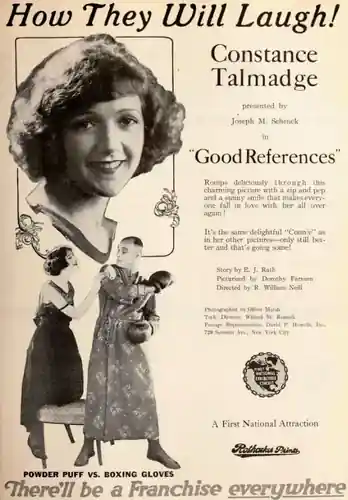
Compare her to Constance’s sister Norma, tragedienne of Sunday, and you sense a family gene pool that mapped the entire spectrum of human expression. Constance’s lightness was never frivolous; it was an act of rebellion against a century that demanded women choose between sainthood and scandal.
As Bill, Coleman channels the era’s spiritual fatigue—those young men who survived the Great War only to drown in cocktails and ennui. His performance is all angles: elbows draped over club chairs, shoulders shrugging inside tuxedo seams that never quite fit. When he confesses love for Mary, the words stumble out like punches thrown after the bell. You half-expect him to duck for cover once spoken.
Ned Sparks, as sidekick Peter Stearns, supplies the film’s sandpaper rasp. With his hangdog visage and timing sharp enough to slice prosciutto, Sparks embodies the urban wiseacre who’s seen every scam yet roots for the underdog. Their repartee—delivered via intertitle witticisms—anticipates the screwball duels of The Woman Next Door by a full decade.
Art director William S. Twichell festoons the Marshall townhouse with overstuffed settees, Persian rugs, and portraits of forebears whose eyes seem to follow every forged signature. The mise-en-scène critiques the very class it depicts: the wealth is both seductive and suffocating, a gilt cage whose bars reflect Mary’s face back at her, distorted by longing.
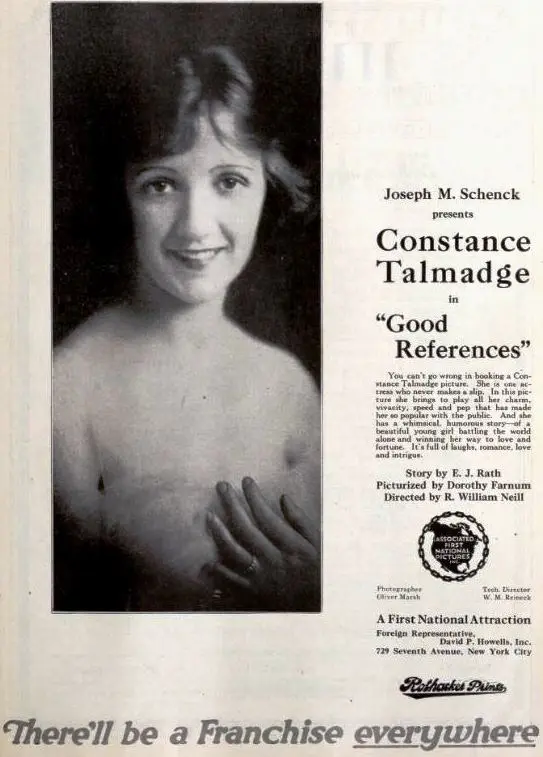
Contrast this with the pugilistic basement—bare bulbs strung like interrogation lights, brick walls sweating the city’s subterranean damp. Here, socialites in tuxedo vests wager crumpled bills while a violinist plays ragtime off-key. The sequence is a microcosm of Prohibition America: chaos choreographed into spectacle, lawlessness sold as luxury.
Beneath the pratfalls lies a treatise on female mobility. Mary’s trajectory—from tenement to townhouse to potential jail cell—charts every permissible inch of space the 1920s granted women. Her counterfeit references are both shackle and skeleton key; they unlock doors yet threaten to collapse on her like a house of marked cards. Note the scene where she rehearses her false backstory in the mirror: the reflection shows a woman split down the middle, half hopeful ingénue, half fugitive.
Caroline Marshall, the elderly socialite, functions as gatekeeper matriarch. Dorothy Walters plays her with the regal paralysis of someone whose power derives solely from the etiquette book clutched in her lace mitt. She embodies the ancien régime: all pearls and patrician vowels, yet impotent before the anarchic energies of the Jazz Age swirling outside her velvet-draped windows.
Surviving prints include the original cue sheets—fox-trots for parlors, tom-toms for boxing. Contemporary screenings with live ensembles reveal how composer James C. Bradford weaponized syncopation: during Mary’s near-unmasking, violins saw away in 5/4 time, destabilizing the viewer like a waltz on a tilting ship.
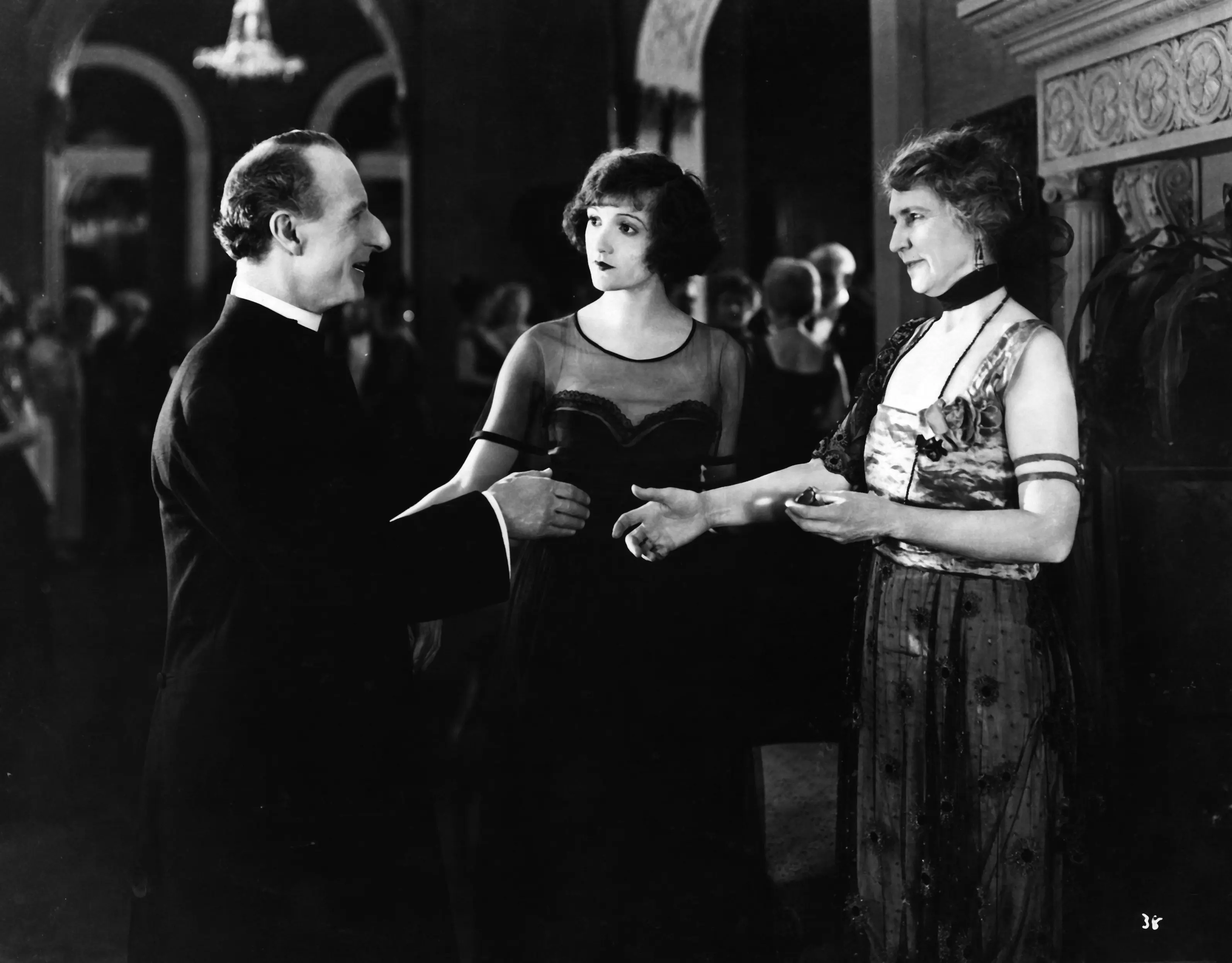
Yet the film’s most savage beat is silence. When Bill discovers the forged letter, the orchestra drops out. For ten seconds—a lifetime in silent cinema—we hear only the rustle of nitrate and collective inhale of an audience fearing heartbreak. It’s a gambit that anticipates Hitchcock’s use of auditory vacuum to amplify tension.
Stack Good References beside Sylvia on a Spree and you see two strategies for navigating the same gendered labyrinth: Sylvia flaunts flapper rebellion, while Mary smuggles herself inside the establishment’s own stationery. Against the continental fatalism of Dzieje grzechu, the American film opts for a punch-drunk optimism: identity is fluid, forgivable, perhaps even democratized.
Meanwhile, fans of A Tale of Two Cities will recognize the doppelgänger motif—only here the guillotine is social humiliation rather than revolutionary blade. The film winks at Dickens even as it pirouettes away from his gravitas toward champagne fizz.
Modern binge-watchers tracking con-artist sagas—from Impulse to Inventing Anna—will find Mary Wayne their prototype. She foreshadows the anti-heroine as capitalist survivalist, weaponizing charm against a system rigged to punish those without pedigree. Yet the film refuses noir nihilism; instead it opts for screwball restitution, suggesting America might still forgive the striver who apologizes prettily enough.
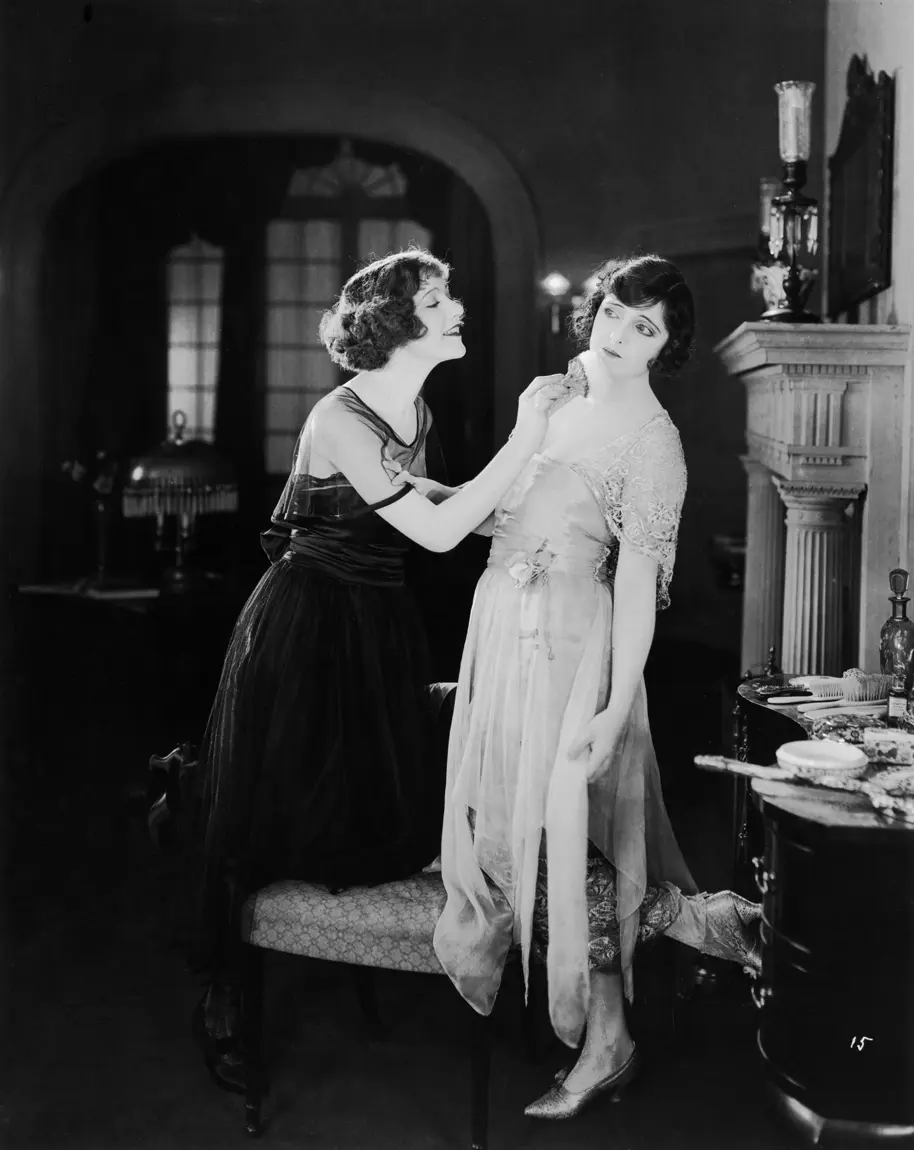
Cinephile discourse often laments lost silent films the way astronomers mourn extinguished stars. That Good References survives mostly intact—one reel marred by vinegar syndrome but salvaged via 4K photochemical romance—feels like a kind of cosmic clemency. Each viewing is a reprieve, a stay of execution from the archive’s entropy.
So is it merely a curio for Roaring-Twenties cosplayers? Hardly. The film’s tension between who we are and who we claim to be feels ripped from contemporary headlines—resume padding, influencer fabrication, algorithmic reinvention. Talmadge’s moonlit confession on the East River pier, waves slapping the pilings like a metronome of regret, lands with a throb that transcends decade.
I’ve seen it three times with live accompaniment—piano, chamber, full jazz band—and each iteration reveals a new sly grace note: a side-eye from Nellie Parker Spaulding’s maid, a cigarette case engraved with an Ivy League crest that we glimpse for half a second. These are the textures that turn artifact into organism, that let a 1920 comedy lecture a 2020s audience about the price of upward mobility.
In short, Good References is the rare silent that doesn’t need apologetic qualifiers. It hums, it crackles, it leaves you half in love with a woman who never existed and half terrified of the lies we tell to become ourselves. Catch it on 35mm if you can; let the projector rattle like a Model T climbing Manhattan’s bridges. When the lights rise, you’ll check your own wallet for forged references—only to realize they’re printed on the very currency of modern life.
IMDb 4.8
1933
Community
Log in to comment.