DbcultAccessing Vault...
Cult Review
Senior Film Conservator
Is Junanbana worth watching today? Short answer: yes, but with significant caveats. This film is an essential, if challenging, watch for cinephiles interested in the early evolution of Japanese melodrama and the nuanced portrayal of female relationships in silent cinema, yet it will likely prove inaccessible for those accustomed to modern narrative pacing or crisp restoration.
It’s a historical artifact that demands patience and a keen eye for subtle emotional cues, offering a unique window into a bygone era of filmmaking and social mores. It’s certainly not a film for a casual Friday night viewing, but rather an immersive study for those willing to engage with its historical context.
This film works because: It offers an incredibly rare, intimate glimpse into the social and emotional landscape of 1920s Japan through a distinctly female lens, a perspective often sidelined in historical cinema. Its emotional core, centered on the trials of friendship, remains universally resonant.
This film fails because: Its pacing, typical of the era, can feel glacial to contemporary viewers, and the surviving prints often suffer from significant degradation, making a full appreciation of its visual artistry challenging. The melodramatic flourishes, while authentic to its time, might also feel dated.
You should watch it if: You are a dedicated student of film history, particularly Japanese cinema, or if you possess the patience and curiosity to unearth the foundational narratives of female camaraderie and resilience. It's not a casual viewing experience, but a rewarding archaeological dig for the right audience.
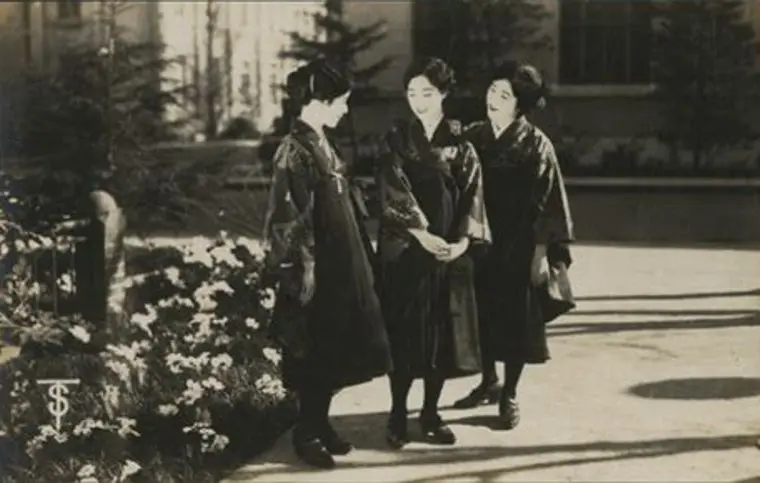
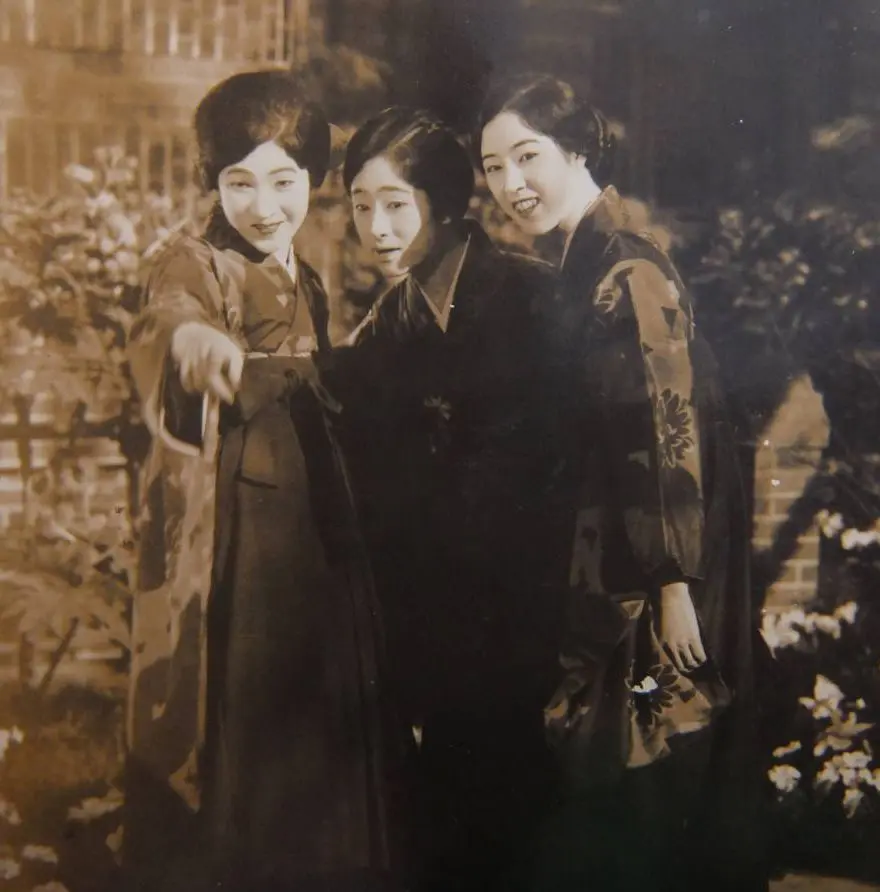
Released in an era when Japanese cinema was rapidly developing its own distinct voice, Junanbana (also known as The Passion Flower) emerges from the rich literary tradition of Hiroshi Kikuchi’s novel, adapted for the screen by Kan Kikuchi and Takashi Oda. This silent drama, centered on the lives of three young women post-graduation, reflects a societal fascination with evolving female roles and the enduring power of personal bonds in a rapidly modernizing Japan.
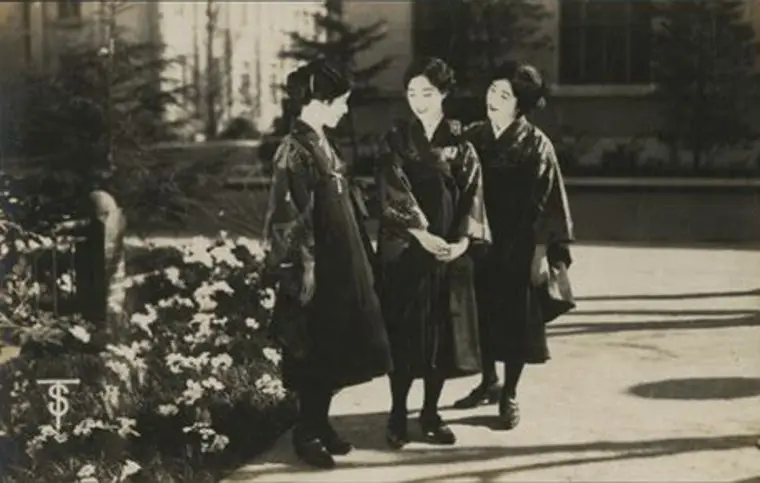
The film’s ambition lies not in grand historical events, but in the intimate, almost domestic, scale of its emotional conflict. It’s a quiet observation of friendship’s fragility when confronted with the harsh realities of adult life, a narrative thread that resonates deeply across cultures and generations. The deliberate pace allows for a slow burn of character development, inviting the audience to truly inhabit the world of its protagonists.
While many silent films of this period are often remembered for their spectacle or pioneering technical achievements, Junanbana carves its niche through its heartfelt exploration of human connection. It’s less about what happens, and more about how it feels, a testament to the power of melodrama when executed with genuine emotional intent.
The film’s historical significance cannot be overstated. It offers a rare window into the narrative conventions, acting styles, and thematic concerns that shaped early Japanese cinema. For scholars and enthusiasts, it’s
IMDb 7.8
1932
Community
Log in to comment.