DbcultAccessing Vault...
5.8/10
Senior Film Conservator
A definitive 5.8/10 rating for a film that redefined the boundaries of cult cinema. Grace remains a cornerstone of transgressive art.
You should probably watch Grace if you're the kind of person who likes looking at old postcards or if you have a soft spot for 1920s Italian drama. If you can’t stand silent movies where people stare intensely at each other for three minutes without saying a word, stay far away from this one.
It’s a simple story. Maybe too simple.
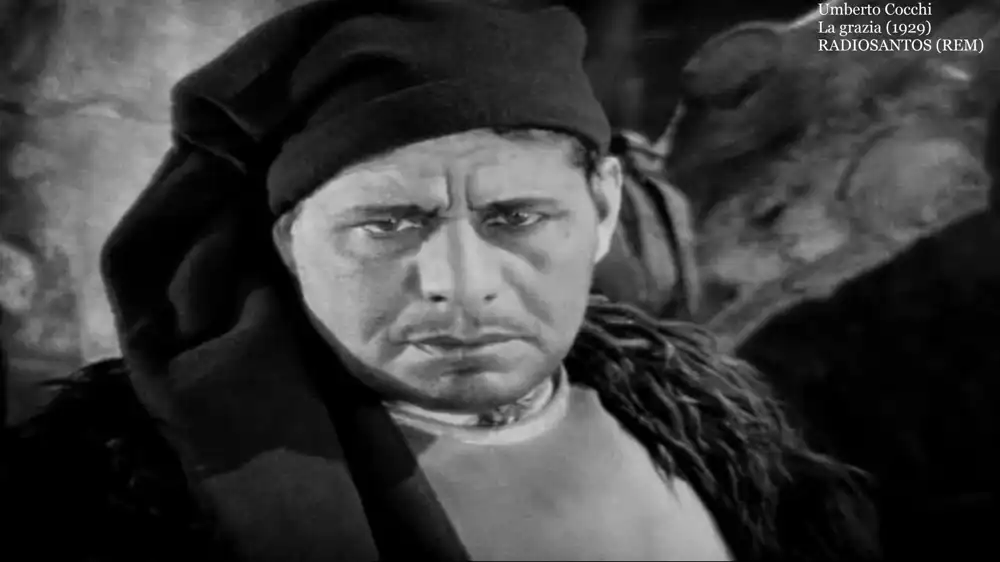
We’ve got this young guy who is supposed to take over a big estate in Sardinia. He meets a shepherdess, they have one night of romance, and then he basically vanishes the moment a shiny city lady looks his way.
The heir is played by Giuseppe Pierozzi, and honestly, he has one of those faces that looks perpetually confused. You almost want to shake him. Why are you being so dense?
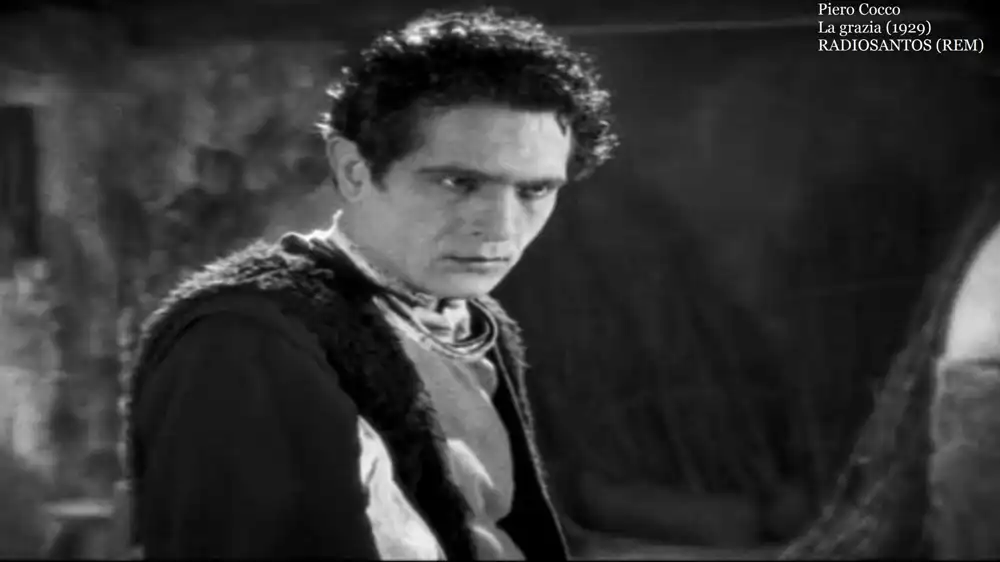
There is a scene early on in the mountains that really stuck with me. The way the light hits the rocks makes the whole place look dusty and magical at the same time.
The shepherdess feels like she belongs there. She has this very grounded, heavy presence that the movie loses once it moves to the city.
Then we get to the "elegant seductress" part. Her apartment is filled with so much stuff. It’s that typical movie trope where wealth is shown by having way too many vases and tiny tables you’d definitely trip over in real life.
I found myself looking at the background more than the actors. There's a weirdly ornate clock in one scene that I couldn't stop staring at. 🕰️
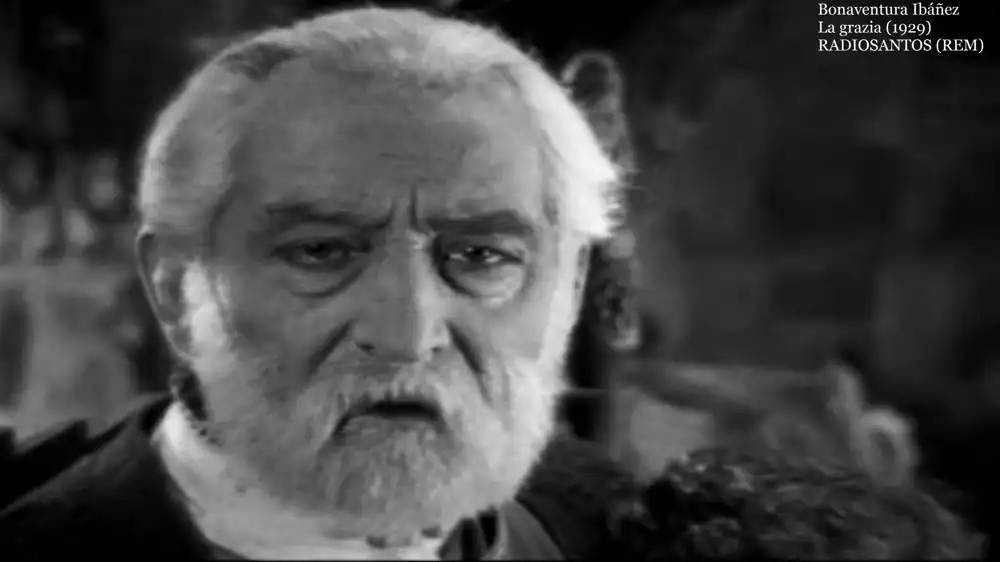
The movie tries really hard to make us feel bad for the guy being "detained" by the city woman. But he doesn't look like a prisoner. He just looks like he's having a very long, very boring lunch.
It reminds me a bit of the vibe in The Price of Innocence, where you just want to yell at the screen for the characters to make better choices. But they never do.
Tilde Dyer is fine as the lead, but she’s given a lot of scenes where she just has to look sad near a wall. It’s a very 1920s kind of sadness. Very theatrical.
The writing credits include Grazia Deledda, who actually won a Nobel prize. You can tell there is a better story under here about the death of old traditions, but the movie is more interested in the fancy dresses.
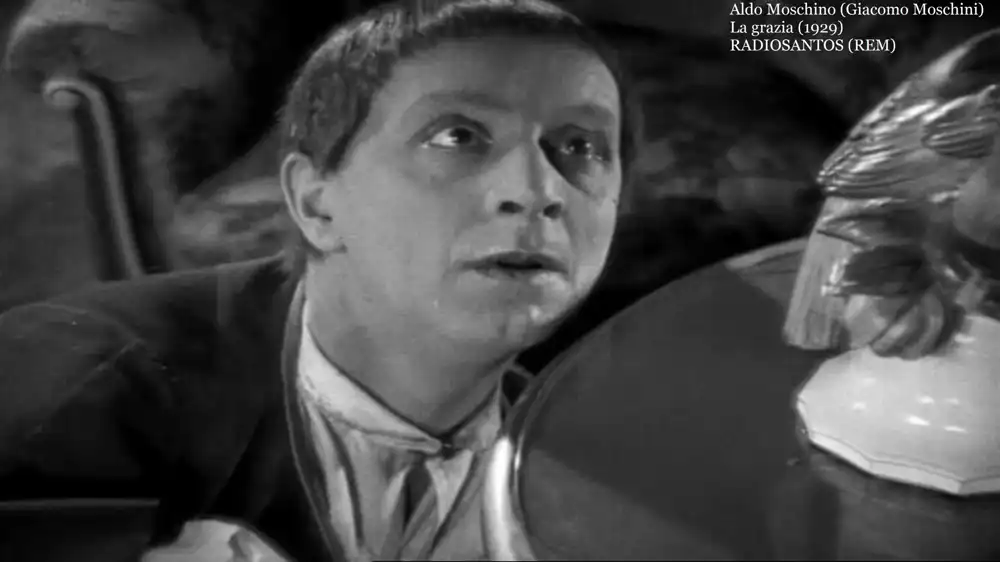
One shot of a sheep near a stone fence lingered for way too long. I think it was supposed to be symbolic? Or maybe the cameraman just liked the sheep. 🐑
The city scenes feel a bit cramped. After the wide open spaces of the Sardinian hills, the apartment feels like a closet.
I think that was the point, actually. The "luxury" is actually a trap. It's not a very subtle metaphor, but it works.
It’s definitely not as funny as something like The Iron Mule or even Playin' Hookey. It takes itself very seriously.
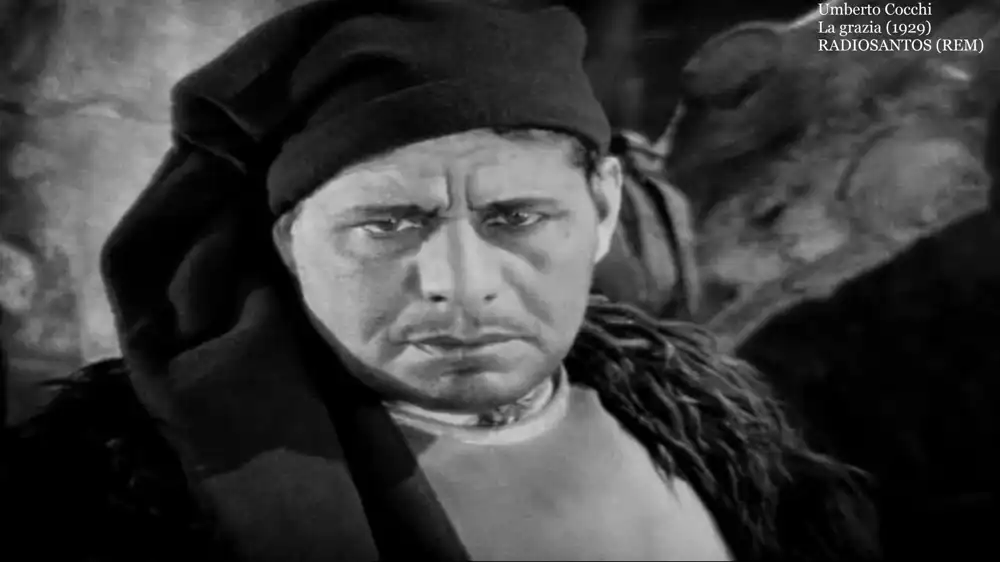
Sometimes it takes itself too seriously. There’s a moment where the seductress pours a drink and the way she holds the glass is so dramatic you’d think she was holding a human heart.
The print I saw was a bit grainy, which actually helped. It made the mountain scenes look more like a dream and the city scenes look more like a dusty old museum.
I wonder what happened to the shepherdess. The movie kind of forgets her for a long stretch, which I guess makes us feel like the main guy. We forget her because the movie stops showing her to us.
It’s a bit like Get Your Man in how it handles the chase, but with way less energy. It's more of a slow crawl than a chase.
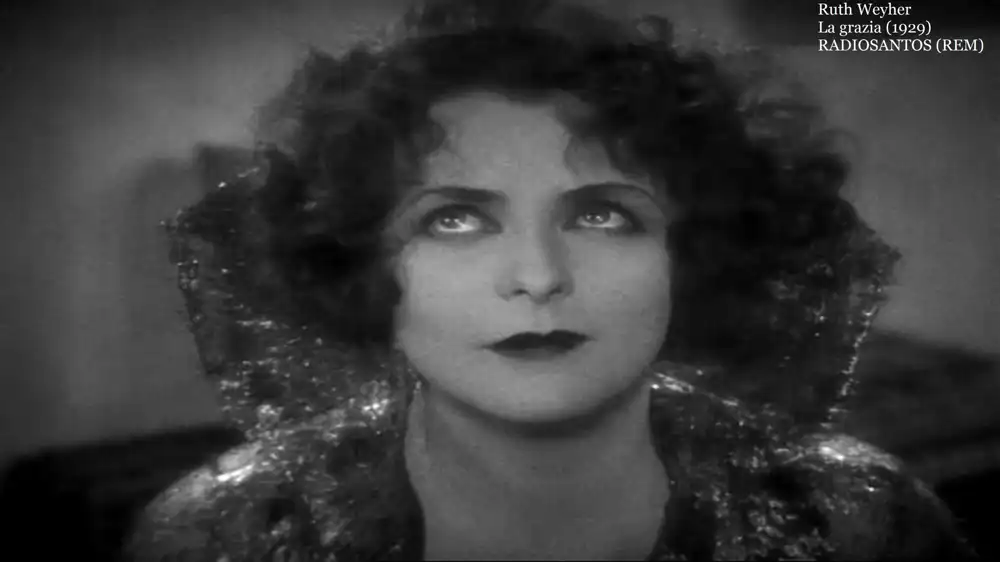
There is a specific reaction shot of Augusto Bandini where he looks like he’s smelled something bad. It’s supposed to be a moment of realization, but it just made me laugh a little bit.
The ending feels a bit rushed. Like they realized they were running out of film and needed to wrap up the heartbreak quickly.
Is it a masterpiece? No. But it’s a mood. It’s the kind of thing you put on when it’s raining outside and you want to feel a little bit dramatic for no reason.
If you enjoy seeing how 1920s cinema tried to handle "modern" vs "traditional" life, it’s worth a look. Just don’t expect a fast-paced thriller. It moves at the speed of a very slow tractor.
I kept thinking about how much work it must have been to get those cameras up into the rocky parts of Sardinia back then. That’s the real hero of the movie—the person who carried the tripod.
The contrast between the wool clothes and the silk dresses is really the whole movie. Textures. That’s what stayed with me more than the plot.
The guy’s hair is also remarkably perfect the entire time. Even in the mountains. How?
IMDb 7.1
1934
Community
Log in to comment.