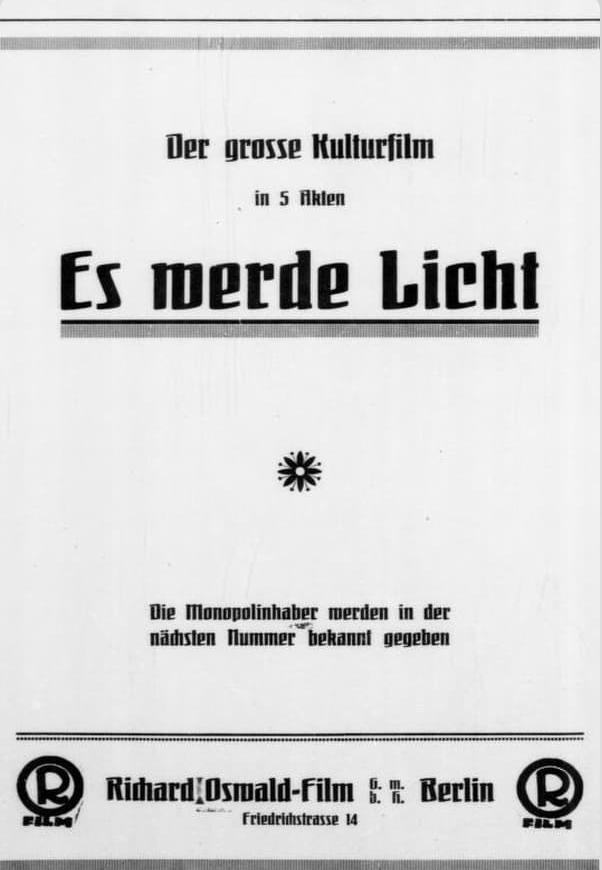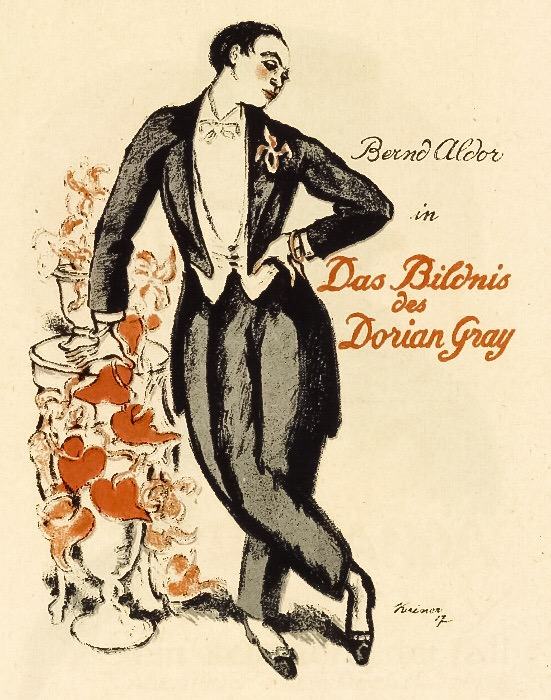
A variation of the famous Oscar Wilde tale in which Dorian Gray's soul is manifested in a painting instead of his own body..
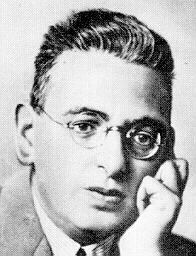
Richard Oswald, Oscar Wilde
Germany
Berlin, winter 1917. The city exhales coal soot and desperation. Into this soot Richard Oswald drops his nitrate grenade: a Wildean tale recalibrated for a nation busy cannibalizing its own future. The film’s intertitles—white on black like fresh stitches—warn us that beauty is currency, and currency devalues fastest ...
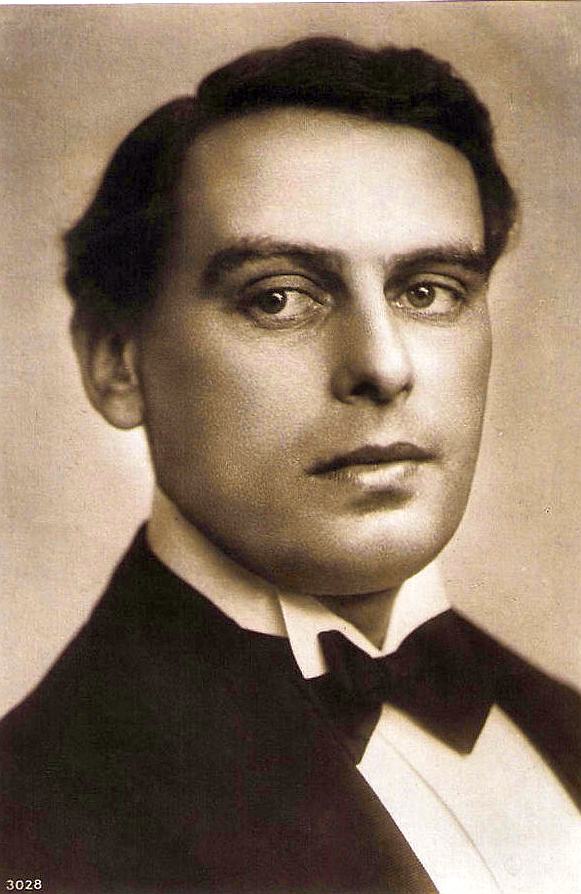
still_frame
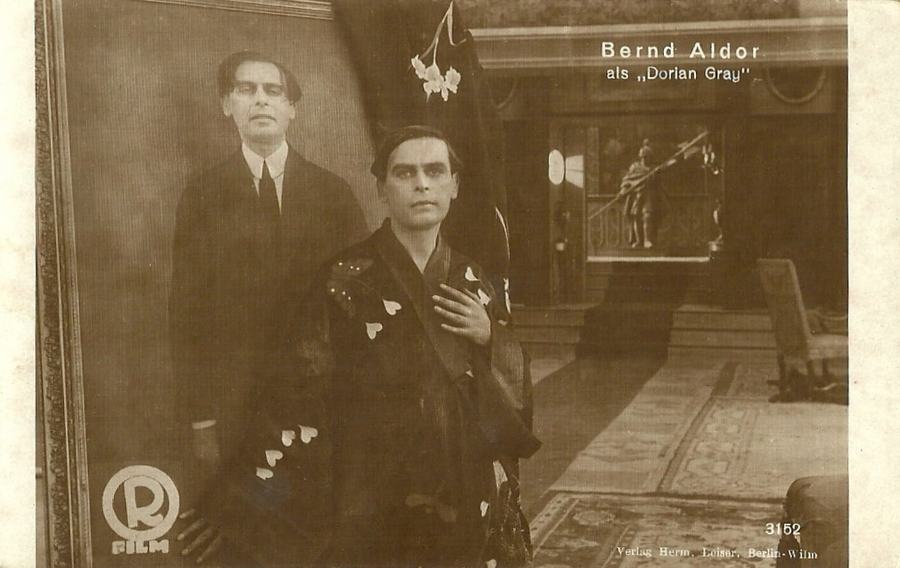
publicity
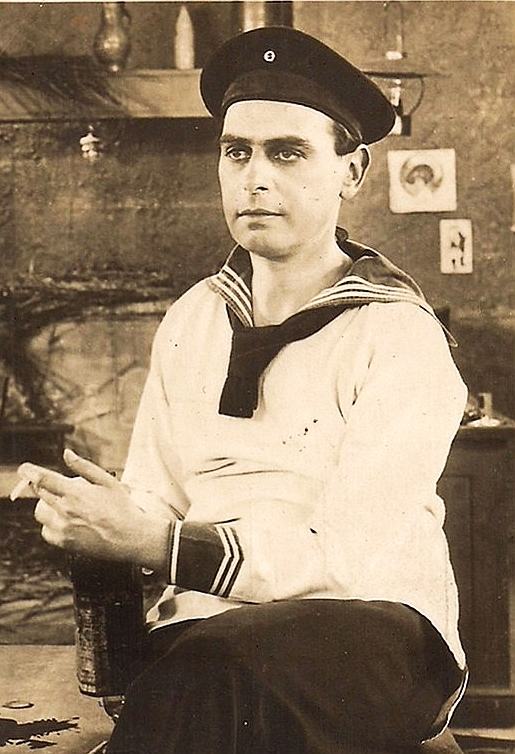
still_frame
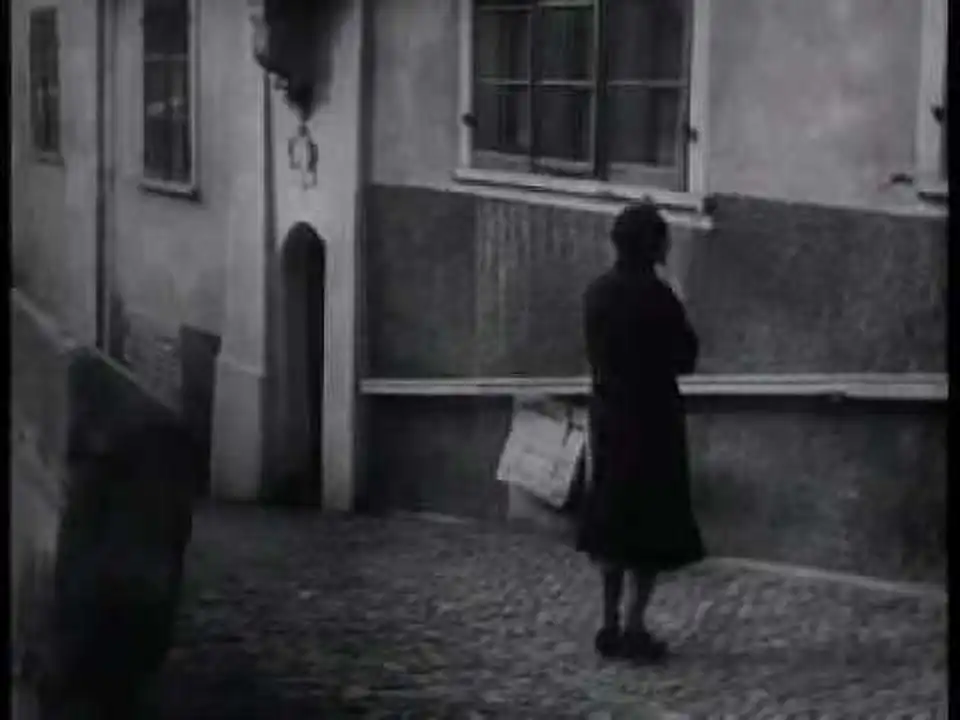
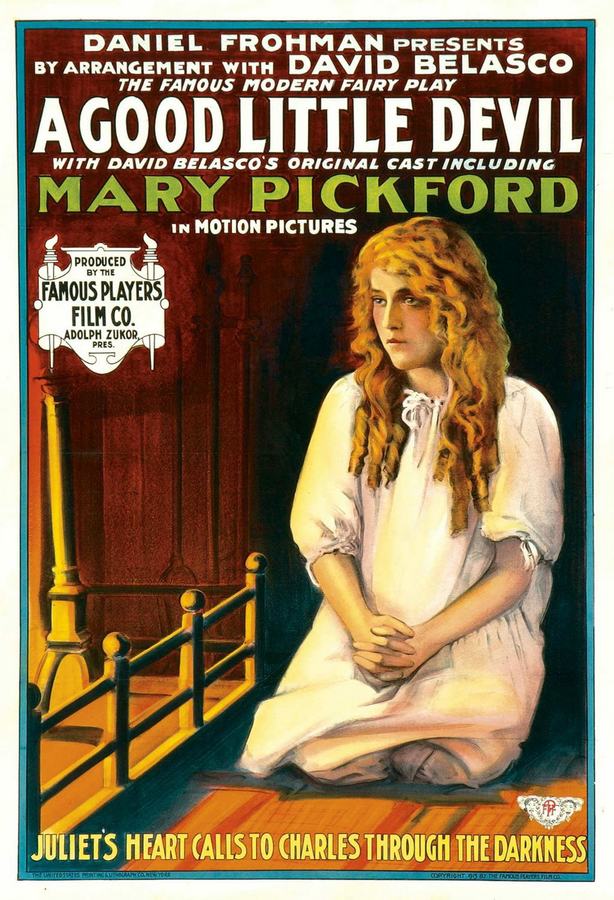
Comparing the cinematic DNA and archive impact of two defining moments in cult history.
Richard Oswald
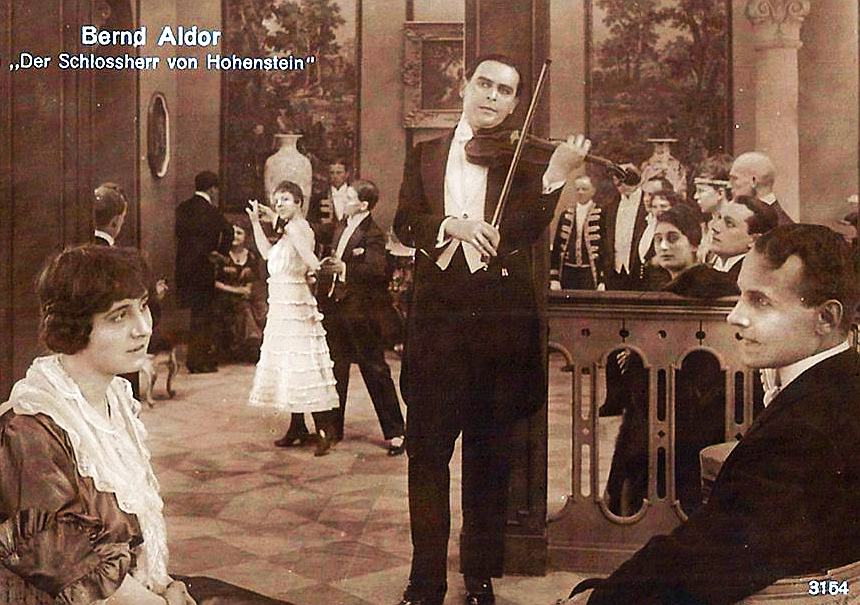
Richard Oswald
Community
Log in to comment.
" Berlin, winter 1917. The city exhales coal soot and desperation. Into this soot Richard Oswald drops his nitrate grenade: a Wildean tale recalibrated for a nation busy cannibalizing its own future. The film’s intertitles—white on black like fresh stitches—warn us that beauty is currency, and currency devalues fastest in wartime. What lingers is not narrative but texture: the tactile crunch of varnish cracking across the cursed canvas, the hush of kid gloves stroking a cheek already colder than ..."