DbcultAccessing Vault...
6.6/10
Senior Film Conservator
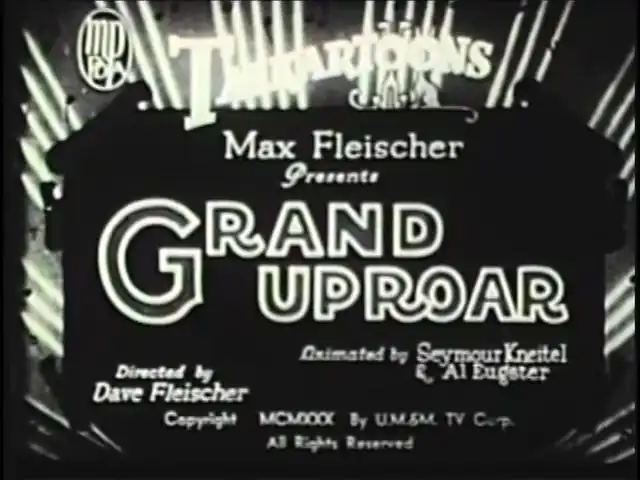
A definitive 6.6/10 rating for a film that redefined the boundaries of cult cinema. Grand Uproar remains a cornerstone of transgressive art.
The immediate question for Grand Uproar is always, "Why watch this today?" Well, if you like your early cinema a little rough around the edges, a bit frantic, and completely unconcerned with subtlety, then yes, dive right in. This one's definitely for folks who get a kick out of old-school slapstick and escalating pandemonium. If you need a tight plot or character arcs, you'll probably just find yourself confused and maybe a little annoyed.
It’s just... an uproar. Not much more to it than that, really. The film starts off deceptively calm, you know? Just a typical street scene, maybe a few carts, people milling about. Then William Costello’s character, bless his heart, tries to move a very large barrel. And that’s where everything begins to go sideways. 😬
The barrel rolls, naturally. Not just a little bit, but with a surprising amount of momentum for something that looks so heavy. It clips a fruit stand. Apples go everywhere. A dog barks. Someone slips. It’s a very specific kind of chaos that builds, almost like a meticulously planned accident, but I suspect it's just happy accidents.
And the camera just holds on it. For what feels like ages sometimes. You can almost feel the director thinking, "Yeah, this is good. Let it play out." There’s a moment where a woman, clearly an extra, actually looks directly into the lens. It's so jarring, but also kind of charming, like a peek behind the curtain at how these things got made.
William Pennell shows up a little later, trying to mediate, or maybe just add to the general confusion. He’s got this wide-eyed, flustered look that sells the sheer absurdity of it all. He ends up tangled in a clothesline at one point, kicking his legs in the air. It’s pretty funny. The physical comedy is simple, but effective. You can practically hear the frantic piano music that would've accompanied this in a silent showing.
The whole thing feels like someone just turned on the camera and said, "Alright, everyone, make a ruckus!" The crowd scenes have this fantastic energy. Not always coherent energy, mind you. Sometimes it looks like folks are just genuinely surprised by whatever is happening around them, rather than acting. Which, for a film of this era, makes it feel strangely authentic. You see a kid in the background, just standing there, munching on something, completely oblivious to the impending disaster.
There’s a bit where the barrel, now seemingly possessed, crashes into a small stage where someone was giving a speech. The speaker's reaction, a sort of slow-motion panic, is priceless. It’s not a grand, dramatic moment, but a small, honest flinch. His hat falls off. Classic.
You know, the actual plot beyond "things go wrong" is pretty thin. It’s less about cause and effect and more about just experiencing the escalating mess. Like watching a really busy ant colony suddenly get poked with a stick. There are these quick cuts sometimes, which feel almost modern, but then it's back to a longer shot of everyone running in circles. It's not a film that really lets you catch your breath.
I kept wondering if there was some deeper meaning, some commentary on societal breakdown or something. But then a goose waddled into the frame and got caught in the fray, flapping its wings indignantly, and I decided, nah. It's just a grand uproar. And that's okay. Sometimes you just need to watch a movie where everything goes wrong for no particular reason. It’s not trying to be The Old Homestead or anything serious like that. This film just wants to make noise. And it does. It really, really does.
One particular shot, a close-up of a broken window with a cat peering through, sticks with you. It’s completely unnecessary to the main action, but it gives the whole thing a quirky, observational vibe. Like someone just noticed the cat and thought, "Hey, let's get that." It feels like a little secret moment.
Also, the way William Costello keeps trying to fix things, only to make them worse? It’s a recurring gag that never quite wears thin. His facial expressions, a mixture of determination and utter defeat, are actually pretty great. He sells the escalating despair.
The ending, if you can even call it that, is just as abrupt as the beginning is calm. Things reach a fever pitch, then it just... stops. Like the film ran out of celluloid or the camera operator finally gave up. It leaves you with a little smile, and maybe a tiny headache. A definite oddball, but a charming one. And honestly, for a film titled Grand Uproar, what else could you really expect?
IMDb —
1915
Community
Log in to comment.