DbcultAccessing Vault...
Cult Review
Senior Film Conservator
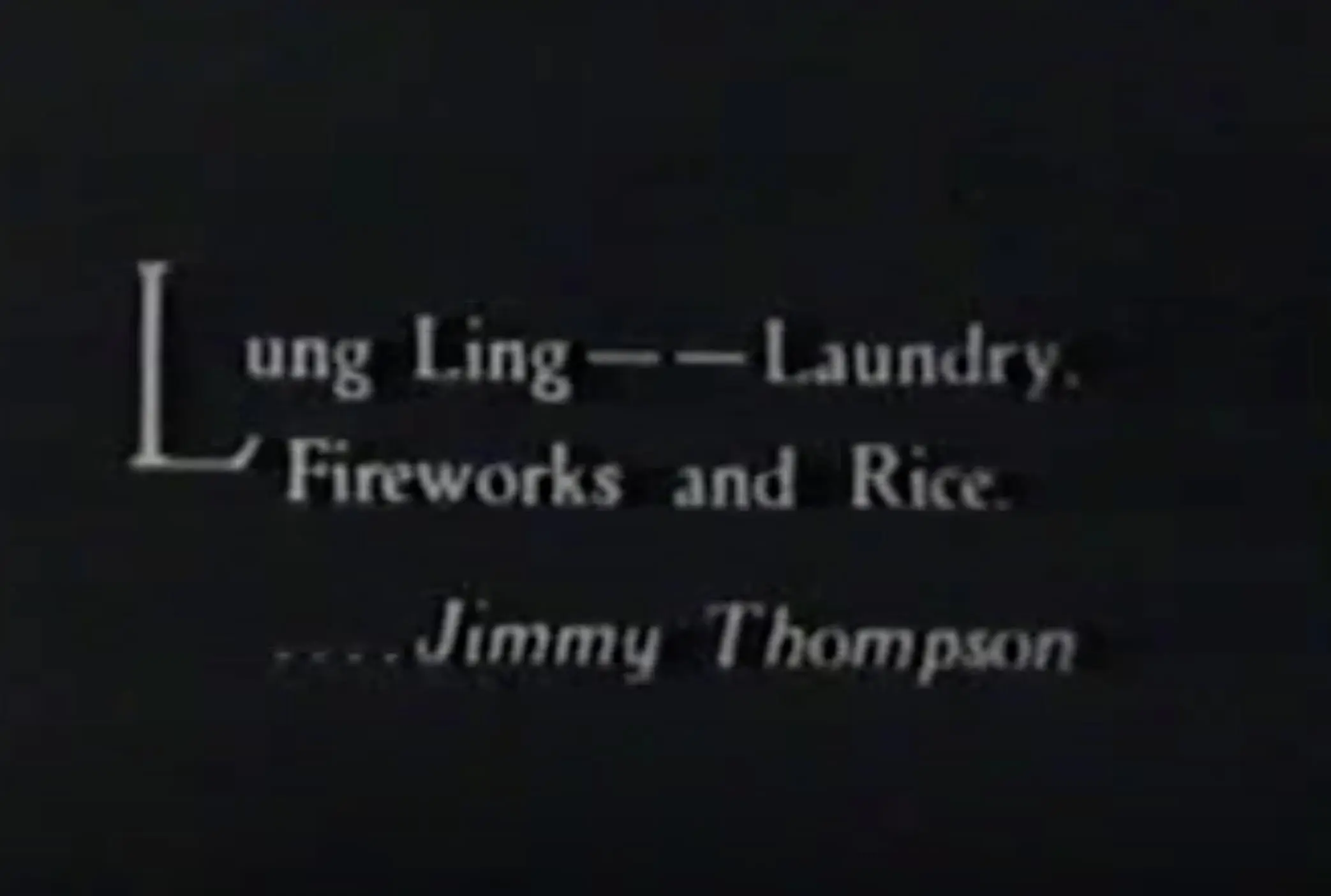
Is 'The Klynick' worth watching today? Short answer: yes, but with significant caveats that demand a particular viewing mindset. This early silent film is a chaotic, unapologetic explosion of slapstick, a relic from a time when cinematic storytelling was often less about narrative finesse and more about sheer, unbridled visual gags. It's a film for the cinephile curious about the roots of physical comedy and the evolution of film, for those who can appreciate a narrative held together by the flimsiest of threads, purely for the sake of a laugh. Conversely, if you demand coherent plots, character development, or humor that doesn't rely on the broadest possible strokes, 'The Klynick' is emphatically not for you. This isn't a film designed for thoughtful analysis; it's a spectacle of escalating nonsense.
This film works because its commitment to escalating absurdity is unwavering. From the moment Mickey’s friends bust him out of the hospital, the narrative throws logic out the window and revels in pure, physical comedy that, at its best, is genuinely inventive. Its brevity is also a strength, ensuring the chaos never overstays its welcome.
This film fails because its episodic structure means character and narrative are almost entirely absent, leaving the viewer with little to latch onto emotionally. The humor, while often energetic, can also feel dated and repetitive, relying heavily on pratfalls and exaggerated reactions without much thematic depth.
You should watch it if you have a deep appreciation for the historical context of silent cinema, particularly the early, experimental phase of slapstick. It’s perfect for those seeking a pure, unadulterated dose of bizarre, almost surreal chaos, unburdened by modern storytelling conventions.
To truly appreciate 'The Klynick,' one must approach it not as a story, but as an experience. It's a time capsule, offering a glimpse into an era when the rules of filmmaking were still being written, and often, gleefully broken. The film’s charm lies in its raw, unpolished energy, a stark contrast to the meticulously crafted comedies of later decades. It's less about sophisticated humor and more about the visceral reaction to a series of escalating, improbable events.
For those who revel in the historical context of cinema, understanding the lineage of comedic timing and visual gags, 'The Klynick' provides invaluable insight. It’s a foundational piece, demonstrating the early reliance on physical prowess and exaggerated expressions to convey humor without dialogue. However, for a casual viewer seeking modern comedic sensibilities, it will likely feel alien, perhaps even tedious. The pacing is frantic, yet the gags themselves can feel drawn out by today's standards.
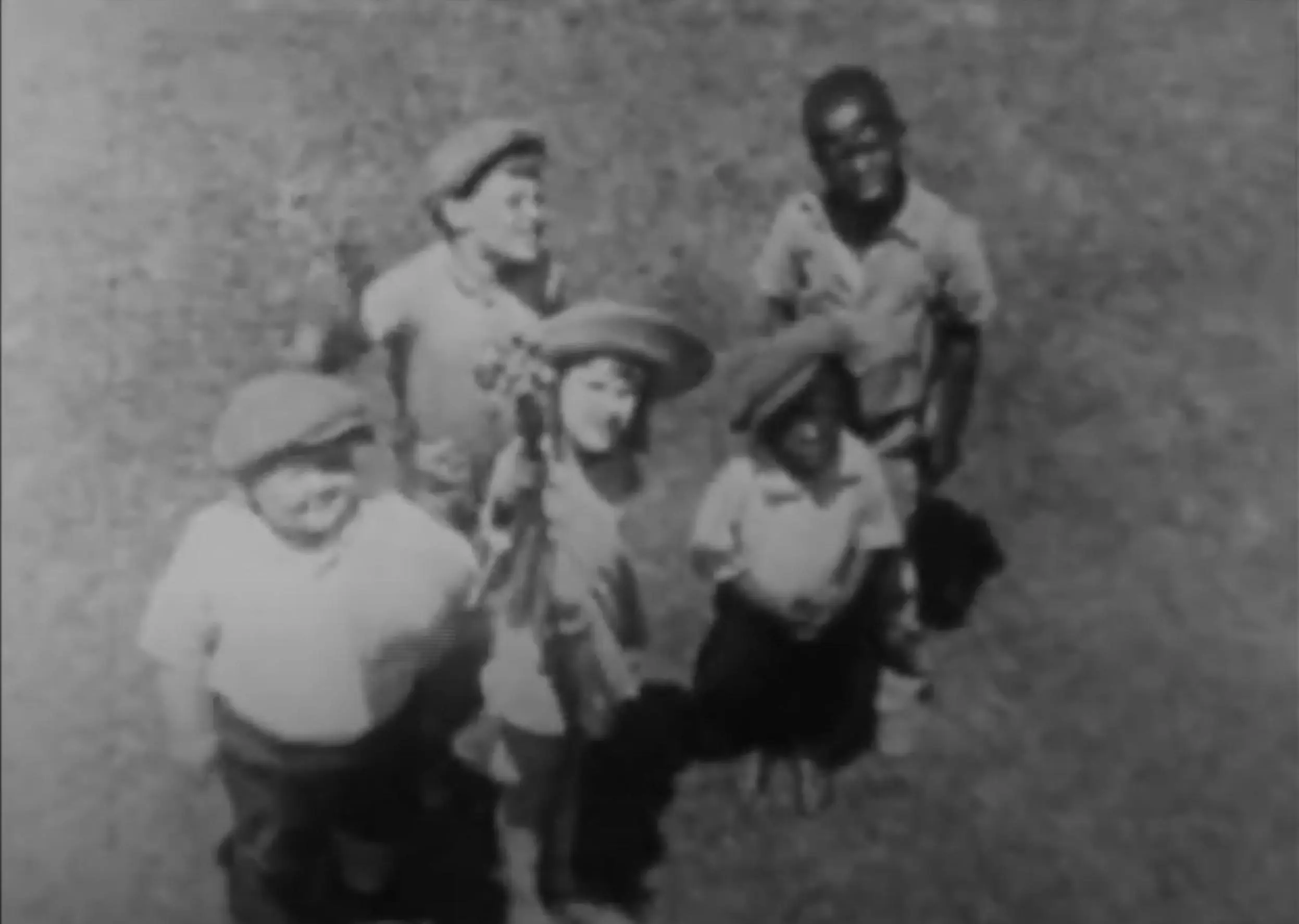
'The Klynick' kicks off with a premise so delightfully mundane, it immediately signals the film's intent for absurdity: Mickey, laid low by an overindulgence in green apples. This isn't a grand illness, but a childish ailment, perfectly setting the stage for the equally childish antics that follow. The subsequent 'rescue' by his pals is less an act of heroism and more a boisterous display of roughhousing, a clear indicator that subtlety is not on this film's menu. It’s a pure, physical explosion of energy, characteristic of the era's nascent slapstick.
The decision by this ragtag group to then establish their own hospital is where the narrative truly embraces its farcical heart. This isn't just a plot point; it's a comedic device. It grants them license for maximum incompetence, a stage upon which to perform their hilariously misguided medical procedures. The arrival of a 'live victim' is the narrative's turning point, forcing the amateur 'staff' to move beyond theoretical tomfoolery to practical, albeit disastrous, application. It’s a testament to the writers Kingsley Benedict, Pinto Colvig, and Clarence Hennecke, that they could wring such escalating comedic potential from such a simple, ludicrous setup.
The victim's escape and subsequent misadventure into a fireworks factory, culminating in the nitroglycerin-induced sneezing fit, is the film's crowning moment of inventive chaos. It’s an almost surrealist sequence, a testament to the boundless imagination often found in early silent shorts. The sheer audacity of this plot development, marrying medical malpractice with explosive industrial hazards, is genuinely surprising and undeniably memorable. It's a sequence that could only exist in a film so utterly committed to its own brand of nonsensical logic.
The direction in 'The Klynick' is less about nuanced storytelling and more about orchestrating a cascade of visual gags. It’s reminiscent of the early Keystone Kops shorts, where the primary objective was to keep the action moving at a breakneck pace, piling one ridiculous scenario atop another. The camera work, while rudimentary by modern standards, effectively captures the broad physical comedy, often employing wide shots to ensure the full scope of the pandemonium is visible. There’s an unpolished charm to it, a sense of immediate, unadulterated energy that feels both authentic to the period and surprisingly engaging.
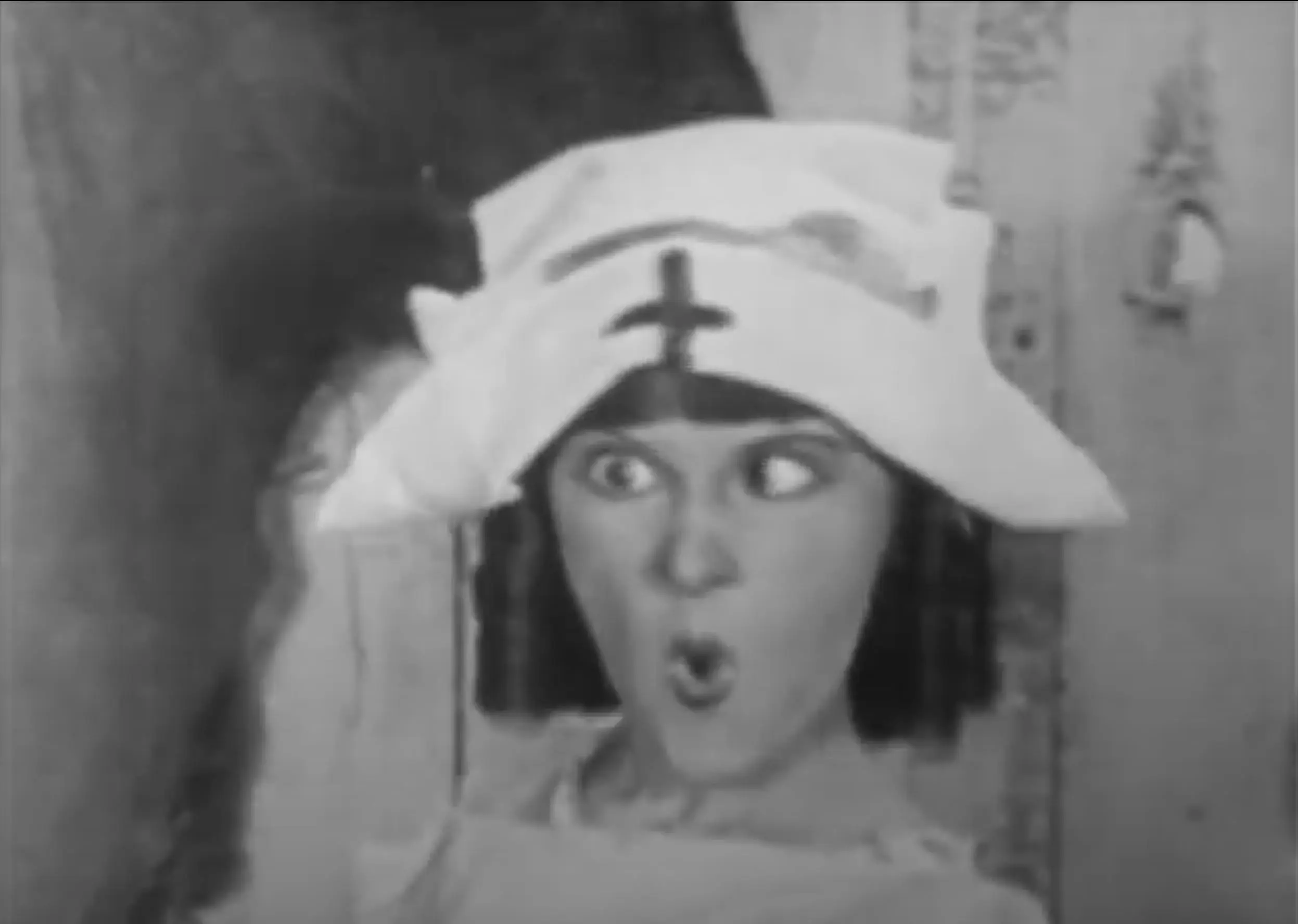
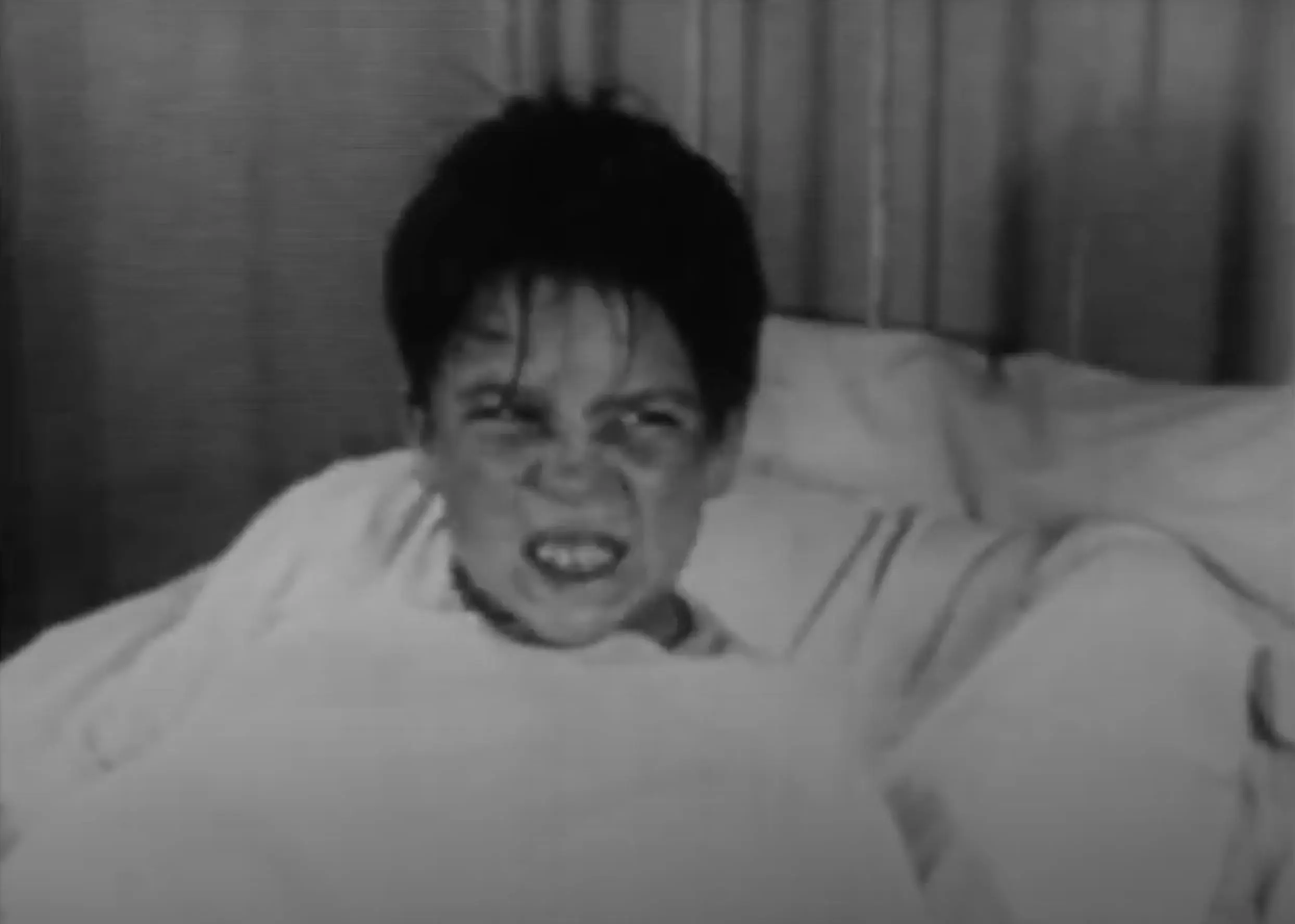
The performances, led by actors like Jeff Jenkins, Cliff Daniels, and Tommy Watkins, are a masterclass in silent-era exaggeration. Every gesture is amplified, every facial expression a caricature of emotion. The actors commit fully to the absurdity, throwing themselves into pratfalls and frantic movements with admirable gusto. Consider the scene of Mickey’s escape: it’s not just a quick exit, but a wrestling match, a whirlwind of flailing limbs and frantic expressions that communicate both the difficulty of the escape and the sheer, unbridled joy of freedom. Their physical comedy is the engine of the film, and without their energetic commitment, the entire enterprise would collapse. It’s a different kind of acting, one that prioritizes physical presence and comedic timing over subtle character development. Frankly, it's a mess, but a glorious one.
“The Klynick” doesn't aim for profundity; it aims for pure, unadulterated, chaotic laughter. And in its own bizarre way, it succeeds. It's a film that dares you to ask 'why?' and then answers with 'why not?' leaving you either bewildered or delighted.
Cinematographically, 'The Klynick' is typical of its era – largely static shots, functional framing, and a reliance on natural light or basic stage lighting. There are no sweeping crane shots or intricate tracking movements here. The camera acts more as a witness to the unfolding chaos than an active participant in shaping the narrative. Yet, within these limitations, there's an honesty to the visuals. The lack of elaborate editing or special effects forces the comedy to rely entirely on the performers and the ingenuity of the gags themselves. The raw, almost documentary-like feel of some sequences, despite their farcical content, offers a unique window into early film production.
The pacing is relentlessly fast, a staple of early slapstick designed to overwhelm the audience with a barrage of visual stimuli. There’s little time for reflection or narrative pauses; one gag quickly gives way to the next. From the rough-and-tumble hospital escape to the frenetic activity in their makeshift clinic, and finally to the explosive climax at the fireworks factory, the film maintains a breathless tempo. This rapid-fire approach ensures that even if a particular gag doesn't land, another is just around the corner, ready to elicit a chuckle. This relentless forward momentum is crucial for a film so light on plot, keeping the viewer engaged through sheer kinetic energy.
The tone of 'The Klynick' is one of unbridled, joyful anarchy. There's no malice in its humor, only a childlike delight in destruction and incompetence. It's a world where consequences are fleeting, and every setback is merely an opportunity for another outlandish stunt. This lightheartedness is perhaps its most enduring quality. Despite the potentially dangerous scenarios – a hospital run by amateurs, nitroglycerin consumption – the film never once veers into genuine peril. It maintains a whimsical, almost cartoonish detachment from reality, ensuring that the audience can laugh without reservation.
As for its timelessness, this is where 'The Klynick' presents a fascinating paradox. Its specific brand of humor, rooted in exaggerated physical comedy and broad caricatures, feels undeniably dated to a modern audience accustomed to more subtle, character-driven narratives. The humor is often less 'witty' and more 'what on earth just happened?' However, the underlying spirit of rebellion against convention, the sheer joy in creating chaos, possesses a primitive appeal that transcends eras. It’s a precursor to countless comedic tropes, a foundational text for anyone interested in the evolution of laughter on screen. Its true genius lies in its commitment to utter, unadulterated nonsense, almost a proto-surrealist short, which is a surprisingly modern artistic impulse.
Comparing it to other chaotic shorts of the era, such as Frenzied Film, 'The Klynick' holds its own in terms of sheer inventiveness. While not as narratively complex as some of the slightly later Chaplin shorts, it offers a purer, more distilled dose of the kind of 'anything goes' mentality that defined early cinema. It works. But it’s flawed.
'The Klynick' is not a film for everyone, nor does it pretend to be. It's a boisterous, often bewildering, testament to the anything-goes spirit of early silent cinema. It lacks the polish and character depth of more celebrated silent comedies, yet it compensates with an infectious, anarchic energy that is hard to ignore. If you approach it with an open mind and a historical lens, prepared to laugh at broad physical comedy and outrageous scenarios, you’ll find something genuinely charming in its chaotic heart. It’s a valuable piece of cinematic history, even if its entertainment value is now largely academic for many. It's a glorious mess, a film that doesn't just break the rules, but actively sets them on fire, sneezes, and watches them explode. A definite watch for the curious, a skip for the conventional.
IMDb 5.8
1914
Community
Log in to comment.