DbcultAccessing Vault...
Cult Review
Senior Film Conservator
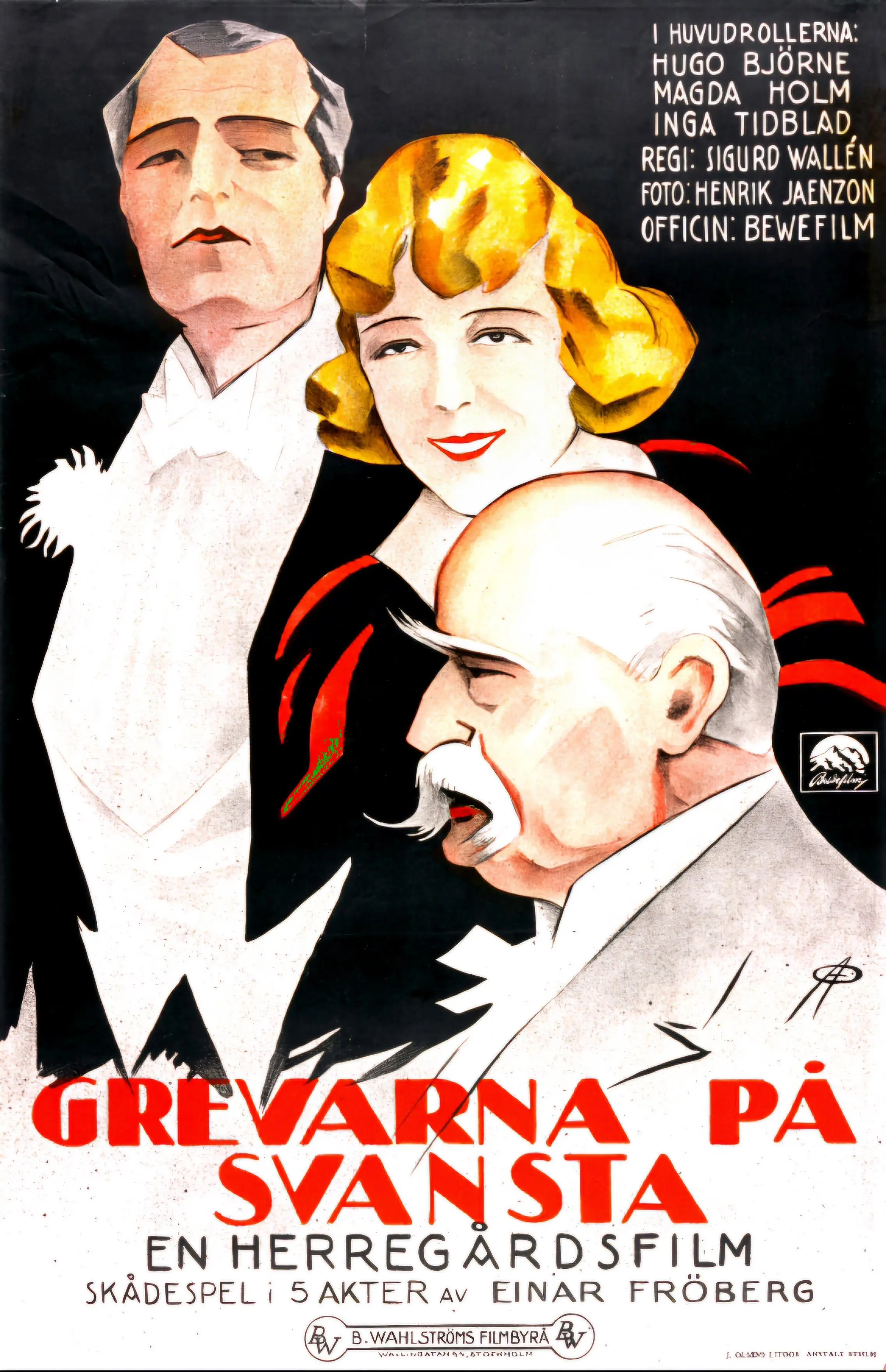
Stepping into the world of Grevarna på Svansta (The Counts of Svansta) is akin to unearthing a forgotten cinematic artifact, one that, despite its age, pulses with a vibrant, timeless heart. This 1920 Swedish drama, penned by the multi-talented Einar Fröberg (who also graces the screen with his presence), offers a compelling tableau of love, duty, and the rigid strictures of societal class. It’s a film that, even a century later, manages to resonate with a profound sense of human struggle, reminding us that the battles of the heart against the dictates of convention are as old as time itself. The narrative, deceptively simple on the surface, delves into the complex interplay of personal desire and inherited responsibility, painting a vivid picture of a world on the cusp of change, yet still stubbornly clinging to its traditions.
At its core, Grevarna på Svansta is a story of an impossible love. Young Count Per, portrayed with a captivating blend of youthful idealism and burgeoning defiance by Thure Holm, finds himself ensnared by the enchanting allure of Elina, a Romani woman brought to life with striking grace and emotional depth by Inga Tidblad. Their connection is immediate, palpable, and, crucially, utterly forbidden in the eyes of the established order. This isn't merely a romantic dalliance; it's a profound, soul-stirring bond that challenges the very foundations of Per’s aristocratic existence. Tidblad, even in the silent era, conveys an extraordinary range of emotions – from the lightness of first love to the profound anguish of societal rejection – making Elina a character of immense empathy and resilience. Her portrayal is a masterclass in silent film acting, utilizing subtle gestures and expressive eyes to communicate volumes without uttering a single word. Holm complements her beautifully, his youthful intensity a perfect foil to her grounded wisdom.
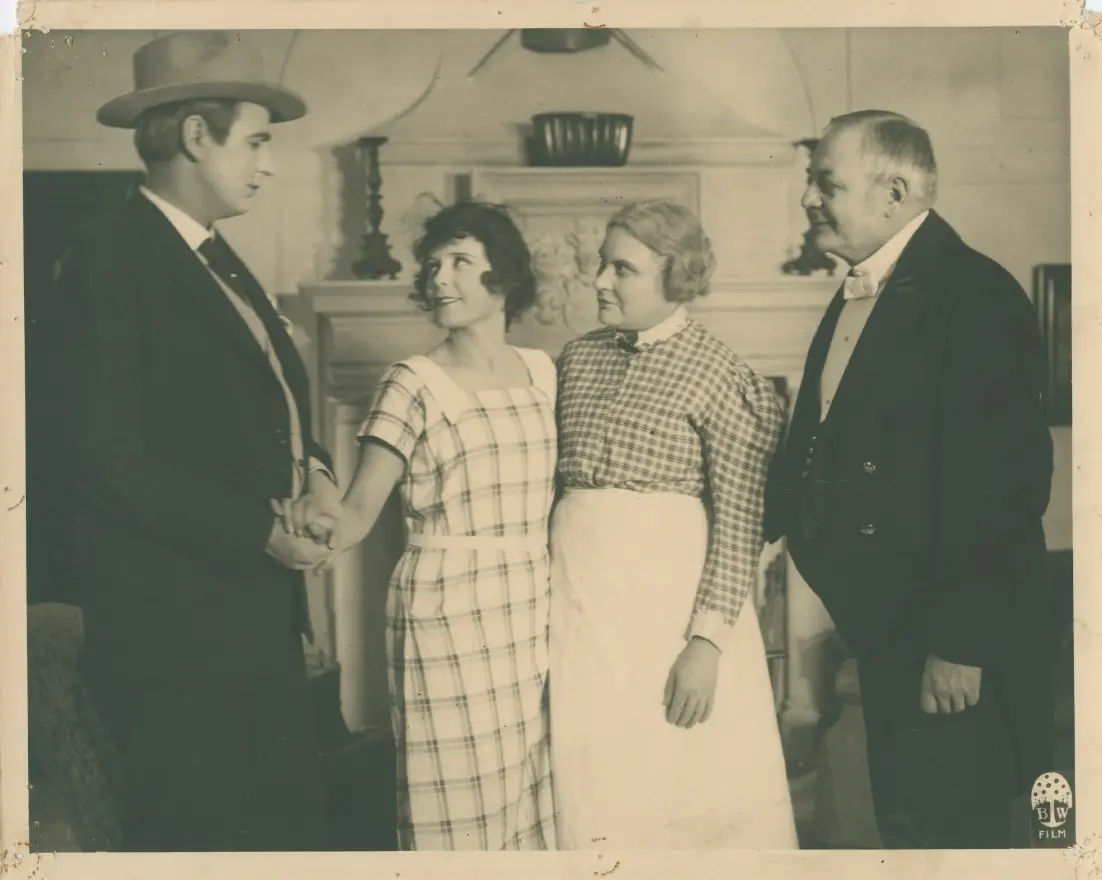
The true antagonist, however, isn't a villain in the conventional sense, but rather the embodiment of an entire social system: the elder Count Nils. Hugo Björne delivers a performance of formidable gravitas as the patriarch, a man whose every fiber is dedicated to preserving the integrity and purity of his noble lineage. His opposition to Per and Elina’s union isn't born of malice, but of a deeply ingrained belief in the natural order of things, where class lines are immutable and tradition reigns supreme. Björne’s portrayal of Nils is nuanced; we see not just a tyrant, but a man burdened by the weight of his name, his family's history, and the expectations placed upon him. This internal conflict, though often expressed through stern glances and rigid posture, adds a tragic dimension to his character, preventing him from becoming a one-dimensional obstacle. The clash between Per’s burgeoning individualism and Nils’s unyielding traditionalism forms the dramatic backbone of the film, a tension that builds with inexorable force towards its inevitable, heart-wrenching climax.
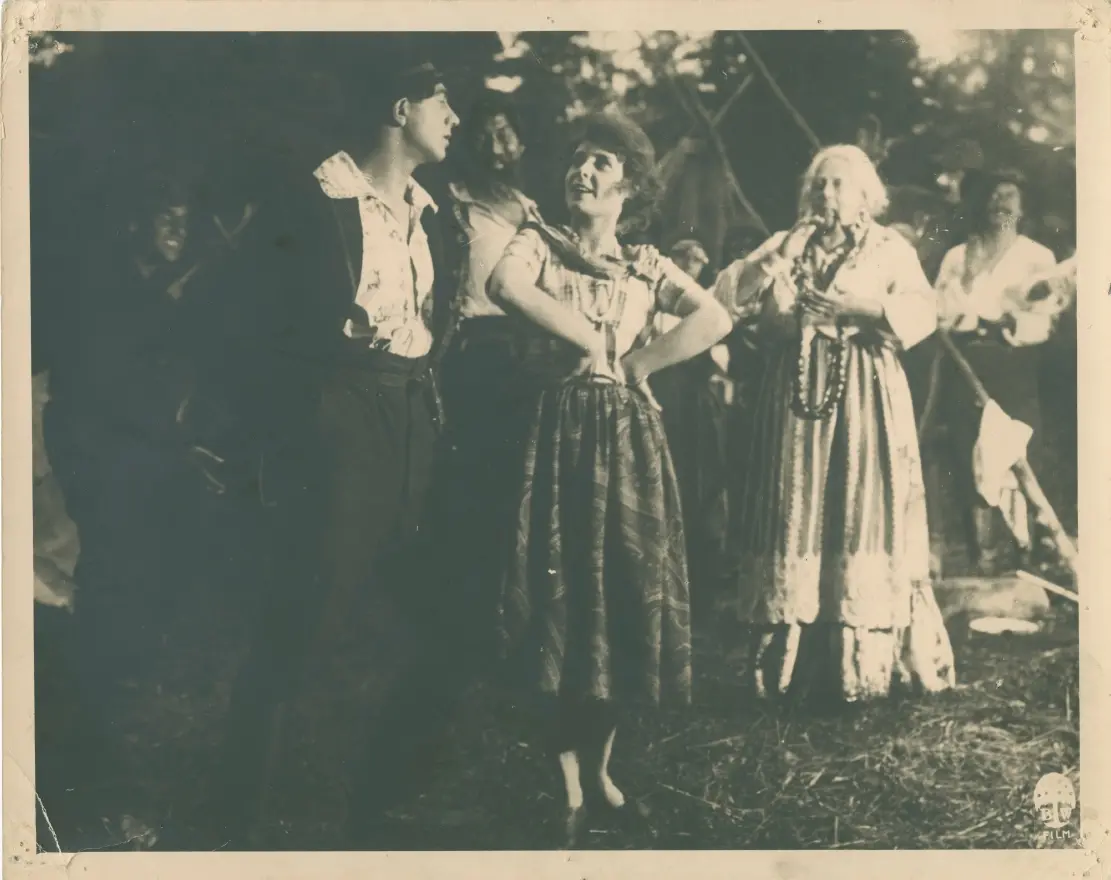
The thematic richness of Grevarna på Svansta extends beyond mere romance. It is a penetrating social commentary, exploring the chasm between the landed gentry and the itinerant Romani community. The film subtly highlights the prejudices and misconceptions that fueled such divides, challenging the audience to look beyond superficial differences. Elina's presence within the Svansta estate is a constant disruption, a vibrant, untamed force that exposes the stifling rigidity of aristocratic life. This juxtaposition is visually striking, with the opulent, yet often cold, interiors of the count’s manor contrasting sharply with the implied freedom and natural beauty associated with Elina’s people. The film doesn't shy away from depicting the harsh realities faced by those outside the dominant social structure, making it a poignant precursor to later cinematic explorations of class struggle, such as Poor Men's Wives, which similarly dissected the societal inequities of its time, albeit from a different vantage point.
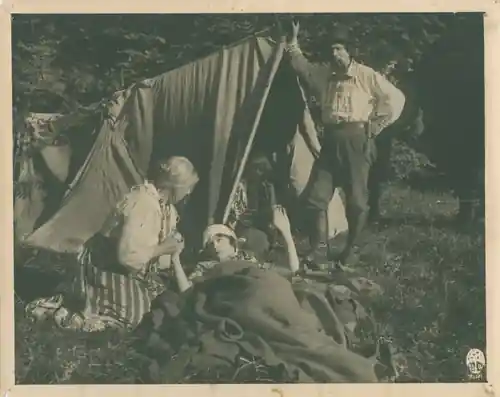
The supporting cast further enriches this intricate narrative. Carl Browallius, Gerda Björne, Harry Roeck Hansen, and the aforementioned Einar Fröberg himself, along with Manda Björling, Inez Lundmark-Hermelin, Justus Hagman, Gösta Gustafson, Tor Weijden, and Magda Holm, each contribute to the film’s vibrant ensemble. While screen time varies, their collective presence builds a credible world around the central conflict. Fröberg, as both writer and actor, demonstrates a keen understanding of human nature, crafting characters that feel authentic and multi-dimensional. His dual role undoubtedly lent a cohesive vision to the project, ensuring that the thematic undercurrents were consistently woven through the performances and plot developments. The way the various characters react to the forbidden romance – some with sympathy, others with outright disdain – paints a comprehensive picture of the era's social fabric and moral landscape. It's a testament to the film's enduring quality that these secondary figures, even in the absence of spoken dialogue, manage to convey their allegiances and biases with such clarity.
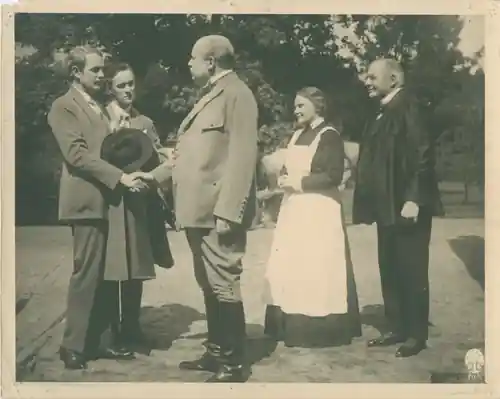
As a silent film, Grevarna på Svansta relies heavily on visual storytelling and the expressive power of its actors. The cinematography, though perhaps not groundbreaking by today's standards, is effective in establishing mood and advancing the plot. Close-ups are used judiciously to highlight emotional moments, drawing the audience into the characters’ inner turmoil. The pacing is deliberate, allowing the dramatic tension to build gradually, mirroring the slow, inexorable march towards confrontation. This measured rhythm, characteristic of many films from the era, allows for a deeper immersion into the psychological landscape of the characters. Unlike the often frantic cutting of modern cinema, the sustained shots and thoughtful compositions invite contemplation, urging the viewer to interpret the unspoken nuances of each scene.
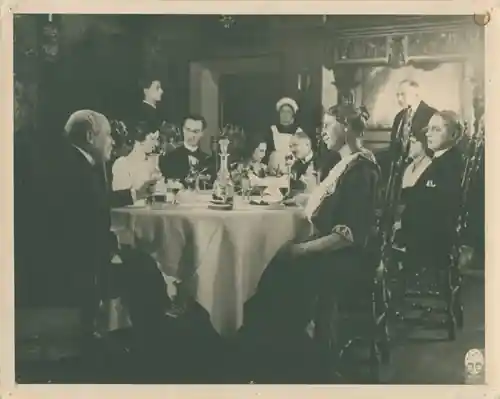
The film’s aesthetic choices, particularly in depicting the Svansta estate, serve to underscore the themes of grandeur and confinement. The architecture itself becomes a character, a silent witness to the unfolding drama, its imposing presence a constant reminder of the weight of tradition. The use of natural light, where possible, adds a layer of realism and depth, particularly in outdoor scenes that capture the fleeting moments of freedom and joy shared by Per and Elina before the storm breaks. One might draw parallels to the grand, sweeping narratives of other European silent epics like Les Misérables (1917), which, though different in scope, also utilized the visual language of cinema to convey complex social and emotional landscapes without the aid of sound. Both films demonstrate the power of the medium to transcend linguistic barriers and communicate universal truths through imagery and performance.
What makes Grevarna på Svansta truly enduring is its exploration of themes that remain profoundly relevant even today. The struggle between love and duty, the clash between individual desire and societal expectation, and the insidious nature of prejudice are not relics of a bygone era. They are fundamental aspects of the human condition that continue to play out in countless forms. The film’s dramatic conflict, rooted in the specific social structures of early 20th-century Sweden, thus transcends its historical context, speaking to universal experiences of longing, rebellion, and heartbreak. It reminds us that the human heart, in its boundless capacity for love, often chafes against the artificial boundaries erected by society.
The resolution, or lack thereof, in Grevarna på Svansta is particularly poignant. It avoids easy answers or saccharine conclusions, opting instead for a portrayal of consequences that feel earned and deeply affecting. This refusal to compromise on the harsh realities of its chosen narrative sets it apart, elevating it beyond a simple romantic melodrama. It challenges the audience to grapple with uncomfortable truths about societal rigidity and the personal sacrifices often demanded by adherence to tradition. The film’s emotional impact lingers long after the final intertitle fades, prompting reflection on the cost of conformity versus the price of defiance. This powerful emotional resonance is a hallmark of truly great storytelling, regardless of the era in which it was produced.
Moreover, Grevarna på Svansta serves as a valuable historical document, offering a glimpse into the cinematic sensibilities and societal concerns of its time. For enthusiasts of early Swedish cinema, it’s an essential watch, showcasing the talent of its cast and crew during a formative period of the industry. Inga Tidblad, in particular, solidified her reputation as a leading lady with this role, demonstrating a magnetic screen presence that would define her career. The film stands as a testament to the power of silent film to convey complex narratives and profound emotions without the aid of synchronized dialogue, relying instead on the artistry of performance, cinematography, and evocative intertitles. It’s a compelling reminder that the roots of modern storytelling are deeply embedded in these early, often overlooked, masterpieces.
In conclusion, Grevarna på Svansta is far more than a historical curiosity; it is a meticulously crafted drama that continues to speak volumes about the human spirit. Its exploration of forbidden love, class conflict, and the unyielding grip of tradition is handled with a sensitivity and depth that belies its age. The standout performances, particularly from Inga Tidblad and Thure Holm, anchor the emotional core of the narrative, making their plight genuinely moving. Hugo Björne’s portrayal of the elder Count Nils adds a layer of tragic inevitability to the proceedings, preventing the conflict from descending into simple good-versus-evil tropes. For those willing to engage with the unique artistry of silent cinema, this film offers a rich and rewarding experience, a poignant reminder of love’s enduring power to challenge, disrupt, and ultimately, redefine the world around us. It's a film that deserves to be rediscovered, celebrated for its artistic merit and its timeless message, proving that some stories, like the echoes of a passionate, forbidden love, simply refuse to fade into obscurity. The intricate dance between the characters, the subtle shifts in their expressions, and the grand, sweeping gestures of fate all coalesce into a cinematic experience that is both intellectually stimulating and deeply emotionally resonant. Grevarna på Svansta stands tall as a testament to the profound capabilities of early filmmaking, a luminous gem in the crown of Swedish cinematic heritage.
IMDb 5.6
1934
Community
Log in to comment.