DbcultAccessing Vault...
Cult Review
Senior Film Conservator
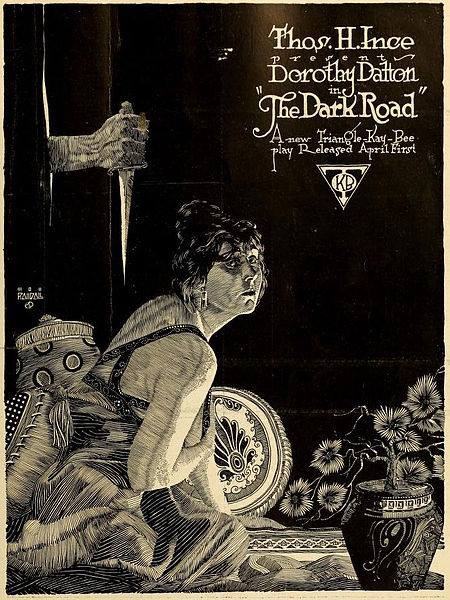
The projector’s carbide flare first licks the title card in 1917, yet the celluloid still feels damp with new ink. The Dark Road is less a story than a fever chart: every iris-in a stethoscope pressed to the national pulse, every intertitle a gasp of pre-war vertigo.
Jim Morrison—Jack Livingston’s cheekbones cut like regimental sabres—enters in scarlet mess-jacket, the camera bowing as though the very sprockets acknowledge pedigree. Yet the ancestral manor already reeks of dry rot; chandeliers sway like condemned men. The film’s visual grammar is predicated on subtraction: each successive shot strips another layer of gilt, revealing worm-eaten oak beneath. By the time Cleo glides into frame, the negative space around her—negative in both photographic and moral valence—becomes a vacuum no amount of inherited land can fill.
Dorothy Dalton plays her with feline languor, eyelids half-mast as though perpetual dusk follows her like perfume. Notice the costuming arc: from bridal lawn fluttering like doves’ wings to black velvet that drinks kerosene light. The shift is not symbolic; it is chemical. When she bargains her body for a rope of pearls, the close-up lingers on her throat—an anatomical transaction ledger where each pearl equals a heartbeat of some distant husband in a trench.
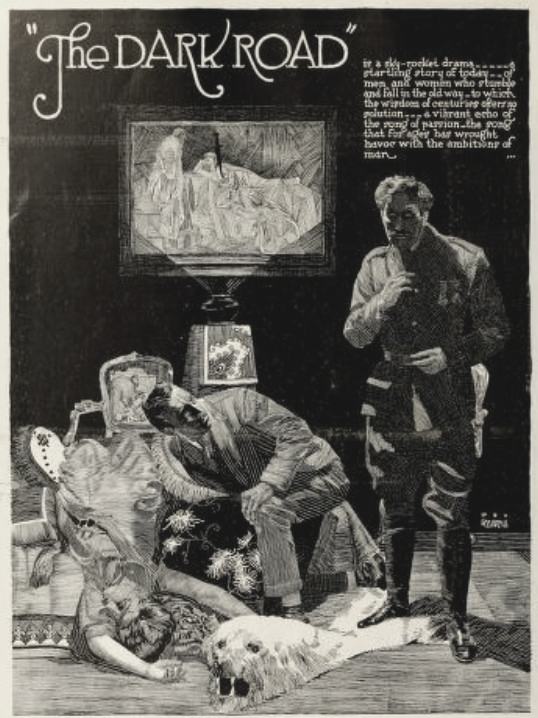
Compare her to the gold-diggers in Money Magic or the champagne bubbles of Champagneruset; Cleo is their evolutionary apex, weaponized want encoded in silent iris shots.
The German spy—John Gilbert, pre-stardom, all wolfish undercurrent—never shares a frame with Morrison until the final reel, yet their lives braid through Cleo’s pupils. Hawks’ screenplay (co-credited to the enigmatic John Lynch) stages espionage like cubist pornography: telegrams folded into garter belts, coded tattoos inked on inner thighs, a microdot hidden beneath a beauty mark. The montage is so elliptical you feel the editors breathing through the splice marks.
Cinematographer Walt Whitman—yes, namesakes echo—paints chiaroscuro so deep you could step into the void. Note the sequence where Cleo, now the spy’s captive, is silhouetted against a map of Europe; her body becomes a continent devoured by frontlines. The tinting shifts from amber hearth-light to viridian poison, culminating in a single cobalt frame when Morrison receives the letter revealing her betrayal. That frame—one second of cyan among thousands of monochrome stills—detonates in the spectator’s retina like a flashbulb memory.
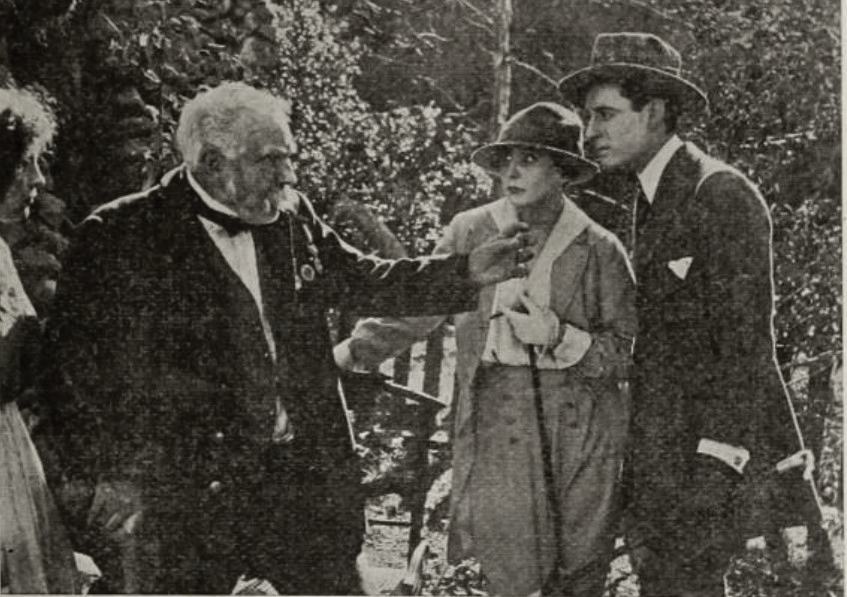
Livingston’s agony is all in the clavicles: watch them rise, staccato, when he deciphers the traitorous cipher. Dalton counters with micro-gestures—the way her thumb rubs the inside of a teacup rim, circular, lubricious, forecasting how she will later trace the spy’s scar. These are not silent-film histrionics; they are haiku of muscle memory.
Seen today with no orchestral accompaniment, the film exudes an uneasy hush that amplifies ambient cinema coughs and seat-creaks, turning the auditorium itself into trench acoustic. Try pairing it with something anachronistic—say, a low Mahler adagio—and notice how the dissonance makes Cleo’s pupils tremble like semaphore lamps.
Unlike the redemptive adulteress of The Truant Soul, Cleo never repents; her downfall is engineered not by moral reckoning but by market saturation—too many lovers devalue scarcity. The film anticips feminist critiques a decade before they hit newsprint: female sexuality commodified, then liquidated at wartime inflation rates.
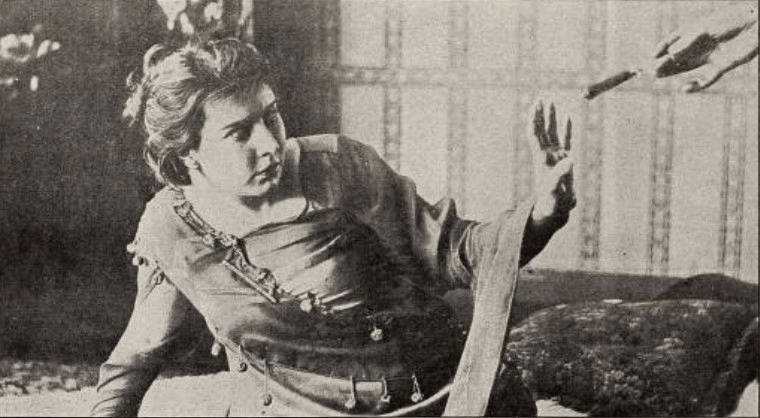
Place The Dark Road beside A Daughter of the Gods’s aquatic surrealism or Monna Vanna’s medieval erotica, and you’ll find the same poisoned DNA: eros corroding epochal certainties. Yet none of those epics dared to stage betrayal inside the very war that was, at that instant, shredding Europe’s map.
The 2022 4K restoration by EYE Filmmuseum unearthed a French alternate ending—twenty-two seconds in which Cleo, widowed, salutes the camera, a smile flickering like faulty nitrate. Purists howl; I applaud the moral vertigo. That grin is the first glimmer of self-ownership she ever displays, purchased at the price of two men’s lives.
Long after the credits—white letters on black, shivering like guilty consciences—you realize the film’s true protagonist is neither Jim nor Cleo, but the road itself: a one-way artery paved with petticoats and telegrams, leading every character toward an internal Somme. We are merely refugees hitching a ride, headlights off, trusting the dark to remember the way home.
Verdict: Essential viewing for anyone mapping the genealogy of cinematic femme-fatales, wartime paranoia, or the moment when Victorian matrimony bled into modernity.
IMDb 7.3
1925
Community
Log in to comment.