Is Grænsefolket worth seeking out in today's crowded cinematic landscape? The short answer is a resounding yes, but with a crucial caveat: it demands a particular kind of viewer. This is a film for those who appreciate historical drama rooted in the quiet desperation of ordinary people, for viewers who find profound meaning in the struggle for home and heritage against the backdrop of seismic geopolitical shifts. It is, however, decidedly not for audiences seeking fast-paced action, elaborate special effects, or a neatly packaged, unambiguous narrative resolution.
This Danish production from a bygone era offers a stark, often moving, glimpse into a specific moment in European history, but its themes of identity, belonging, and economic hardship remain strikingly relevant. It works. But it’s flawed.
A Glimpse into Borderland Desperation
At its core, Grænsefolket is a testament to the enduring human spirit in the face of overwhelming odds. The film, set in Southern Jutland as World War I erupts, plunges us into the lives of the Steffensen family, Danish patriots living under decades of German rule. Their farm, their very livelihood, is threatened by compulsory sale, a fate that feels both deeply personal and emblematic of a larger, systemic oppression.
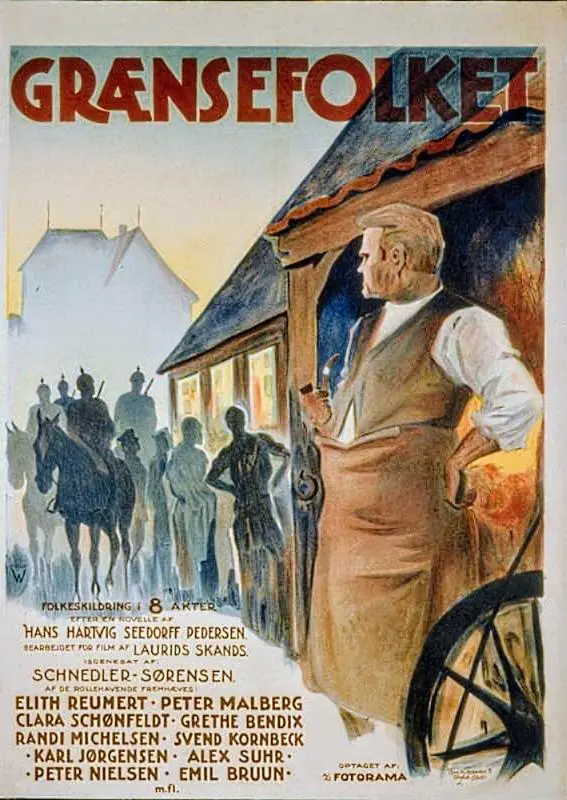
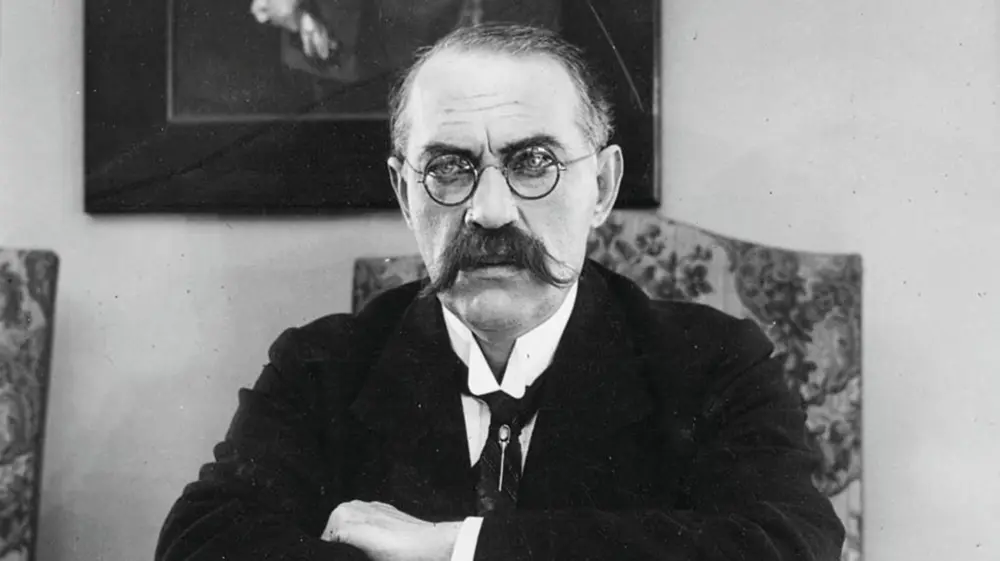
Scene from Grænsefolket
Cinematic perspective: Exploring the visual vocabulary of Grænsefolket (1927) through its definitive frames.
The story hinges on the desperate gamble of the youngest son, who secretly flees to Denmark to raise money. This singular act of defiance and hope forms the narrative backbone, propelling a simple yet emotionally resonant plot forward. It’s a film about survival. And hope.
This film works because it crafts a deeply empathetic portrait of a family caught between national identities and economic ruin, anchoring grand historical events in intimate, human struggle.
This film fails because its pacing can feel glacially slow to modern audiences, and its technical limitations, while understandable for its era, occasionally detract from its narrative power.
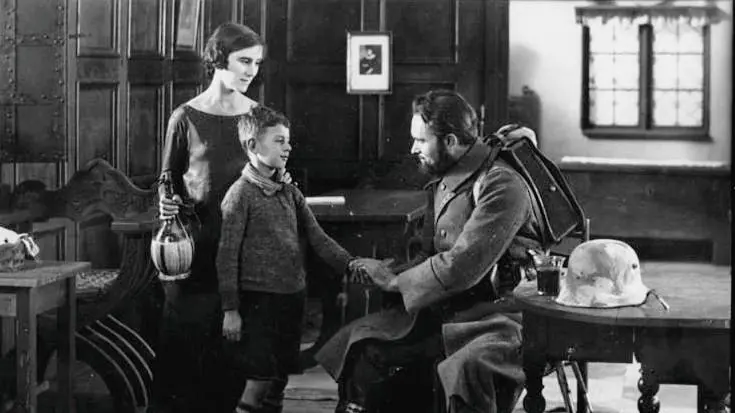
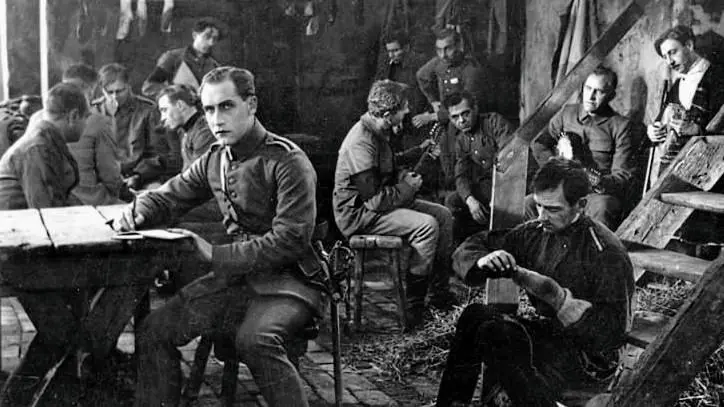
Scene from Grænsefolket
Cinematic perspective: Exploring the visual vocabulary of Grænsefolket (1927) through its definitive frames.
You should watch it if you cherish historical dramas that prioritize character-driven narratives and societal introspection over spectacle, and if you have an interest in the nuanced history of European border regions.
The Weight of History on Screen
The direction by Laurids Skands, who also co-wrote with Hans Hartvig Seedorff, is notably restrained, allowing the weight of the historical context and the performances to carry the narrative. There’s an almost documentary-like quality to certain scenes, particularly those depicting farm life, which grounds the melodrama in a tangible reality. This isn't a film that revels in grand gestures; instead, it finds its power in the quiet resilience etched on the faces of its characters.
The cinematography, while perhaps rudimentary by today's standards, effectively captures the bleak beauty of the Jutland landscape. Wide shots of the desolate fields and the humble Steffensen farm underscore the isolation and vulnerability of the family. There's a particular shot, early in the film, showing the youngest son walking away from the farm, a tiny figure against a vast, indifferent sky, that perfectly encapsulates the monumental task he faces.
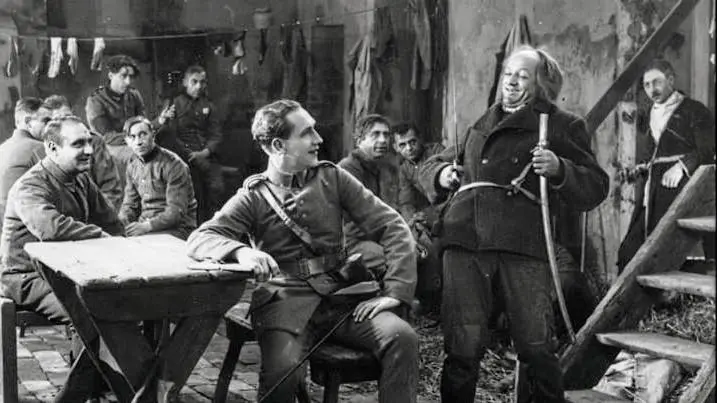
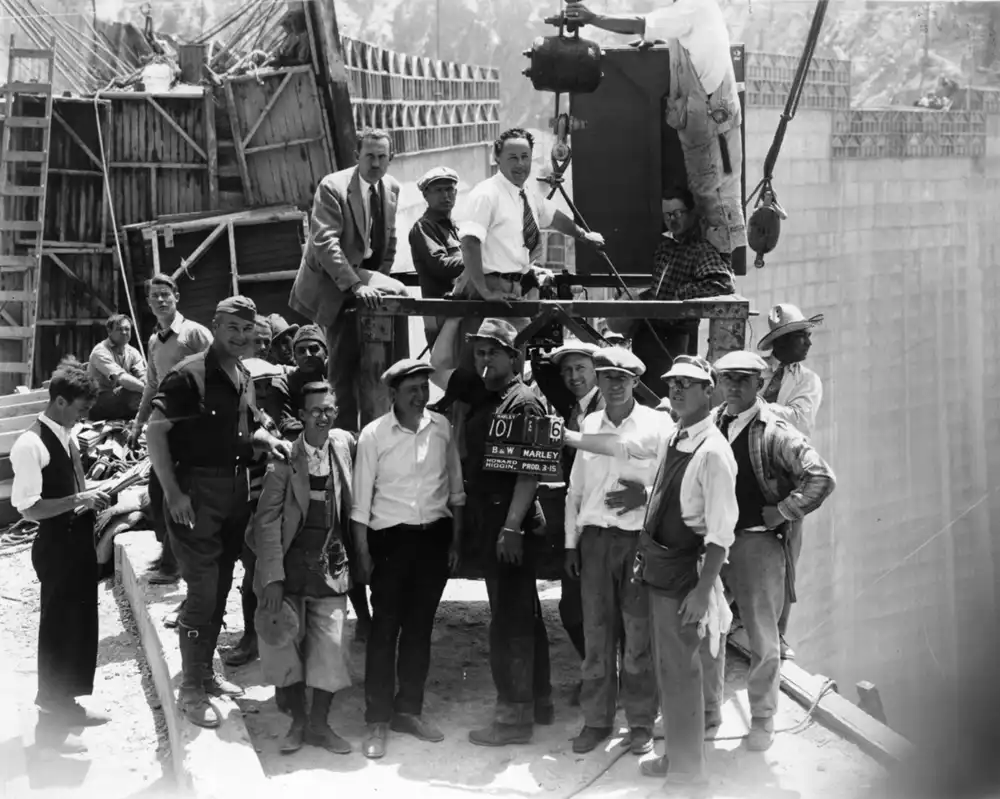
Scene from Grænsefolket
Cinematic perspective: Exploring the visual vocabulary of Grænsefolket (1927) through its definitive frames.
This visual language speaks volumes about the individual's place within larger forces – be they nature, economy, or war. It’s a testament to the fact that even without complex camera movements or elaborate sets, a strong visual composition can convey profound meaning.
Performances That Resonate
The ensemble cast, led by Randi Michelsen and Svend Kornbeck as the Steffensen parents, delivers performances that are both understated and deeply affecting. Michelsen, in particular, conveys a quiet strength and a palpable weariness that speaks volumes about the struggles of a farm wife in such trying times. Her eyes, often downcast, betray a fierce determination and a profound love for her family and home.
Peter Malberg, as the youngest son, embodies the youthful hope and desperation central to the plot. His journey, though largely unseen in its most arduous parts, is felt through the tension on the parents' faces as they await his return. It’s a performance built on implication rather than overt display, a common characteristic of acting styles from this era.
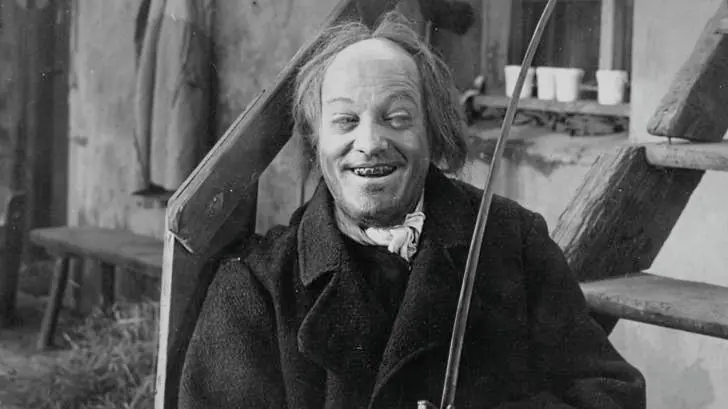
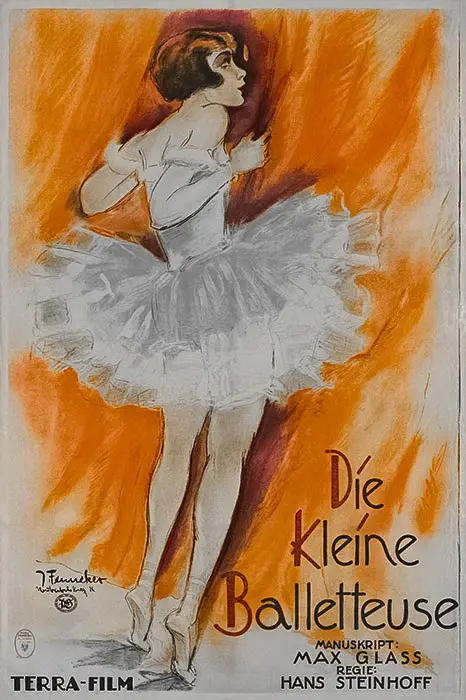
Scene from Grænsefolket
Cinematic perspective: Exploring the visual vocabulary of Grænsefolket (1927) through its definitive frames.
The supporting cast, including Peter Nielsen and Elith Reumert, contribute to the film's authentic feel, portraying the broader community of border people with a sense of shared hardship and quiet dignity. There's a scene involving neighbors discussing the war's implications, where the subtle shifts in their expressions reveal more about their anxieties than any dialogue could.
Pacing and Tone: A Deliberate Cadence
The pacing of Grænsefolket is undeniably slow by contemporary metrics. This isn't a film that rushes its narrative; instead, it allows scenes to breathe, lingering on moments of quiet contemplation or arduous labor. For some, this will be a barrier. For others, it will be its greatest strength, fostering a deeper immersion into the characters' lived experience.
The tone is consistently somber, yet never entirely devoid of hope. There's a pervasive sense of anxiety, a constant underlying fear of loss, but this is balanced by the unbreakable bonds of family and the faint glimmer of national liberation. It’s a delicate balance that the filmmakers largely maintain, preventing the film from descending into pure melodrama or unrelenting despair.
Scene from Grænsefolket
Cinematic perspective: Exploring the visual vocabulary of Grænsefolket (1927) through its definitive frames.
Compared to more overtly dramatic films of the era like The Devil's Circus, Grænsefolket opts for a more grounded, naturalistic approach. Its drama arises from circumstance and character, not from sensationalized events. This can make it feel less immediately engaging, but ultimately more impactful for those willing to invest.
Is This Film Worth Watching Today?
Absolutely, but with specific expectations. Grænsefolket is a valuable historical document and a moving human drama. It offers a unique window into a lesser-known aspect of World War I, focusing on the civilian experience in a contested border region rather than the battlefield. Its themes of identity, land ownership, and the struggle against systemic forces are timeless.
It serves as a powerful reminder of how political decisions ripple down to affect individual lives. The film's portrayal of the German rule over Southern Jutland is nuanced, focusing on the bureaucratic and economic pressures rather than overt brutality, which is an interesting and perhaps surprising observation given the context.
Unconventional Insights and Debatable Opinions
One could argue that the film's ending, while providing a sense of resolution, feels somewhat overly optimistic given the immense societal and political turmoil of the period. While it offers a personal triumph for the Steffensens, the broader implications of war and shifting borders are left largely unexplored, perhaps due to the film's focus on the micro-narrative.
Furthermore, I believe that the film's true genius lies not in its plot twists, which are minimal, but in its ability to evoke a profound sense of place and time. The dirt under their fingernails, the worn fabric of their clothes, the persistent worry in their eyes – these details paint a more vivid picture than any grand historical exposition could. It’s a quiet triumph of atmosphere over action.
Another debatable point is whether the film’s deliberate lack of overt villainy from the German side diminishes its dramatic tension. I contend that it actually strengthens the narrative, shifting the conflict from a simple 'good vs. evil' to a more complex 'human vs. system,' making the Steffensens' struggle feel universal rather than merely nationalistic.
Key Takeaways
Best for: Viewers passionate about historical dramas, those interested in European history, and fans of character-driven, contemplative cinema.
Not for: Audiences seeking fast-paced plots, high-octane action, or modern production values.
Standout element: The raw, empathetic performances, particularly Randi Michelsen's portrayal of quiet resilience.
Biggest flaw: Its extremely slow pacing and reliance on implied drama may test the patience of contemporary viewers.
Pros and Cons
Pros:
Authentic Portrayal of History: Offers a grounded, human-level perspective on a significant historical period, particularly the complexities of border regions during WWI.
Strong Emotional Core: The family's struggle for their home is deeply moving and universally relatable.
Understated Performances: The cast delivers subtle, powerful portrayals that resonate long after viewing.
Atmospheric Cinematography: Effectively uses the Jutland landscape to enhance the film's tone and themes of isolation and resilience.
Timeless Themes: Explores identity, belonging, and economic hardship, which remain relevant today.
Cons:
Very Slow Pacing: Can be a significant hurdle for viewers accustomed to more dynamic storytelling.
Limited Technical Polish: As an older film, its production values reflect its era, which might feel dated to some.
Sparse Dialogue: Relies heavily on visual storytelling and character expressions, requiring active viewer engagement.
Potentially Predictable Narrative: The overarching goal is clear from the outset, leading to fewer narrative surprises.
Verdict
Grænsefolket is more than just a historical curiosity; it's a poignant and enduring drama that speaks to the resilience of the human spirit. While its deliberate pace and older production style might not appeal to everyone, those who commit to its rhythm will find a deeply rewarding experience. It’s a testament to the power of simple storytelling, where the weight of a single family's struggle can illuminate the complexities of an entire era. For anyone interested in the human cost of conflict and the quiet dignity of those caught in its crosscurrents, this film is undeniably worth seeking out. It reminds us that even in the grand sweep of history, it's the individual fight for home and identity that truly resonates. Comparisons could be drawn to the stark realism found in films like Der Berg des Schicksals in its depiction of hardship, or the personal stakes in Revenge, though Grænsefolket maintains a unique, understated Danish sensibility throughout.