DbcultAccessing Vault...
Cult Review
Senior Film Conservator
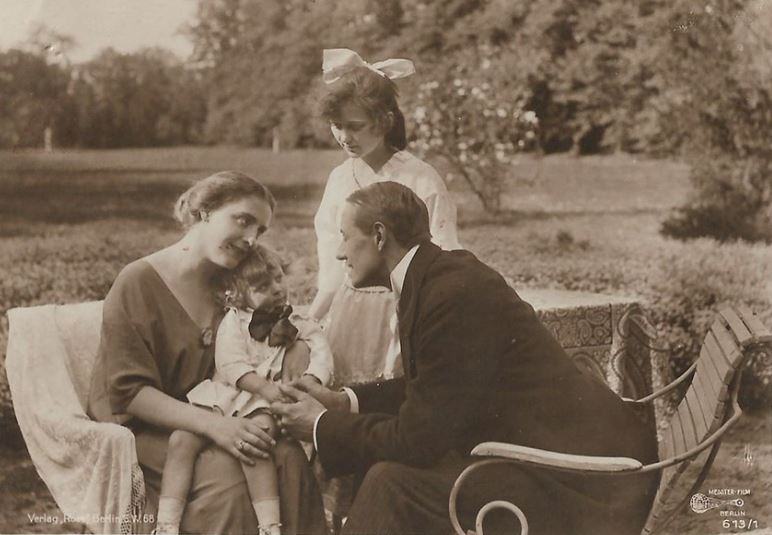
Robert Wiene, best known for his expressionist landmark Die Teufelskirche, turns his meticulous eye toward the moral labyrinth of a small town in "Guilt", a silent drama that feels both of its era and startlingly contemporary. The film opens with a rain‑soaked tableau of cobblestones glistening under gas‑lamp light, a visual metaphor for the slippery ethics that will soon dominate the screen.
Sadjah Gezza's Elise is introduced in a modest workshop, her hands deftly stitching a child's garment while her eyes betray a lingering sorrow. The camera lingers on the texture of the fabric, a subtle echo of the fragile social fabric about to be torn. Gezza's performance is a study in restrained anguish; every flicker of her gaze suggests a story untold, a technique reminiscent of the nuanced acting in The American Consul.
Hugo Falke's Karl bursts onto the scene with the reckless energy of a youth unmoored from consequence. His daring night‑time race through the town's narrow alleys is captured with kinetic camera work, the frame shaking in tandem with his heartbeat. The accident—an abrupt, brutal collision that claims the magistrate's life—is rendered in stark chiaroscuro, the darkness swallowing the moment as if the town itself were attempting to erase the transgression.
The aftermath is where Wiene's narrative genius truly shines. Rather than a straightforward police procedural, the film unfolds as a psychological mosaic. Elise's internal struggle is juxtaposed with the magistrate's son, portrayed by Hans Brockmann, whose privileged demeanor masks a simmering guilt of his own. The tension between public duty and private remorse is palpable, echoing the moral ambiguity explored in When a Man Rides Alone.
Senta Eichstaedt's Anna, the schoolteacher, serves as the film's moral compass. Her discovery of a love letter—inked in trembling script—reveals the magistrate's clandestine affair, a revelation that destabilizes the town's perception of authority. Eichstaedt delivers her lines with a quiet intensity, each syllable weighted as if she were reading a confession aloud to the audience.
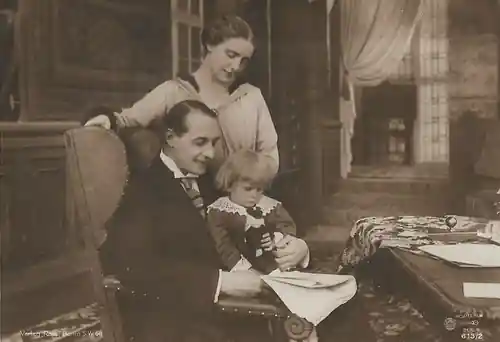
Grete Reinwald's Marie, the tavern singer, provides a lyrical counterpoint. Her songs, performed in a dim corner of the local inn, are underscored by a plaintive violin that weaves through the narrative like a thread of melancholy. The lyrical content of her ballads mirrors the film's central theme: the inescapable echo of past deeds. This musical motif is reminiscent of the haunting scores in The Green Swamp, where sound becomes a character in its own right.
The courtroom sequences are a masterclass in silent-era tension. Wiene employs extreme close‑ups of trembling hands, the rustle of paper, and the flicker of a candle to convey the gravity of judgment. Georg H. Schnell's Judge Heinrich is a portrait of stoic authority, yet his eyes betray a flicker of doubt when confronted with the evidence presented by Anna. The interplay of light and shadow here is a direct nod to the expressionist aesthetics that defined Wiene's earlier work.
The film's visual palette is deliberately restrained, but strategic splashes of color punctuate key moments. A crimson scarf appears in Elise's hands during her confession, a visual cue that underscores the theme of blood‑tied responsibility. The use of yellowed parchment for the love letter adds a tactile sense of age and secrecy, while the sea‑blue hue of the river at night, reflected in the final scene, symbolizes the possibility of cleansing and renewal.
Wiene's direction is complemented by Manja Kralowa's screenplay, which weaves multiple narrative strands without sacrificing coherence. The script balances dialogue cards with visual storytelling, allowing the audience to infer subtext from gestures—a technique that aligns "Guilt" with the narrative economy of Monsieur Lecoq.
The supporting cast—Hilde Müller, Henny Porten, Olga Engl, Erna Manegg—each contribute nuanced performances that enrich the tapestry of communal guilt. Porten's brief appearance as a grieving mother, for instance, is a study in silent sorrow; her tearful gaze lingers long after the intertitle fades, a testament to the power of expressionist acting.
Comparatively, "Guilt" shares thematic resonance with The Sunny South or The Whirlwind of Fate, where personal destiny collides with societal expectations. Both films interrogate the cost of secrecy and the liberating, yet terrifying, act of confession.
The film's pacing is deliberate, allowing moments of quiet contemplation to sit alongside bursts of dramatic intensity. This rhythm mirrors the ebb and flow of a tide, a visual metaphor reinforced by the sea‑blue tones that appear during the climactic river scene where Karl finally returns, his silhouette reflected in the water as he confronts Elise and the town.
Wiene's use of set design is noteworthy. The magistrate's office, with its towering shelves of law books, feels oppressive, a physical manifestation of institutional weight. In contrast, the modest interior of Elise's workshop is bathed in soft, diffused light, suggesting a sanctuary of honesty amidst the surrounding moral murk.
The film's climax—Elise's public confession—unfolds without a single intertitle, relying solely on the actors' facial expressions and the swelling orchestral accompaniment. This choice heightens emotional impact, inviting viewers to experience the rawness of truth unmediated by text. The moment is reminiscent of the silent confession scene in Poor Schmaltz, where silence speaks louder than words.
Following the confession, the town's reaction is a mosaic of relief, outrage, and introspection. The camera pans across faces—each etched with the lines of personal judgment—capturing a collective catharsis that feels both intimate and universal. This tableau is a visual echo of the communal reckoning depicted in The Oakdale Affair.
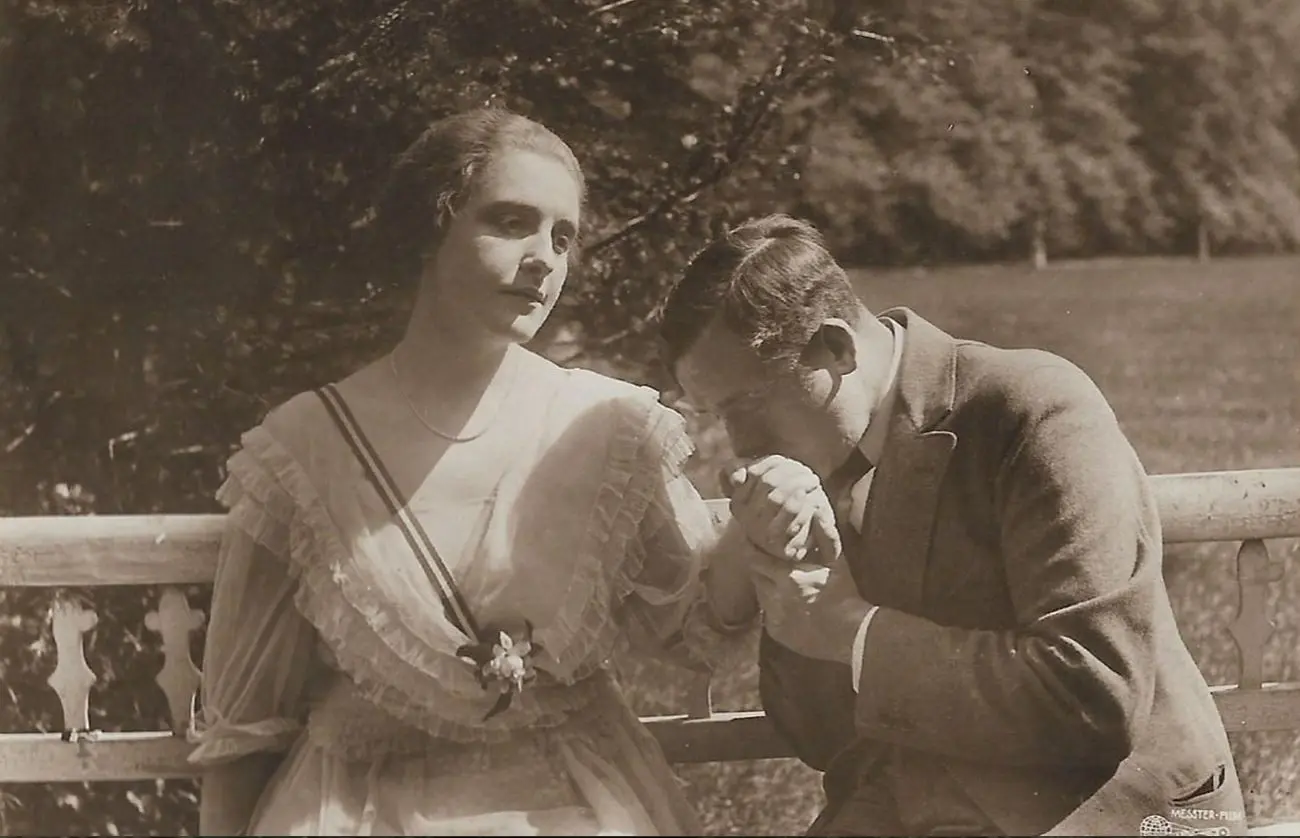
The final tableau, set on the riverbank at dawn, employs a muted color scheme punctuated by the sea‑blue of the water and the faint glow of sunrise. Karl and Elise stand side by side, their silhouettes merging with the mist, suggesting that redemption is a shared journey rather than an individual triumph.
From a technical standpoint, the cinematography—credited to a yet‑unidentified director of photography—utilizes deep focus shots that keep foreground and background in sharp relief, a technique that enhances the film's thematic layering. The use of tracking shots during the race sequence adds kinetic energy, while static, lingering frames during the confession amplify emotional weight.
The editing is seamless, with cross‑cuts that juxtapose the courtroom's rigidity against the fluidity of the river, reinforcing the film's central dichotomy between law and nature. This editorial choice aligns "Guilt" with the sophisticated narrative structures found in When a Man Rides Alone.
Sound design, though limited by the silent format, is implied through the intertitles' rhythmic placement and the accompanying live score. The score, composed of mournful strings and occasional brass flourishes, underscores the film's emotional arcs without overwhelming the visual storytelling.
Thematically, "Guilt" interrogates the paradox of concealment: the more characters hide their transgressions, the more the community's moral compass wavers. This exploration resonates with the moral complexities presented in Udar v spinu, where hidden sins erupt into public crises.
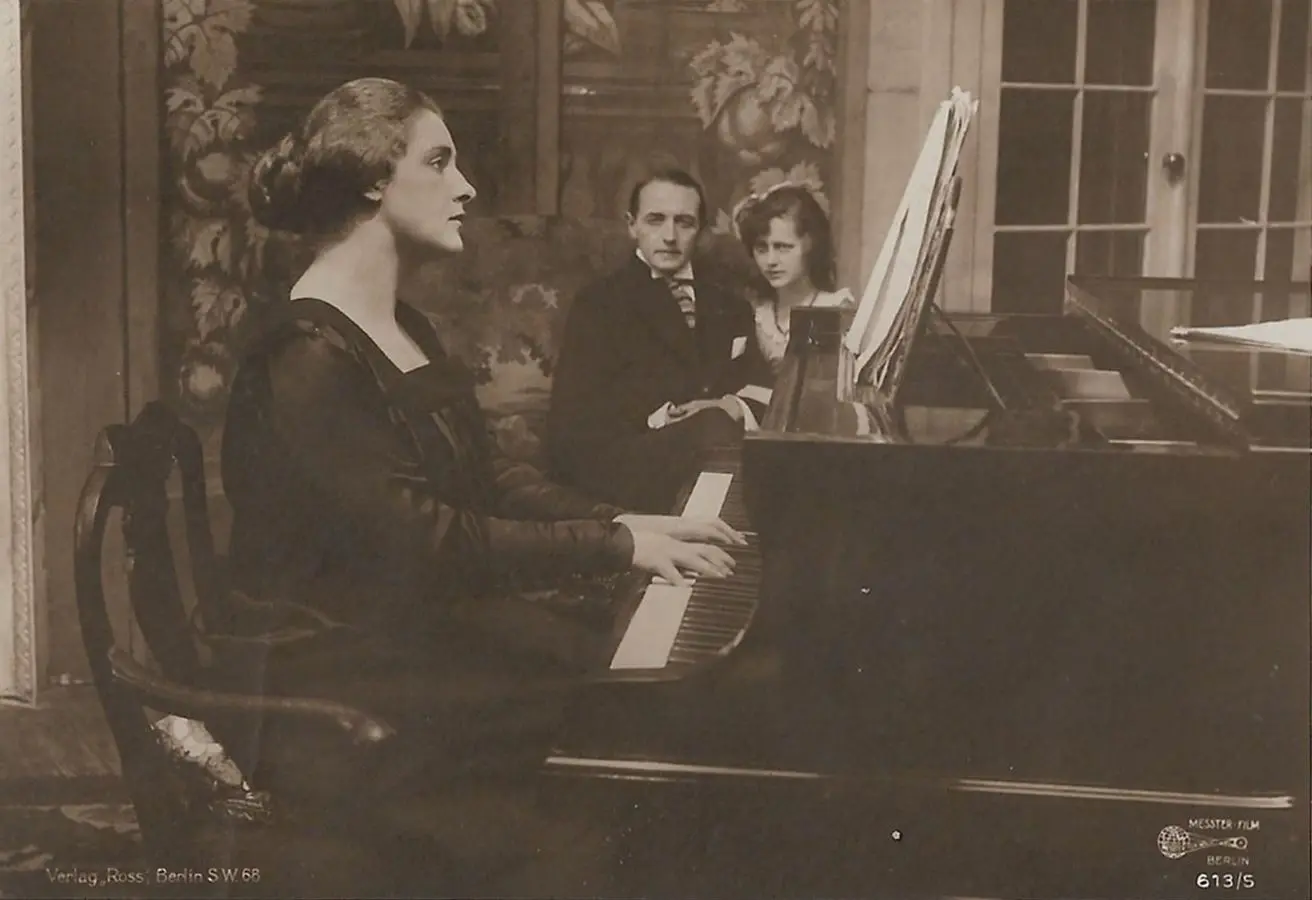
The film also offers a subtle critique of class structures. The magistrate's privileged status shields him from scrutiny until the accident forces a reckoning, while Elise's working‑class position renders her vulnerable yet morally steadfast. This class commentary parallels the social observations in The Rise of Jenny Cushing.
In terms of legacy, "Guilt" has influenced later works that examine collective responsibility, such as Paying the Price. Its emphasis on confession as a path to redemption can be traced through cinematic history, echoing in modern narratives that grapple with the aftermath of hidden wrongdoing.
The film's preservation status remains a point of scholarly interest; restored prints reveal the original tinting—subtle amber hues that accentuate the evening scenes—adding an extra layer of atmospheric depth that contemporary audiences often overlook.
Overall, "Guilt" stands as a testament to Robert Wiene's ability to fuse expressionist visual language with a deeply human story. Its intricate character studies, combined with a meticulously crafted mise‑en‑scene, make it a cornerstone of silent‑era drama that continues to speak to modern sensibilities.
For viewers seeking a film that challenges moral complacency while offering a richly textured visual experience, "Guilt" provides an unforgettable journey through the shadows of conscience and the light of redemption.
IMDb —
1919
Community
Log in to comment.