DbcultAccessing Vault...
5.4/10
Senior Film Conservator
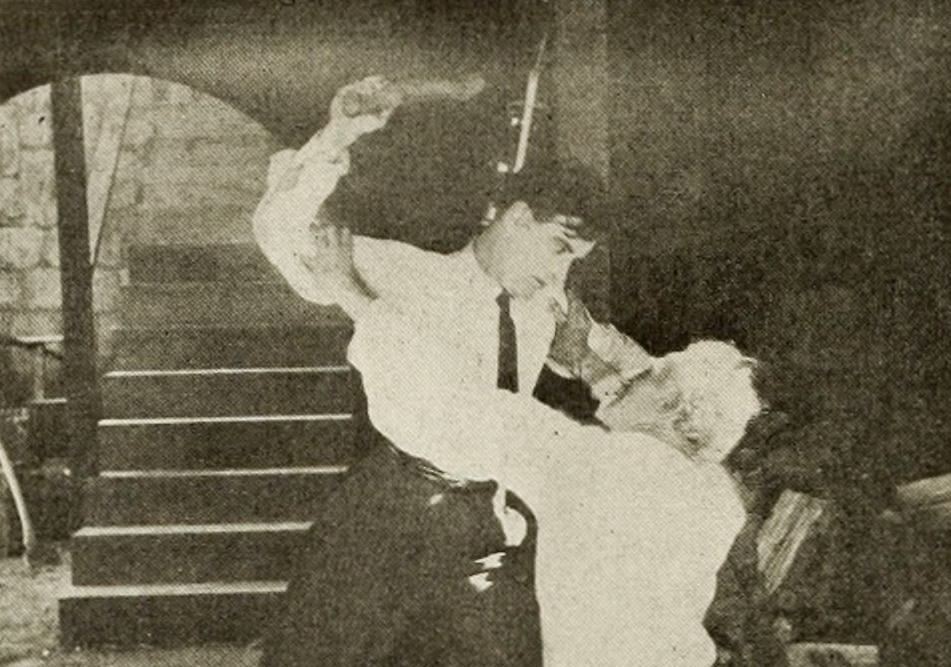
A definitive 5.4/10 rating for a film that redefined the boundaries of cult cinema. The Circus Man remains a cornerstone of transgressive art.
Ah, the silent era! A time when grand narratives unfolded through the sheer power of visual storytelling, where exaggerated gestures spoke volumes, and the flicker of the projector transported audiences to worlds both fantastical and profoundly human. Among the myriad cinematic gems from this epoch, there exists a particular kind of magic in the melodrama, a genre that dared to explore the heights of human emotion and the depths of despair. Today, we're pulling back the velvet curtain on a fascinating example from 1914: "The Circus Man", a film that masterfully weaves together themes of false accusation, undying love, treacherous betrayal, and the enduring allure of the big top.
This isn't merely a quaint relic; it's a vibrant, intricate tapestry of human experience, reminding us that even without spoken dialogue, stories can resonate with incredible force. The film, penned by George Barr McCutcheon and none other than the legendary Cecil B. DeMille in his early writing days, plunges us into a world where fate, it seems, has a particularly cruel sense of humor. So, grab your popcorn (or perhaps a period-appropriate confection), settle in, and let's dissect the captivating spectacle that is "The Circus Man".
Our narrative protagonist, David Jenison, finds himself in an unenviable predicament right from the outset. Accused of a crime he unequivocally did not commit, he faces the grim prospect of incarceration. But David is no passive victim; he seizes an opportunity for escape, a desperate flight from an unjust fate. His journey leads him, perhaps serendipitously, perhaps by the whimsical hand of destiny, to the vibrant, chaotic, and utterly mesmerizing world of a traveling circus. This transition from the stark, unforgiving reality of the law to the fantastical realm of the circus is a brilliant narrative stroke, immediately establishing the film's melodramatic tone and its exploration of contrasting worlds.
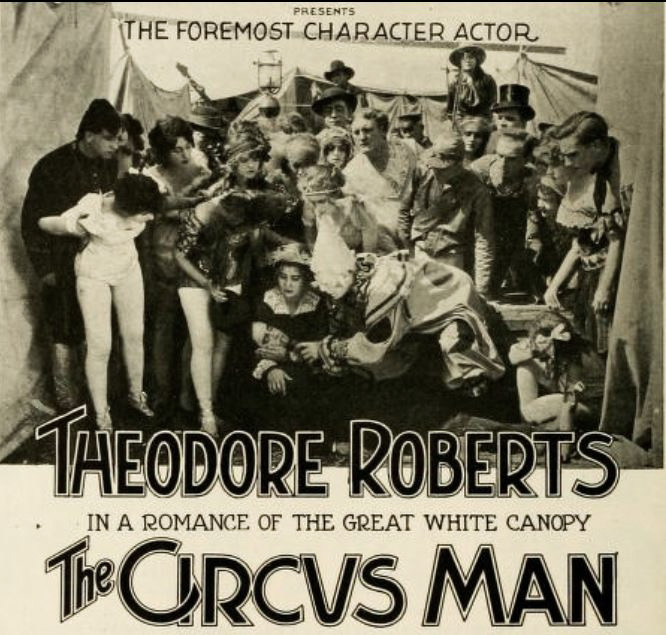
Once within the protective embrace of the circus, David adopts the most poignant of disguises: that of a clown. What a profound metaphor! Here is a man burdened by immense sorrow and injustice, yet compelled to don a mask of mirth, to entertain, to make others laugh while his own heart aches with the weight of an undeserved accusation. It's a classic dramatic irony, beautifully conveyed through the silent medium. This element of false identity and the desperate flight from an unjust charge echoes themes found in other period dramas, such as Forgiven; or, the Jack of Diamonds, where protagonists often grapple with clearing their names against overwhelming odds.
It is here, amidst the sawdust and the vibrant canvas, that David encounters Mrs. Braddock, the astute and compassionate wife of the circus owner. She takes an immediate, intuitive liking to David, a testament to his inherent good nature shining through his clown facade. Her influence secures him a job, not just as a means of employment, but as a lifeline, a chance to rebuild a semblance of normalcy. And, as fate would have it, her daughter, Christine, is soon captivated by the mysterious new clown. Their burgeoning romance forms the tender heart of the film, a beacon of hope against the backdrop of David's ongoing predicament.
Every compelling drama requires an antagonist, and in "The Circus Man", that role is filled with a tragic intensity by Ernie Cronk. A hunchbacked performer, Ernie harbors a deep, unrequited admiration for Christine. His deformity, perhaps, has fostered a sense of bitterness and inadequacy, which, when coupled with his infatuation, transforms into a virulent jealousy towards David. From the moment David enters the picture, Ernie takes a violent dislike to him, escalating quickly to attempts on David's life. It's a stark portrayal of how unaddressed internal pain can manifest as outward aggression and destructive envy, a powerful psychological undercurrent for a film of this era.
However, the narrative takes an unexpected turn, adding layers to Ernie's character. When David saves Ernie from a brutal beating at the hands of a gang of rowdies, a momentary flicker of gratitude pierces through Ernie's animosity. He promises to help David clear his name, offering a tantalizing glimpse of redemption. But alas, human nature, particularly when clouded by obsessive jealousy, proves fickle. This brief alliance is tragically short-lived, as Ernie's envy resurfaces with devastating force. In a fit of rage, he betrays David to the detectives, informing them of the clown's disguise and impending performance. This act of perfidy is reminiscent of the intricate betrayals found in films like The Spy, where personal vendettas often intertwine with larger conflicts.
Yet, hope arrives in the form of Ernie's brother, Dick Cronk. Learning of Ernie's treachery, Dick exemplifies true fraternal loyalty, taking David's place as the clown and allowing him to escape capture once more. This selfless act shifts the dynamic significantly, introducing a genuine ally for David within the very family that produced his tormentor. Dick's bond with David deepens, becoming akin to that of brothers, a powerful testament to loyalty transcending initial circumstances.
With David now free, the quest for justice takes a more direct route. Dick Cronk, fueled by his newfound loyalty, ventures to Jenison Hall, David's former home. His suspicions fall upon David's Uncle Frank, and through his investigations, he begins to piece together the truth. This element of legal intrigue and the pursuit of evidence, albeit in a more dramatic, less procedural fashion, aligns with the spirit of films like By Power of Attorney, where legal battles and uncovering the real culprit are central to the plot's resolution.
The resolution to David's false accusation arrives in a remarkably dramatic, almost operatic fashion. News reaches David and Dick that Uncle Frank and a "notorious colored attorney" have engaged in a duel, resulting in both their deaths. In his dying confession, Uncle Frank completely exonerates David, finally lifting the heavy burden of accusation. This sudden, almost deus ex machina resolution, while perhaps a bit convenient by modern standards, was a common trope in early melodramas, designed to provide a swift and satisfying conclusion to the primary conflict, allowing the narrative to pivot towards romantic fulfillment.
With his name cleared, David can finally express his true feelings for Christine. He confesses his love and seeks Mrs. Braddock's permission for their marriage. However, Mrs. Braddock, ever the pragmatist, deems them too young, imposing a five-year waiting period. This bittersweet parting, a classic melodramatic device, creates a poignant sense of longing and anticipation. David leaves, pledged to return, his heart heavy but resolute. Such vows of enduring love, tested by time and separation, are a cornerstone of romantic narratives, echoing the steadfast devotion seen in films like The Springtime of Life, where youthful affections are put to the ultimate test.
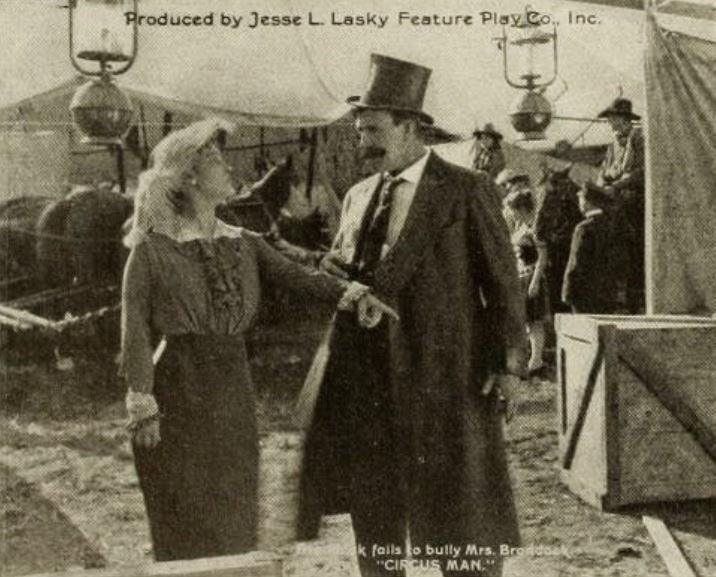
During David's five-year absence, the circus, and indeed the Braddock family, faces a new and insidious threat in the form of Colonel Grand. Grand, infatuated with Mrs. Braddock, employs clever scheming and financial leverage to gain control of the circus. He quickly transforms from a suitor into a tyrannical oppressor, placing Mrs. Braddock and Christine under his power. His abusive treatment forces them to abandon the circus and seek refuge in their New York home. This narrative turn highlights the vulnerability of women in that era, often dependent on male protection or financial stability, and the insidious nature of power when wielded by a morally corrupt individual.
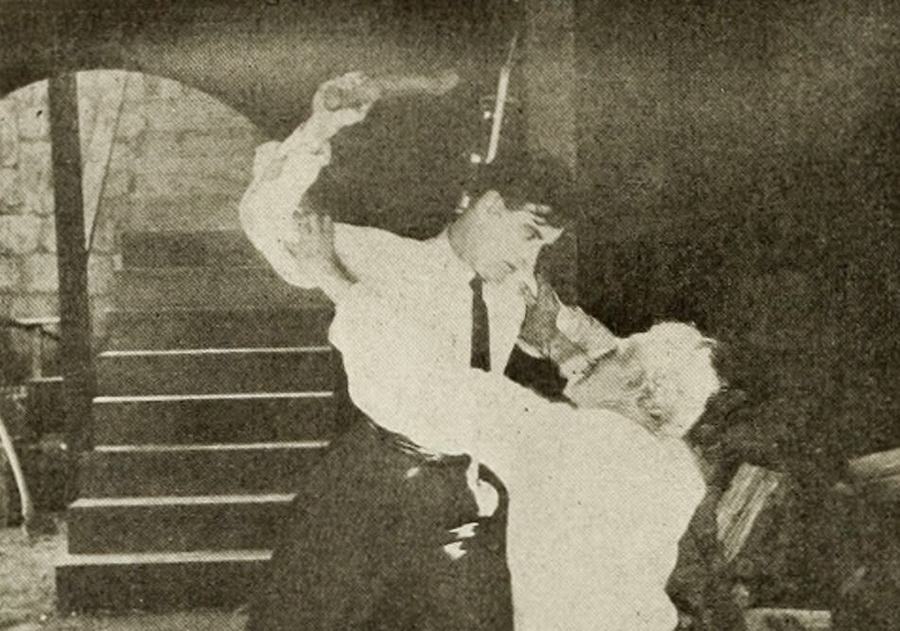
The Braddock family's troubles deepen when Mr. Braddock encounters Colonel Grand in New York. A street fight ensues, leading to Braddock's arrest on a charge of attempted murder. He is subsequently "railroaded" to the penitentiary for five years, a chilling echo of David's own earlier false accusation. This cyclical nature of injustice adds a layer of tragic irony to the plot, emphasizing the precariousness of justice and the ease with which one's life can be upended by malicious intent. It also sets the stage for a dramatic confrontation upon Braddock's release, fueled by righteous anger and a thirst for vengeance.
As the five years draw to a close, David, ever true to his word, returns to New York to claim Christine. His arrival, however, is met with an unfortunate misunderstanding. At the railroad station, intending to greet Christine, he sees her in the company of another young man, prompting him to postpone his errand, his heart undoubtedly sinking with a familiar pang of doubt. This classic romantic comedy trope, albeit in a dramatic context, serves to heighten the tension before their inevitable reunion.
He later encounters Mrs. Braddock at a telegraph office, receiving the very wire she was about to send him—a summons to fulfill his promise. Their reunion is set, but the shadow of Braddock's impending release and his sworn vengeance against Colonel Grand looms large. Braddock, fresh from prison, is a man consumed by his desire for retribution. He positions himself outside his former home, ready to confront Grand, only to be intercepted by Dick Cronk. Dick, ever the peacemaker and loyal friend, intervenes, leading Braddock to a "low resort" where they can speak safely, attempting to diffuse the volatile situation. This is a moment of crucial intervention, showing how personal loyalty can prevent further tragedy.
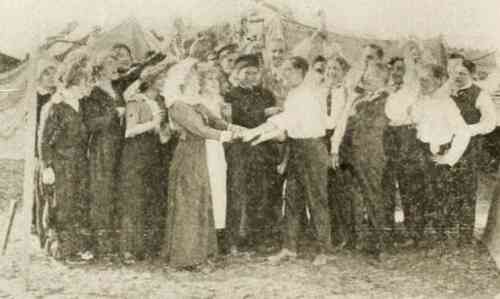
The inevitable confrontation between Braddock and Colonel Grand finally occurs. Mrs. Braddock, caught between her vengeful husband and the man who tormented her, pleads with Braddock to spare Grand. In a powerful moment of restraint, Braddock relents, walking out of the house, but with a chilling declaration: he intends to end his own life by the river. This dramatic turn, where vengeance is abandoned for despair, showcases the complex emotional landscape of the characters, a theme often explored in melodramas where moral dilemmas take center stage, much like the ethical struggles in Pieces of Silver: A Story of Hearts and Souls.
The climax of the film explodes in a chaotic altercation between Colonel Grand, Dick, and Ernie. In a shocking twist, Ernie, still consumed by his dark impulses, shoots Colonel Grand. True to his treacherous nature, he attempts to blame the crime on his brother, Dick, who is subsequently sentenced to death. The narrative once again plunges into the depths of injustice, mirroring David's initial plight. However, in a final act of conscience, Ernie confesses his guilt, saving Dick from the gallows. This last-minute reprieve, a staple of melodramatic storytelling, ensures that justice, though delayed, is ultimately served.
In the wake of these tumultuous events, Braddock, having contemplated suicide, finds a path to redemption. He reforms, returning a better man, his family reunited and whole once more. This arc of transformation, from despair to moral uprightness, is a powerful conclusion to his journey, underscoring the film's optimistic message about the human capacity for change and forgiveness. It's a testament to the idea that even after profound hardship, a new, better self can emerge.
The film culminates with David and Christine, witnessing the joyous reunion of her parents, donning their circus attire once again. Together, in the familiar sawdust ring, they relive the cherished memories of their early love. This final scene is a beautiful, symbolic return to their origins, to the place where their love blossomed amidst adversity. The circus, which once offered David refuge and a disguise, now represents a place of enduring joy, family, and shared history. It's a poignant full circle, celebrating not just their individual triumph over hardship, but the enduring power of love and family to overcome any obstacle.
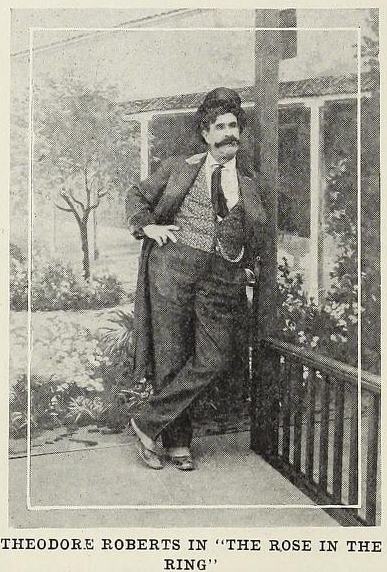
"The Circus Man" is more than just a thrilling narrative; it's a fascinating snapshot of early 20th-century filmmaking. The performances, particularly by actors like Mabel Van Buren and Raymond Hatton, are a masterclass in silent screen acting, relying heavily on expressive physicality and facial nuances to convey complex emotions. There's an undeniable charm in this style, a raw, unfiltered emotionality that can sometimes feel lost in the more subtle performances of modern cinema.
The screenplay, co-written by the inimitable Cecil B. DeMille, even in his nascent stages as a writer, shows glimmers of the grandiosity and dramatic flair that would define his later directorial career. It's a testament to the foundational storytelling principles that even in a film over a century old, the themes remain strikingly relevant. False accusation, the corrosive nature of jealousy (a destructive force often at the heart of tragedies like Amor fatal), the struggle for justice, and the unwavering power of love are timeless human experiences that transcend the technological limitations of the medium.
The circus itself serves as a powerful, multifaceted symbol throughout the film. It's a sanctuary, a stage for hidden identities, a place of both wonder and danger. It represents a microcosm of society, with its own hierarchies, loyalties, and betrayals. The film uses this vibrant backdrop to explore deep human struggles, making the fantastical setting grounded in relatable emotional truths.
In conclusion, "The Circus Man" offers a compelling journey through a world of high stakes and heartfelt emotions. It's a reminder of the enduring power of silent film to captivate and move an audience, proving that a well-told story, rich with character and dramatic tension, can truly stand the test of time. For anyone interested in the origins of cinematic storytelling, the evolution of melodrama, or simply a gripping tale of love and redemption, this film is an absolute must-see. It's a vibrant, essential piece of cinematic history that continues to resonate with its timeless themes and unforgettable characters.
IMDb 7.5
1929
Community
Log in to comment.