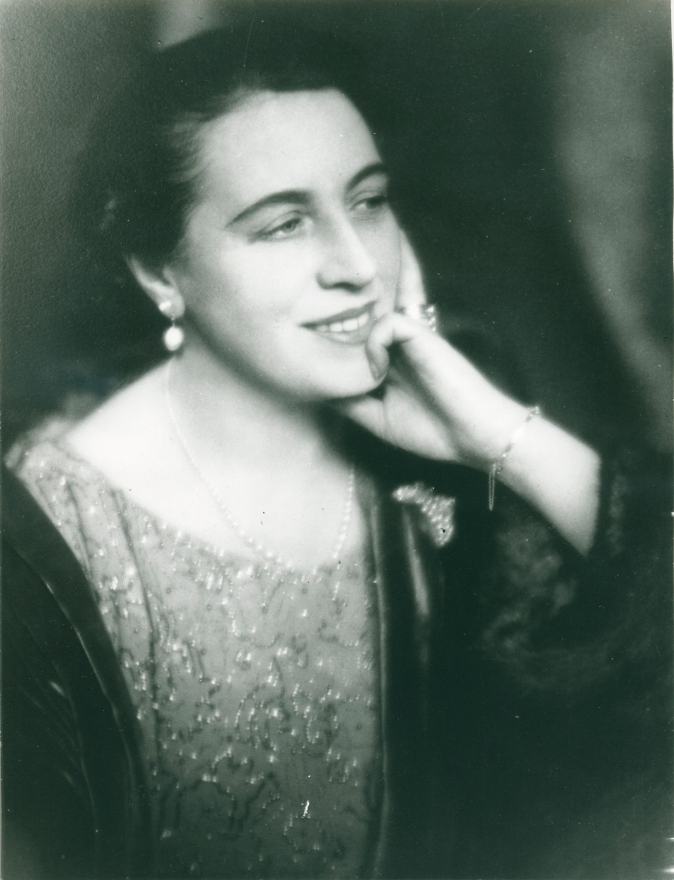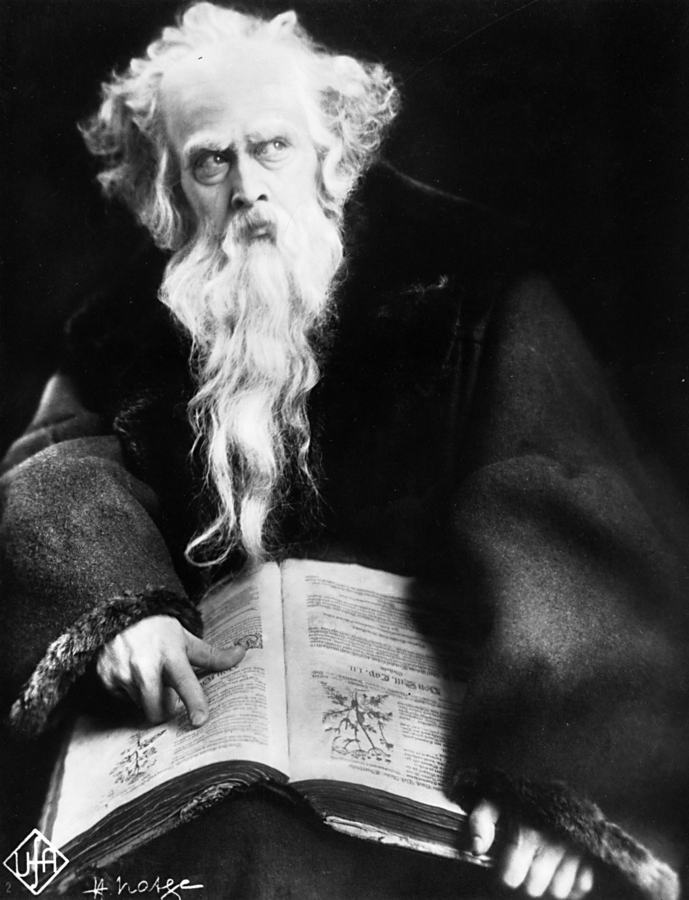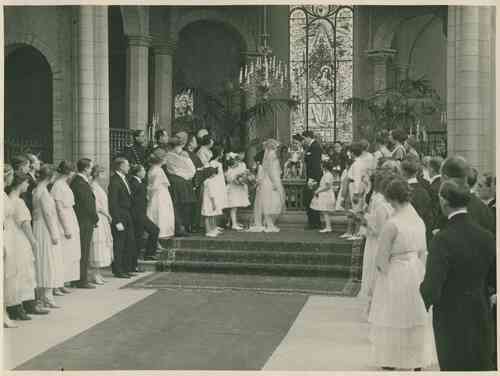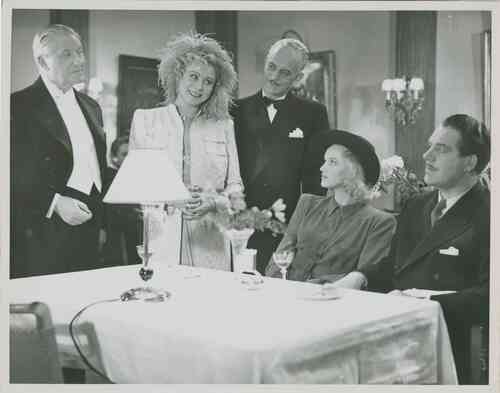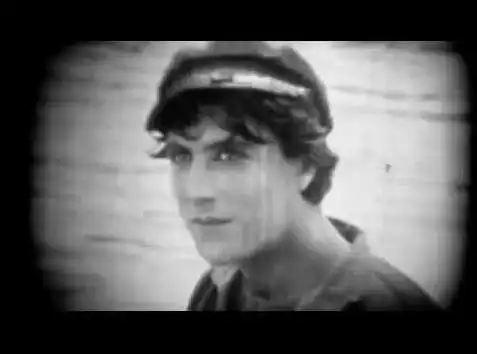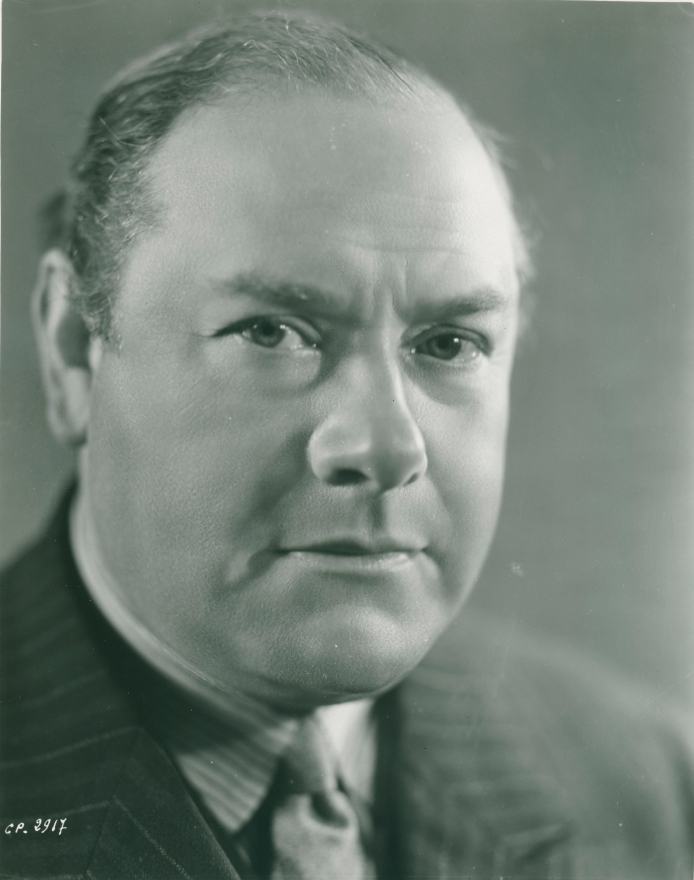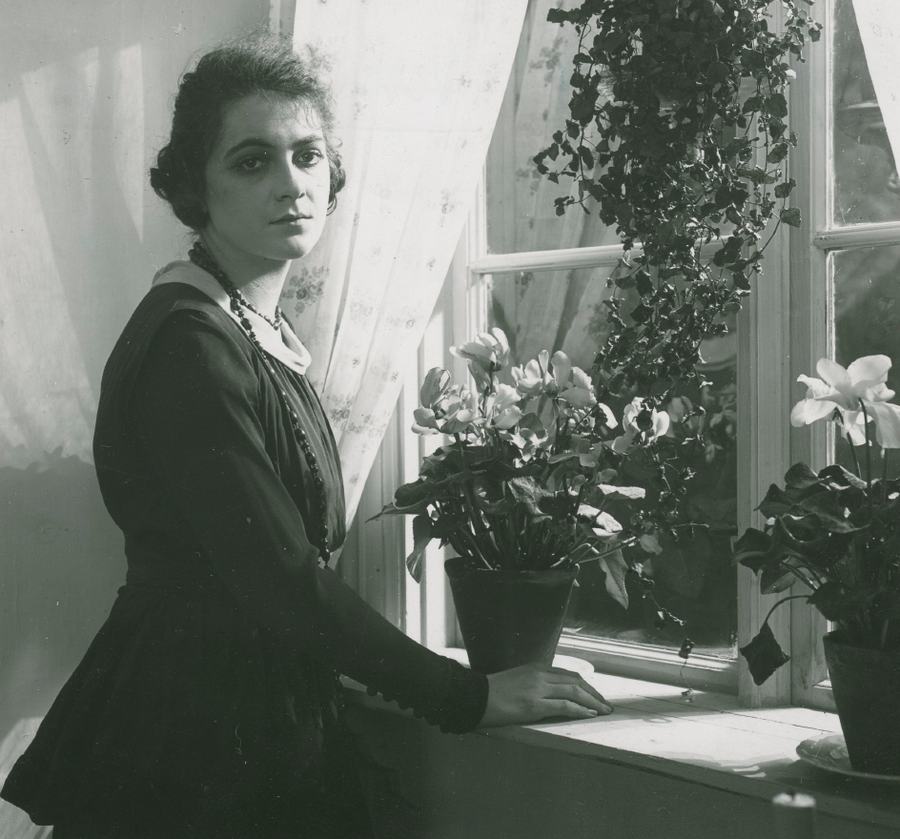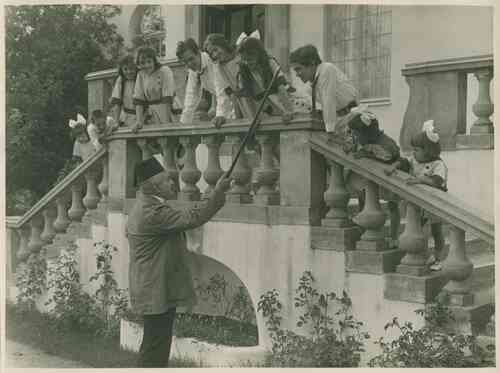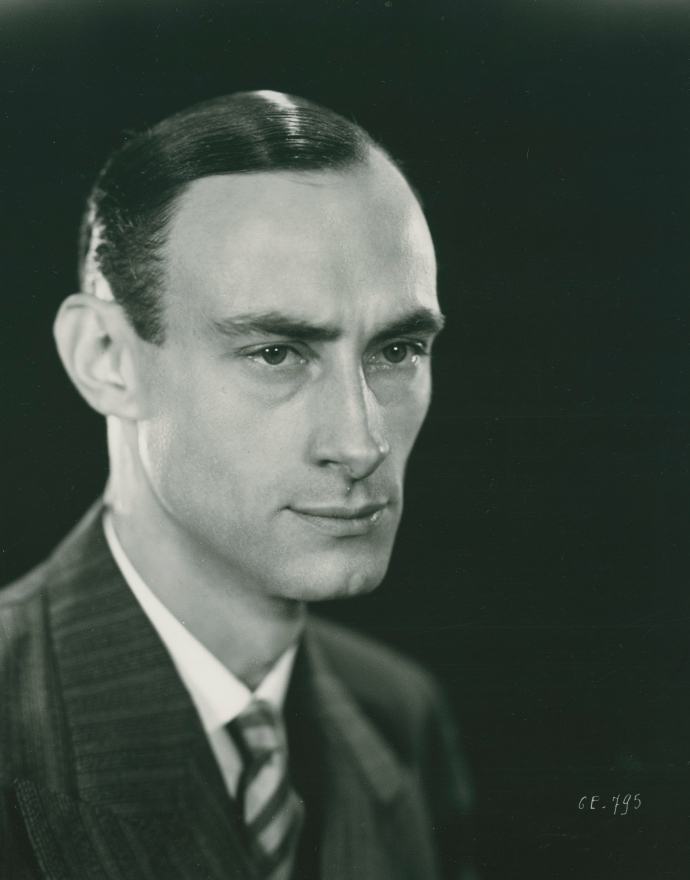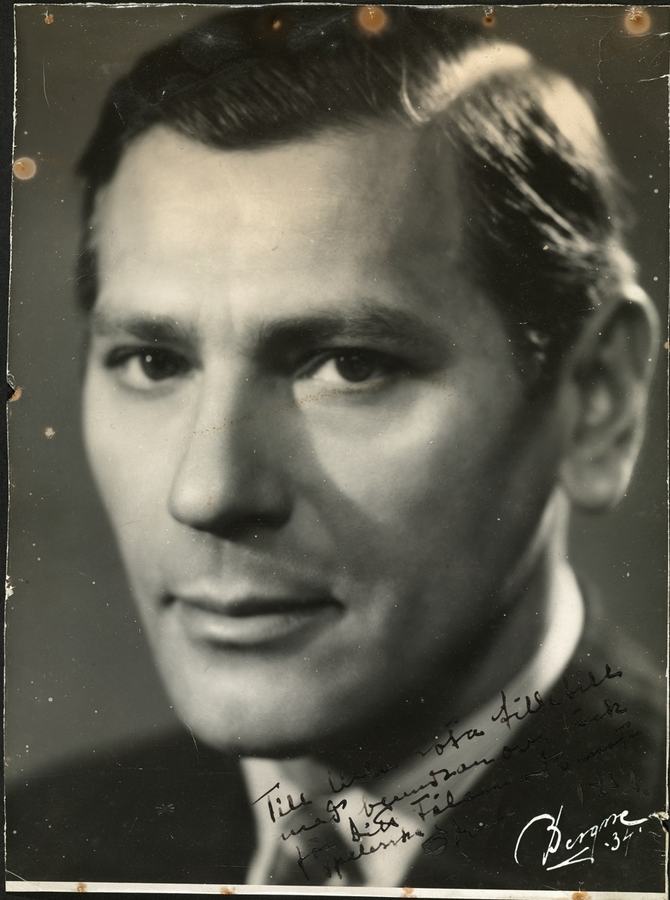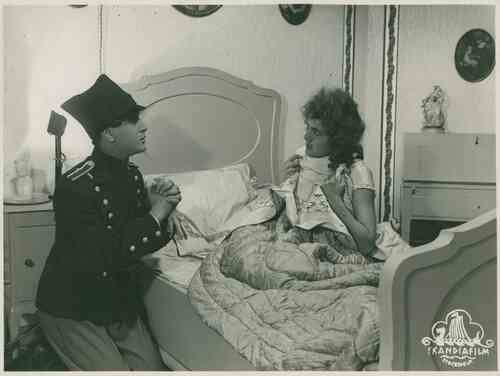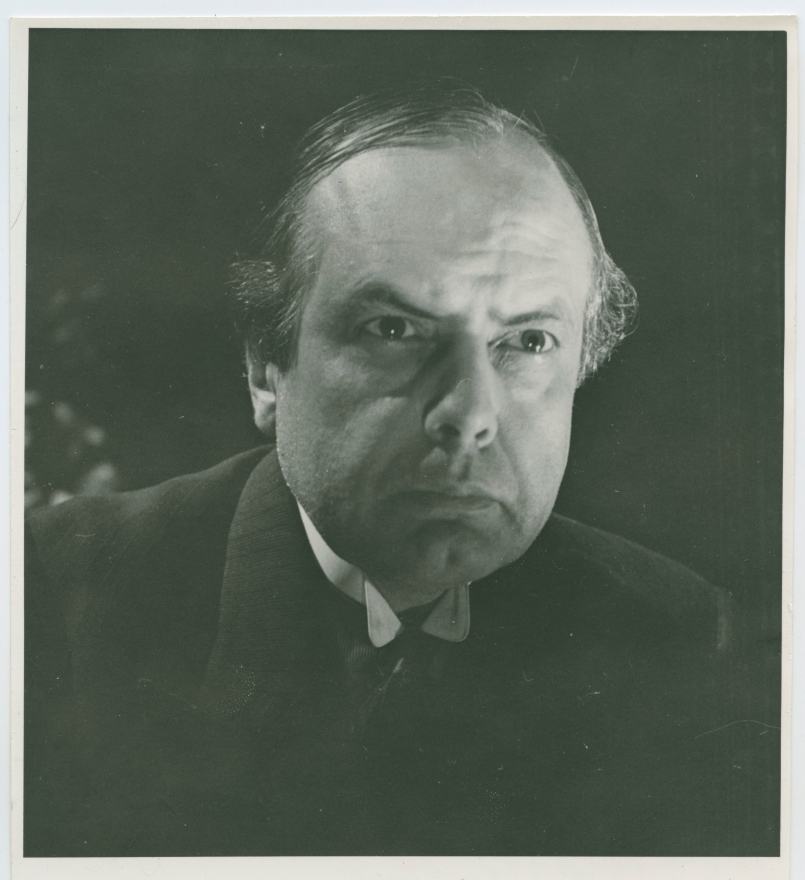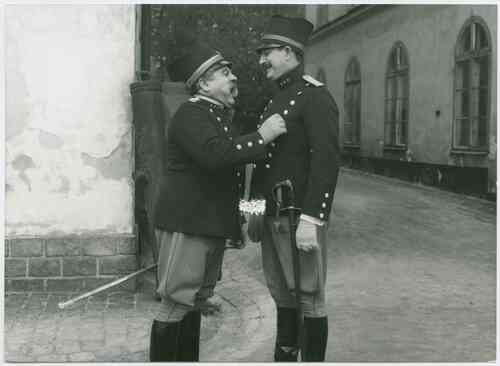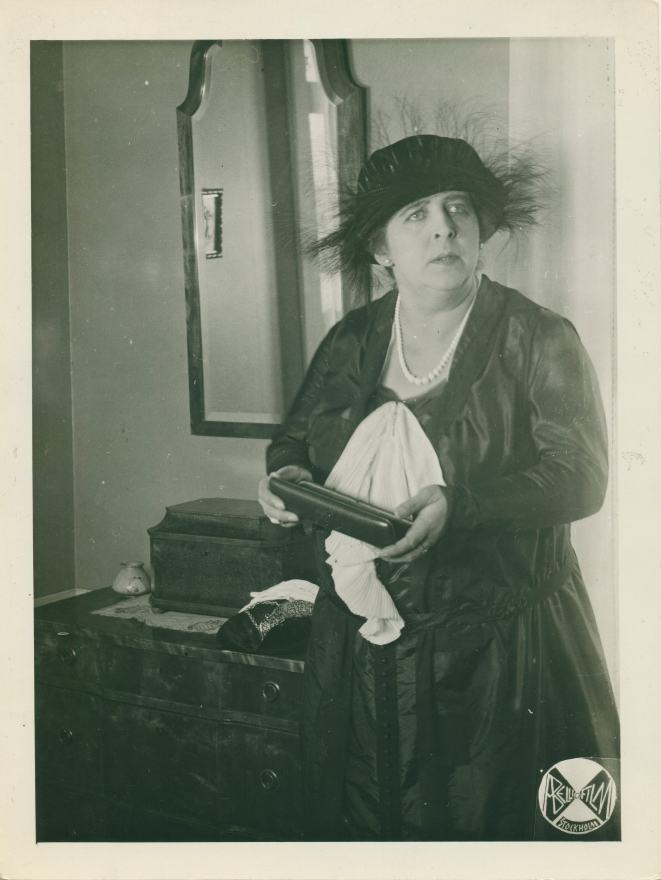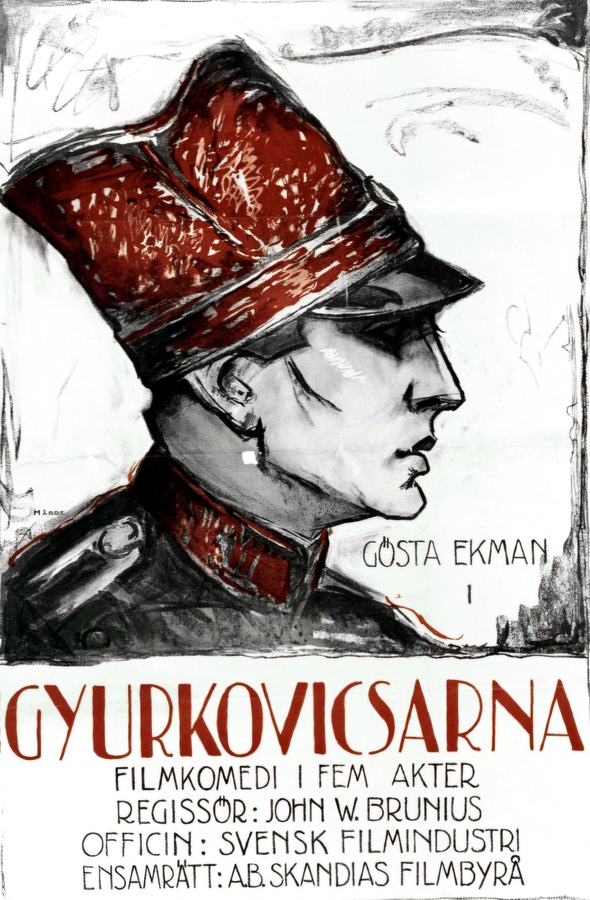
Film adaptation of the novel "A Gyurkovics-fiúk' by author Ferenc Herczeg, starring Gösta Ekman in the lead role, and featuring opera singer Emile Stiebel..
A ballroom suffocating under stucco angels, candle soot, and the ghost of a minuet—this is where Gyurkovicsarna plants its flag, daring you to waltz while the parquet buckles beneath your shoes. Strip away the footnotes and what remains is an emotional earthquake: one clan’s death-rattle disguised as a house party. Di...

still_frame
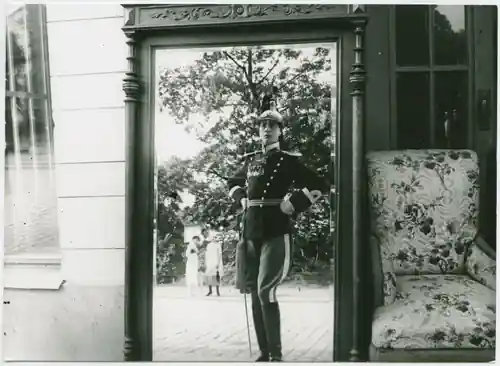
still_frame
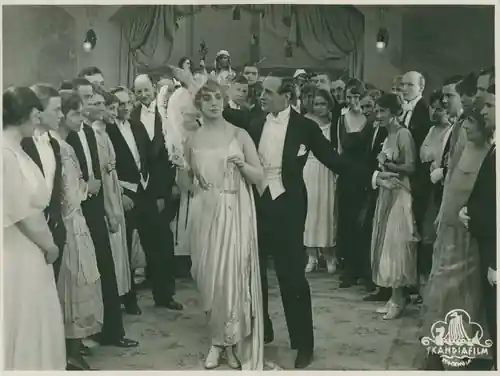
still_frame
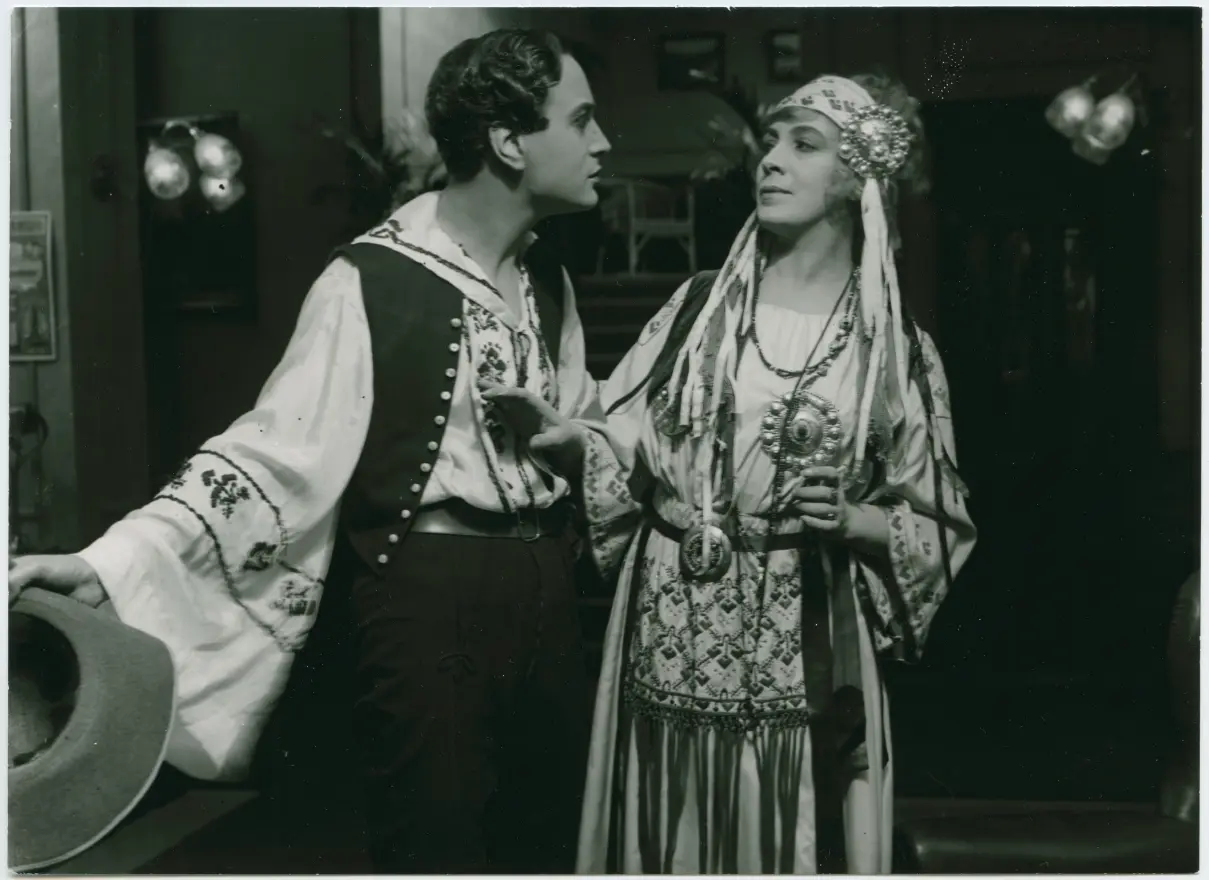
still_frame

still_frame

product

still_frame

still_frame
Comparing the cinematic DNA and archive impact of two defining moments in cult history.
John W. Brunius
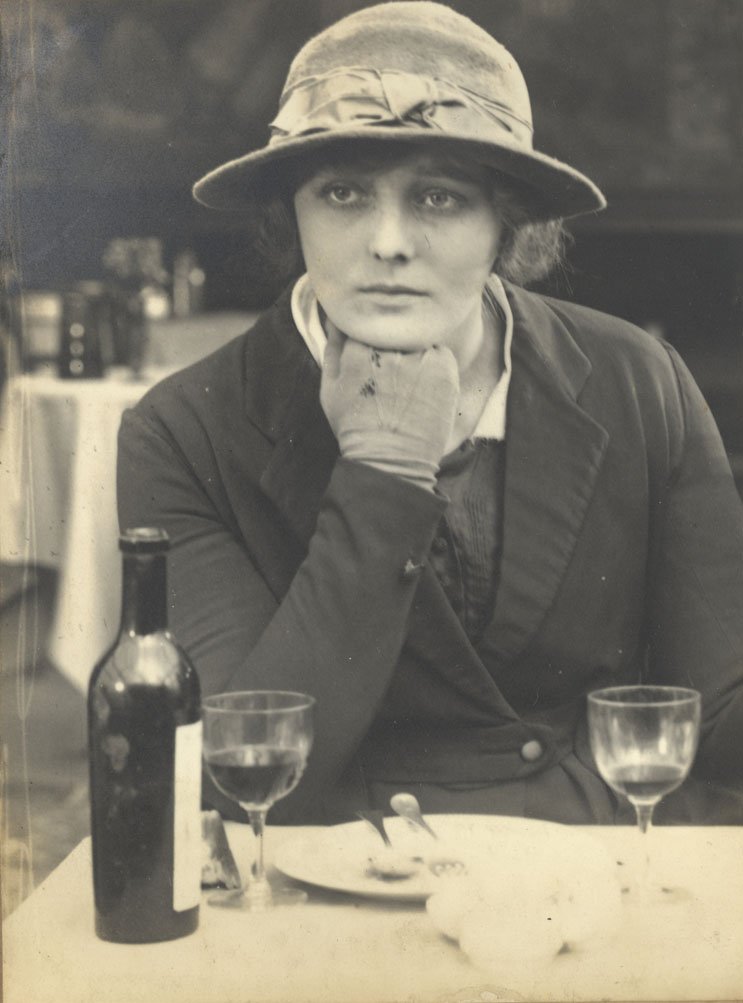
Henry Edwards
Community
Log in to comment.
" A ballroom suffocating under stucco angels, candle soot, and the ghost of a minuet—this is where Gyurkovicsarna plants its flag, daring you to waltz while the parquet buckles beneath your shoes. Strip away the footnotes and what remains is an emotional earthquake: one clan’s death-rattle disguised as a house party. Director-cum-star Gösta Ekman understood that nostalgia, when filmed head-on, becomes horror. Thus every opulent set piece carries a whiff of formaldehyde: gilded frames minus canvas..."
Pauline Brunius, Gösta Ekman, Ferenc Herczeg
Sweden
Deep dive into the cult classic
Discover similar cinematic experiences
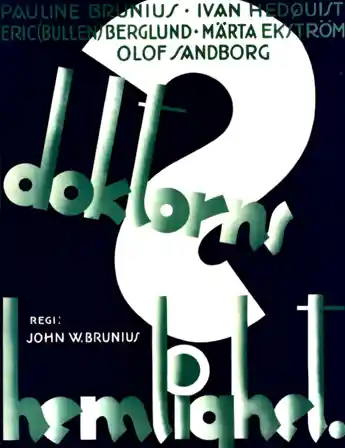
A Directorial Spotlight on John W. Brunius