DbcultAccessing Vault...
6.1/10
Senior Film Conservator
A definitive 6.1/10 rating for a film that redefined the boundaries of cult cinema. Hadda Padda remains a cornerstone of transgressive art.
To witness Hadda Padda (1924) is to observe the very moment Icelandic landscape was first transmuted into cinematic poetry. While the global film industry in the mid-twenties was often preoccupied with the slapstick energy of Jumping Beans or the burgeoning star power of Hollywood ingenues, Guðmundur Kamban and Gunnar Robert Hansen were engaged in something far more primal and permanent. This film does not merely use Iceland as a backdrop; it treats the basaltic cliffs and churning waters as active participants in a psychological disintegration.
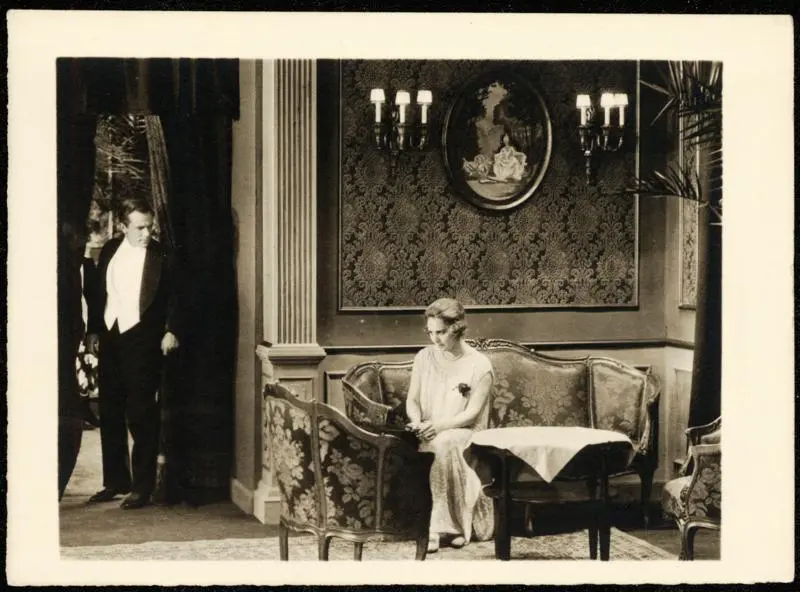
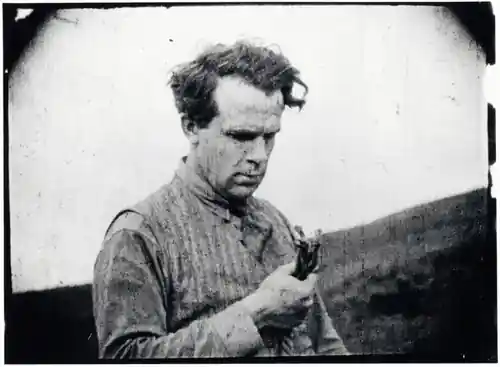
The narrative skeleton appears deceptively simple: a summer stay at Breidabol becomes the staging ground for a romantic schism. Hrafnildur, affectionately known as Hadda Padda, is a woman of profound, almost terrifying emotional depth. Her fiancé, Ingolf, played with a mercurial instability by Poul Rohde, finds himself drifting toward Hadda’s sister, Kristrun. Unlike the lighthearted romantic escapades found in A Flirt There Was, the stakes here are existential. The betrayal isn't just a change of heart; it is a total collapse of Hadda’s world-view.
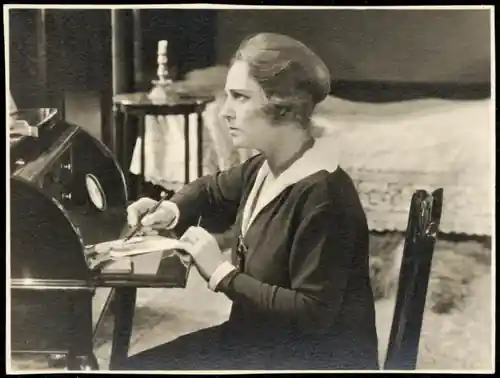
Clara Pontoppidan’s portrayal of Hadda is a revelation of silent-era acting. She avoids the exaggerated gesticulations common in many contemporary productions, such as the broad physical comedy of Beach Nuts. Instead, Pontoppidan utilizes her eyes to convey a mounting sense of dread. There is a specific scene where she watches Ingolf and Kristrun from a distance; her face remains remarkably still, yet you can see the light of her spirit physically dimming. It is a masterclass in subtlety that feels decades ahead of its time.
The cinematography by Gunnar Robert Hansen captures the Icelandic light with a crispness that feels almost tactile. In an era where many films like Up in the Air were experimenting with studio-bound artifice, Hadda Padda embraces the unvarnished reality of the outdoors. The wind actually moves through the actors' hair; the spray from the waterfalls feels cold even through the celluloid. This commitment to naturalism provides a grounded weight to the melodrama, preventing it from floating off into the realm of the theatrical.
Contrast this with the stagey, almost claustrophobic feel of Les frères corses. Kamban, having adapted his own play, seems acutely aware that the camera can go where the stage cannot. He uses long shots to emphasize the insignificance of human drama against the vastness of the North. When Hadda wanders the cliffs, the scale of the environment mirrors the enormity of her grief. It is a visual strategy that would later become a hallmark of Scandinavian cinema, influencing everyone from Bergman to the modern masters.
When we look at the 1924 filmic landscape, Hadda Padda stands as a somber outlier. While American audiences were cheering for the rugged heroism in Bucking Broadway or the kinetic action of The Blue Streak, this Icelandic-Danish co-production was exploring the internal mechanics of a female psyche under duress. There is no 'Yankee Go-Getter' energy here; there is only the slow, inexorable pull of fate. Even when compared to the grit of The Brute Breaker, Hadda Padda feels more emotionally violent because its wounds are self-inflicted and internal.
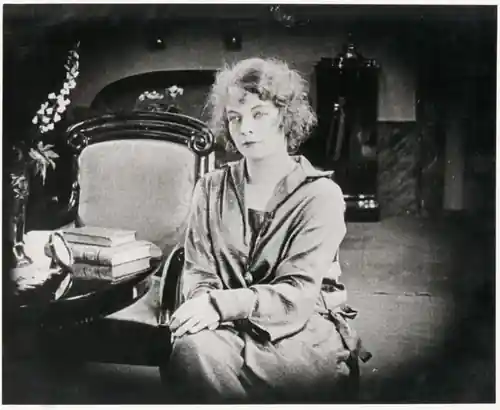
The film also diverges from the morality plays of the time, such as The Discard. There is no simple villainy in Ingolf’s betrayal. It is presented as a tragic accident of the heart, a redirection of affection that no one truly wanted but no one can stop. This nuance is what makes the film endure. It doesn't ask you to hate the lovers; it asks you to mourn the victim. In this regard, it shares more DNA with the heavy socio-political weight of Dzhymmi Hihhins than it does with the lighthearted fare like Why Smith Left Home.
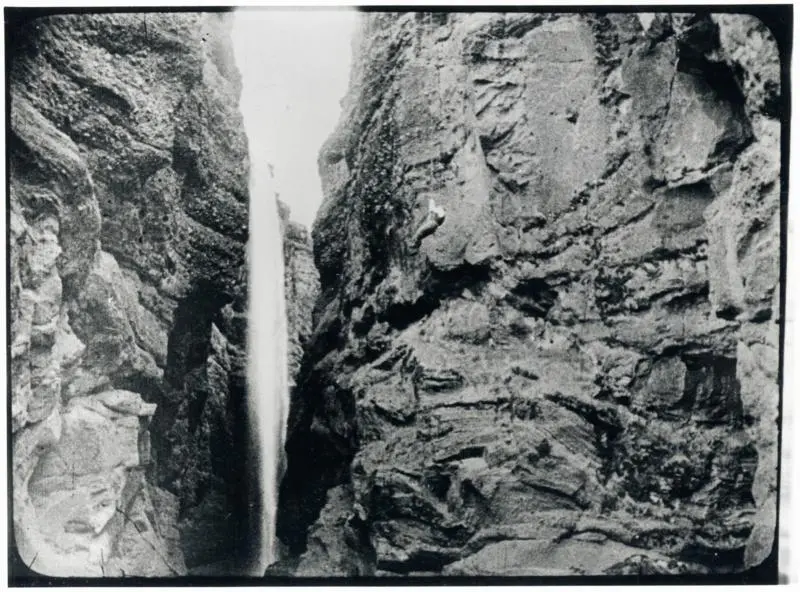
The final act of Hadda Padda is one of the most daring sequences in silent film history. The stunt work—performed by Pontoppidan herself—is breathtaking. As Hadda descends the cliffside to retrieve a flower, the tension is not derived from the physical danger, but from the realization that Hadda no longer values the safety of the ledge. The cinematography here becomes tighter, more intimate, capturing the desperation in her movements. It is a sequence that rivals the tension of any modern thriller, yet it is fueled entirely by character motivation rather than external threat.
Unlike the resolution of Boots, which seeks a comfortable closure, Hadda Padda offers no such solace. It ends on a note of profound, echoing loss. The film understands that some betrayals are too deep for reconciliation. This honesty is what separates it from the more commercial ventures of 1924, such as A Yankee Go-Getter or the adventurous spirit of Iwami Jûtarô. It is a film that demands to be felt, not just watched.
For years, Hadda Padda was a phantom of cinema history, more talked about in academic circles than seen by audiences. Recent restoration efforts have finally allowed us to appreciate the film’s chromatic depth and the intricacies of its lighting. The way the shadows fall across the volcanic rock is not just a technical feat; it is a thematic statement. The darkness is always encroaching on the summer sun of Breidabol.
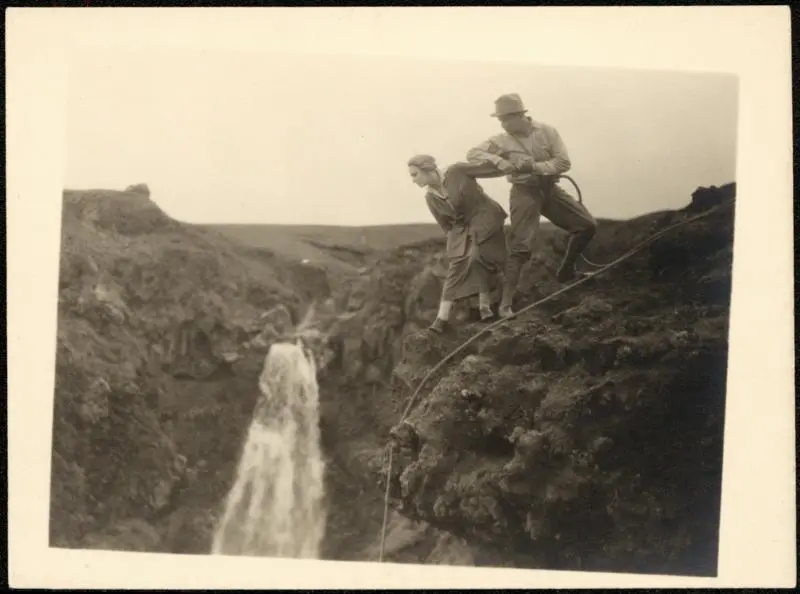
In the grand catalog of early film, where many entries feel like curiosities or stepping stones, Hadda Padda remains a fully realized work of art. It doesn't need the bells and whistles of Join the Circus to hold an audience's attention. Its power lies in its stillness, its landscape, and the shattering performance of Clara Pontoppidan. It is a harrowing, beautiful, and utterly essential piece of cinematic history that proves that the most profound stories are often the most personal ones, told against the backdrop of an indifferent and ancient world.
"Hadda Padda is not merely a film; it is a tectonic shift in the way we perceive the relationship between the human heart and the land it inhabits."
Ultimately, the film serves as a reminder of the power of the silent image. Without the crutch of dialogue, the creators were forced to find a visual language for grief, jealousy, and eventually, a terrifying kind of peace. It is a language that translates perfectly across a century, speaking to anyone who has ever felt the world shift beneath their feet during a single, sun-drenched summer.
IMDb 7
1929
Community
Log in to comment.