DbcultAccessing Vault...
6/10
Senior Film Conservator
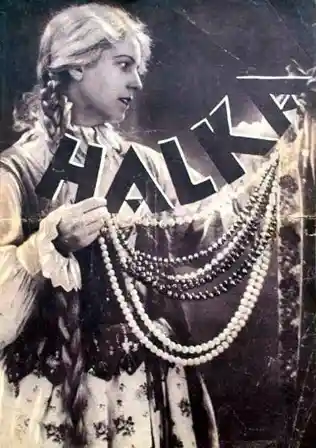
A definitive 6/10 rating for a film that redefined the boundaries of cult cinema. Halka remains a cornerstone of transgressive art.
“Halka” is definitely not for everyone today. If you're a serious film history buff, or maybe super into Polish pre-war cinema specifically, you might find something here. But for most folks looking for a Saturday night flick, or even a classic drama, this one’s probably a hard pass. It’s an experience, not always an enjoyable one. 🎭
It’s an opera on film, right? So you expect drama. And “Halka” delivers on that, but in a very particular, old-fashioned way. The story itself – a peasant girl, Halka, falls for a nobleman, Janusz, who betrays her – is classic melodrama. The film captures the *essence* of that heartbreak.
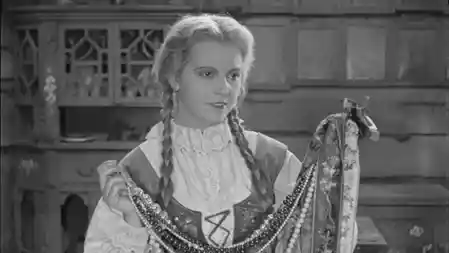
The director, Jerzy Braun, apparently just took the “main motifs” from Moniuszko’s opera. This means you get the big emotional beats, but sometimes without much lead-up. It's like reading the CliffsNotes version of an opera, which can feel a bit jarring if you don’t already know the story.
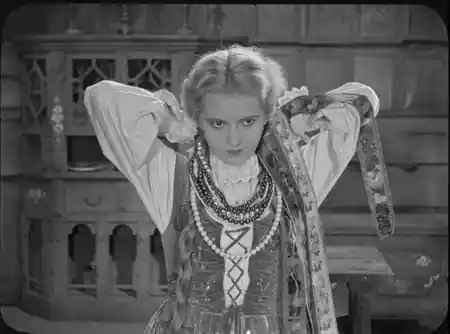
Zorika Szymanska as Halka really tries to sell the tragedy. Her face is often a mask of sorrow. Sometimes it works, other times it feels like she’s just waiting for her cue to emote. There's a particular scene where she’s standing by a river, and the camera just holds on her for what feels like ages. You almost feel the movie trying to convince you this moment matters.
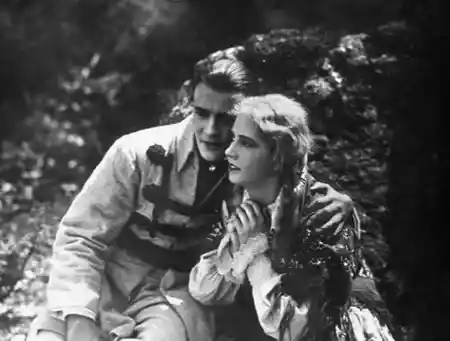
Marian Palewicz, playing Janusz, is all brooding glances and internal conflict. His face just screams “I’m conflicted!” in every single close-up. We *get it*, dude. His whole performance is very much in the operatic tradition, big gestures and all.
The audio quality, bless its heart, makes some of the singing a real challenge to follow. You strain a bit, trying to catch the lyrics. It’s part of the charm, I guess, of watching something so old. The music itself, Moniuszko’s stuff, is beautiful, but it’s not always perfectly integrated into the film’s soundscape.
One scene, a wedding I think, just drags. The camera barely moves. It's almost like they just set up a tripod and filmed a stage play. The crowd scenes have this oddly empty feeling, like half the extras wandered off for a snack. It pulls you out of the moment a little bit.
The outdoor shots, especially the ones near the water, actually look quite nice for the era. A pleasant surprise. They have a certain stark beauty in black and white. Then there are some interior sets that look... well, exactly like sets. A painted backdrop often just *is* a painted backdrop.
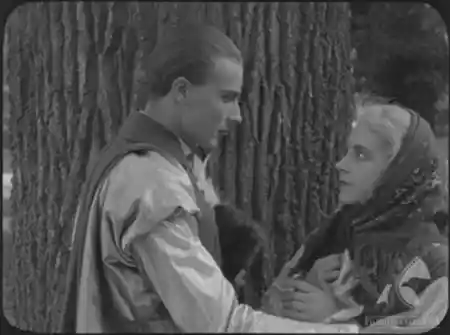
It’s interesting to see how early sound films tried to blend acting styles. You still see a bit of that silent film exaggeration peeking through. Actors communicate a lot with their eyes and hands, which makes sense for the period.
The pacing is definitely deliberate. Sometimes it’s meditative, other times it just feels slow. This isn't a film you put on if you want a quick, punchy narrative. You need to settle in.
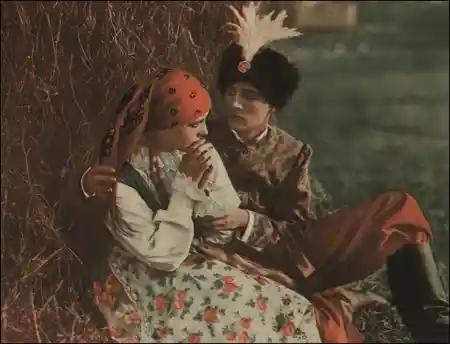
“Halka” is a piece of history. It shows how Polish cinema was evolving before the war changed everything. Is it a perfect film? Absolutely not. Is it important? Yeah, for what it represents.
You probably won't be rushing to rewatch it, but it offers a unique peek into a different time. A time when films were finding their voice, literally. Don't go in expecting anything modern, and you might just appreciate it for its earnest effort.
IMDb —
1918
Community
Log in to comment.