DbcultAccessing Vault...
Cult Review
Senior Film Conservator
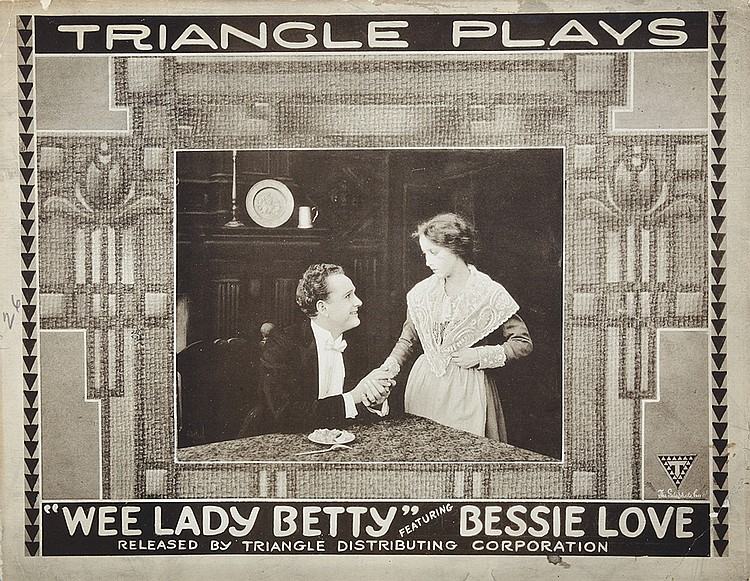
Step back in time, dear reader, to an era where storytelling unfolded without a single spoken word, yet resonated with an emotional depth that few modern blockbusters can rival. We're talking about the silent film epoch, a period of breathtaking innovation and raw, unadulterated cinematic magic. Among the myriad treasures unearthed from this golden age is the delightful and surprisingly complex 1917 feature, 'Wee Lady Betty'. This isn't just another relic from a bygone era; it's a vibrant testament to the power of a compelling narrative, spirited performances, and the universal appeal of a heroine who dares to defy the odds. Directed by Frank Borzage, who also stars, and graced by the enchanting presence of Bessie Love, this film offers a charming glimpse into the heart of early American cinema, proving that a truly captivating story transcends the need for dialogue.
Our tale unfolds in the ancestral O'Reilly castle, a setting steeped in history and tradition, yet it is not the titular heir who governs its daily rhythms. Instead, we are introduced to the remarkable Wee Lady Betty, a character of formidable spirit and immense compassion. With a firm hand and an even bigger heart, Betty has become the de facto ruler of the estate, tending not only to the castle itself but also to the welfare of its villagers and, crucially, her aged father. Her leadership is born not of birthright, but of an innate sense of responsibility and a profound connection to the land and its people. She embodies a kind of natural aristocracy, earned through devotion and selfless service, a stark contrast to the absentee landlordism that often plagued such estates. This initial characterization immediately endears Betty to the audience, establishing her as a figure worthy of our empathy and admiration. Her existence, however, hangs precariously in the balance, threatened by an impending shift in power that promises to upend her carefully constructed world.
The tranquility of Betty's reign is shattered by the news of Roger, the legitimate O'Reilly heir, who is finally returning to claim his inheritance. For Betty, this heralds not just a loss of status, but a devastating blow to her ability to provide for her beloved, vulnerable father. The patriarchal structures of the time left little room for women like Betty to secure their family's future outside the confines of marriage or direct inheritance. Faced with such a dire predicament, Betty's ingenuity sparks a truly audacious plan. It's a scheme born of desperation, certainly, but also of a fierce, protective love. She orchestrates a dramatic, public departure from the castle, a feigned banishment designed to elicit sympathy and set the stage for her next, more clandestine move. This theatrical flair, so characteristic of silent film heroines, highlights her courage and resourcefulness, traits we also admire in the resilient protagonists of contemporary dramas like The Battle of Hearts (1916), where strong female wills often drive the narrative.
Under the cloak of darkness, Betty returns to the castle, not as its departing mistress, but as a conspirator. Her mission: to install her father in the reputedly haunted chamber, a room shrouded in local folklore and fear. This act is a brilliant stroke of psychological warfare, leveraging superstition to create an impenetrable sanctuary for her father. It’s a move that showcases her cleverness, her willingness to bend the rules for the sake of family, and her understanding of human nature – specifically, how fear can be a potent deterrent. The setup of the 'haunted' chamber is a classic trope, yet here it serves a deeply empathetic purpose, transforming a potential site of terror into a haven of safety, albeit a precarious one.
The following day, Roger arrives with his mother, expecting a smooth transition of power, perhaps even a celebratory welcome. Instead, he is met by a furious throng of villagers, their faces etched with anger and loyalty, protesting Betty's perceived banishment. This scene powerfully illustrates the bond Betty has forged with her community, a bond far stronger than any legal claim to the estate. It's a poignant reminder that true leadership often comes from the heart, not just from a title. The collective indignation of the villagers is a force to be reckoned with, a testament to the era's fascination with social dynamics and the voice of the common folk, themes often explored in films like Oliver Twist (1916), which similarly depicted the struggles and loyalties within a community against an oppressive system.
Amidst this chaos, Betty, ever the strategist, reappears in a cunning disguise: that of a castle maid. This allows her unprecedented access and the opportunity to subtly manipulate the situation from within. She guides Roger and his mother through the castle, performing her 'duties' with meticulous care, but her tour takes on a particular emphasis when she reaches the haunted chamber. With exaggerated gestures and hushed whispers, she imbues the room with an aura of dread and mystery, ensuring that its reputation precedes any direct encounter. This performance within a performance is a masterclass in silent acting, relying on subtle facial expressions, body language, and the audience's understanding of her hidden agenda. Her ability to maintain this charade under immense pressure speaks volumes about her resolve and quick wit.
As night descends, the tension inside the castle becomes almost palpable. Betty, carrying food for her father, makes her way to his secret sanctuary. It is here that the dramatic stakes are raised significantly. She hears Roger, emboldened by curiosity or perhaps a desire to debunk the local legends, attempting to open the chamber door. The heir, despite his privilege, is not without his own courage, or perhaps a touch of youthful recklessness. In a desperate, impulsive move to frighten him away and protect her father's hiding place, Betty leaps behind a suit of armor, hoping to embody the very specter she has so carefully cultivated. The ensuing moment is one of pure, heart-stopping silent film drama: Roger, startled by the sudden movement, discharges his firearm at the perceived 'ghost'. This unexpected turn elevates the plot from a clever ruse to a life-threatening situation, plunging Betty into immediate peril. The scene is expertly crafted to maximize suspense, a hallmark of early cinema's ability to build tension through visual storytelling, reminiscent of the climactic standoffs in films like Straight Shooting (1917), where quick decisions often determined fate.
Simultaneously, the simmering resentment of the villagers boils over, and they storm the castle, their anger a palpable force against the new, unwelcome lord. Roger, now distracted and under siege, is compelled to confront them, attempting to appease their fury. It is a moment of chaos, where the lines between personal conflict and social unrest blur. But it is Betty, emerging from her near-fatal encounter, who truly saves the day. Her disguise shed, her identity revealed, she steps forward, her commanding voice (or rather, her commanding presence and gestures, for the silent screen) quelling the tumultuous crowd. Her authority, earned through years of genuine care and respect, silences the mob where Roger's attempts at appeasement falter. This pivotal act not only rescues Roger from a potentially violent confrontation but also solidifies her indispensable role within the castle's future. Her actions demonstrate a leadership quality that transcends social standing, a natural ability to command respect and restore order.
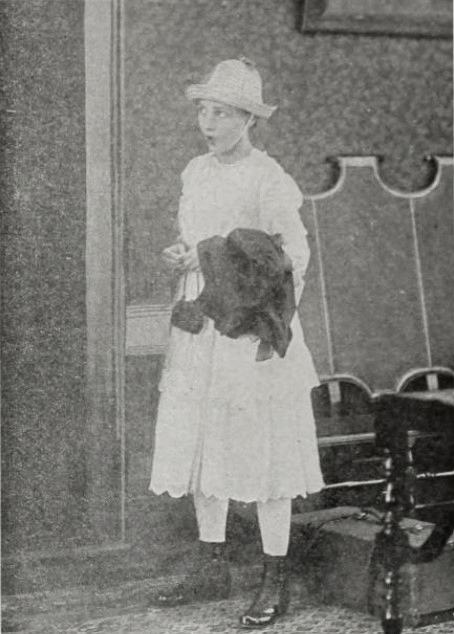
The climax culminates in a tender, poignant embrace between Betty and Roger. This gesture signifies more than just the end of their immediate conflict; it heralds the beginning of a new chapter, a union that promises to merge tradition with genuine affection and respect. Betty's future at the castle, once so uncertain, now seems secure, built upon her undeniable strength, intelligence, and a blossoming romantic connection. It’s a resolution that feels earned, a testament to her unwavering spirit and her willingness to fight for what she believes in. This blend of romance, social commentary, and dramatic tension makes 'Wee Lady Betty' a compelling watch, even over a century later.
At the heart of 'Wee Lady Betty' are the captivating performances of its leads. Bessie Love, a prominent star of the era, embodies Betty with an irresistible blend of youthful charm, fierce determination, and expressive vulnerability. Her ability to convey complex emotions without dialogue is truly remarkable. From her knowing glances as the 'maid' to her terrified leap behind the armor, Love communicates a rich inner life that draws the audience deeply into Betty's plight and triumphs. She crafts a character who is not merely reactive but actively shapes her destiny, a proto-feminist icon in an age where such portrayals were still evolving. Her performance is a masterclass in silent acting, showcasing the nuanced power of gesture and facial expression to tell a story.
Frank Borzage, who would go on to become a celebrated director, also delivers a solid performance as Roger. His portrayal captures the heir's initial arrogance and later, his dawning respect and affection for Betty. The chemistry between Love and Borzage is palpable, providing the romantic core that underpins the social drama. Borzage's own understanding of narrative and character, perhaps already developing as a director, undoubtedly informed his nuanced acting choices. The supporting cast, particularly Charles K. French as Betty's father, adds emotional weight, his vulnerability underscoring the urgency of Betty's actions. The collective efforts of the ensemble create a believable world, allowing the audience to suspend disbelief and become fully immersed in the unfolding drama.
'Wee Lady Betty', despite its age, grapples with themes that remain remarkably pertinent today. The central conflict between inherited privilege and earned leadership is timeless. Roger represents the old order, the right of birth, while Betty embodies the meritocracy of character and capability. Her struggle highlights the societal inequalities of the time, where a woman, regardless of her competence, could be easily displaced by a male heir. This exploration of class and power dynamics resonates with other films of the era that challenged social norms, such as The Flash of an Emerald (1915), which often explored the tensions between different social strata.
Furthermore, Betty's resourcefulness and fierce independence are a powerful statement on female agency. She refuses to be a passive victim of circumstance, instead actively orchestrating events to protect her family and secure her future. This proactive stance for a female protagonist in 1917 was progressive, showcasing a move towards more complex and empowered women in cinema. Her ingenuity rivals the quick-witted protagonists seen in contemporary thrillers like Manhattan Madness (1916), albeit in a vastly different setting and with a more overtly emotional core.
The film also beautifully explores themes of family loyalty and community solidarity. Betty's devotion to her father is the driving force behind her elaborate deception, a powerful portrayal of filial love. The villagers' unwavering support for Betty, their willingness to confront Roger, speaks to the strength of community bonds and the human desire for justice. This depiction of collective action and loyalty echoes the powerful social narratives found in films such as Oliver Twist (1916), highlighting the era's fascination with the dynamics of human connection against adversity. The 'haunted chamber' itself serves as a fascinating symbolic element, representing the lingering power of tradition, superstition, and the hidden truths within the castle's walls. It's a space where old fears and new realities collide, ultimately becoming the crucible for the film's dramatic climax.
'Wee Lady Betty' stands as a charming and significant example of early American filmmaking. Produced in 1917, it showcases the evolving sophistication of cinematic narrative, demonstrating how filmmakers were mastering the art of visual storytelling to convey intricate plots and deep emotional currents. The direction, while perhaps less overtly stylized than some later silent epics, is effective in its clarity and pacing, keeping the audience engaged from start to finish. The film's ability to blend elements of romantic drama, light comedy, and social commentary into a cohesive and entertaining whole is commendable. It might not possess the grand scale of a D.W. Griffith production, nor the stark realism of European dramas, but it excels in its heartfelt simplicity and the genuine appeal of its characters. Its narrative structure, building suspense through well-placed reveals and escalating stakes, is a testament to the foundational storytelling techniques that would define cinema for decades to come, much like the clear, compelling narratives found in other early features such as A Song of Sixpence (1917).
For modern viewers, 'Wee Lady Betty' offers more than just a historical curiosity; it provides a window into the values, anxieties, and entertainment sensibilities of a bygone era. It reminds us that compelling characters and universal themes of love, loyalty, and justice transcend the limitations of technology. The film's enduring appeal lies in its spirited heroine, her audacious plan, and the satisfying resolution that champions both heart and wit. It's a delightful journey back to the roots of cinema, proving that even without a single spoken line, a story can shout volumes.
In conclusion, 'Wee Lady Betty' is a must-see for silent film aficionados and anyone curious about the foundational artistry of motion pictures. It's a testament to the power of a good story, well-told, and a shining example of the talent that defined early Hollywood. So, dim the lights, silence your phones, and let the expressive faces and dramatic gestures of Bessie Love and Frank Borzage transport you to a time when cinema was truly a silent symphony of human emotion.
IMDb —
1929
Community
Log in to comment.