DbcultAccessing Vault...
6.7/10
Senior Film Conservator
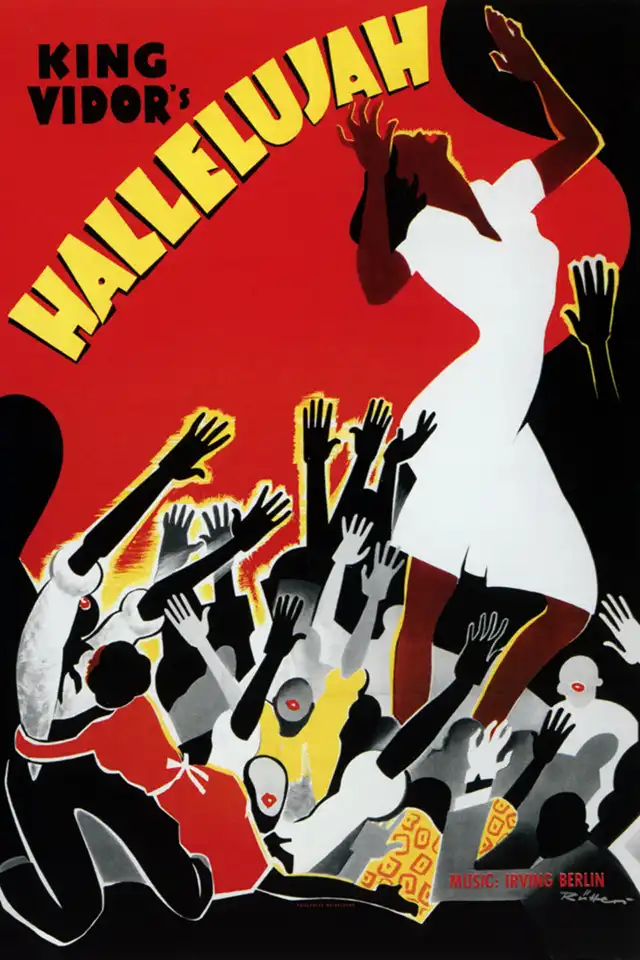
A definitive 6.7/10 rating for a film that redefined the boundaries of cult cinema. Hallelujah remains a cornerstone of transgressive art.
Alright, so Hallelujah is absolutely worth watching today if you’re into the deep cuts of film history, especially early talkies and musicals. If you’re a film student, or just someone fascinated by how movies *sounded* back in 1929, then yeah, buckle up. But if you're after something with modern pacing, or if you prefer stories that sidestep all the messy historical contexts, this one might feel like a bit of a heavy lift. It’s a time capsule, no doubt.
From the first frame, you’re thrown into these wide shots of cotton fields, and then the singing starts. Not just background noise, but *real* singing, right there, filling the screen. It’s amazing, considering how clunky sound films could be then.
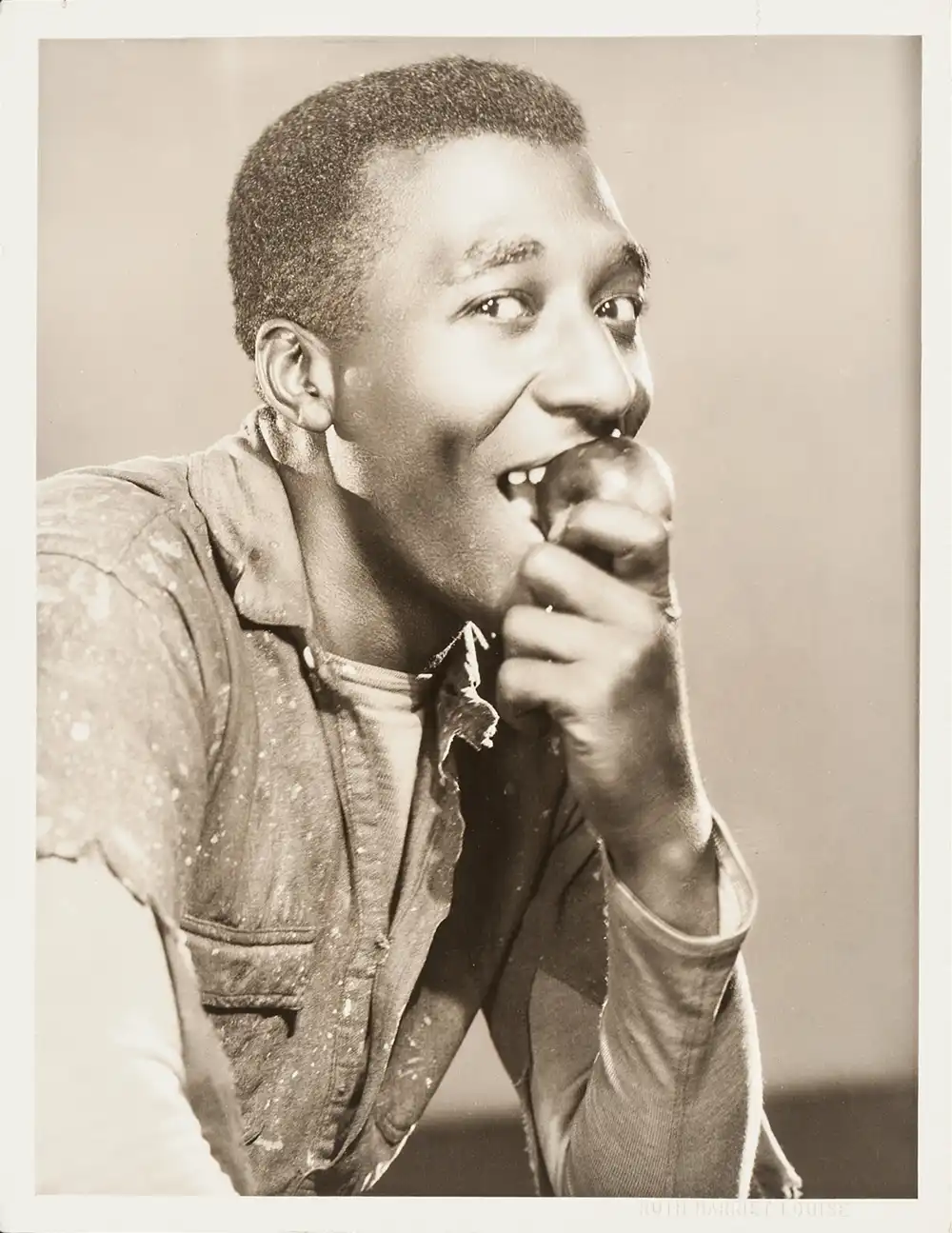
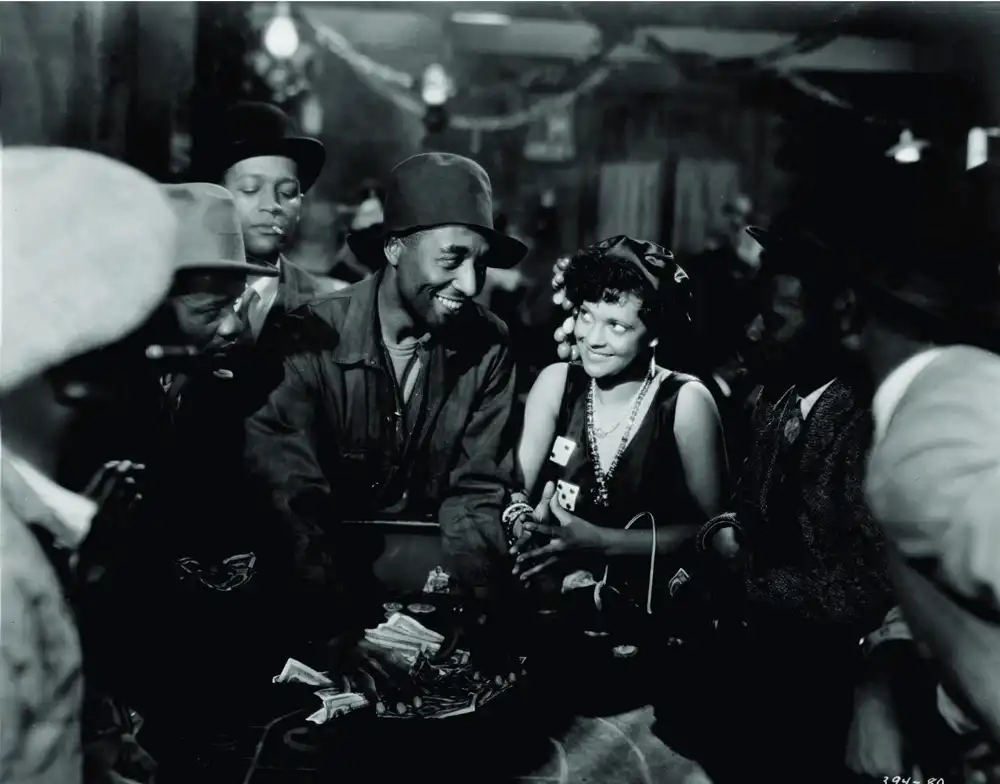
Daniel L. Haynes as Zeke, our sharecropper hero, carries a lot. He’s got this honest, almost innocent vibe at the start. You see him toiling away, then suddenly, he’s caught up in a dice game.
That scene where the dice game goes bad, it’s just *rough*. Not just the violence, but the suddenness of it. One minute it’s fun, the next, it’s a tragedy.
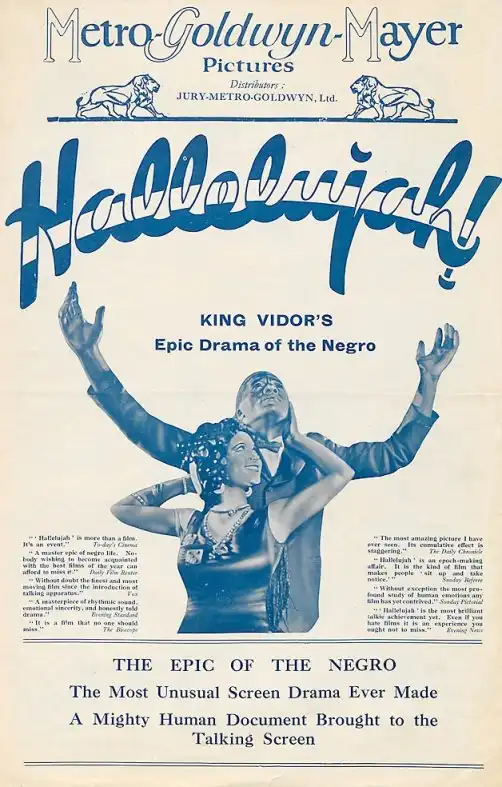
And then there’s Nina Mae McKinney as Chick. Man, she just **pops** on screen. She’s electric, a real force of nature. Every time she appears, the whole film gets a jolt of something raw and dangerous. Her dancing, her eyes—it’s just magnetic.
You can almost feel Zeke’s whole world tilting when she’s around. She’s the city, the temptation, and he’s this earnest guy from the fields.
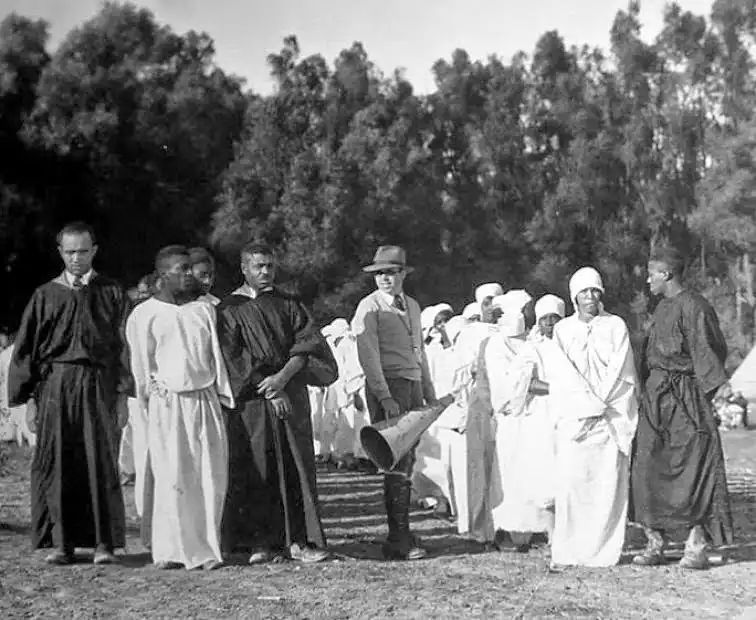
The film shifts gears when Zeke finds religion and becomes a preacher. Those revival scenes? They are something else. The energy in those tent meetings, the call-and-response, the way people move. It feels incredibly authentic, even for a studio film.
I mean, the baptisms in the river are visually stunning. The light on the water, the sheer emotion on the faces. It’s powerful stuff.
But the movie never lets you forget Chick. She keeps circling back, a ghost in his new life. It’s a constant struggle for Zeke, and you feel that tension building. He’s trying so hard to be good.
There’s a moment where Zeke is preaching, full of fire, and then he sees Chick in the crowd. His whole demeanor changes, just for a second. It’s subtle, but you catch it.
King Vidor, the director, really knew how to use the camera. There are these deep focus shots that feel really ahead of their time. He captures the landscapes of the South beautifully, almost like another character.
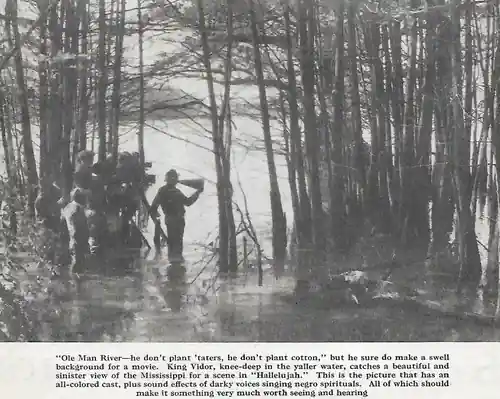
The chase scene through the swamps? That’s some wild stuff. It goes on a bit, but the atmosphere is incredible. The shadows, the water, the sheer desperation. It felt almost like a horror film for a minute there. 🐊
And the music. Oh, the music! It’s not just songs dropped into the plot. The spirituals, the bluesy numbers, they’re integrated right into the fabric of the story. It feels like the characters are just *living* through song.
Some of the acting, especially from the supporting cast, feels very much of its era. A bit broad, perhaps. But then someone like Nina Mae McKinney just cuts through all that with such a natural presence.
It’s hard to talk about Hallelujah without acknowledging its place in history. It was one of the first major studio films with an all-Black cast. That alone makes it a landmark. It tried to portray Black life, even if it’s through a lens that feels, at times, a little... *simplified* by today's standards. But it’s still fascinating to see.
The ending is pretty heavy. It’s a classic tale of redemption, but it doesn't offer any easy answers. It leaves you thinking about choices and consequences.
Honestly, the raw energy of this film, especially the musical numbers and Nina Mae McKinney’s performance, still resonates. It's a bumpy ride, sure, but a worthwhile one for anyone interested in where cinema came from. Definitely an experience. ✨
IMDb 5.5
1924
Community
Log in to comment.