DbcultAccessing Vault...
5.2/10
Senior Film Conservator
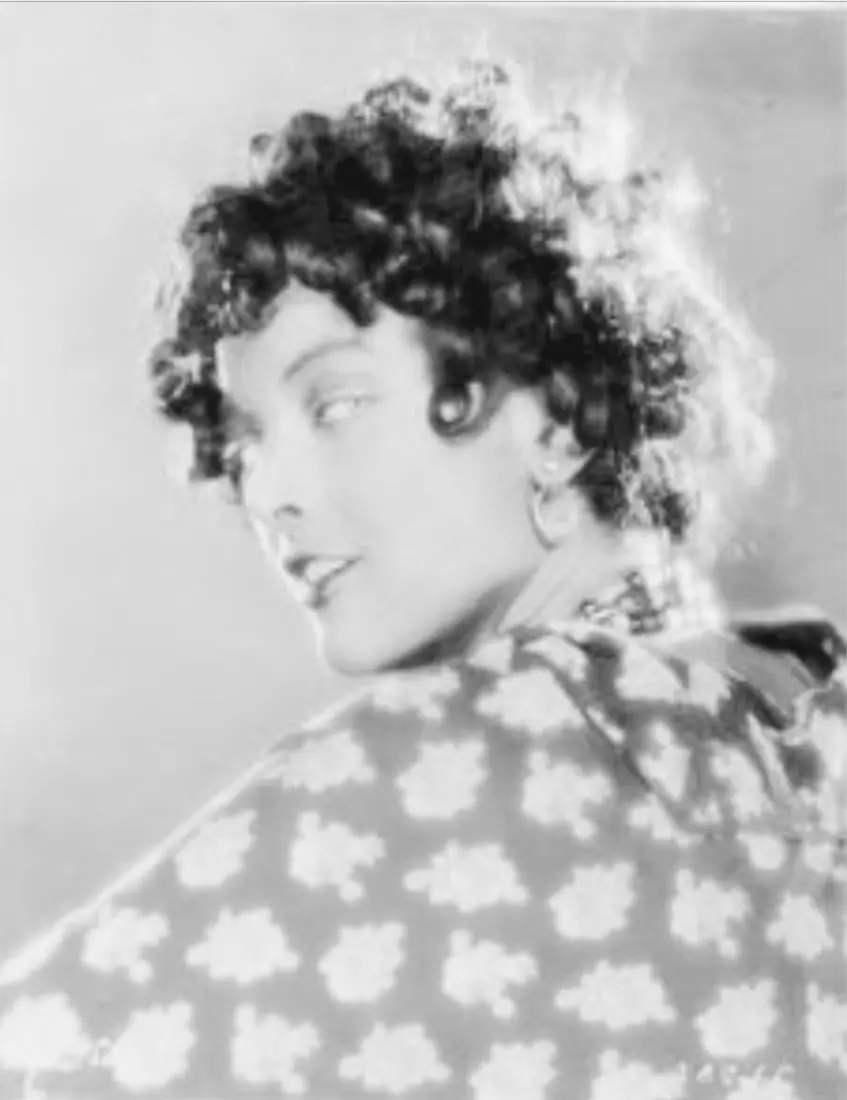
A definitive 5.2/10 rating for a film that redefined the boundaries of cult cinema. Ham and Eggs at the Front remains a cornerstone of transgressive art.
Is Ham and Eggs at the Front a lost gem of silent comedy? Short answer: No, it is a difficult, racially charged artifact that serves better as a history lesson than a Friday night movie.
This film is strictly for film historians, students of 1920s racial politics, and Myrna Loy completionists. It is absolutely not for anyone seeking modern sensitivity or high-brow humor.
1) This film works because Myrna Loy possesses a magnetic screen presence even when buried under problematic makeup and a thin script.
2) This film fails because its central conceit relies on racial caricatures that have aged like milk in the sun, making the 'comedy' feel more like a chore.
3) You should watch it if you are researching the early career of Darryl F. Zanuck or the evolution of the 'vamp' character in silent cinema.
To answer the question directly: No, not for entertainment. If you are looking for a cohesive narrative or genuine laughs, you would be better served by films like In Society.
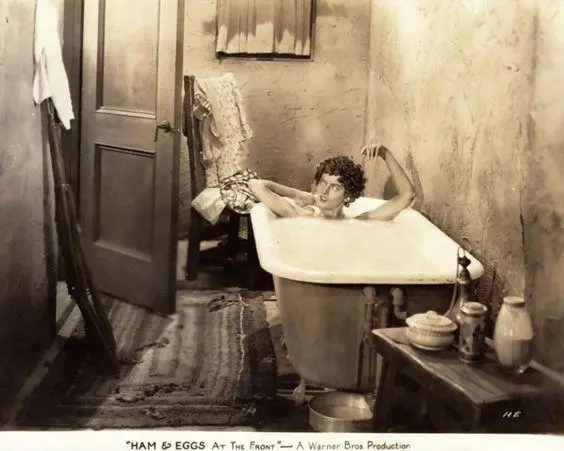
However, from a purely analytical standpoint, it offers a window into the 1927 mindset. It shows how Hollywood integrated wartime anxiety with vaudeville-style humor.
The film is a relic. It works. But it’s flawed.
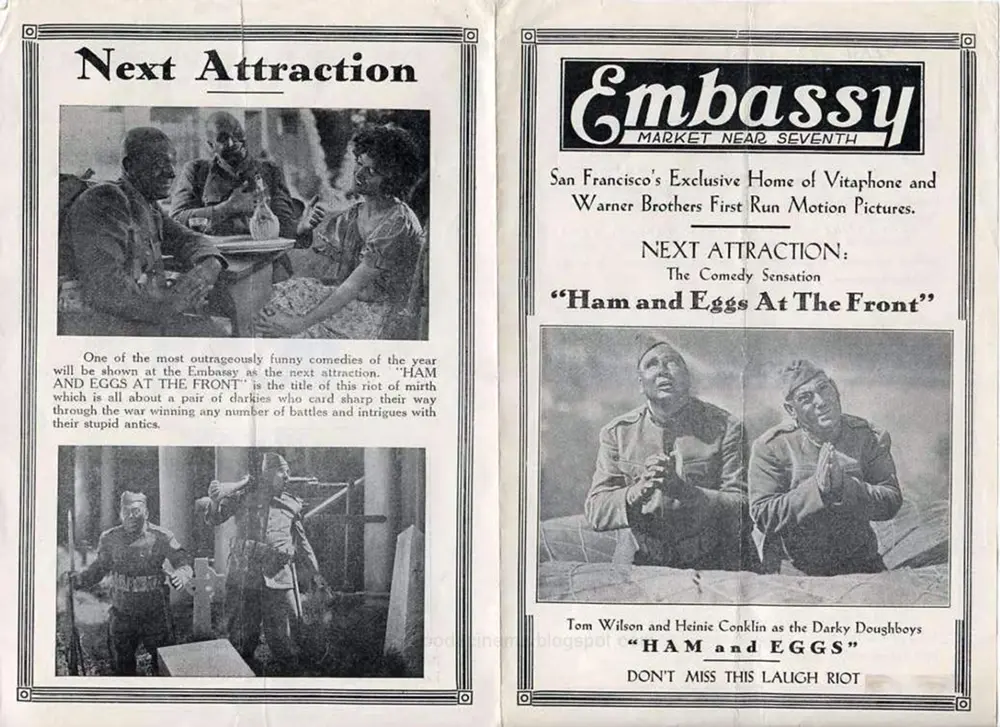
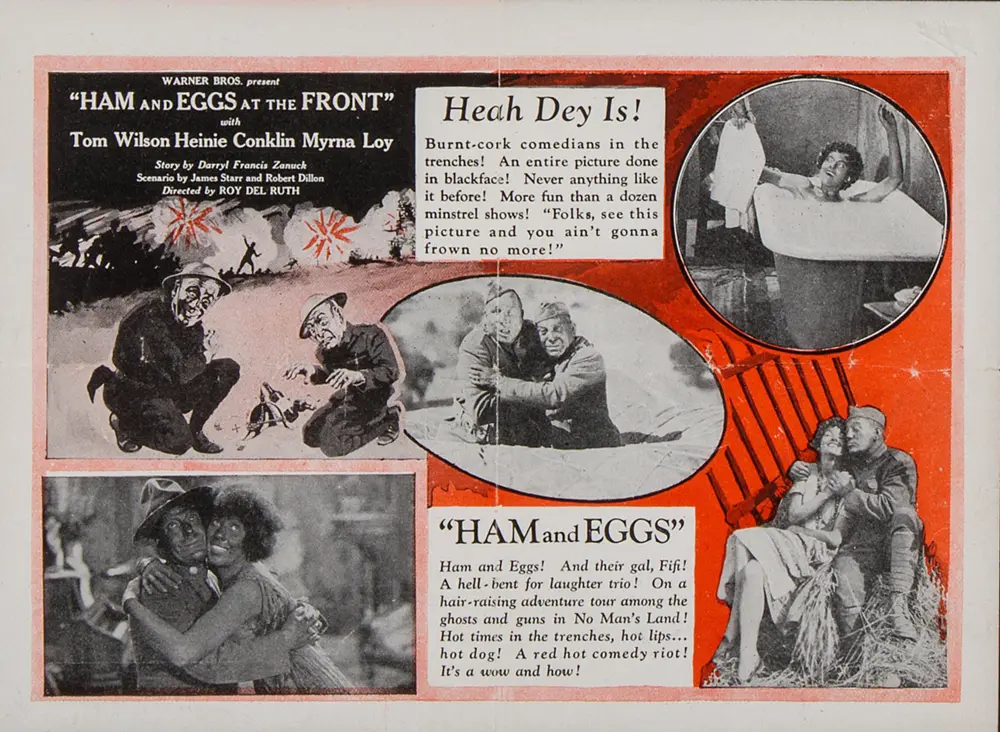
We cannot discuss Ham and Eggs at the Front without addressing the use of blackface. Tom Wilson and Heinie Conklin play the titular characters as caricatures of Black soldiers.
This was a common, albeit regrettable, trope of the era. The humor is derived from their perceived ignorance and fear, which makes for a deeply uncomfortable viewing experience today.
Unlike the nuanced social commentary found in The Exiles, this film leans into the crudest forms of stereotype. It is a harsh reminder of the barriers present in early cinema.
The 'Ham and Eggs' duo was an attempt by Warner Bros. to create a recurring comedy brand. They wanted a slapstick pair that could rival the greats, but the foundation was built on sand.
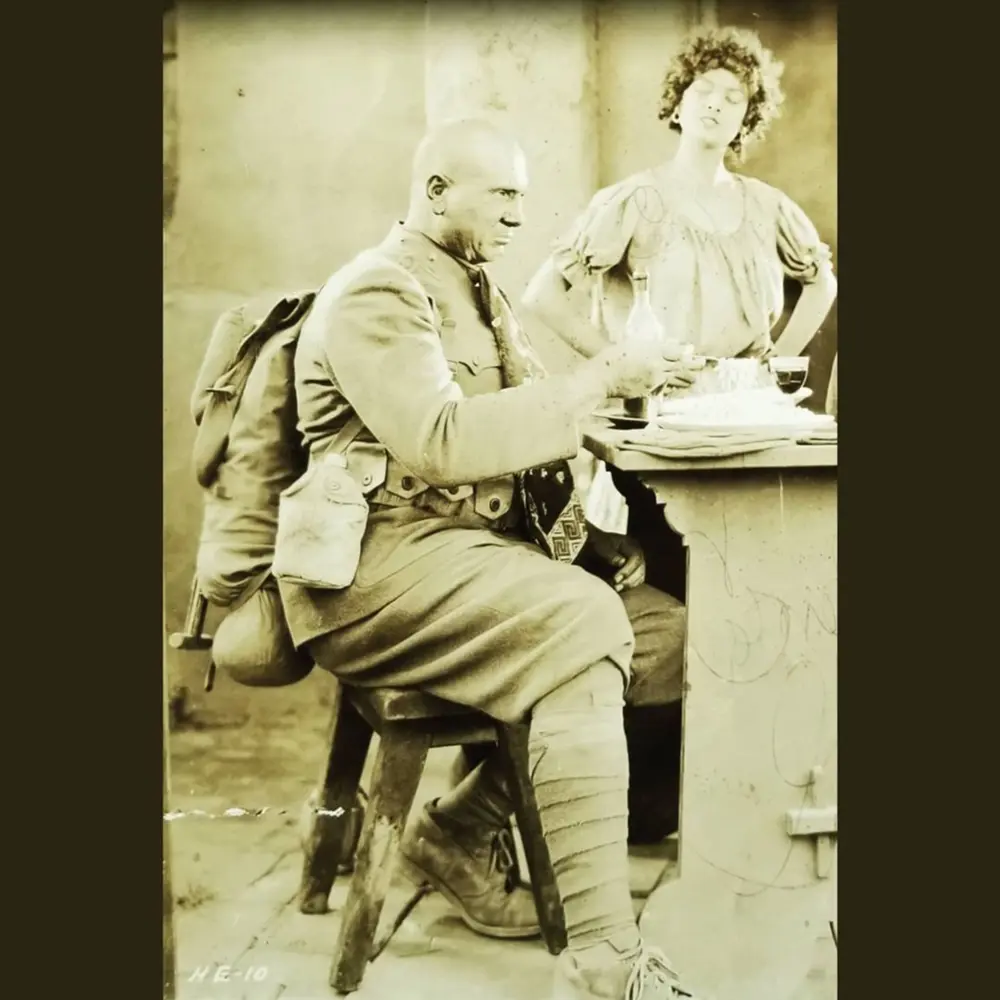
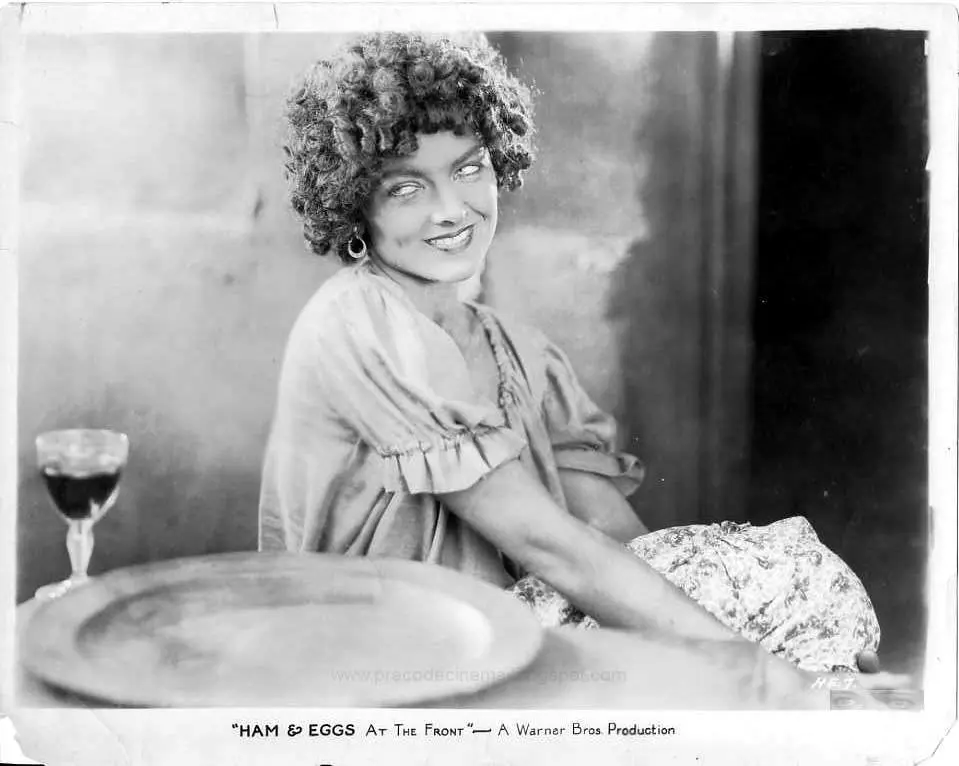
Long before she became the sophisticated Nora Charles, Myrna Loy was often cast in 'exotic' roles. In this film, she plays Fifi, a Senegalese spy.
Loy’s performance is the only reason to keep your eyes on the screen. Even under the 'dusky' makeup, her ability to convey intent through her eyes is remarkable.
She plays the 'vamp' with a level of intensity that feels out of place in such a low-brow comedy. There is a specific scene where she attempts to lure the soldiers into a trap using a calculated gaze.
In that moment, you see the flicker of the star she would eventually become. She is working with very little, yet she commands the frame.
The screenplay credits include Darryl F. Zanuck, who would later become a titan of the industry. You can see the seeds of his fast-paced storytelling here.
The film moves at a breakneck speed, typical of the silent comedy era. The gags are choreographed with a precision that suggests a deep understanding of vaudeville timing.
However, the writing by Robert Dillon and Jimmy Starr lacks the emotional depth seen in contemporary works like Les Misérables, Part 1: Jean Valjean.
The plot is merely a clothesline for the gags. The espionage angle is never truly explored beyond the surface level of 'spy meets fool.'
The cinematography by Byron Haskin is functional but rarely inspired. The sets for the French front lines feel like backlot recreations, lacking the grit of real war films.
There is a reliance on wide shots to capture the physical comedy of Wilson and Conklin. This allows the audience to see the full range of their bumbling movements.
Compare this to the more atmospheric lighting found in The Scarlet Road, and you’ll see that Ham and Eggs at the Front is strictly a 'bread and butter' production.
The editing is snappy, which was a hallmark of the Warner Bros. style. It keeps the energy high even when the jokes fall flat.
One surprising element of the film is its cynical view of the military hierarchy. While it mocks the soldiers, it also subtly mocks the absurdity of the war itself.
The fact that a spy can so easily infiltrate the ranks suggests a level of incompetence that goes beyond just the two lead characters.
This cynicism would become a staple of later war satires, but seeing it here in 1927 is an interesting anomaly. It lacks the heart of Hearts and Flowers, but it has a sharper edge.
- A fascinating look at the early career of Darryl F. Zanuck.
- High-energy pacing that prevents the film from becoming boring.
- Important as a historical document of 1920s cinema tropes.
- Deeply offensive racial portrayals that make it difficult to enjoy.
- The slapstick is repetitive and lacks the genius of Keaton or Chaplin.
- The plot is incredibly thin, even by silent comedy standards.
Ham and Eggs at the Front is not a film I would recommend for a casual viewing experience. It is a challenging piece of media that requires a significant amount of context to process.
While Myrna Loy is a highlight, she cannot save a film that is so fundamentally rooted in the prejudices of its time. It is a historical curiosity, nothing more.
If you are interested in the era, look instead at Dodging a Million for a more palatable experience. This one is for the archives.
IMDb 7.8
1930
Community
Log in to comment.