DbcultAccessing Vault...
6.2/10
Senior Film Conservator
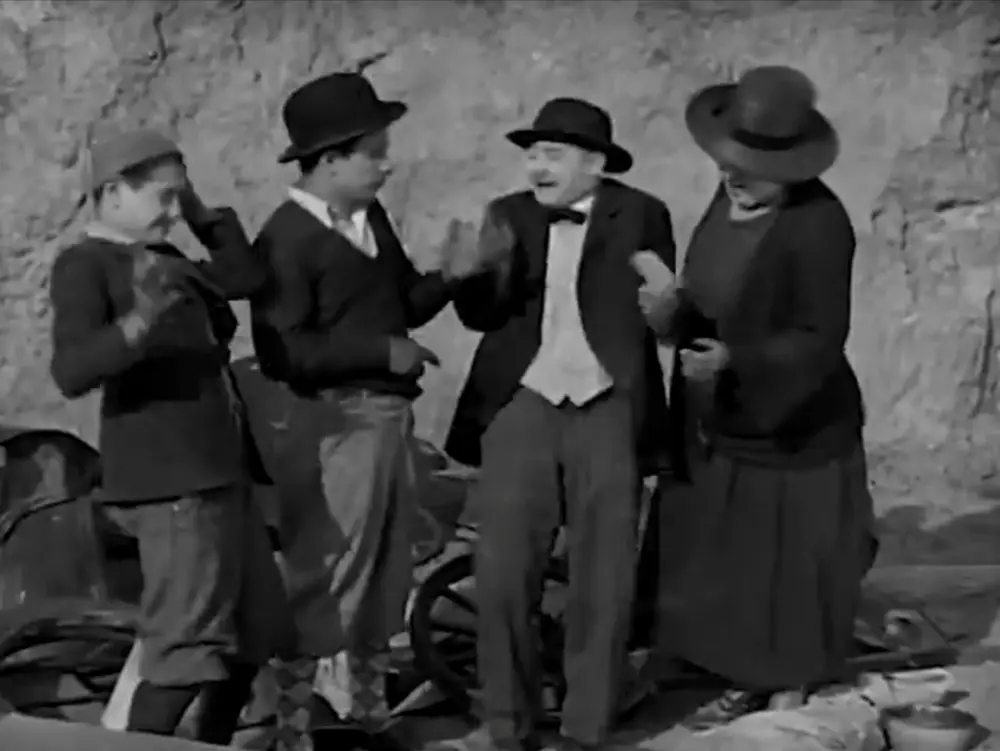
A definitive 6.2/10 rating for a film that redefined the boundaries of cult cinema. Ham and Herring remains a cornerstone of transgressive art.
Short answer: Yes, if you relish imperfect but vibrant character-driven chaos. No, if you prefer tightly scripted narratives. Ham and Herring is a polarizing blend of farce and heartfelt missteps, anchored by Margery Meadows’ razor-sharp wit and Leo Sulky’s volcanic energy. It works best when it leans into its messiness; it fails when it tries too hard to force resolution.
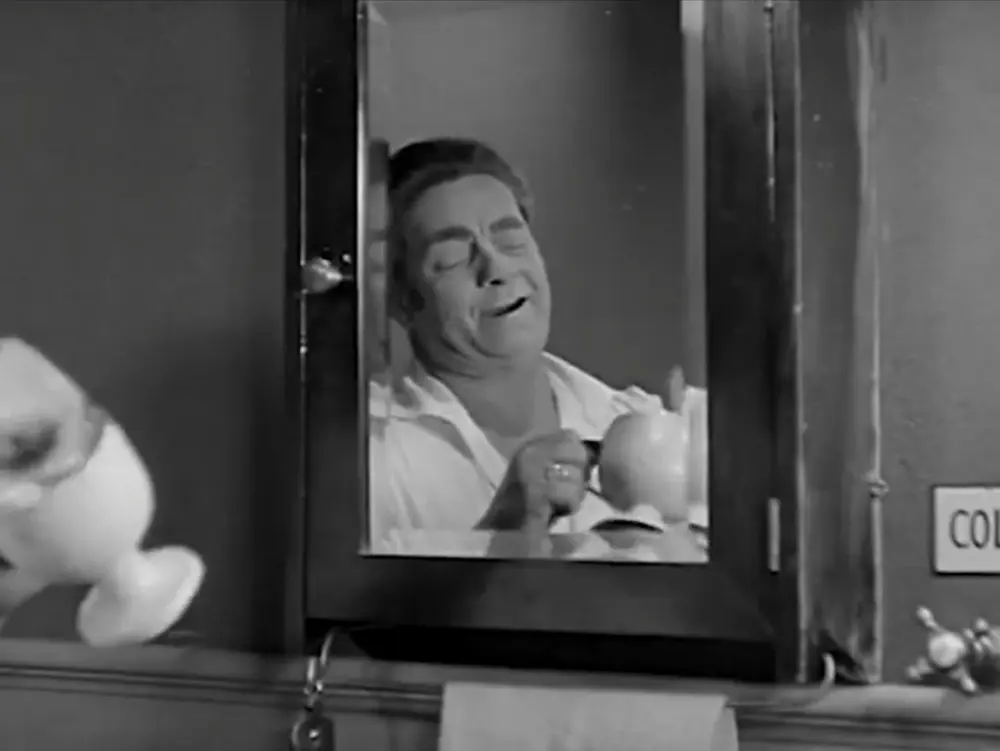
The film’s strength lies in its commitment to unfiltered family dynamics. A standout scene occurs when Georgie Chapman’s character accidentally ignites a campfire feud with a misplaced marshmallow roast, escalating into a literal and metaphorical wildfire. Director Elfie Fay (credited here for the first time) frames these clashes with a handheld camera, creating a sense of urgency that mirrors the characters’ crumbling composure.
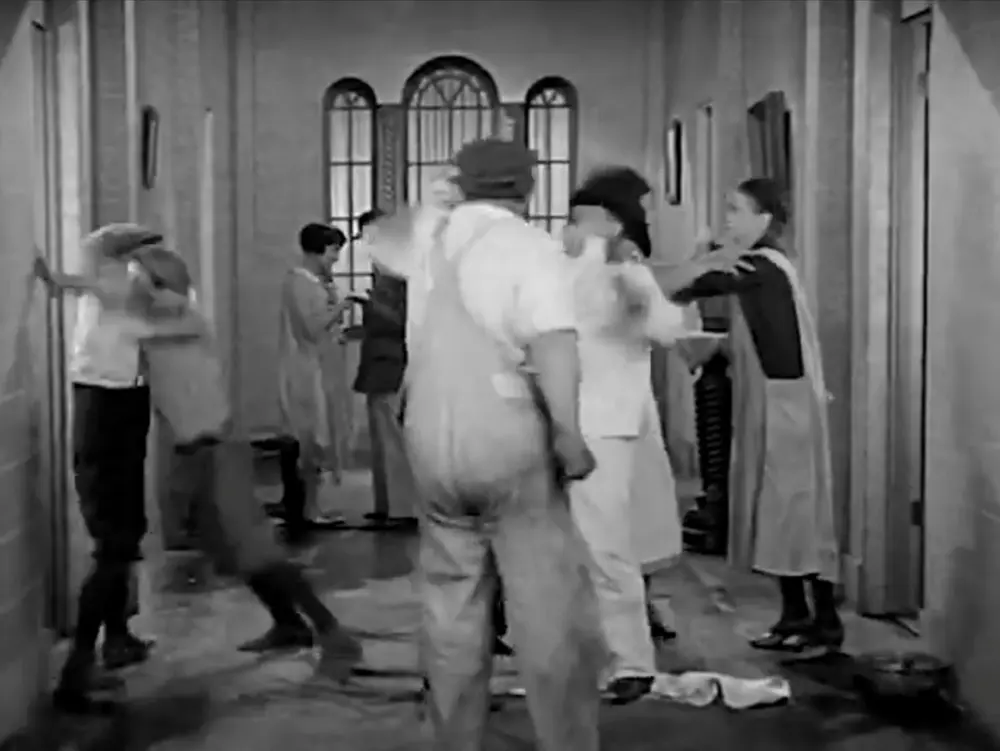
Johnnie Morris’ subdued performance as the peacekeeping father contrasts sharply with Leo Sulky’s volcanic outbursts, creating a dynamic that feels both authentic and absurd. The dialogue, though occasionally clunky, captures the rhythm of real familial barbs—think of the infamous ‘herring incident’ (no spoilers) as a masterclass in escalating passive-aggression.
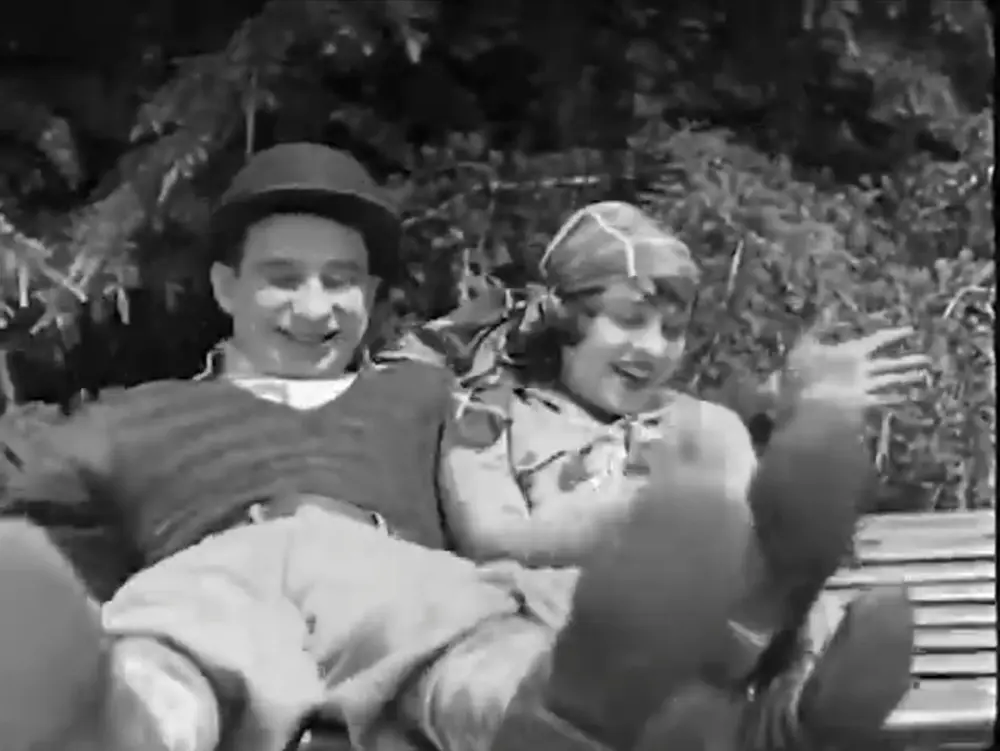
The script’s overreliance on slapstick grows tiresome. A subplot involving a stolen tent and a misplaced goat (yes, really) undercuts the film’s earlier emotional beats. The pacing falters in the third act, where attempts to resolve conflicts feel rushed and artificial. Unlike the nuanced character studies in Innocent Husbands, this film often prioritizes gags over substance.
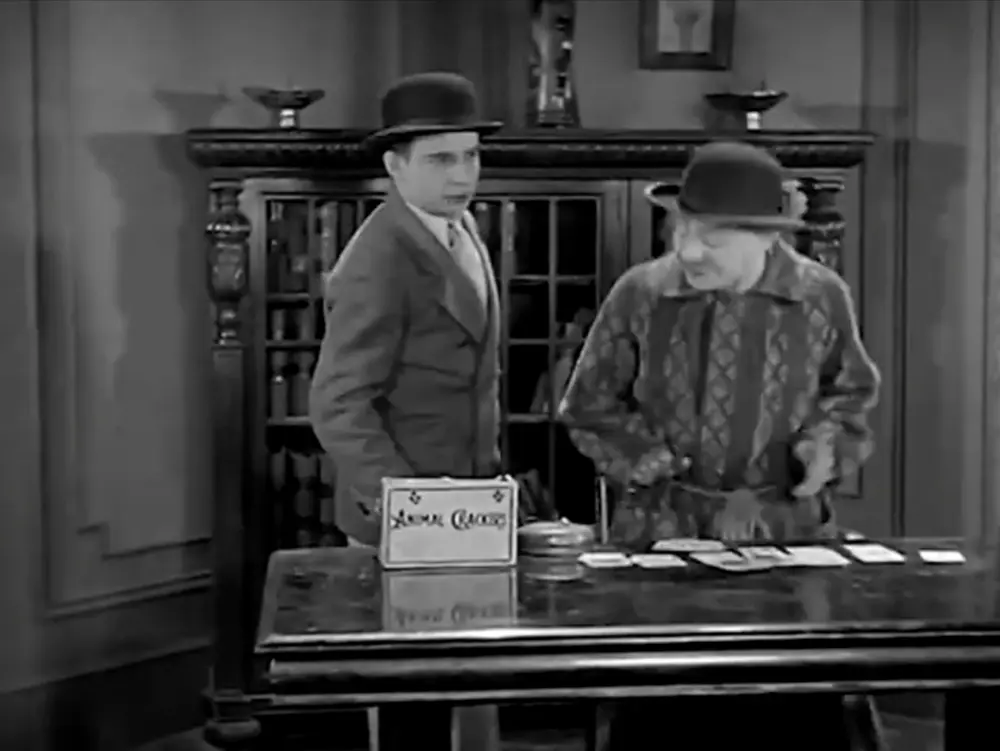
You crave performances that feel like they might combust mid-scene. Margery Meadows’ deadpan delivery in the ‘bridge scene’ (again, no spoilers) is a masterclass in subtlety. The film also rewards viewers who enjoy juxtaposing humor with fleeting moments of sincerity—like the quiet tent scene where Elfie Fay’s character reflects on her strained relationship with her sister.
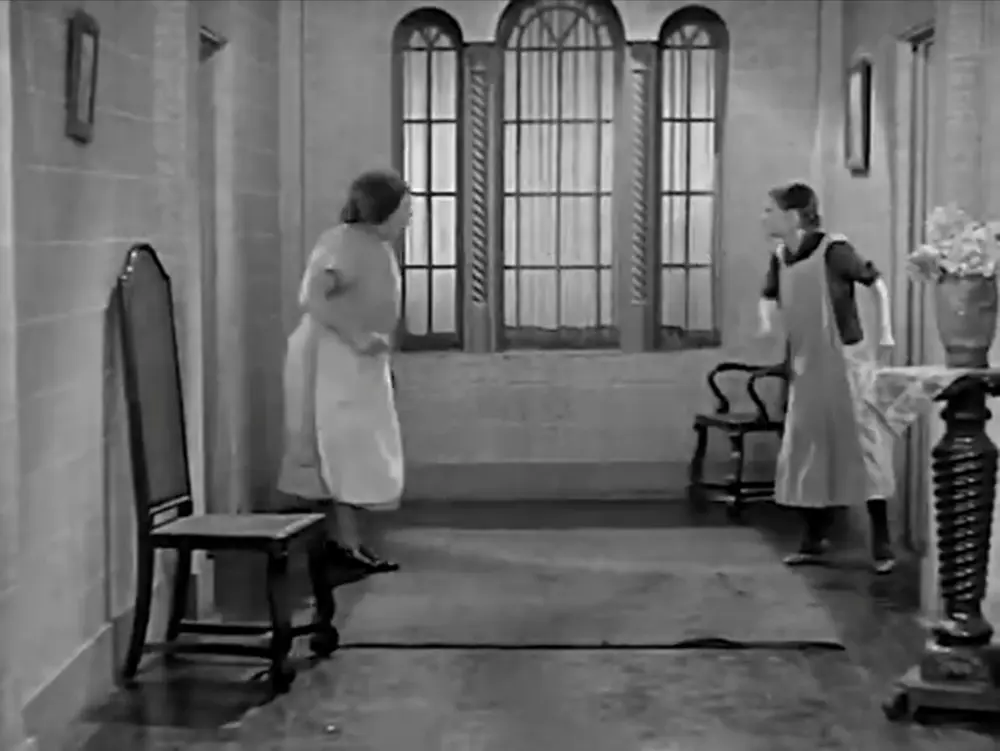
Let’s cut to the chase: Ham and Herring is a gift to its cast. Margery Meadows and Johnnie Morris generate chemistry that almost elevates the script’s weaknesses. Consider the scene where they repair a canoe using duct tape and a questionable amount of trust—it’s awkward, charming, and oddly profound. But here’s the rub: the film’s insistence on stretching thin jokes (see: the recurring ‘herring’ metaphor) undermines these moments. It’s a paradoxical triumph of performance over plot.
This film treats chaos not as a flaw but as a feature. Unlike the meticulously structured farces of Boomerang Bill, Ham and Herring embraces unpredictability. There’s a rawness in how the characters’ interactions unfold—improvisational flourishes in the script (credited to unknown writers) give the film a lived-in texture. Yet this approach backfires when the narrative becomes a jumble of half-baked subplots (e.g., the goat subplot).
Cinematographer Elfie Fay (yes, the same actor) employs a frenetic visual style: wide-angle shots of the families’ sprawling chaos, close-ups capturing twitching eyes and clenched jaws. The forest setting is both protagonist and antagonist—lush one moment, treacherous the next. However, the film’s refusal to dial back the visual chaos during quieter moments (like the tent scene) undermines its emotional impact.
It works. But it’s flawed. Ham and Herring is a rollercoaster of conflicting impulses: it wants to be both a farcical comedy and a heartfelt drama. It succeeds as the former but falters as the latter. If you’re in the mood for a film where characters are more compelling than the plot, give it a shot. But don’t expect polish.
A imperfect but entertaining ride, best enjoyed with a group of friends who appreciate yelling matches and questionable life choices.
IMDb —
1930
Community
Log in to comment.